

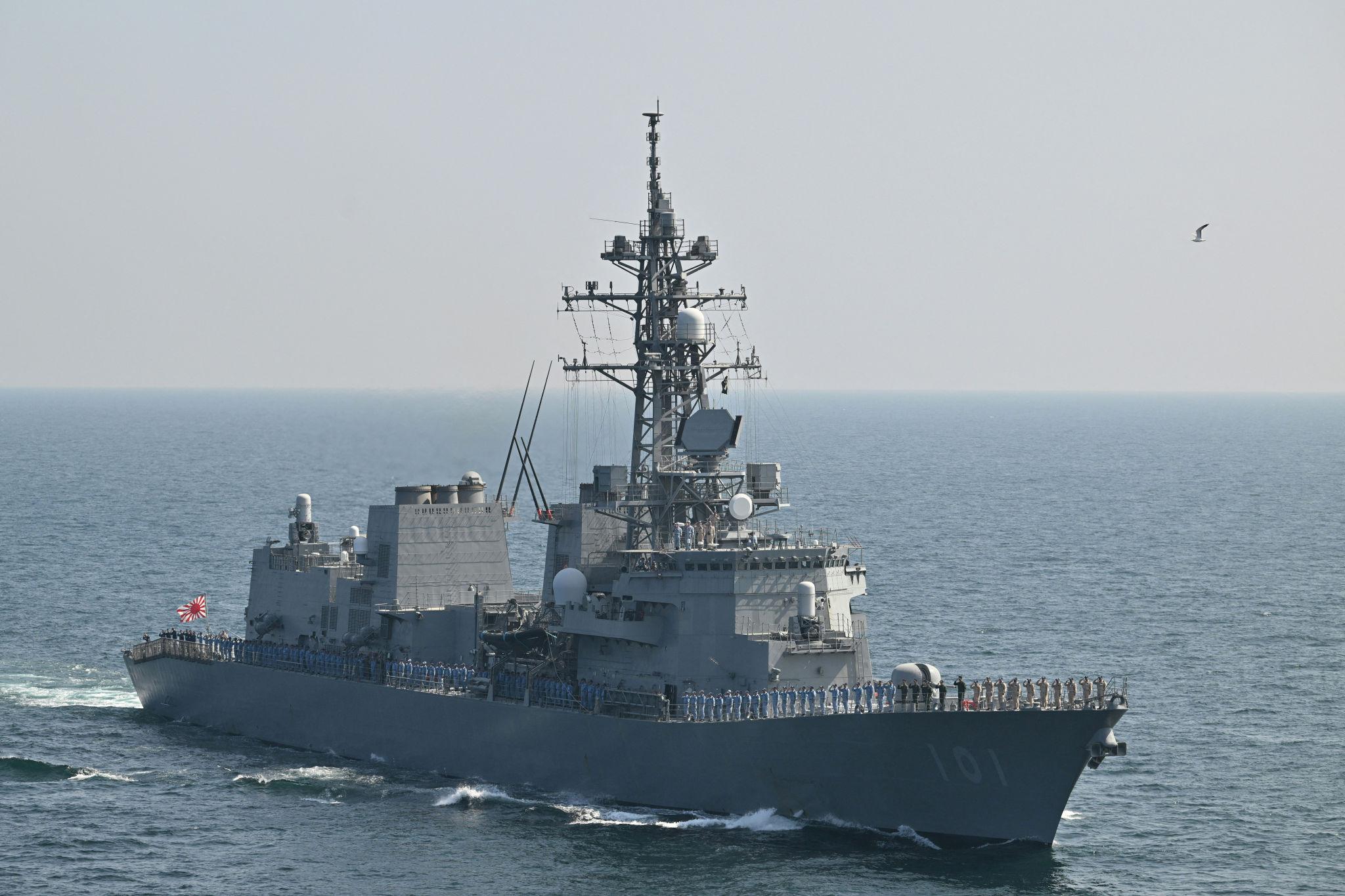
INDIAN OCEAN, February 15, 2026 — Paliament News — The US military board tanker operation conducted this week in international waters signals a decisive escalation in maritime sanctions enforcement. American naval forces intercepted and boarded a vessel suspected of carrying sanctioned oil cargo, marking the second high profile interdiction in the region within weeks.
Defense officials confirmed the boarding occurred without violent confrontation and followed established maritime inspection procedures. The operation underscores Washington’s broader strategy in 2026 to strengthen global compliance with sanctions while projecting naval authority across major trade routes.
The incident has drawn international attention due to the increasing frequency of maritime enforcement missions and the expanding geographic reach of U.S. naval oversight.
Operational Overview of the Boarding
The US military board tanker mission began after surveillance assets flagged irregular routing patterns in the vessel’s voyage through the Indian Ocean corridor. Satellite tracking and maritime intelligence systems detected potential sanctions violations linked to cargo documentation inconsistencies.
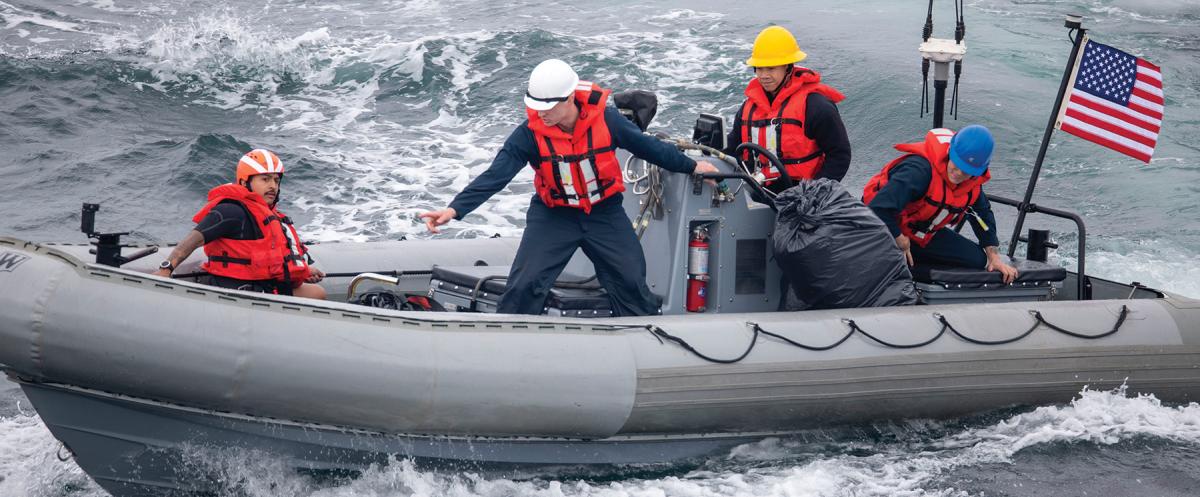
A U.S. destroyer operating in the region approached the tanker and initiated communication. Boarding teams were deployed via rigid inflatable craft once authorization was granted under maritime enforcement protocols.
Pentagon officials stated the crew complied with inspection procedures and that no injuries occurred. The inspection focused on cargo manifests, ownership documentation, and compliance with international maritime regulations.
Legal Framework Governing Maritime Interdiction
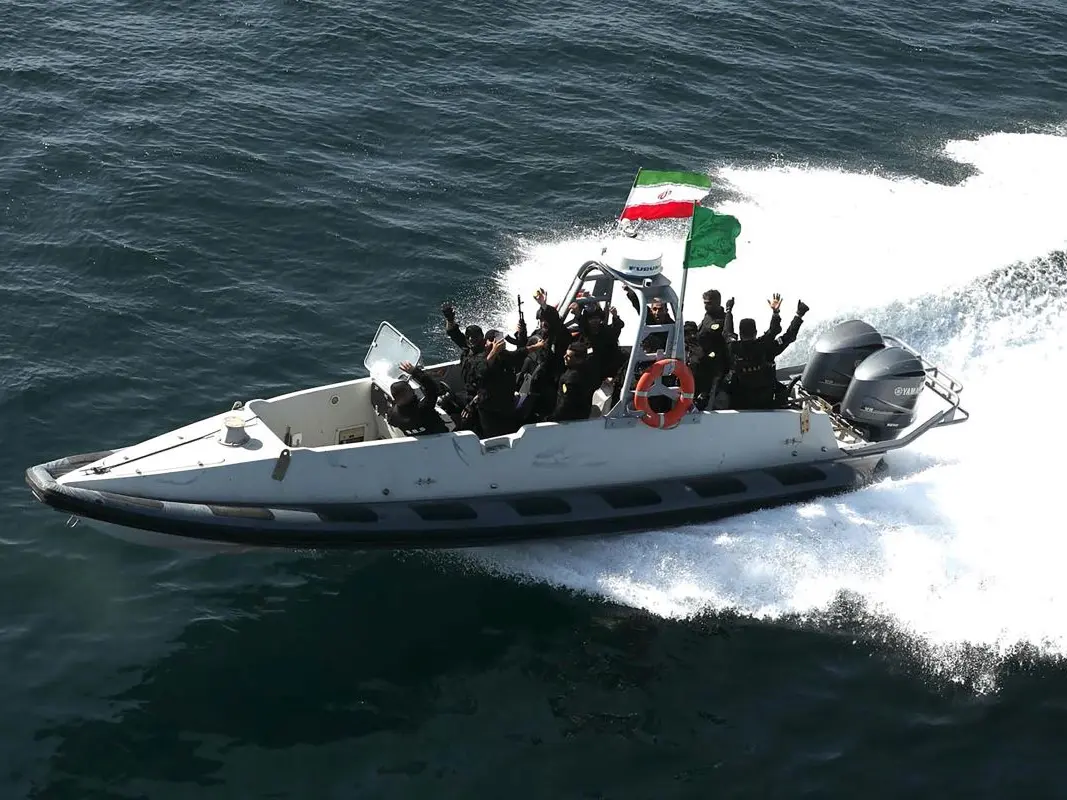
The authority for a US military board tanker action rests on enforcement of sanctions and established maritime law principles. Officials maintain that when credible intelligence suggests sanctions evasion, interdiction in international waters is permissible under specific legal doctrines.
Critics argue that expanded enforcement in distant trade corridors raises concerns about jurisdictional overreach. Supporters counter that sanctions would lose effectiveness if vessels could evade oversight simply by traveling beyond coastal boundaries.
According to defense sources, the operation aligns with U.S. policy directives aimed at preventing illicit energy transactions that undermine economic stability and international norms.
Strategic Importance of the Indian Ocean
The Indian Ocean represents one of the most critical maritime highways for global commerce. Oil shipments traveling from the Middle East, Africa, and Latin America routinely pass through its waters en route to Asia and Europe.
When the US military board tanker operation unfolded here, it reinforced the strategic message that enforcement extends into vital shipping arteries. Analysts note that this corridor’s central position amplifies the economic implications of interdictions.
Naval deployments in the region have increased as global competition intensifies, with multiple powers maintaining a presence to safeguard trade routes and protect strategic interests.
Broader Sanctions Enforcement Campaign
The boarding forms part of a broader sanctions enforcement strategy that intensified in late 2025. U.S. officials have targeted networks accused of transporting oil in violation of restrictions tied to geopolitical disputes.
Each US military board tanker operation signals Washington’s intent to apply pressure through economic measures backed by naval capability. The combination of financial sanctions and maritime oversight aims to deter future violations.
A defense spokesperson stated,
“International waters are not beyond accountability.”
The comment encapsulates the policy framework guiding current enforcement measures.
Global Diplomatic Reactions
International responses have been mixed. Allied governments largely expressed support for consistent sanctions enforcement, while some nations called for diplomatic restraint to avoid escalating maritime tensions.
The United Nations has urged adherence to established legal standards and encouraged transparency in enforcement actions. Analysts observe that maritime interdictions often carry diplomatic implications that extend beyond the immediate incident.
The US military board tanker event has become a focal point for debates over the balance between sanctions enforcement and freedom of navigation.
Economic Impact on Energy Markets
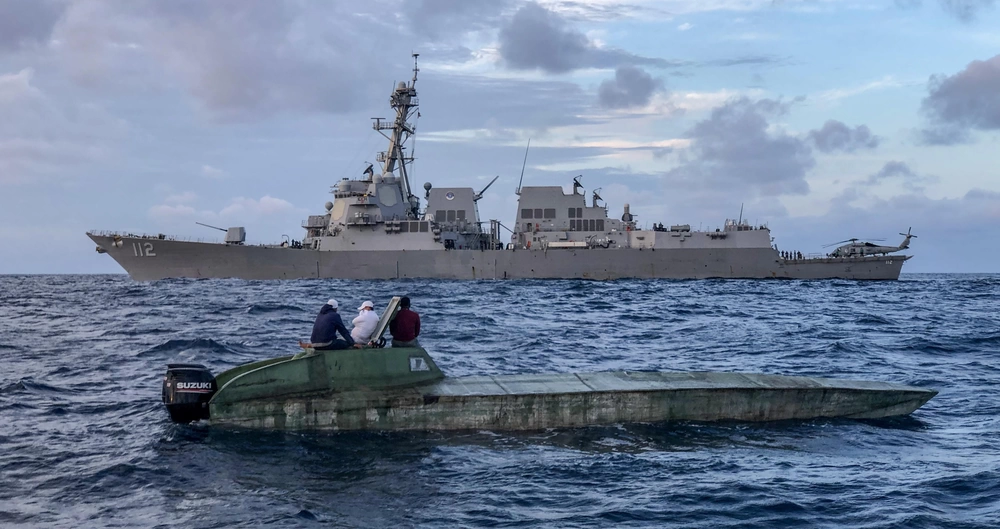
Oil traders and shipping insurers reacted swiftly to the boarding. Each US military board tanker incident introduces uncertainty into supply chains, potentially affecting crude pricing and insurance premiums.
Market analysts suggest that while a single interdiction may not dramatically alter global supply, repeated operations could influence routing decisions and increase shipping costs.
Energy markets remain sensitive to geopolitical developments in 2026, particularly those affecting major transport corridors.
Naval Readiness and Regional Security
The boarding demonstrates enhanced naval readiness and intelligence coordination. Carrier strike groups, surveillance aircraft, and allied patrol vessels contribute to a comprehensive maritime awareness network.
Officials indicate that additional US military board tanker missions may occur if intelligence identifies further violations. Cooperation with allied navies strengthens monitoring capacity across interconnected sea lanes.
The expansion of maritime enforcement reflects evolving security priorities in a multipolar global environment.
History of Maritime Sanctions Enforcement
Maritime interdiction has long been a component of sanctions policy. From Cold War era embargoes to counter piracy missions in the early 2000s, naval forces have enforced economic measures at sea.
The contemporary US military board tanker strategy builds on these precedents but operates within a more technologically advanced context. Satellite tracking, digital intelligence analysis, and real time communications enable rapid response.
Historically, successful enforcement campaigns have relied on sustained political commitment and international coordination. The events of 2026 represent a modern adaptation of those principles.
Legal and Political Debate Intensifies
Legal scholars continue to debate the implications of expanding maritime enforcement beyond traditional conflict zones. Questions about jurisdiction, proportionality, and international norms are central to ongoing discussions.
Some policymakers argue that failing to enforce sanctions undermines credibility and emboldens violations. Others caution that overextension risks diplomatic friction.
The US military board tanker incident therefore exists at the intersection of legal doctrine and strategic signaling.
Insurance, Trade Routes, and Commercial Shipping
Commercial shipping companies closely monitor enforcement patterns. Increased interdiction activity may prompt vessels to adjust routes, potentially lengthening transit times.
Insurance providers assess regional risk levels based on enforcement frequency. Repeated US military board tanker operations could influence underwriting decisions for ships operating in affected corridors.
Industry groups emphasize the importance of clarity and predictability in enforcement practices to maintain trade stability.
Intelligence and Surveillance Capabilities
Advancements in maritime domain awareness underpin the ability to conduct a US military board tanker operation with precision. Integrated satellite networks, automated identification systems, and artificial intelligence analysis enhance tracking accuracy.
Defense officials describe the surveillance infrastructure as layered and adaptive, capable of identifying anomalies in vessel behavior across thousands of nautical miles.
Such capabilities reduce the likelihood of misidentification and help ensure compliance with operational standards.
Regional Military Coordination
Allied naval forces in the Indian Ocean region maintain communication channels with U.S. commanders. While the boarding was conducted by American personnel, broader situational awareness often involves multinational cooperation.
The US military board tanker strategy may encourage greater coordination among partners concerned with sanctions enforcement and maritime security.
Regional exercises and joint patrols reinforce shared commitment to maintaining open and lawful sea lanes.
Long Term Strategic Outlook
As 2026 progresses, maritime enforcement is expected to remain a visible element of U.S. foreign policy. Analysts predict that interdictions will occur selectively, based on intelligence assessments.
The sustainability of the US military board tanker approach will depend on diplomatic engagement and evolving geopolitical conditions.
For now, the boarding serves as a reminder that maritime corridors are central to modern economic and strategic competition.
A Defining Chapter in Maritime Geopolitics
The recent US military board tanker operation illustrates how sanctions policy and naval power increasingly intersect. In an era marked by complex global supply chains and digital tracking technologies, enforcement extends across vast distances.
Whether this approach shapes future maritime norms or prompts renewed diplomatic negotiation remains uncertain. What is clear in Indian Ocean waters in 2026 is that enforcement at sea has become a prominent instrument of geopolitical influence.