BEIJING, China – February 16, 2026, According to Parliament News, that The 2026 Lunar New Year celebrations in Beijing opened with a spectacle few could have imagined a decade ago. A synchronized humanoid robot performance captivated millions of viewers across China and abroad, blending artificial intelligence with centuries old cultural traditions. The show, staged in the capital’s largest television gala venue, marked a defining moment in the country’s rapidly evolving robotics industry.
Broadcast nationwide, the event demonstrated how technology is moving from research labs into mainstream entertainment. Engineers, artists and policymakers described the evening as a milestone not only for robotics but also for cultural storytelling in the digital age.
Robots Take Center Stage at a National Celebration
The Lunar New Year gala has long been one of the most watched televised events in the world. This year’s edition drew heightened attention because of the inclusion of advanced humanoid machines programmed to dance, gesture and interact with human performers in real time.
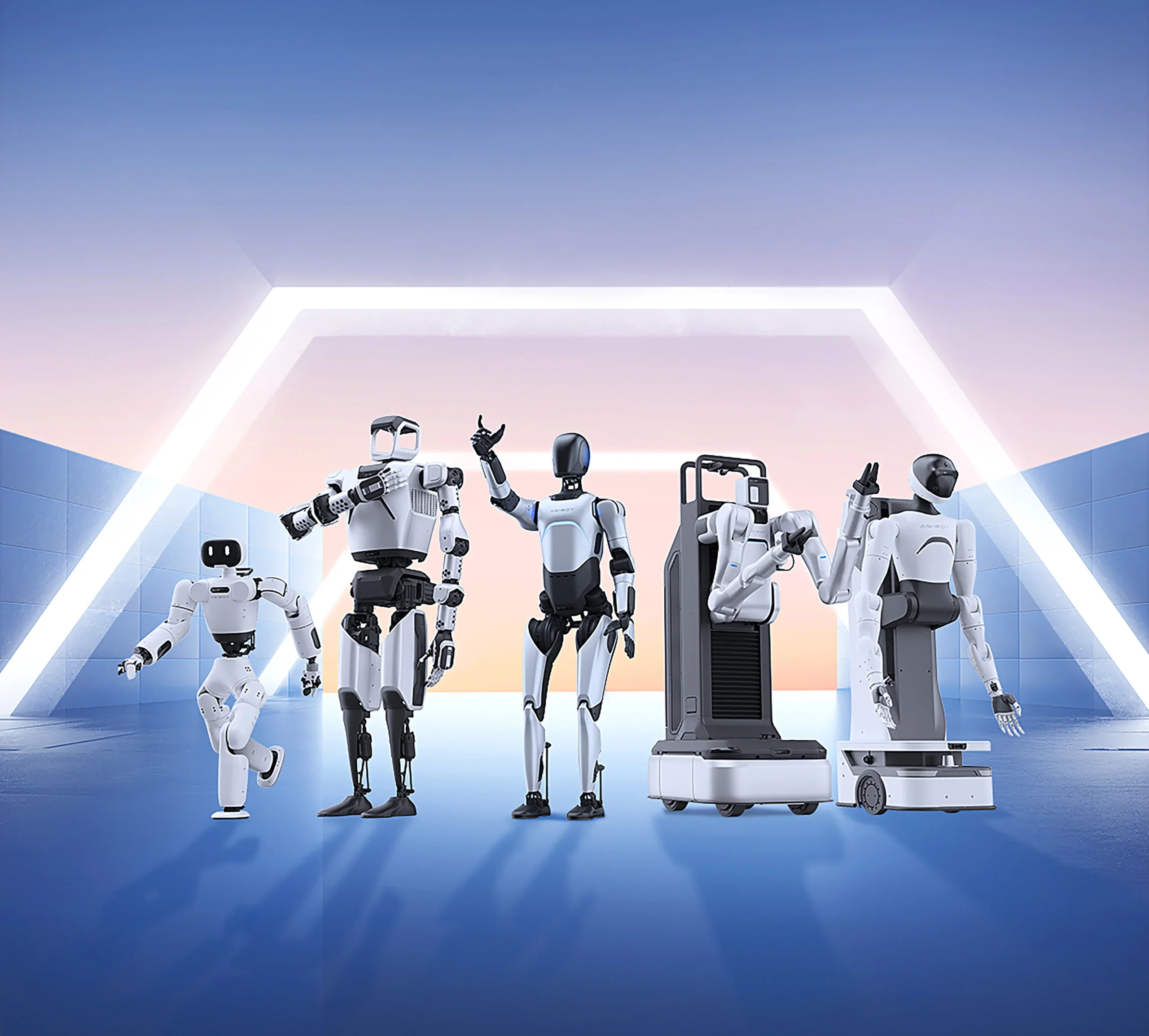
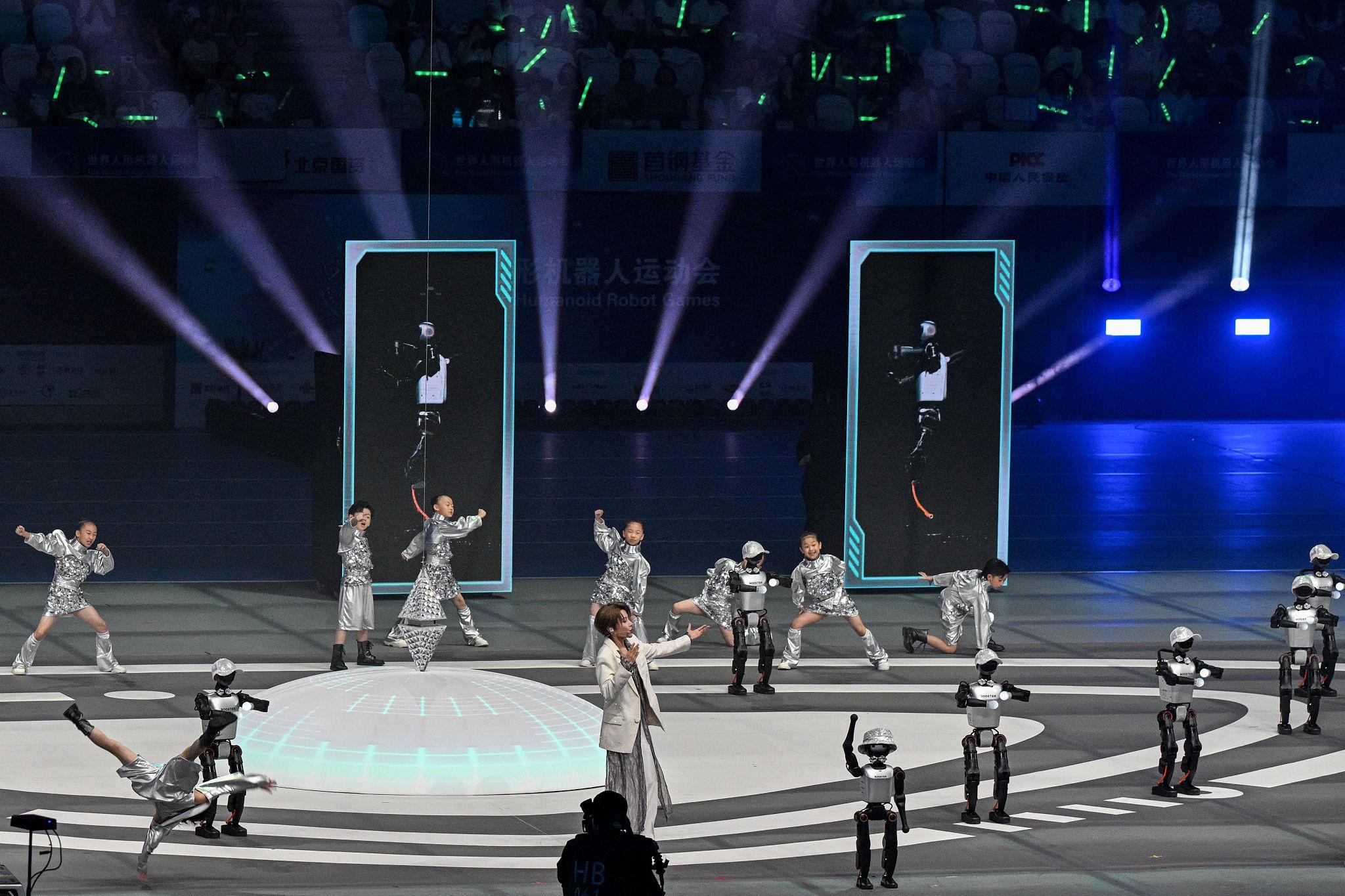
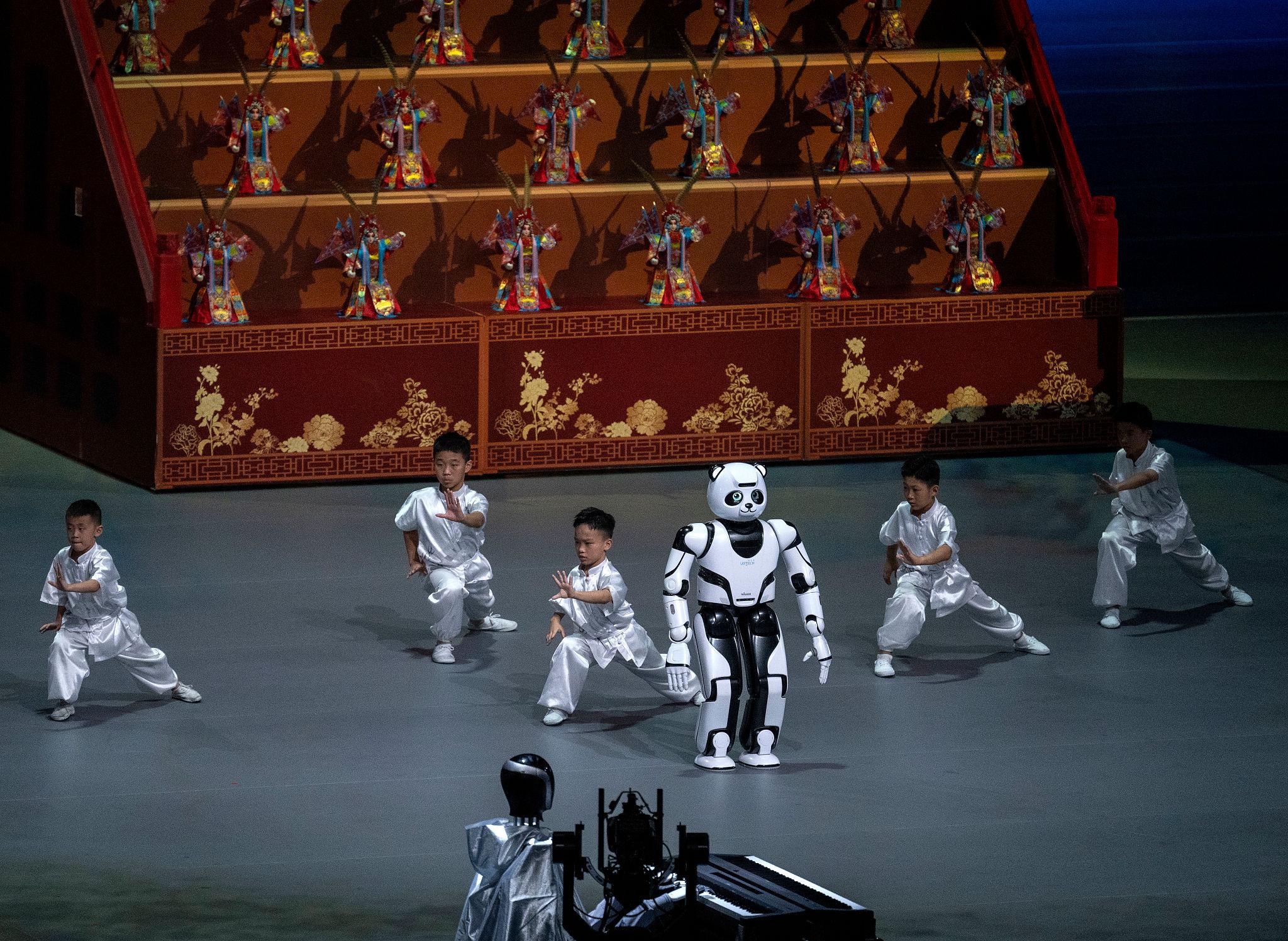
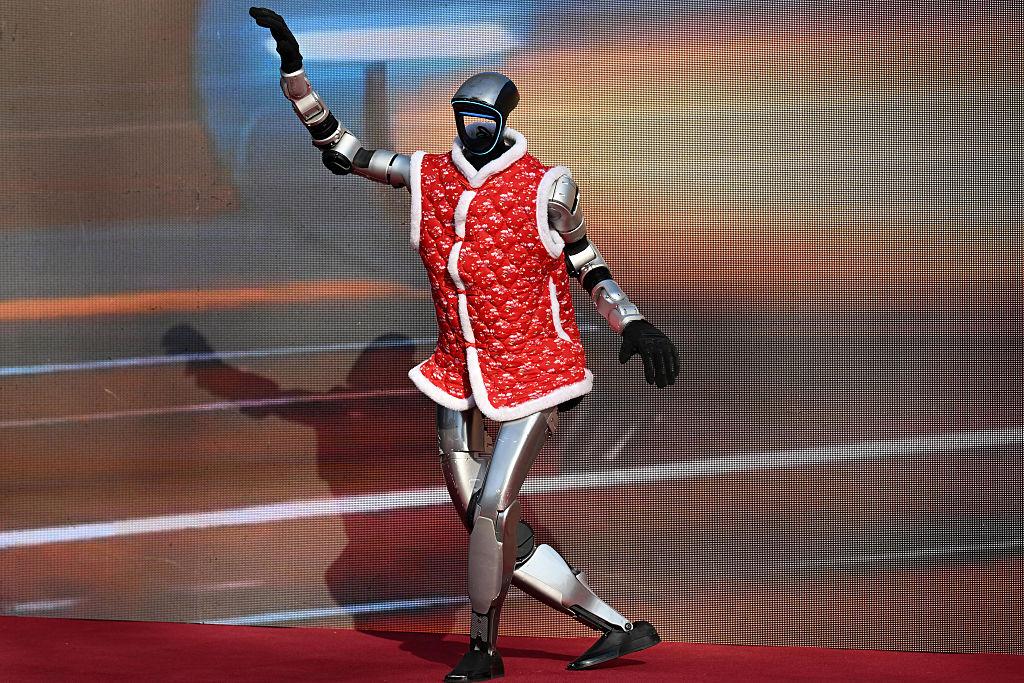
The humanoid robot performance featured dozens of machines moving in precise coordination. Wearing traditional red and gold themed costumes designed specifically for robotic frames, they performed alongside professional dancers in a choreographed routine inspired by classical Chinese folklore.
Organizers said the goal was not to replace human artistry but to expand it. The robots mirrored human gestures with surprising fluidity, maintaining rhythm and balance even during complex spins and synchronized formations.
Audience reactions inside the venue ranged from astonishment to applause. Viewers at home flooded social media platforms with short clips, praising the seamless integration of robotics and tradition.
Years of Research Behind the Spotlight
The headline making humanoid robot performance was the result of years of engineering research. Robotics companies collaborating with national research institutes have focused on refining mobility, balance and humanlike movement.
Each machine is equipped with advanced sensors, high torque actuators and AI powered control systems. These technologies allow the robots to respond dynamically to music tempo and stage positioning. Engineers conducted months of rehearsals to ensure consistency under bright stage lighting and prolonged operation.
According to technical teams involved in the production, stability was the primary challenge. Developers adjusted algorithms to maintain center of gravity during synchronized leaps and directional changes. This ensured that the humanoid robot performance could proceed without interruption during the live broadcast.
Cultural Identity Meets Artificial Intelligence
For many observers, the significance of the event extended beyond technological achievement. The Lunar New Year symbolizes renewal and optimism. Introducing robotics into this cultural framework reflects China’s confidence in its technological direction.
Officials described the humanoid robot performance as a representation of harmony between innovation and heritage. Rather than presenting machines as cold industrial tools, the gala positioned them as participants in cultural celebration.
A senior robotics developer involved in the project said,
“This performance shows that artificial intelligence can support cultural expression rather than overshadow it.”
The statement echoed broader national ambitions to lead in robotics development while preserving historical identity.
Economic Signals From a Stage Show
The economic implications of a successful humanoid robot performance are significant. China’s robotics sector has experienced rapid expansion, with both private investment and public funding accelerating research and commercialization.
Industry analysts note that high profile showcases increase investor confidence. When millions witness reliable robotic systems operating under demanding live conditions, skepticism diminishes. This visibility may translate into stronger market adoption in sectors such as education, hospitality and eldercare.
The Lunar New Year event effectively served as a national demonstration platform. By presenting robotics in a celebratory context, developers highlighted potential applications beyond factory automation.
Technical Architecture Behind the Choreography
Behind the smooth motions seen on television lies complex programming. Each robot used in the humanoid robot performance relies on layered control architecture.
At the base level, hardware components manage motor torque and joint positioning. Above that, motion planning software coordinates balance and directional movement. At the highest level, AI modules interpret musical timing and environmental cues.
Engineers created digital twins of the stage to simulate every step before the live event. This allowed them to test movement sequences virtually, reducing risk during rehearsals. Redundant safety protocols were built into each unit to prevent unexpected malfunctions.
The result was a polished routine that appeared effortless to viewers but required thousands of lines of code and countless engineering adjustments.
Public Reaction and Social Media Momentum
Within hours of the broadcast, clips of the humanoid robot performance trended across Chinese social platforms. Hashtags related to robotics and Lunar New Year dominated trending lists.
Families gathered in public squares where large screens replayed highlights. Children expressed fascination at seeing machines dance with such precision. Technology commentators described the moment as a cultural turning point.
Surveys conducted after the gala suggested increased public optimism about robotics integration in daily life. Many respondents indicated that seeing robots participate in joyful festivities made the technology feel less intimidating.
Global Attention and Strategic Implications
International observers also took note. Analysts abroad viewed the humanoid robot performance as evidence of China’s growing competitiveness in advanced robotics.
Countries worldwide are investing in automation and AI. Public showcases provide soft power advantages by demonstrating capability and creativity. By integrating robotics into one of the nation’s most important celebrations, China signaled both technical sophistication and cultural adaptability.
Global technology forums discussed the engineering achievements displayed during the event. Some experts suggested that entertainment may become a proving ground for future service robotics applications.
Challenges Beneath the Celebration
Despite the triumphant atmosphere, experts caution that significant challenges remain. Battery efficiency, long term durability and cost reduction are ongoing priorities.
The robots used in the humanoid robot performance required extensive preparation and specialized support teams. Scaling production for broader commercial deployment will demand further innovation.
There are also policy considerations regarding automation’s impact on employment. While performance robots are unlikely to displace artists, broader robotics expansion could affect labor markets in manufacturing and services.
Researchers emphasize the importance of responsible development and transparent communication with the public.
Expanding Applications Beyond Entertainment
The success of the Lunar New Year showcase has accelerated conversations about practical deployment. Developers believe that the technology demonstrated in the humanoid robot performance could translate into service roles.
Potential applications include guided museum tours, airport information assistance and eldercare companionship. Engineers argue that the expressive capabilities displayed during the gala are essential for human robot interaction in everyday settings.
Education is another focus area. Schools may use similar systems to teach programming and robotics concepts, inspiring the next generation of engineers.
Market Forecast and Industry Growth
Market analysts project continued growth in China’s robotics sector through the remainder of the decade. Investment in AI infrastructure, semiconductor development and advanced materials supports this trajectory.
The visibility achieved through the humanoid robot performance strengthens brand recognition for domestic robotics firms. International partnerships may expand as foreign companies seek collaboration.
Economic reports indicate that robotics exports could rise as performance credibility translates into trust in industrial and service applications.
A Turning Point for Technology and Tradition
As Beijing’s fireworks illuminated the night sky, the robotic dancers completed their final synchronized bow. The humanoid robot performance closed with applause from thousands in attendance and millions watching from home.
What unfolded on stage was more than entertainment. It represented a convergence of artificial intelligence, engineering ambition and cultural continuity.
From Festive Applause to Future Integration
Looking beyond the spectacle, experts describe the event as a foundational moment. The humanoid robot performance provided proof that machines can operate reliably in complex live environments while engaging audiences emotionally.
The coming years will determine how this momentum translates into broader adoption. If current trends continue, robotics may become as common in public life as smartphones are today.
When Algorithms Learned to Dance Under Lantern Light
The final scene of the evening captured a deeper message. Beneath red lanterns symbolizing hope and renewal, machines once confined to laboratories moved gracefully across a national stage. The humanoid robot performance demonstrated not only technological advancement but also a vision of coexistence between tradition and innovation.
As China steps further into the AI driven era, this Lunar New Year celebration may be remembered as the moment when algorithms first danced confidently under lantern light, signaling a future where robotics is woven seamlessly into the cultural fabric of society.