

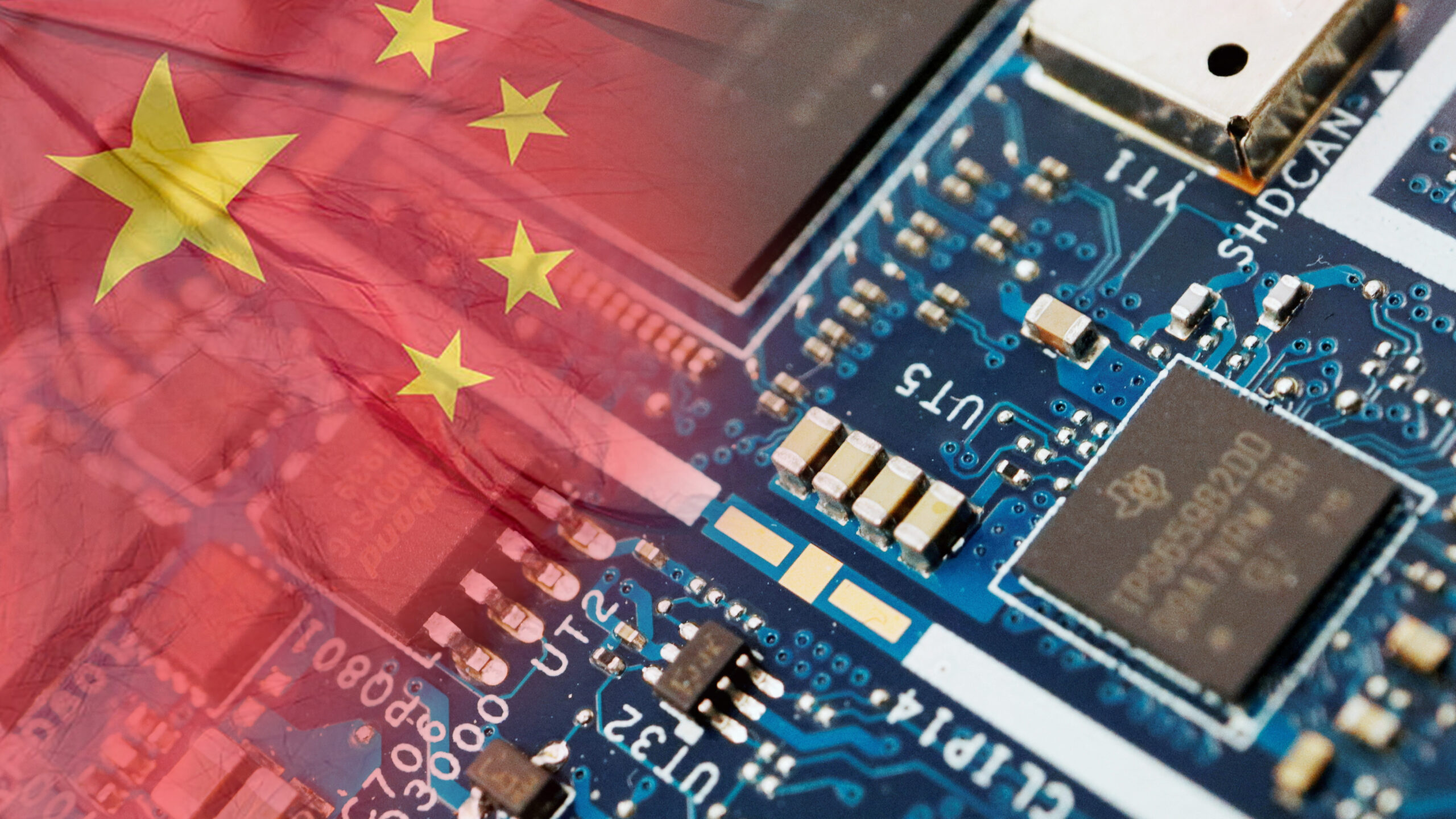
Beijing, China – February 12, 2026 — According to Parliament News, that The global technology sector is entering a pivotal year as laptop manufacturing China faces renewed supply chain pressure, evolving export dynamics, and intensifying competition for advanced semiconductor components. Industry leaders, investors, and policymakers are closely tracking developments across major Chinese production hubs as 2026 unfolds.
China remains the dominant force in worldwide PC assembly, supplying laptops to nearly every major consumer and enterprise market. From education systems and corporate IT departments to gaming enthusiasts and artificial intelligence developers, devices assembled in Chinese factories continue to power global digital infrastructure. However, component shortages, especially in memory, combined with shifting trade policy and rising labor costs, are forcing manufacturers to adapt rapidly.
Executives and analysts agree that the next several quarters will test the resilience, flexibility, and innovation capacity of the sector.
Global Market Conditions Driving 2026 Production
Worldwide demand for personal computing devices has stabilized following post-pandemic volatility. Enterprise refresh cycles, AI integration, cybersecurity upgrades, and hybrid work environments are generating steady demand. Yet consumer spending patterns remain uneven across regions, influenced by inflation, interest rates, and currency fluctuations.
Within this context, laptop manufacturing China must balance production forecasts carefully. Oversupply can pressure margins, while underproduction risks losing market share to competitors in other Asian manufacturing centers.
Key forces shaping output include:
- Enterprise AI workstation upgrades
- Education sector digital infrastructure expansion
- Gaming hardware demand growth
- Cloud and edge computing integration
- Emerging market PC adoption
Manufacturers are refining inventory strategies to avoid the severe boom-and-bust cycles that affected the global PC industry in previous years.
Memory Supply Constraints Reshape Output Planning
A central issue influencing 2026 production is renewed pressure in the memory chip sector. DRAM and NAND flash components are essential for high-performance laptops, especially AI-capable systems that require larger memory capacity.
Because laptop manufacturing China depends on consistent allocation of memory modules from international suppliers, even modest disruptions can ripple across assembly lines. Advanced models often require multiple high-density modules per device, increasing sensitivity to allocation decisions.
Memory producers have redirected portions of supply toward data center and AI accelerator markets, where margins are often higher. This shift has created tighter availability for certain PC segments.
Although manufacturers have built buffer inventories compared to pre-2020 levels, component allocation remains a complex coordination effort across global suppliers.
Major Production Hubs and Industrial Capacity
China’s laptop production ecosystem spans multiple high-capacity industrial zones. Shenzhen remains a major electronics integration hub. Chongqing has grown into one of the largest notebook production centers globally. Beijing supports advanced engineering coordination and supply chain management.
Facilities supporting laptop manufacturing China operate with a mix of robotics and skilled human labor. Automation has improved speed, precision, and scalability, while human technicians remain essential for quality assurance and advanced configuration tasks.
These factories integrate:
- Processors
- Motherboards
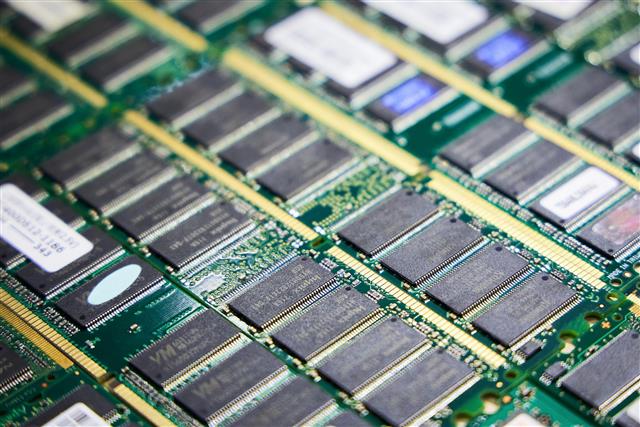
- Memory modules
- Solid state drives
- Displays
- Cooling systems
- Battery assemblies
Large-scale logistics networks then transport finished devices to ports and rail terminals for export.
Infrastructure investments over the past decade have strengthened China’s position as a global hardware assembly powerhouse.
Export Markets and Trade Adjustments
Export activity remains the backbone of laptop manufacturing China. North America and Europe represent mature, high-value markets, while Southeast Asia, Latin America, and parts of Africa show accelerating adoption.
Trade policy developments continue influencing production planning. Tariff frameworks, export control rules, and technology restrictions require careful compliance monitoring. Manufacturers often adjust product configurations and supply routes to maintain regulatory alignment.
Despite geopolitical tensions, international demand for competitively priced laptops assembled in China remains strong. Logistics efficiency and large-scale production capacity allow rapid fulfillment when supply chains operate smoothly.
However, companies are diversifying contingency plans to mitigate risks associated with sudden policy shifts.
Enterprise AI and Performance Computing Growth
Corporate IT departments are deploying AI-driven tools that require advanced hardware capabilities. Machine learning software, data analytics applications, and cybersecurity platforms demand higher memory and processing power.
As a result, laptop manufacturing China is increasingly focused on premium enterprise-grade devices. These units command higher margins but require more sophisticated component sourcing and assembly precision.
Manufacturers are developing modular architectures to allow flexible memory configurations depending on availability. This adaptability helps maintain shipment flow even when certain memory specifications are constrained.
Education markets also contribute to demand, particularly in regions investing in digital classrooms and hybrid instruction models.
Workforce Evolution and Automation Expansion
Automation remains central to competitiveness. Robotics now handle repetitive tasks such as motherboard placement, casing alignment, and testing sequences. Artificial intelligence tools monitor quality metrics in real time.
Yet human expertise remains vital. Engineers oversee calibration, troubleshoot anomalies, and manage complex custom orders.
To sustain laptop manufacturing China competitiveness, vocational programs are expanding technical training pipelines. Local governments are encouraging workforce development initiatives tailored to electronics assembly and precision engineering.
Balancing automation with skilled labor availability is critical for maintaining production efficiency while controlling costs.
Pricing Dynamics and Consumer Impact
Memory cost volatility often influences laptop pricing. When component costs rise sharply, manufacturers must decide whether to absorb increases or adjust retail pricing.
Competitive pressures typically limit dramatic consumer price hikes. However, high-performance systems with large memory configurations may experience modest price adjustments if supply tightens further.
Retailers and distributors are closely watching wholesale trends. Seasonal promotions may be adjusted depending on inventory levels.
For now, analysts describe pricing conditions as stable but sensitive to upstream semiconductor fluctuations.
Semiconductor Strategy and Domestic Innovation
China continues investing heavily in semiconductor research and domestic fabrication capabilities. Expanding chip manufacturing capacity remains a strategic priority.
While full domestic self-sufficiency in advanced memory production remains a long-term objective, incremental progress is visible. Collaborative partnerships between component manufacturers and device assemblers aim to enhance forecasting transparency.
Strengthening upstream semiconductor reliability could reduce vulnerability for laptop manufacturing China over time, although global supply networks will likely remain interconnected.
Investor Sentiment and Financial Market Signals
Financial markets monitor shipment forecasts, component pricing, and quarterly earnings guidance closely. Technology equities often respond quickly to news of supply disruptions.
Analysts generally describe the current environment as cyclical rather than structural. Short-term constraints are viewed as part of broader semiconductor market dynamics.
Investors remain focused on long-term drivers such as AI adoption, hybrid work expansion, and enterprise modernization.
Historic Comparison With Previous Technology Cycles
The current environment invites comparison to earlier periods of semiconductor disruption. During the early 2000s technology correction, overproduction led to dramatic price collapses and industry consolidation. More recently, the pandemic era triggered widespread chip shortages that halted automotive and electronics production worldwide.
Unlike those extremes, today’s situation appears more measured. Supply tightness is concentrated primarily in advanced memory categories rather than across all semiconductor segments. Companies have also improved forecasting tools and inventory management strategies.
The evolution of laptop manufacturing China over the past two decades reflects broader globalization trends. From low-cost assembly lines to high-precision, AI-integrated manufacturing ecosystems, the transformation has been profound. While challenges persist, the structural maturity of the industry provides greater resilience than in earlier cycles.
The Broader Digital Transformation Context
The importance of personal computing devices continues expanding beyond traditional office productivity. Remote collaboration, cybersecurity demands, AI research, and digital commerce all depend on reliable hardware infrastructure.
In this ecosystem, laptop manufacturing China occupies a central role. Devices assembled in Chinese factories support startups, multinational corporations, public institutions, and students worldwide.
Digital transformation initiatives in emerging markets further reinforce demand for affordable, scalable computing solutions.
Environmental and Sustainability Considerations
Sustainability has become increasingly important within electronics manufacturing. Factories are adopting energy-efficient production techniques, reducing waste, and improving recycling processes.
Environmental compliance standards continue tightening, particularly for exported products entering European markets.
Manufacturers are incorporating sustainable packaging, optimizing power consumption, and investing in carbon reduction strategies.
As environmental accountability rises, operational transparency is becoming an essential part of long-term strategy.
Supply Chain Resilience and Risk Management
Lessons learned from prior disruptions have led to stronger contingency planning. Companies now maintain diversified supplier contracts and expanded inventory buffers.
Advanced analytics tools help forecast demand fluctuations more accurately. Regional distribution centers reduce dependence on single shipping corridors.
While no supply chain is immune to shocks, preparation levels in 2026 exceed those of previous decades.
Strategic Outlook for the Remainder of 2026
Industry forecasts suggest moderate shipment growth with potential stabilization in memory supply during the second half of the year. Production flexibility will remain key.
Manufacturers are prioritizing high-margin segments while maintaining core consumer product lines. Innovation in cooling systems, battery efficiency, and AI acceleration continues.
If semiconductor production expands as projected, constraints may ease before year-end.
One Industry Voice
In assessing the current landscape, one senior manufacturing strategist summarized the situation in a single statement:
“The strength of laptop manufacturing China lies not only in scale but in adaptability, and 2026 will prove how resilient that adaptability truly is.”
Beyond Production Metrics A Transformational Era
Beyond shipment figures and quarterly forecasts, the deeper narrative centers on transformation. Artificial intelligence, cybersecurity demands, global digital expansion, and supply chain recalibration are reshaping the global PC industry.
The evolution of laptop manufacturing China represents more than industrial output; it symbolizes integration between global demand and high-efficiency production ecosystems.
As technology accelerates and computing requirements intensify, adaptability will define long-term success. The coming years will likely bring continued innovation, strategic recalibration, and expanded collaboration between semiconductor developers and device manufacturers.
For now, 2026 stands as a defining moment in a sector that powers the modern digital world.