
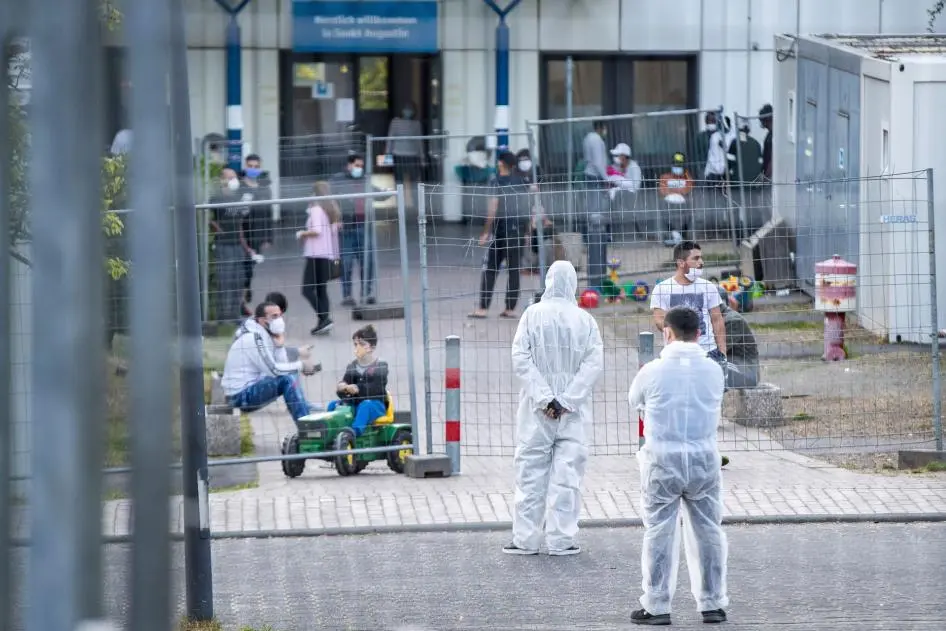
BERLIN, February 16, 2026, According to Parliament News, that In Berlin in 2026, German migration policy has moved to the forefront of national debate as the federal government reassesses border enforcement, asylum processing, and European coordination. Officials say the review of German migration policy reflects ongoing pressures linked to irregular arrivals, regional instability, and domestic political expectations.
The announcement comes as Germany extends certain border control measures for an additional six months. Leaders describe the move as temporary and proportionate, intended to stabilize entry management while long term reforms are debated at both national and EU levels.
Government Announces Policy Reassessment
The Interior Ministry confirmed that a structured review of German migration policy is underway, focusing on border efficiency, asylum timelines, and cooperation with neighboring states. Authorities emphasize that the reassessment is designed to align national procedures with EU frameworks while addressing operational realities on the ground.
Officials have stated that migration management must balance humanitarian obligations with enforcement capacity. The updated German migration policy aims to improve coordination between federal police, asylum offices, and regional governments.
While the extension of checks has drawn attention, policymakers insist the broader objective is administrative modernization rather than permanent restriction.
Border Controls and Legal Framework
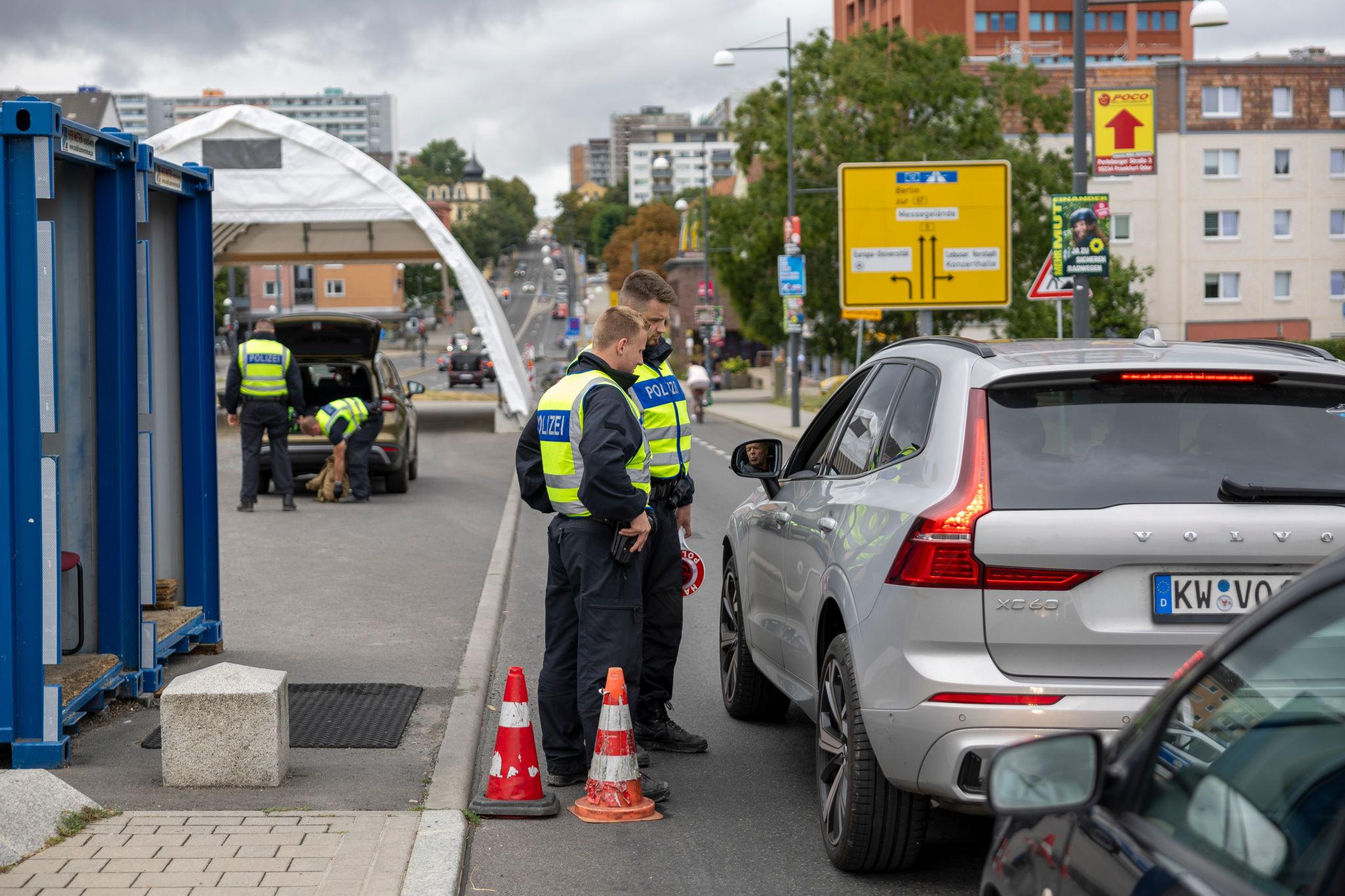
Under the Schengen agreement, member states may temporarily reintroduce border checks in response to exceptional circumstances. German migration policy currently relies on this legal provision to justify extended controls at selected crossings.
Federal police maintain that inspections remain targeted and intelligence based. The government argues that maintaining flexibility within German migration policy is essential given unpredictable migration flows and security assessments.
EU officials have been notified of the extension, and Berlin has pledged periodic review to ensure compliance with European regulations.
Domestic Political Debate
The discussion surrounding German migration policy has intensified within the Bundestag. Supporters of extended measures argue that enforcement strengthens public confidence and deters irregular entry. Critics warn that repeated extensions risk undermining the principles of free movement.
Opposition lawmakers have called for comprehensive EU solutions rather than national measures. Government representatives respond that German migration policy must address immediate realities while longer term negotiations continue in Brussels.
Public opinion remains divided, with many citizens supporting structured enforcement but expressing concern about prolonged administrative strain.
Impact on Asylum Procedures
One of the central components of the reform effort involves streamlining asylum processing. German migration policy includes proposals to reduce backlogs, increase staffing in asylum offices, and enhance digital case management systems.
Officials report that administrative efficiency is crucial to maintaining fairness and transparency. Delays in processing applications have previously drawn criticism from advocacy groups and regional authorities.
The Interior Minister noted during a press briefing,
“We are committed to a migration system that is orderly, lawful, and humane.”
The statement highlights the government’s attempt to frame German migration policy as balanced rather than restrictive.
Economic Considerations and Labor Market Effects
Germany’s labor market dynamics play a significant role in migration discussions. German migration policy must reconcile enforcement objectives with the country’s demand for skilled workers.
Industry groups have emphasized that certain sectors face labor shortages, particularly in healthcare, engineering, and manufacturing. Policymakers have signaled that legal migration pathways may be expanded even as border enforcement remains in place.
Economic analysts suggest that the sustainability of German migration policy depends on maintaining clarity between humanitarian protection, economic migration, and irregular entry prevention.
Coordination With European Partners
Germany’s central role within the European Union places additional weight on migration decisions. German migration policy intersects with EU relocation mechanisms, border agency coordination, and shared asylum standards.
Officials in Berlin have reiterated their support for collective European solutions. Discussions continue regarding burden sharing, funding support for frontline states, and common processing standards.
The evolution of German migration policy will likely influence debates across the bloc, particularly as other member states review their own enforcement frameworks.
Security and Public Order
Authorities emphasize that security assessments are integral to migration management. German migration policy incorporates intelligence cooperation, cross border information exchange, and enhanced screening procedures.
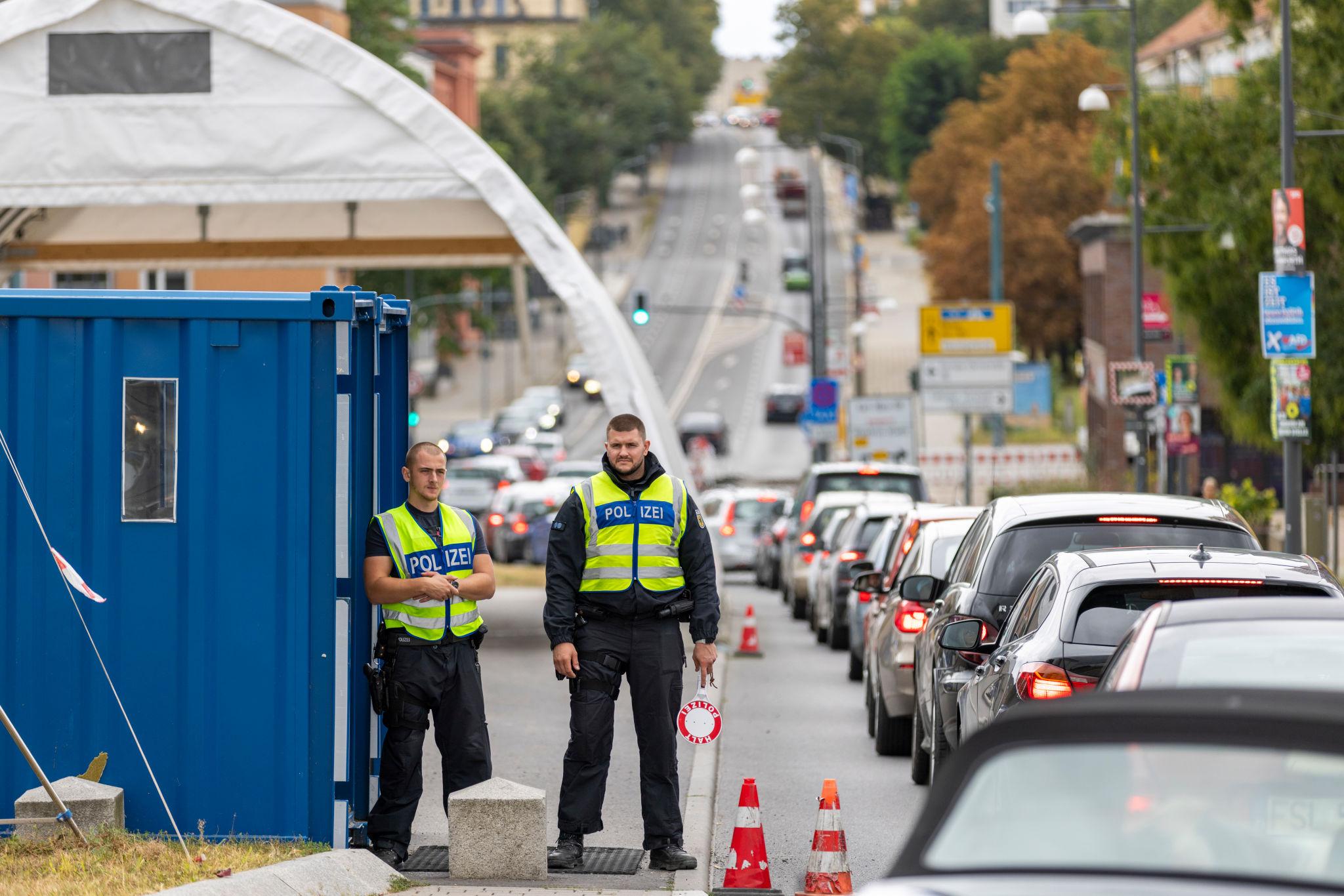
Federal police have increased visibility at selected crossings, though officials stress that inspections are not universal. The aim, according to government representatives, is to disrupt smuggling networks and ensure proper documentation.
Security experts argue that measured enforcement strengthens institutional credibility, provided safeguards for civil liberties remain intact.
Social Integration and Community Impact
Beyond border enforcement, integration remains a cornerstone of national planning. German migration policy includes funding for language training, employment access programs, and municipal support services.
Local governments have requested predictable federal support to manage housing, education, and healthcare needs. Community leaders emphasize that successful integration reduces long term social tension and strengthens economic contribution.
Balancing enforcement with inclusion remains one of the most complex aspects of German migration policy in 2026.
Legal Challenges and Oversight
Civil society organizations are monitoring the extension of controls closely. German migration policy must withstand judicial scrutiny, particularly regarding proportionality and duration.
Legal experts note that courts may examine whether continued checks meet the threshold of exceptional circumstances. Government officials maintain that regular review mechanisms ensure compliance with constitutional and EU standards.
Transparency reports and parliamentary oversight committees are expected to assess the practical outcomes of the current measures.
International Context and Migration Trends
Migration pressures across Europe fluctuate based on geopolitical events, economic disparities, and regional instability. German migration policy operates within this broader international environment.
Recent data indicate variations in arrival patterns compared to previous years, though authorities caution against drawing long term conclusions from short term trends. Berlin continues to engage with transit and origin countries to address root causes.
Diplomatic initiatives complement domestic enforcement under the framework of German migration policy.
Administrative Capacity and Future Planning
Implementing reforms requires significant administrative coordination. German migration policy reform efforts include investment in digital infrastructure, personnel training, and interagency collaboration.
Officials acknowledge that sustainable progress depends on predictable funding and clear communication with the public. Policy adjustments may evolve based on operational feedback and EU level negotiations.
Strategic planning documents released this year emphasize adaptability as a guiding principle.
Looking Ahead in a Changing Europe
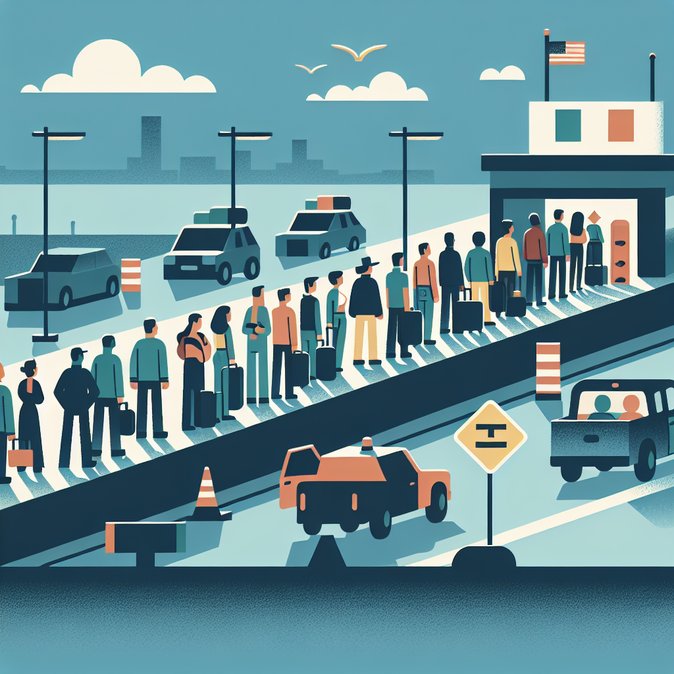
As Berlin navigates the complexities of 2026, German migration policy stands at a crossroads between national sovereignty and European integration. The decisions made this year will shape border governance, asylum administration, and public trust.
Observers note that the long term success of German migration policy will depend on measurable outcomes, reduced administrative backlogs, and stable EU cooperation. While debate continues, the government maintains that reform efforts aim to preserve both security and humanitarian commitments.
A Defining Chapter for Germany’s Migration Governance
The current review represents more than a temporary adjustment. It signals a defining chapter in how Germany manages migration within a dynamic European landscape. German migration policy must reconcile enforcement, economic needs, legal standards, and public confidence.
As policymakers refine proposals and parliamentary debate unfolds, Berlin’s approach will likely influence broader continental discussions. The evolution of German migration policy in 2026 underscores the enduring challenge of balancing openness with order in an interconnected world.