

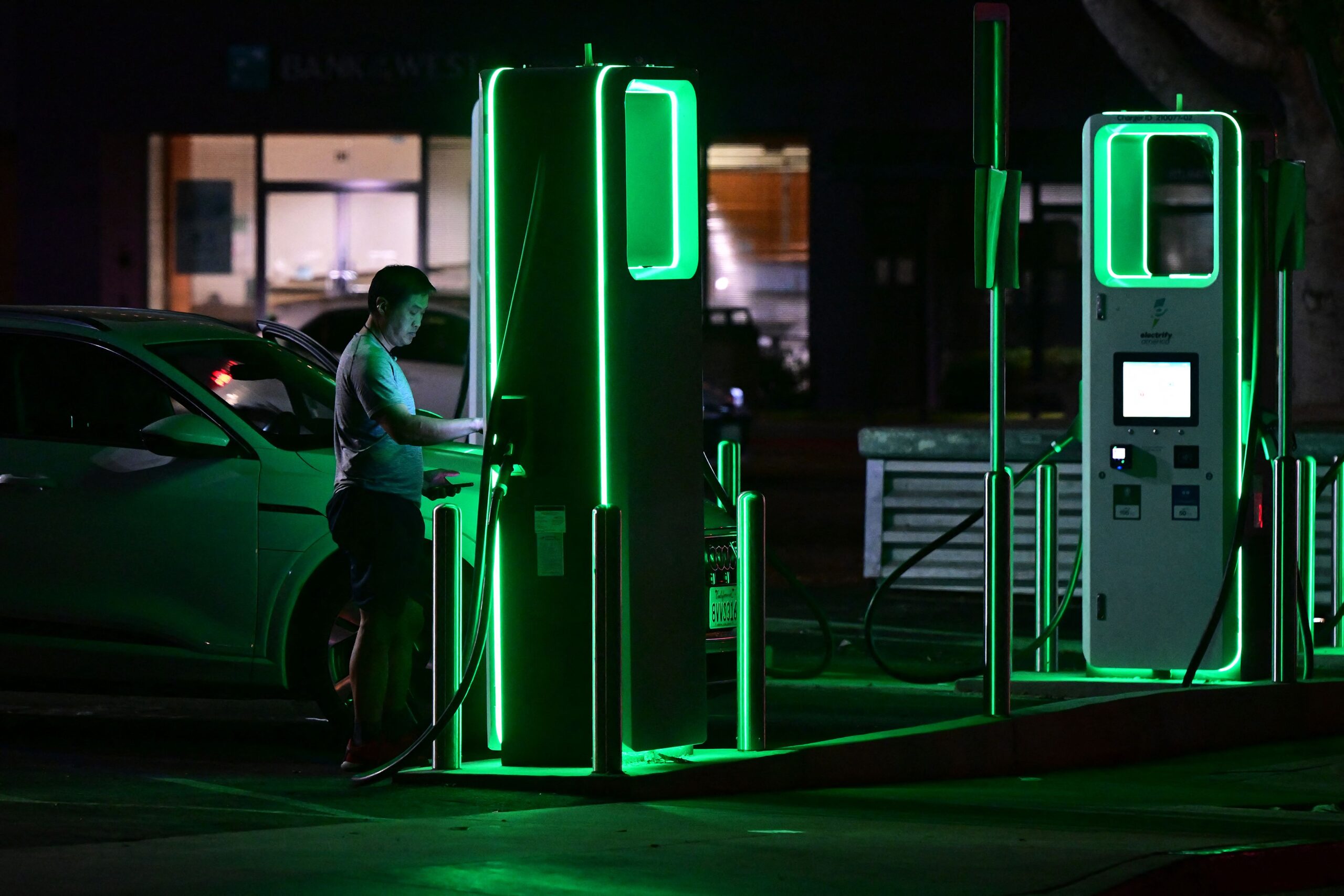
Uber Electric Mobility Expansion gains momentum in San Francisco 2026 with a major push into EV charging and fleet electrification.
The company is investing heavily to strengthen infrastructure and accelerate its clean transportation strategy.
Industry analysts say the move could redefine the future of urban ride sharing and sustainable mobility.
San Francisco, United States – February 18, 2026, According to Parliament News, that Uber electric mobility expansion entered a decisive new chapter in San Francisco in 2026 as the company unveiled an ambitious multi-year investment strategy aimed at strengthening electric infrastructure, scaling zero-emission fleets, and accelerating its long-term sustainability roadmap. Announced at corporate headquarters, the initiative positions Uber at the center of the global transition toward electrified transportation, aligning technology innovation with environmental responsibility.
The announcement reflects more than operational growth. It signals a structural shift in how one of the world’s largest ride-hailing platforms intends to redefine urban transportation economics, energy usage, and infrastructure development in the coming decade.
A Transformational Investment Strategy
Uber electric mobility expansion represents one of the most significant capital commitments in the company’s history focused exclusively on electrification. Executives confirmed that hundreds of millions of dollars will be directed toward charging infrastructure partnerships, fleet electrification incentives, renewable energy integration, and digital optimization tools designed to improve energy efficiency.
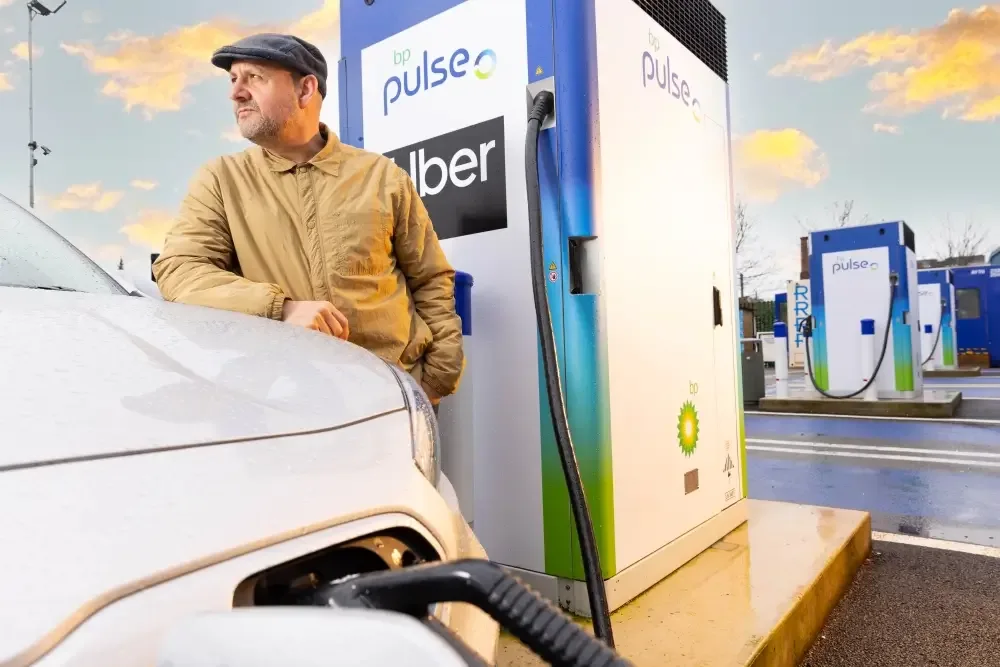
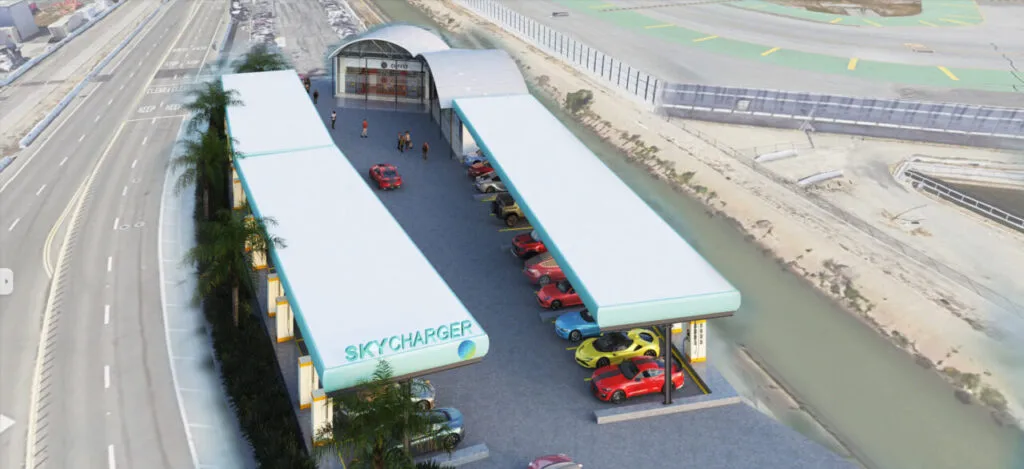
Unlike earlier pilot programs, this phase is structured as a comprehensive rollout across multiple urban markets. The strategy includes high-capacity charging hubs strategically positioned near high-demand corridors, airport zones, and dense downtown districts. These hubs are designed not only for driver convenience but also for operational efficiency, allowing electric vehicles to cycle quickly back into active service.
Industry observers note that infrastructure remains the most critical barrier to electric fleet scaling. By committing substantial resources to charging accessibility, Uber aims to eliminate friction points that previously slowed adoption.
Electrification and the Future of Urban Mobility
Uber electric mobility expansion is unfolding at a moment when cities worldwide are confronting air quality concerns, congestion challenges, and climate obligations. Transportation remains one of the largest contributors to greenhouse gas emissions in urban environments.
Electrification offers a measurable pathway toward emission reduction without sacrificing mobility access. Electric ride-hailing fleets provide high vehicle utilization rates, meaning that each EV placed on the road replaces multiple combustion-engine trips throughout the day.
Urban planners increasingly view ride-hailing electrification as complementary to public transportation networks. Electric fleets can serve first-mile and last-mile transit gaps while maintaining lower environmental impact compared to traditional taxis.
Financial Signals to the Market
Uber electric mobility expansion sends a deliberate message to investors and competitors alike. The company is signaling long-term commitment rather than incremental experimentation. Capital allocation toward infrastructure reflects confidence in electric vehicle dominance over the coming decade.
From a financial perspective, electrification offers both opportunity and risk. Upfront infrastructure investment is substantial, but long-term operational savings from lower fuel and maintenance costs can improve margins. Electricity prices tend to be more stable than fuel markets, offering greater cost predictability.
Market analysts suggest that early infrastructure positioning may deliver strategic leverage as competition intensifies in the electrified mobility space.
Driver Incentives and Adoption Programs
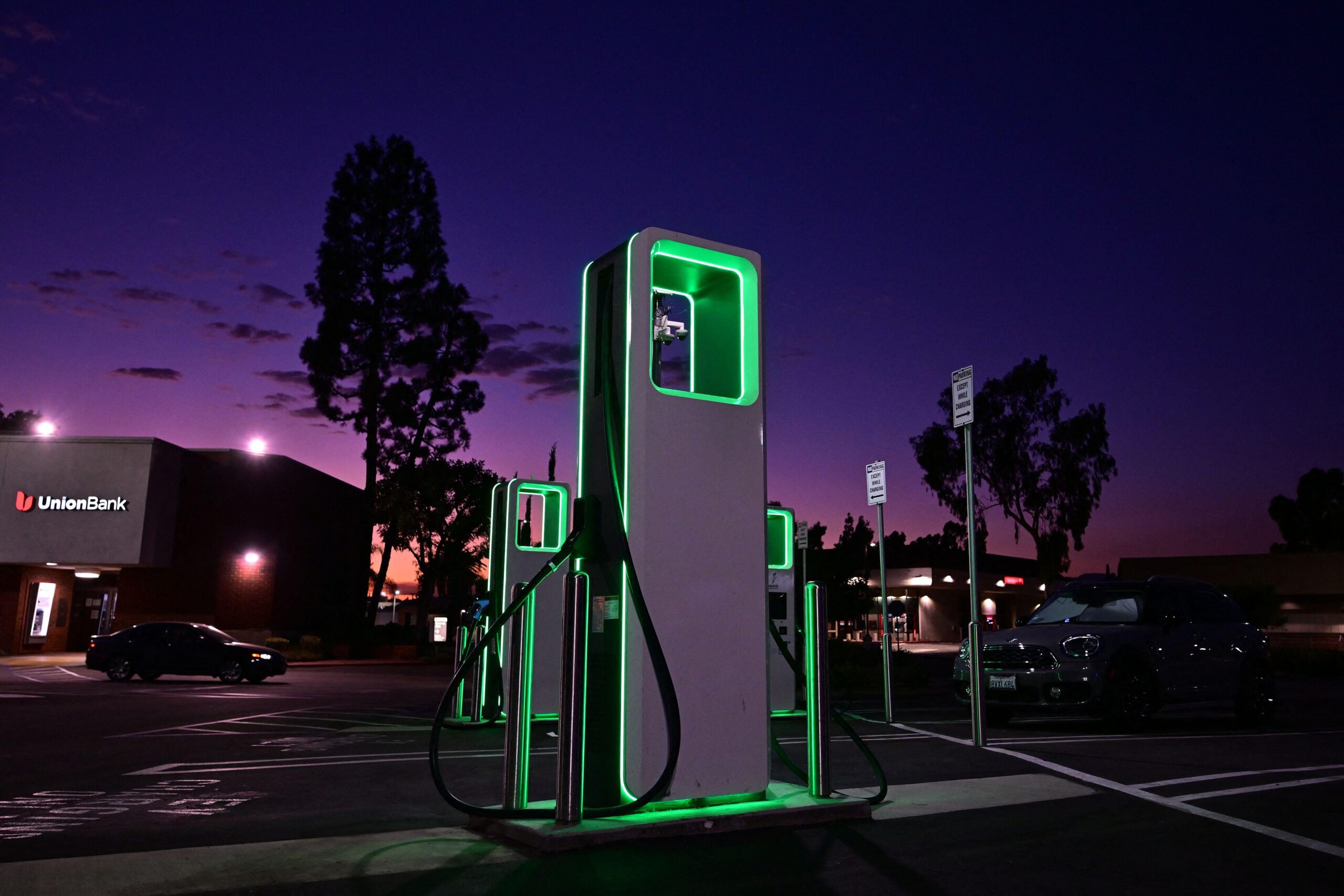
Uber electric mobility expansion depends heavily on driver participation. The company has introduced incentive packages that include financial bonuses for EV adoption, discounted leasing programs, and partnerships with major manufacturers to secure vehicle supply.
Drivers represent the operational backbone of the platform. Transitioning them to electric vehicles requires practical support, not just environmental messaging. Charging access reliability, vehicle affordability, and predictable earnings structures are central components of the rollout.
Education programs are also being introduced to guide drivers through EV maintenance differences, charging optimization techniques, and battery management best practices.
Charging Infrastructure as Competitive Advantage
Uber electric mobility expansion recognizes that charging availability directly influences service reliability. Without adequate infrastructure, electric fleets risk downtime and revenue loss.
The company’s strategy includes collaboration with private charging providers and utility companies. Smart grid integration allows dynamic pricing adjustments, encouraging charging during off-peak energy hours. This reduces grid strain and improves sustainability outcomes.
Ownership stakes or long-term agreements with infrastructure partners may create durable competitive advantages. Control over charging ecosystems can reduce exposure to third-party pricing volatility.
Historic Comparison
Uber electric mobility expansion mirrors earlier transformative shifts in transportation history. In the early 20th century, the widespread adoption of gasoline automobiles required parallel investment in fueling stations and highway infrastructure. Without that complementary infrastructure, automotive expansion would have stalled.
Similarly, the rise of aviation demanded airport construction and air traffic control systems. Infrastructure investment historically determines whether technological innovation scales or stagnates.
Electrification follows the same pattern. Vehicles alone are insufficient. Charging ecosystems form the backbone that enables adoption at meaningful scale. In this context, the company’s infrastructure focus reflects lessons drawn from previous industrial transitions.
Environmental Impact and Climate Commitments
Uber electric mobility expansion aligns with global climate frameworks and municipal emission targets. Many cities have pledged to phase out combustion engines in commercial transport sectors within the next decade.
Electrified ride-hailing fleets contribute to cleaner air, particularly in high-density neighborhoods where vehicle traffic is concentrated. Reduced noise pollution from electric drivetrains also improves urban quality of life.
Sustainability reporting metrics will likely track emission reductions attributable to fleet electrification. Transparent measurement can strengthen credibility with regulators and environmental advocates.
Technology Integration and Data Analytics
Uber electric mobility expansion incorporates advanced software systems designed to optimize fleet performance. Predictive analytics help determine ideal charging times, vehicle deployment patterns, and battery health management.
Artificial intelligence tools analyze trip demand, allowing vehicles to reposition efficiently after charging sessions. Data-driven optimization reduces idle time and enhances driver earnings potential.
Battery monitoring systems can extend vehicle lifespan by preventing overcharging or deep discharge cycles. Technology integration transforms charging hubs into intelligent energy management platforms rather than static refueling points.
Autonomous Synergy and Future Readiness
Uber electric mobility expansion also supports potential autonomous vehicle integration. Electrification and automation are frequently intertwined in future mobility strategies.
Electric vehicles offer mechanical simplicity and lower maintenance variability, making them suitable platforms for autonomous technologies. Building robust charging networks today creates infrastructure readiness for eventual automation scaling.
Industry analysts suggest that combining electrification with autonomy could significantly reduce per-mile operating costs in the long term.
Public and Policy Reaction
Uber electric mobility expansion has drawn positive responses from sustainability advocates and cautious optimism from regulators. Policymakers often encourage private investment that complements public climate initiatives.
A company spokesperson stated,
“Our commitment to electrification is not a trend but a structural shift toward cleaner and smarter mobility.”
Public sentiment increasingly favors environmentally responsible brands. Visible charging infrastructure and measurable emission reductions reinforce trust among riders.
Economic Ripple Effects Across Industries
Uber electric mobility expansion generates ripple effects across manufacturing, construction, and renewable energy sectors. Charging hub development creates construction jobs and stimulates demand for electrical equipment.
Battery suppliers, software developers, and grid management firms may benefit from expanded infrastructure requirements. Public-private partnerships can accelerate deployment timelines.
At the same time, fossil fuel demand patterns may gradually shift as electrification increases across commercial fleets.
Implementation Challenges
Uber electric mobility expansion faces logistical and financial challenges. Securing permits for urban charging hubs can be time consuming. Electrical grid capacity upgrades may be necessary in certain areas.
Vehicle supply chain constraints, including battery material availability, can influence rollout speed. Coordinating expansion across international markets introduces regulatory complexity.
However, early commitment positions the company to navigate these obstacles proactively rather than reactively.
Global Expansion Strategy
Uber electric mobility expansion extends beyond North America. European and Asian cities with aggressive emission targets represent priority markets.
Regional strategies vary depending on grid capacity, government incentives, and urban density. In some markets, partnerships with public transit agencies may enhance integration.
Localization ensures that electrification efforts reflect regional policy frameworks and energy infrastructure readiness.
Social Implications and Workforce Transition
Uber electric mobility expansion intersects with workforce considerations. Electrification alters vehicle maintenance requirements and operating costs for drivers.
Training programs can prepare drivers for EV maintenance differences and charging management practices. Workforce transition planning remains essential to ensure equitable adaptation.
While electrification may reduce fuel expenses, drivers must adjust to new operational routines centered around charging cycles.
Long Term Vision for Sustainable Transport
Uber electric mobility expansion illustrates how mobility companies are redefining corporate identity. Sustainability now functions as both operational necessity and strategic differentiator.
Electrification supports long term resilience against regulatory tightening and fossil fuel volatility. Infrastructure investment creates structural foundations for decades of service.
The transition reflects broader economic transformation toward renewable energy integration and digital optimization.
A Decade That Could Redefine Mobility
Uber electric mobility expansion may ultimately be remembered as a pivotal milestone in urban transportation history. Infrastructure decisions made today will shape operational possibilities for years to come.
The convergence of electrification, data analytics, and smart grid technology signals an era where transportation integrates seamlessly with energy systems.
As cities evolve and environmental expectations rise, the success of electrification initiatives will influence corporate competitiveness and public perception alike.
Uber electric mobility expansion underscores a fundamental shift in how mobility companies approach growth. The path forward demands sustained investment, technological precision, and collaborative governance.
In San Francisco in 2026, the announcement served as both a strategic declaration and a signal to global markets that the electrified future of ride-hailing is accelerating.