Pharma exports India are accelerating in 2026 as global demand for medicines strengthens across key international markets.
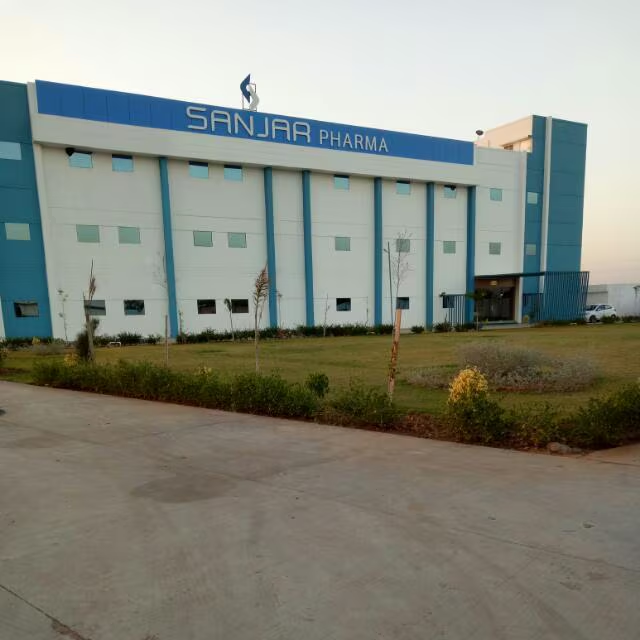
Hyderabad manufacturers are expanding capacity, hiring talent, and boosting export volumes to meet rising overseas orders.
Industry experts say the growth signals a new phase of global leadership for India pharmaceutical sector.
Hyderabad, India, February 20, 2026 — According to Parliament News, that Pharma exports India are entering a powerful expansion phase in 2026, with Hyderabad at the center of a rapidly evolving global pharmaceutical supply network. Industry data and company disclosures indicate rising overseas orders, expanded manufacturing capacity, and growing employment across research, development, and compliance divisions. As global healthcare systems rebuild supply chains and prioritize diversified sourcing, pharma exports India are strengthening across generics, specialty formulations, and contract development services.
The renewed momentum reflects structural changes in the international healthcare economy. Pharmaceutical companies in North America and Europe are reassessing long term sourcing strategies, while emerging markets in Africa, Southeast Asia, and Latin America are increasing medicine imports to meet rising public health needs. Within this environment, pharma exports India are benefiting from cost competitiveness, scientific talent, and an increasingly robust regulatory framework.
Global Demand Reshapes the Pharmaceutical Landscape
Healthcare demand in 2026 is shaped by demographic realities. Aging populations in developed economies require sustained access to cardiovascular, oncology, and metabolic treatments. At the same time, developing countries are expanding insurance coverage and public health initiatives. This convergence has created durable demand for affordable, high quality medicines.
Pharma exports India have responded to this shift by scaling both production and innovation. Manufacturers are expanding facilities to meet growing contract volumes. Export oriented production lines are operating at higher capacity utilization rates compared to pre pandemic levels. Analysts note that pharma exports India are no longer confined to high volume generic tablets and capsules; the sector is moving steadily into complex injectables, biosimilars, and active pharmaceutical ingredients with advanced synthesis requirements.
The diversification of product portfolios is reshaping the export profile of Indian companies. Advanced formulations now represent a growing share of shipments, reflecting a transition toward higher value segments.
Hyderabad Anchors the Expansion
Hyderabad continues to solidify its reputation as a pharmaceutical and biotechnology powerhouse. Industrial corridors surrounding the city host manufacturing clusters, research institutions, and export focused logistics infrastructure. The local ecosystem integrates suppliers, contract research organizations, packaging units, and regulatory consultants into a coordinated network.
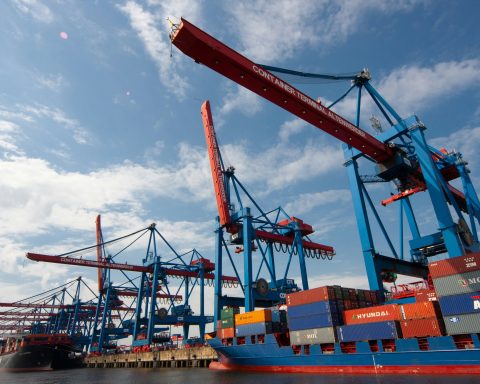
In 2026, pharma exports India are closely linked to the operational strength of Hyderabad based manufacturers. The region’s infrastructure enables rapid movement of finished goods from production facilities to ports and airports. Improved customs clearance procedures and digitized documentation systems have further streamlined export workflows.
Executives within the sector highlight that Hyderabad’s talent pool is a decisive advantage. Universities and technical institutes produce thousands of science graduates annually. This steady pipeline of skilled professionals supports research expansion and quality assurance standards that international clients demand.
Manufacturing Capacity and Workforce Growth
The surge in global orders has prompted companies to increase hiring across multiple functions. Recruitment efforts span laboratory research, quality control, regulatory affairs, engineering, and supply chain management. Workforce expansion reflects confidence that export growth will persist beyond short term market cycles.
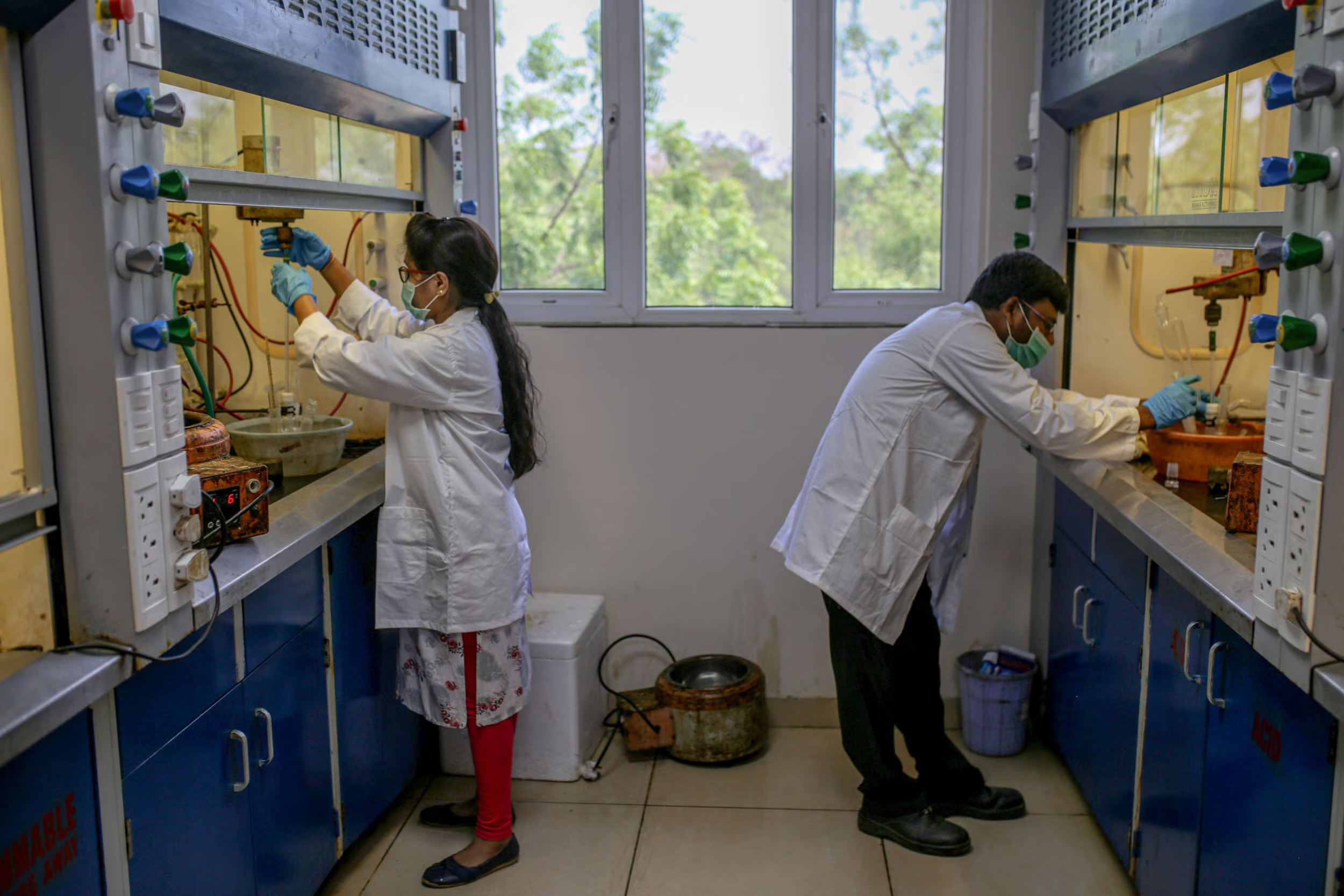
Pharma exports India depend on consistent compliance with international standards. As regulatory expectations evolve, companies are strengthening documentation processes, upgrading equipment, and investing in employee training. Digital compliance systems now track production metrics in real time, ensuring traceability and minimizing error rates.
Industry leaders indicate that export driven manufacturing requires precision at every stage, from raw material sourcing to packaging and distribution. By expanding capacity and staff expertise, companies aim to secure long term partnerships with multinational pharmaceutical firms.
Diversification of Global Markets
Export data reveal a broadening geographic footprint. While the United States remains a major destination, European Union countries, Africa, Latin America, and Southeast Asia are gaining prominence. Trade agreements and bilateral health partnerships are supporting this diversification.
Pharma exports India are increasingly aligned with global health programs that prioritize affordable treatment access. Indian manufacturers supply vaccines, antibiotics, and essential medicines to developing regions where domestic production capacity remains limited.
Market diversification reduces vulnerability to regulatory changes in any single jurisdiction. By cultivating relationships across continents, exporters enhance stability and revenue predictability.
Regulatory Strength and Quality Assurance
International credibility remains central to export expansion. Facilities undergo inspections by foreign regulatory agencies to verify adherence to Good Manufacturing Practices. Companies have invested heavily in compliance systems to meet stringent requirements.
Pharma exports India have advanced because of consistent improvements in quality assurance, pharmacovigilance, and digital documentation. Advanced laboratory analytics and automation reduce variability and enhance reproducibility. Such reliability strengthens confidence among overseas buyers.
Export growth also depends on transparent supply chains. Manufacturers are implementing blockchain enabled tracking and digital batch records to ensure accountability from production to shipment.
Innovation and Research Investment
Innovation underpins long term competitiveness. Research centers are focusing on process development, complex chemistry, and advanced drug delivery mechanisms. Collaboration with global biotech firms has accelerated technology transfer and commercialization.
Pharma exports India are increasingly composed of products that require specialized technical knowledge. Complex generics, sterile injectables, and biosimilar candidates command higher margins and require deeper regulatory expertise. Investment in research infrastructure enables Indian companies to compete in these premium categories.
Government initiatives encouraging pharmaceutical innovation have complemented private sector spending. Incentives for bulk drug parks and production linked schemes further support export readiness.
Economic Significance and Employment Impact
The pharmaceutical sector contributes substantially to India foreign exchange earnings. Export revenues support national economic growth and stabilize trade balances. Employment expansion generates ripple effects across related industries including packaging, logistics, and chemical suppliers.
Pharma exports India strengthen India strategic influence in global healthcare. By supplying essential medicines to multiple regions, the country reinforces diplomatic ties and public health cooperation.
Economic analysts emphasize that sustained export growth requires continued investment in infrastructure and skill development. Workforce training programs are expanding to ensure alignment with international standards.
Historic Comparison
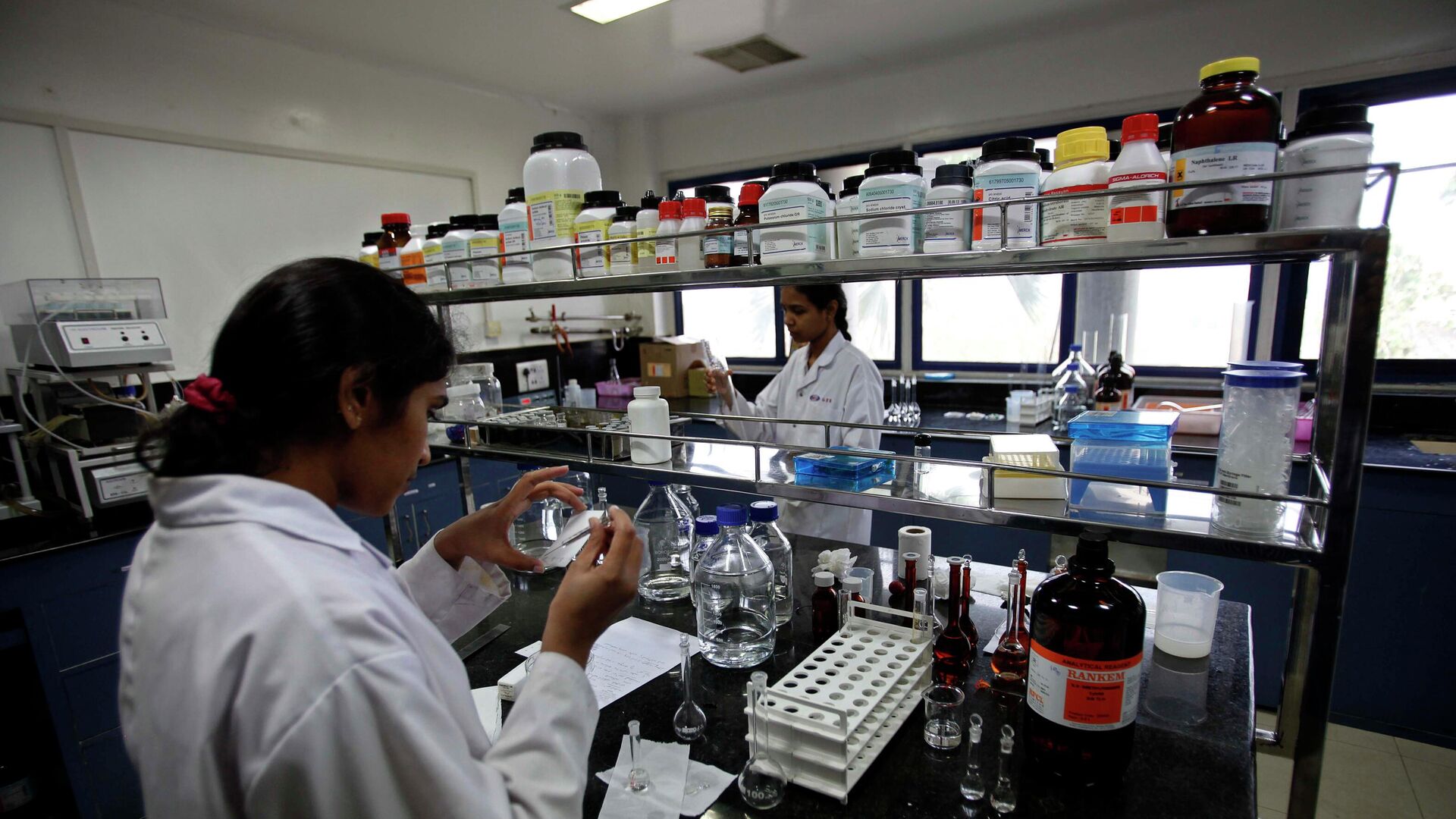
The trajectory of pharma exports India in 2026 stands in marked contrast to the early 2000s, when the industry primarily focused on low cost generic production for limited markets. Two decades ago, export volumes were rising but technological sophistication was comparatively modest. Facilities were expanding, yet regulatory scrutiny from international agencies posed significant adaptation challenges.
Over time, manufacturers invested in compliance, research capability, and quality systems. By the 2010s, India emerged as a dominant supplier of generic medicines worldwide. However, product portfolios remained concentrated in conventional formulations.
In 2026, pharma exports India reflect a mature industry capable of competing in complex segments. The transition from volume driven generics to value driven specialty products represents a structural evolution. Advanced laboratories, global certifications, and diversified markets highlight the depth achieved over the past two decades.
This historic comparison underscores how sustained reinvestment transformed the sector from a cost advantage player into a comprehensive pharmaceutical partner.
Supply Chain Resilience in a Fragmented World
Global disruptions in recent years have reshaped procurement strategies. Multinational firms now prioritize diversified sourcing to avoid concentration risks. India has benefited from this strategic recalibration.
Pharma exports India gained traction as companies sought reliable alternatives in active pharmaceutical ingredients and finished formulations. Integrated supply chains within India allow coordination between raw material suppliers and finished product manufacturers.
Resilience is reinforced by improved logistics infrastructure. Port modernization and digital customs systems reduce delays and enhance transparency.
Digital Transformation and Smart Manufacturing
Technology adoption is accelerating across pharmaceutical plants. Automation systems monitor temperature controls, production cycles, and packaging integrity. Data analytics optimize batch yields and identify deviations in real time.
Pharma exports India are increasingly supported by smart manufacturing initiatives that enhance efficiency and consistency. Digital transformation not only lowers operational costs but also strengthens regulatory compliance.
Industry leaders argue that continued investment in automation will determine long term competitiveness in global markets.
Financial Stability and Investment Flows
Capital investment in pharmaceutical infrastructure has increased significantly. Domestic and international investors view the sector as a stable long term growth opportunity. Expansion of manufacturing units, research labs, and export logistics hubs reflects sustained confidence.
Pharma exports India benefit from supportive financial ecosystems including development finance institutions and private equity participation. Access to capital enables rapid scaling of capacity to meet new contracts.
Financial analysts observe that export visibility enhances valuation metrics for publicly listed pharmaceutical firms.
Strategic Outlook for the Next Decade
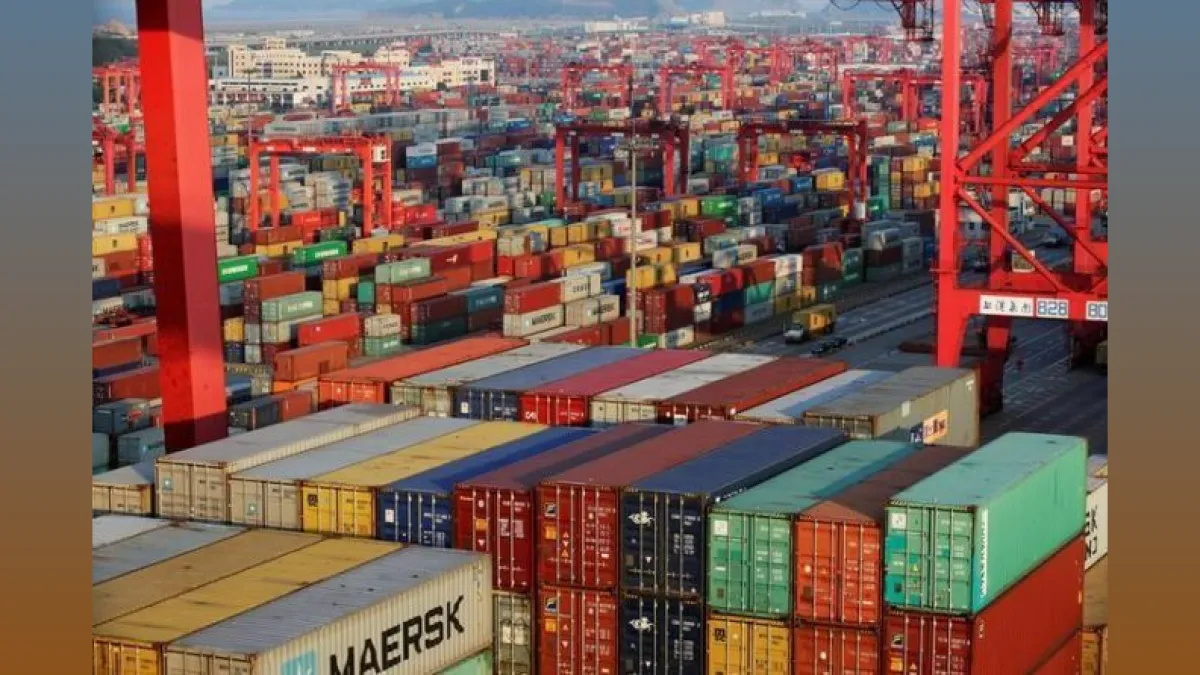
Looking ahead, industry forecasts remain positive. Rising healthcare demand, innovation in biologics, and increased government health spending worldwide will continue shaping export trajectories.
Pharma exports India are positioned to expand further as companies deepen expertise in specialized therapeutic categories. Ongoing collaboration with global pharmaceutical giants is expected to strengthen research alliances and manufacturing integration.
A senior executive summarized the outlook by stating,
“The next phase of growth will depend on innovation, regulatory excellence, and our ability to deliver consistently to global partners.”
The comment reflects cautious optimism grounded in operational confidence.
A Defining Moment for Global Healthcare Leadership
The acceleration of pharma exports India in 2026 represents more than a cyclical upswing. It signals structural maturity, technological advancement, and strategic positioning within the global healthcare economy.
Hyderabad’s expanding industrial ecosystem illustrates how regional specialization can drive national export performance. Investments in workforce development, digital systems, and regulatory compliance have strengthened India global standing.
As healthcare needs evolve, pharma exports India are expected to remain a cornerstone of accessible medicine worldwide. The combination of scientific depth, manufacturing scale, and diversified markets positions the country for sustained leadership in pharmaceutical trade through the coming decade.