

Tesla EV Market Expansion is accelerating across global markets as new factories and charging networks boost production capacity.
Industry analysts say localized manufacturing is reshaping supply chains and increasing competitiveness.
Investors and policymakers are closely watching how electric mobility growth impacts the broader economy in 2026.
Austin, United States, February 20, 2026, According to Parliament News, that The global automotive industry is undergoing one of the most significant transformations in its history, and at the center of that shift stands Tesla EV Market Expansion. What began as a bold experiment in premium electric vehicles has evolved into a multi-continent manufacturing and distribution network reshaping supply chains, consumer behavior, and government policy. Investors, regulators, and competitors alike are closely monitoring how the company’s international strategy continues to redefine the electric vehicle landscape.
The scale of Tesla EV Market Expansion has moved beyond incremental growth. It now represents a structural change in how electric vehicles are designed, produced, financed, and delivered worldwide. From North America to Asia and Europe, the company’s footprint has become a symbol of technological ambition and industrial reinvention.
Tesla EV Market Expansion Accelerates Across Continents
Over the past decade, Tesla, Inc. has transitioned from a niche disruptor into one of the most influential manufacturers in the global auto sector. This acceleration phase of Tesla EV Market Expansion is defined by three primary pillars: localized manufacturing, aggressive infrastructure development, and continuous product innovation.
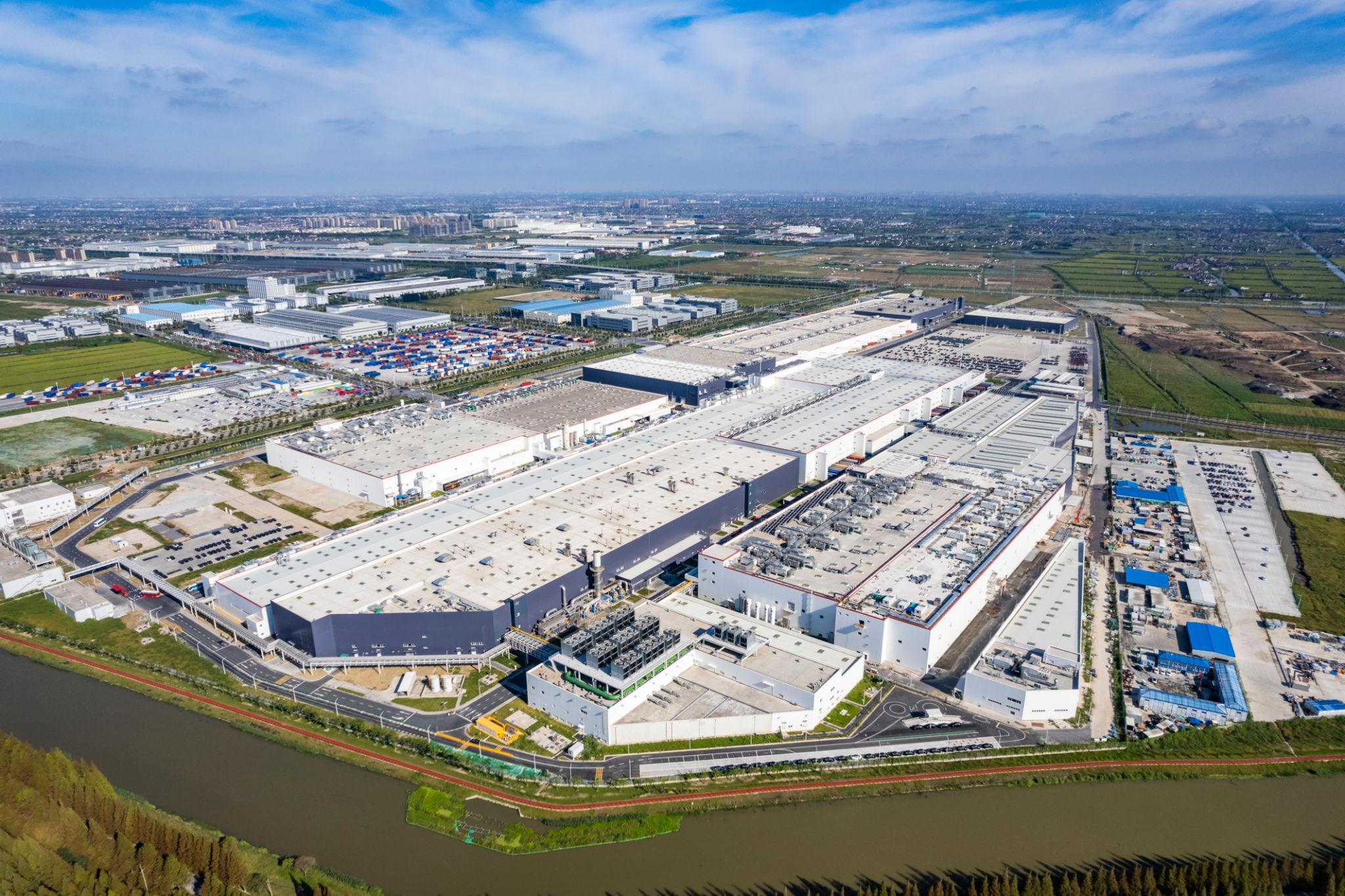
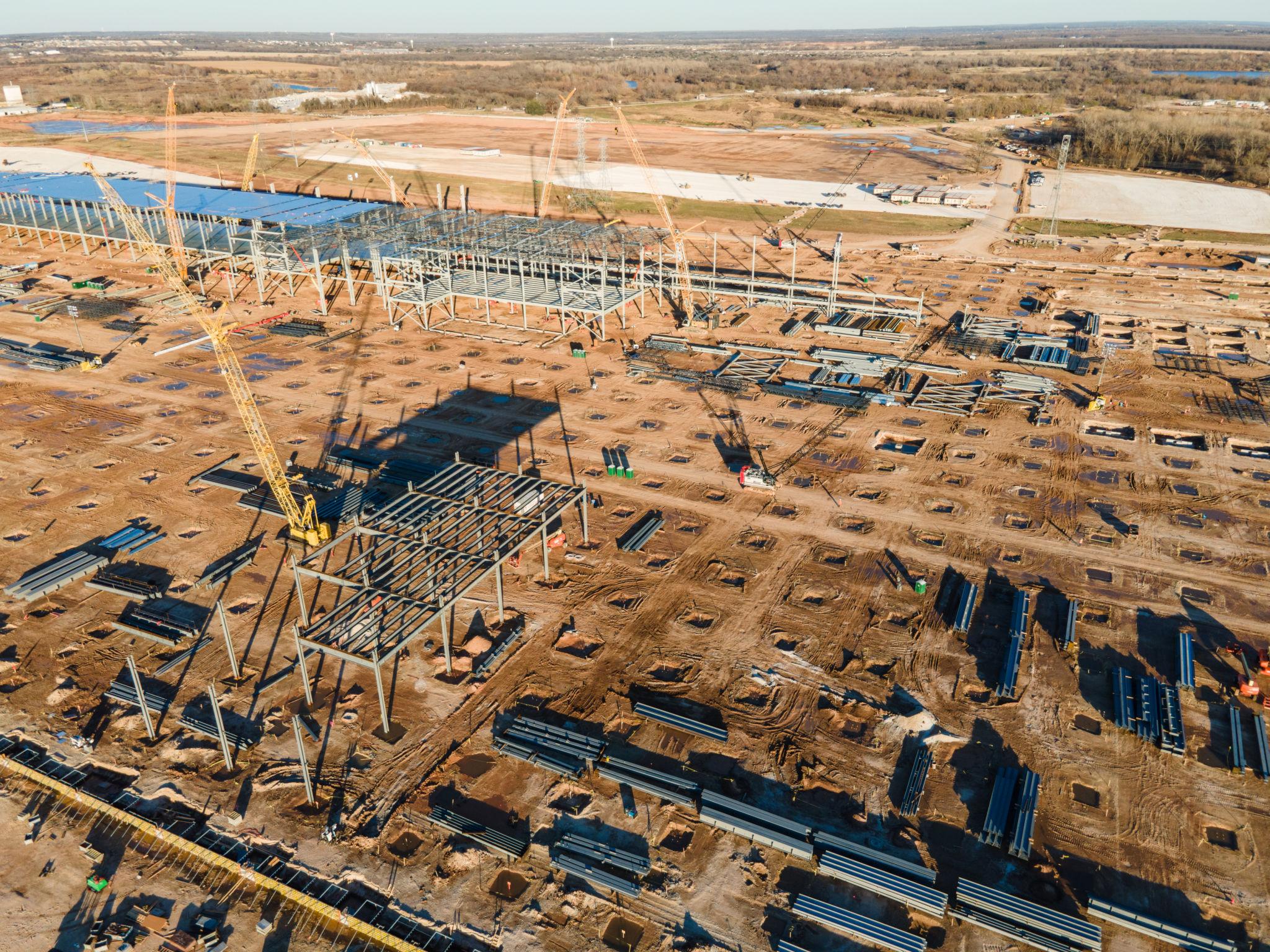
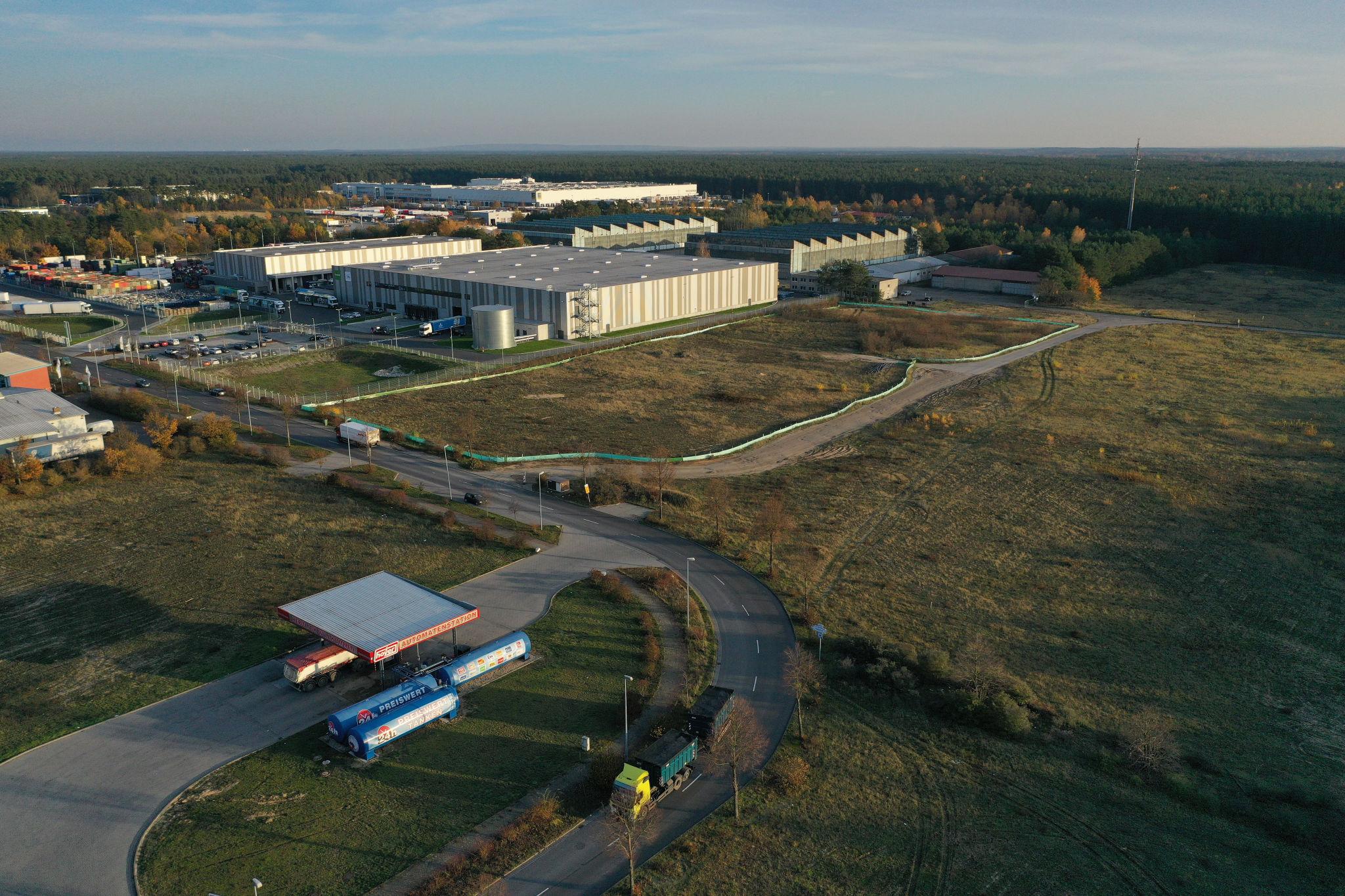
Gigafactories have become the backbone of this strategy. Facilities in Shanghai, Berlin, and Austin enable regional production that reduces shipping costs, mitigates tariff risks, and speeds up delivery times. These sites also serve as innovation hubs, experimenting with advanced battery chemistries, automated production lines, and new vehicle architectures.
By embedding production within major consumer markets, Tesla EV Market Expansion has moved from export-reliant growth to a regionally optimized supply strategy. This not only lowers costs but also strengthens political and economic ties in host countries.
Manufacturing Scale and Vertical Integration
One of the most defining aspects of Tesla EV Market Expansion is its emphasis on vertical integration. Unlike traditional automakers that depend heavily on third-party suppliers, Tesla designs and manufactures many of its critical components in-house, including battery packs, drive units, and software systems.
This integrated approach reduces dependency risks and allows for faster design updates. It also positions the company to adapt quickly to commodity price fluctuations, especially in lithium, nickel, and cobalt markets. As electric vehicles become more mainstream, supply chain resilience has emerged as a decisive competitive advantage.
The expansion strategy has also encouraged partnerships with mining operations and raw material processors, ensuring long-term access to battery-grade minerals. Such moves underscore that Tesla EV Market Expansion is not limited to car sales—it extends deep into the upstream energy ecosystem.
Asia as a Strategic Growth Engine
Asia represents one of the most dynamic chapters in Tesla EV Market Expansion. The Shanghai Gigafactory became a blueprint for rapid scaling, achieving high production volumes within a remarkably short timeframe. It also demonstrated the viability of building strong partnerships within regulatory environments that differ significantly from Western markets.
China’s rapidly growing EV adoption rates have made it both a proving ground and a competitive arena. Domestic manufacturers have expanded aggressively, yet Tesla’s presence continues to influence pricing strategies and technological benchmarks across the region.
Beyond China, Southeast Asia and emerging markets are increasingly viewed as future demand centers. As urbanization accelerates and environmental policies tighten, Tesla EV Market Expansion may find new growth corridors in densely populated metropolitan regions seeking cleaner mobility solutions.

Europe’s Regulatory Push and Consumer Demand
Europe has emerged as another cornerstone of Tesla EV Market Expansion. Stricter emissions regulations and ambitious carbon neutrality targets have accelerated consumer transitions to electric vehicles. The Berlin facility was strategically designed to meet this demand while reducing logistical dependencies on overseas shipments.
European buyers have shown strong interest in compact and crossover electric models, reinforcing the importance of localized production. Additionally, government incentives across several EU member states have amplified adoption rates.
As policymakers continue to tighten internal combustion engine regulations, Tesla EV Market Expansion in Europe appears aligned with long-term structural trends favoring electrification.
Charging Infrastructure and Energy Ecosystems
A crucial element often overlooked in Tesla EV Market Expansion is infrastructure. The company’s Supercharger network has become one of the largest and most reliable fast-charging systems globally. By investing early in charging accessibility, Tesla addressed range anxietya key barrier to EV adoption.
Infrastructure growth complements vehicle sales. Expanding charging stations in urban centers and along highways not only supports current drivers but also signals long-term confidence in electric mobility.
Beyond vehicles, Tesla’s energy storage products integrate homes and businesses into a broader renewable energy framework. This ecosystem approach strengthens Tesla EV Market Expansion by linking transportation electrification with distributed energy storage solutions.
Competition Intensifies in a Crowded Market
As electric vehicle adoption accelerates, nearly every major automaker has launched or announced significant EV initiatives. This competitive wave places pressure on pricing, battery sourcing, and innovation cycles.
Still, Tesla EV Market Expansion benefits from first-mover advantages, strong brand recognition, and software-driven differentiation. Over-the-air updates and autonomous driving research remain areas where the company maintains visibility and influence.
Industry analysts frequently debate whether legacy manufacturers can match Tesla’s production efficiency and software integration at scale. Regardless of the outcome, the competitive environment ensures that electric mobility continues evolving rapidly.
Financial Impact and Investor Confidence
Capital markets have played a pivotal role in funding Tesla EV Market Expansion. Strong equity valuations have enabled the company to raise capital efficiently, supporting factory construction, research investments, and global logistics improvements.
Revenue diversification across regions has also reduced reliance on any single market. As production increases, economies of scale may further improve margins, though commodity volatility remains a variable factor.
In many respects, the financial narrative surrounding Tesla EV Market Expansion reflects broader investor optimism about electrification trends and renewable energy integration.
Policy Incentives and Regulatory Alignment
Government policy continues to shape the trajectory of Tesla EV Market Expansion. Incentives, tax credits, and infrastructure grants accelerate consumer adoption while encouraging domestic manufacturing investments.
In the United States, federal and state programs have provided credits for electric vehicle purchases and battery production facilities. Similar mechanisms across Europe and Asia reinforce electrification targets.
While incentives vary by region, the overall regulatory direction favors low-emission transport, aligning policy frameworks with the strategic aims of Tesla EV Market Expansion.
Historic Comparison
To understand the magnitude of today’s changes, it is helpful to draw a historic comparison with earlier industrial revolutions. The shift from horse-drawn carriages to gasoline-powered vehicles in the early twentieth century redefined urban planning, manufacturing methods, and global trade flows. Similarly, the post-World War II expansion of automotive production reshaped suburban development and consumer culture.
What distinguishes Tesla EV Market Expansion from these earlier transitions is the integration of digital software, renewable energy, and globalized supply chains. Whereas previous revolutions centered primarily on mechanical engineering, today’s transformation combines artificial intelligence, battery chemistry, and networked infrastructure into a unified mobility system.
U.S. Market Dynamics and Consumer Trends
In the United States, rising fuel costs, environmental awareness, and technological appeal have contributed to growing electric vehicle adoption. Tesla EV Market Expansion within the domestic market has been reinforced by expanded manufacturing capacity and a robust charging network.
Urban centers and suburban communities alike are seeing increased EV registrations. Corporate fleet transitions and ride-sharing electrification further amplify demand.
The domestic strategy also includes scaling battery production and advancing autonomous driving technologies, reinforcing the long-term vision tied to Tesla EV Market Expansion.
Emerging Markets and Long-Term Potential
Beyond established markets, developing economies represent a frontier for Tesla EV Market Expansion. Rapid urban growth, improving income levels, and expanding renewable energy infrastructure create conditions conducive to electric mobility.
However, affordability remains a barrier in many regions. Addressing this challenge may require localized production, smaller vehicle formats, or financing innovations.
As infrastructure improves and battery costs decline, Tesla EV Market Expansion could gradually penetrate markets once considered inaccessible to premium electric brands.
Risks and Strategic Challenges
Despite momentum, Tesla EV Market Expansion faces multiple risks. Supply chain disruptions, geopolitical tensions, and commodity price volatility can influence production timelines and profitability.
Additionally, regulatory shifts or changes in consumer incentives may impact demand patterns. Intensifying competition also pressures margins and innovation cycles.
Still, strategic adaptability and operational agility remain defining characteristics of Tesla EV Market Expansion, positioning it to navigate evolving global conditions.
Innovation, Autonomy, and the Road Ahead
Innovation remains central to Tesla EV Market Expansion. Research into battery density improvements, autonomous navigation, and energy storage scalability continues shaping long-term growth strategies.
In a recent industry forum, one executive remarked in a single, defining statement:
“The future of mobility will belong to companies that integrate energy, intelligence, and manufacturing into one seamless system.”
That vision encapsulates the broader ambition behind Tesla EV Market Expansion and its aspiration to transcend traditional automotive boundaries.
Artificial intelligence, vehicle-to-grid integration, and next-generation battery chemistries may further extend the reach of Tesla EV Market Expansion beyond transportation alone.
A Structural Shift in Global Mobility
The global automotive industry stands at a turning point defined by electrification, digitalization, and sustainability. Tesla EV Market Expansion represents not merely corporate growth, but a structural transformation in how vehicles are conceived and integrated into energy systems worldwide.
From gigafactories and supply chain integration to charging networks and policy alignment, the strategic depth of Tesla EV Market Expansion illustrates how a single company’s trajectory can influence an entire sector. As governments pursue carbon neutrality goals and consumers embrace cleaner technologies, the expansion of electric mobility appears less like a trend and more like an enduring industrial evolution.
Whether competitors close the gap or reshape the competitive landscape entirely, the influence of Tesla EV Market Expansion will likely remain a defining feature of the global transportation narrative for years to