

Takeshima islands tension escalates in 2026 after a Japanese sovereignty ceremony draws sharp protests from Seoul.
South Korea reaffirms control over the disputed islets as Tokyo maintains its legal claim.
The renewed diplomatic strain raises concerns about regional stability in Northeast Asia.
Seoul, South Korea, February 22, 2026, According to Parliament News, that The Takeshima islands tension has surged again after a sovereignty related ceremony in Japan reignited a longstanding territorial dispute between Seoul and Tokyo. The small cluster of rocky islets known as Dokdo in South Korea and Takeshima in Japan has become the focal point of renewed diplomatic friction, prompting formal protests and sharp political rhetoric.
Officials in Seoul moved quickly to condemn the event, summoning Japanese diplomats and reiterating that the islands remain under South Korean administration. Tokyo, meanwhile, defended the ceremony as consistent with its legal claim. The latest escalation of Takeshima islands tension unfolds at a moment when both nations face mounting regional security challenges and economic uncertainties.
Geography and Strategic Importance of the Islets
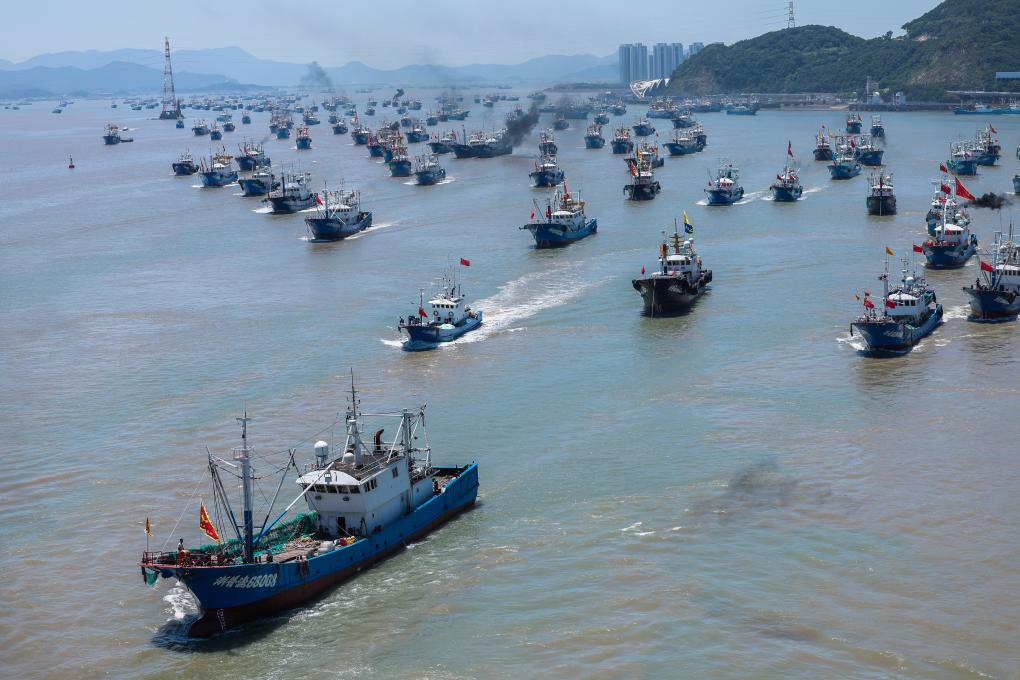
The disputed islands lie roughly midway between the Korean Peninsula and Japan’s western coastline. Though small and largely uninhabited, they command surrounding maritime zones that carry economic and strategic weight. Fishing grounds in nearby waters support coastal communities, while exclusive economic zones influence resource rights and naval positioning.
Because maritime boundaries in Northeast Asia are tightly interwoven, even limited territory can carry outsized implications. The Takeshima islands tension therefore extends beyond symbolism. Control affects fishing rights, seabed exploration prospects, and broader maritime jurisdiction.
In an era of increasing competition for marine resources, territorial clarity has become more valuable than ever. The dispute reflects not only history but also future strategic calculations.
Historical Roots of the Dispute
The origins of the dispute stretch back to the early twentieth century when Japan formally incorporated the islands during its imperial expansion. Following World War Two and the liberation of Korea from colonial rule, sovereignty questions remained unresolved in several maritime areas.
South Korea established effective control over the islands in the 1950s, maintaining a small police presence and infrastructure. Japan has consistently protested this control, asserting its own historical documentation and legal arguments. The unresolved disagreement has since crystallized into a recurring diplomatic flashpoint.
Each time symbolic actions occur, the Takeshima islands tension resurfaces. Ceremonies, government publications, and educational materials often serve as catalysts for renewed controversy.
The 2026 Ceremony and Immediate Fallout
The latest escalation followed a public ceremony in Japan’s Shimane Prefecture marking what Tokyo refers to as Takeshima Day. Japanese officials framed the event as a reaffirmation of sovereignty grounded in legal interpretation.
Seoul interpreted the move differently. South Korea’s Foreign Ministry lodged a formal protest, stating that any attempt to assert ownership undermines established administration and regional stability. The Takeshima islands tension quickly dominated headlines across both countries.
Political leaders in Seoul emphasized that the territory remains an integral part of South Korean land and maritime jurisdiction. Tokyo responded by reiterating its longstanding claim and urging dialogue despite disagreement.
Public Sentiment and Civic Mobilization
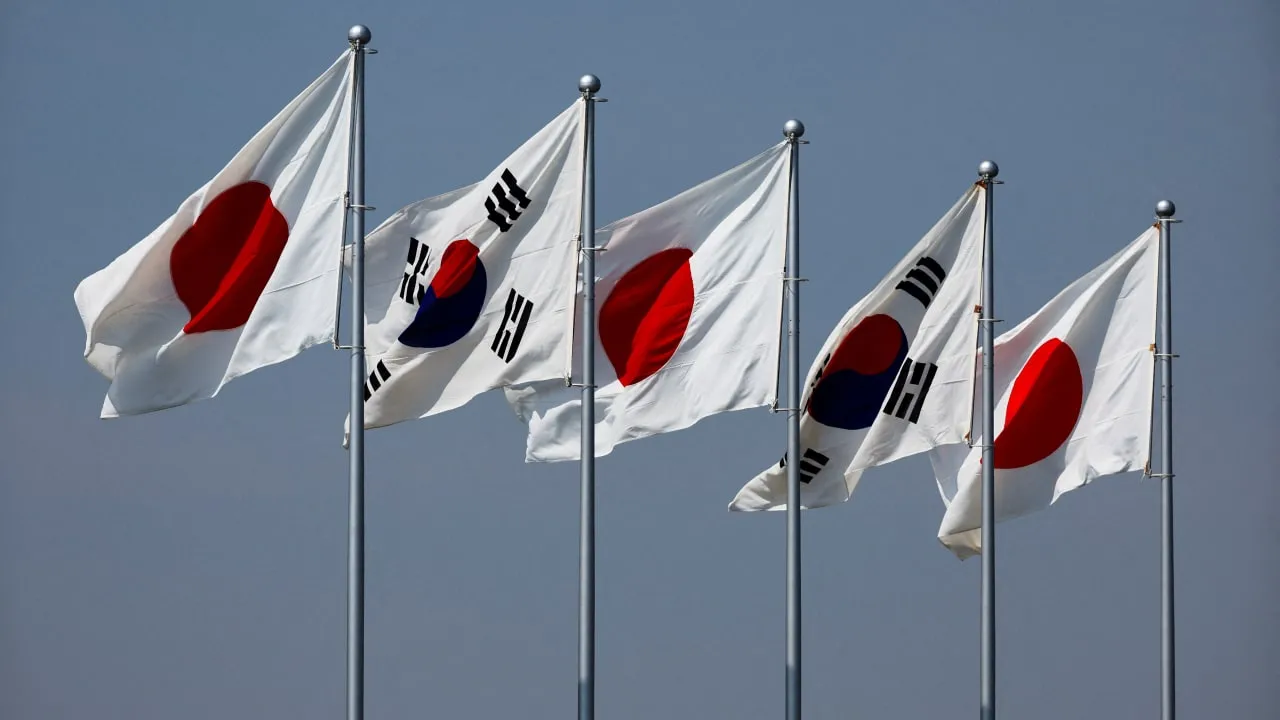
Public reaction in South Korea was swift and visible. Demonstrations in central Seoul drew citizens who view the islands as a symbol of national dignity and post colonial sovereignty. Flags waved above crowds demanding a firm diplomatic stance.
In Japan, public opinion reflected a mixture of legal argument and national identity. While many prioritize economic cooperation with South Korea, territorial issues often stir strong feelings among regional constituencies.
The intensity of civic response underscores how deeply the Takeshima islands tension resonates beyond diplomatic circles. The islands represent more than territory; they embody historical narratives and emotional memory.
Economic Implications for Bilateral Relations
South Korea and Japan share substantial economic ties. Both countries are major exporters and leaders in advanced manufacturing and technology. Trade volumes remain high despite periodic political disagreements.
Analysts note that the current Takeshima islands tension has not yet disrupted commercial flows. However, repeated diplomatic strain can complicate broader collaboration in supply chains, defense coordination, and energy security.
Investors monitor such disputes carefully. Even symbolic disagreements can influence market confidence if they escalate unpredictably. For now, business leaders on both sides appear committed to maintaining stability in trade and investment.
Security Dimensions in Northeast Asia
The broader regional context adds complexity. Northeast Asia remains a focal point of global strategic competition. Alliances, maritime routes, and security arrangements intersect in delicate ways.
Within this environment, the Takeshima islands tension carries implications that extend beyond bilateral diplomacy. Stability between Seoul and Tokyo is widely regarded as essential for effective coordination on shared security concerns.
Although neither government has indicated any military escalation, rhetorical intensity can shape perceptions. Diplomatic caution remains critical to preventing miscalculation.
Domestic Political Calculations
Territorial disputes often intersect with domestic politics. Leaders may face pressure from nationalist constituencies demanding assertive language. At the same time, pragmatic policymakers emphasize economic interdependence.
In Seoul, lawmakers from multiple parties expressed unified opposition to Japan’s ceremony. In Tokyo, officials balanced reaffirmation of their claim with statements supporting dialogue.
These internal dynamics influence how the Takeshima islands tension evolves. Political timing and leadership priorities can either amplify or moderate diplomatic exchanges.

Historic Comparison
Looking back, previous episodes of territorial friction have followed a recognizable pattern. In the early 2000s, disputes over textbooks and maritime surveys reignited controversy. Each instance demonstrated how unresolved history can resurface decades later.
The present escalation mirrors earlier cycles in tone and intensity. However, today’s geopolitical environment is more interconnected and more complex. Unlike earlier decades, both countries now operate within tightly integrated economic and security frameworks.
This historic comparison highlights that while the Takeshima islands tension feels immediate, it also reflects a longstanding structural dispute shaped by history and national memory.
Diplomatic Channels and Prospects for Resolution
Despite sharp rhetoric, both governments maintain communication channels. Diplomats emphasize that disagreement over territory does not preclude cooperation in other domains.
Backchannel negotiations, academic exchanges, and regional forums have previously helped ease friction. Whether such measures can temper the current Takeshima islands tension remains uncertain.
Observers argue that confidence building initiatives may reduce symbolic provocation while preserving each side’s stated position. Diplomacy often advances incrementally rather than dramatically.
The Human Dimension
Beyond politics and strategy, ordinary citizens feel the emotional weight of territorial identity. For many South Koreans, the islands symbolize independence regained after colonial rule. For many Japanese citizens, they represent a legal claim rooted in historical interpretation.
One government spokesperson stated,
“We will defend our sovereignty through lawful and diplomatic means while keeping channels of communication open.”
The comment captures the delicate balance leaders must maintain.
The persistence of the Takeshima islands tension reveals how territorial questions can shape generational perspectives and collective memory.
Regional Stability at Stake
International partners monitor developments closely. Cooperation among democratic allies in Northeast Asia remains vital for economic resilience and security coordination.
While the current dispute remains diplomatic, sustained escalation could complicate broader regional strategies. Stability depends not only on formal agreements but also on consistent messaging and mutual restraint.
As discussions continue, the Takeshima islands tension serves as a reminder that unresolved history can influence modern geopolitics.
The events of 2026 demonstrate that even small territories can command significant diplomatic attention. The renewed Takeshima islands tension reflects overlapping layers of history, identity, strategy, and domestic politics.
For Seoul and Tokyo, the challenge lies in managing disagreement without undermining cooperation. Both nations face shared economic and security realities that require coordination despite territorial dispute.
The months ahead will determine whether rhetoric subsides into routine diplomacy or intensifies into deeper strain. What remains clear is that history continues to echo across the waters separating the Korean Peninsula and Japan, shaping decisions that resonate far beyond the rocky islets themselves.