
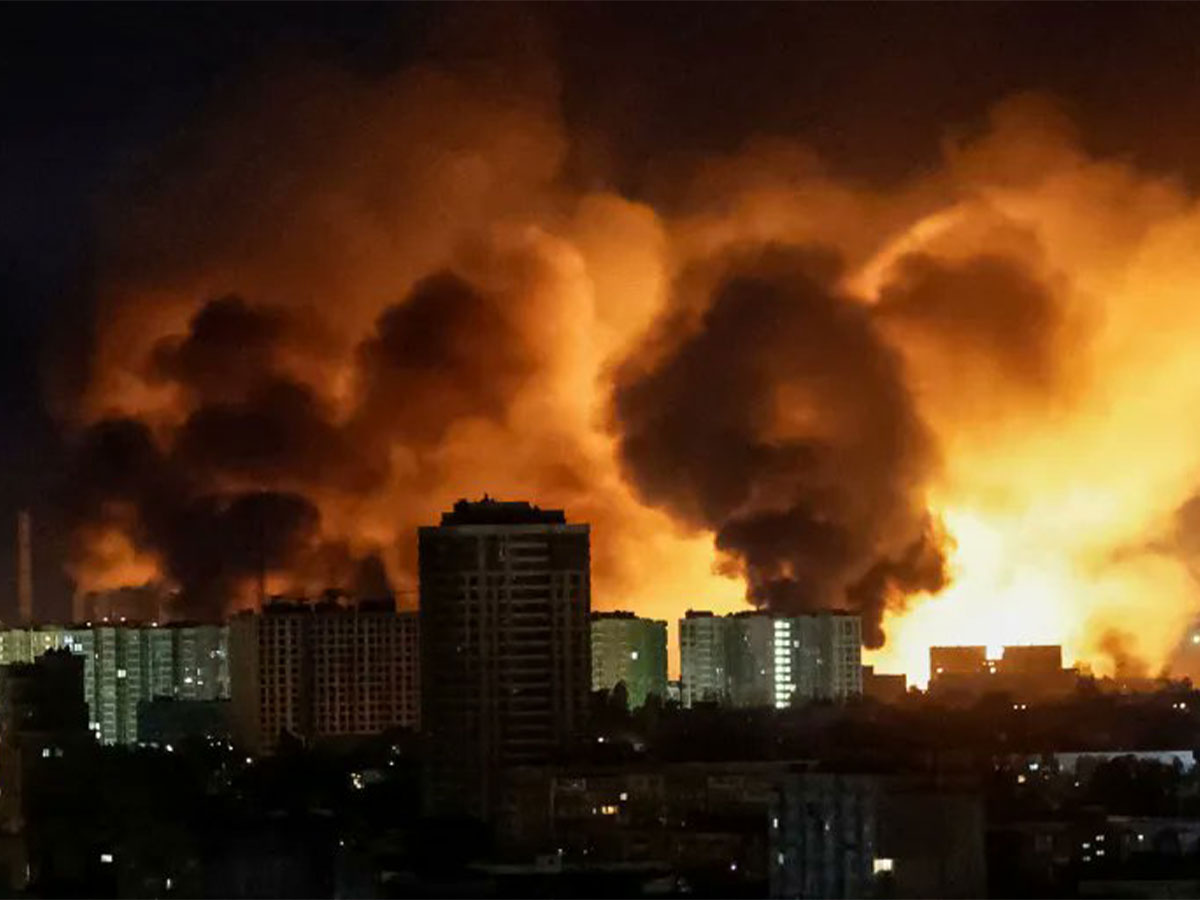
Missile strikes Ukraine escalate in Kyiv as multiple regions report infrastructure damage in 2026.
Air defenses intercept several projectiles while emergency crews restore power.
Global leaders urge restraint as tensions rise across Eastern Europe.
KYIV, Ukraine – February 22, 2026 – Parliament News – Missile strikes Ukraine overnight shook several regions of the country as air raid sirens echoed through Kyiv and surrounding provinces. Ukrainian officials confirmed that waves of aerial projectiles targeted energy facilities, transportation corridors, and logistics hubs, marking one of the most significant escalations in 2026. Emergency services were deployed immediately as authorities assessed structural damage and worked to stabilize essential infrastructure.
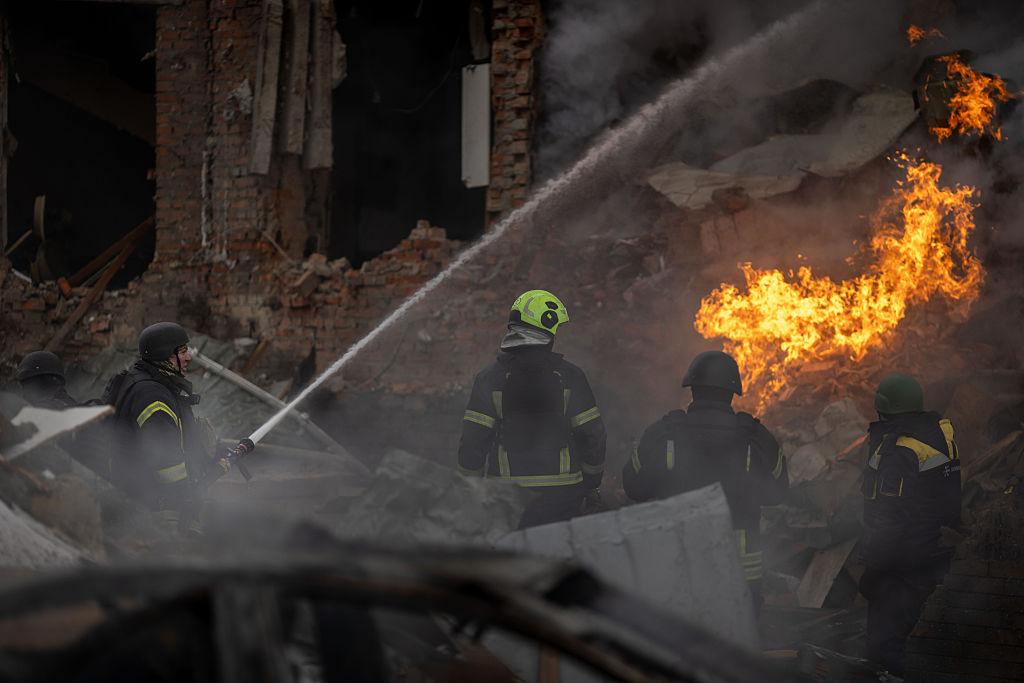
The renewed missile strikes Ukraine come amid heightened regional tensions and ongoing diplomatic efforts to prevent further deterioration of security conditions in Eastern Europe. Officials stated that while many incoming threats were intercepted, some impacts resulted in temporary power outages and localized fires.
Overnight Barrage Targets Strategic Infrastructure
Authorities confirmed that missile strikes Ukraine focused on energy substations and high value infrastructure nodes. Defense officials indicated that a combination of cruise missiles and unmanned aerial systems were deployed in coordinated patterns designed to overwhelm defensive capabilities.
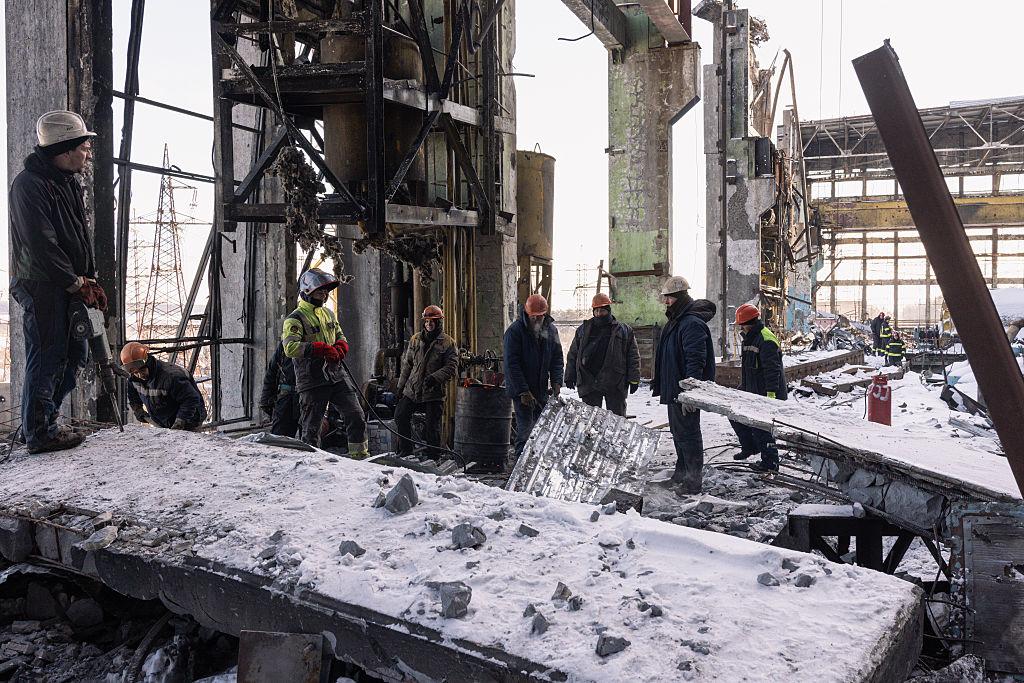
Several regions experienced precautionary blackouts to prevent cascading grid failures. Engineers were dispatched under security protection to assess transformer damage and restore operational capacity.
Local residents described hearing multiple detonations throughout the night. In central districts of Kyiv, debris from intercepted missiles caused minor structural damage to residential buildings, though casualty figures remained limited due to rapid shelter compliance.
Air Defense Operations Under Pressure
Military representatives emphasized that defensive systems successfully neutralized a substantial portion of incoming threats. However, the scale of missile strikes Ukraine required sustained coordination among radar operators, interceptor units, and emergency command centers.
“The objective is clear pressure on our civilian infrastructure, but our resilience remains strong,”
a Ukrainian defense official stated.
Air defense commanders noted that interception rates have improved over the past year due to enhanced coordination and equipment upgrades. Nevertheless, repeated large scale assaults place strain on logistical and operational readiness.
Civilian Impact and Emergency Response
The humanitarian consequences of missile strikes Ukraine were immediately visible. Several districts reported temporary electricity disruptions, affecting heating systems, water pumps, and public transit networks.
Hospitals activated backup generators to ensure uninterrupted care for critical patients. Municipal authorities deployed mobile repair units and distributed emergency lighting equipment to affected neighborhoods.
One resident of Kyiv said,
“We are tired, but we will endure. Every time the sirens sound, we know we must stay strong.”
Community volunteers assisted elderly residents during outages, reflecting widespread civic cooperation amid continued uncertainty.
International Diplomatic Reaction
Global leaders responded swiftly to news of the latest missile strikes Ukraine. European officials called for restraint and reiterated commitments to supporting civilian protection. Statements from international organizations emphasized adherence to humanitarian standards regarding non military infrastructure.
A senior European diplomat noted that stability in Eastern Europe remains essential for broader continental security and economic balance.
Diplomatic discussions are ongoing, with foreign ministries engaging in consultations aimed at reducing escalation risks. While public rhetoric has intensified, back channel communications remain active.
Economic Ramifications and Market Response
Financial markets reacted cautiously as news of missile strikes Ukraine spread internationally. Energy prices showed moderate fluctuations amid concerns about infrastructure reliability and regional supply chains.
Analysts observed that while markets have grown accustomed to geopolitical tension, sudden escalations can influence investor confidence. Industrial sectors with exposure to Eastern European logistics networks experienced mild volatility.
Economists emphasized that sustained infrastructure damage could affect manufacturing output and trade flows, though contingency planning has mitigated some risk exposure.

Energy Grid Resilience and Repair Strategy
Energy officials detailed ongoing repair operations following the missile strikes Ukraine. Emergency engineering teams assessed substations, transmission lines, and power generation facilities for structural compromise.
Ukraine’s grid has undergone significant reinforcement over the past year, incorporating redundancy systems and rapid repair protocols. Officials stated that temporary blackouts were strategic measures designed to prevent broader outages.
International partners have supplied technical components and support equipment to enhance recovery speed. Authorities expect most disrupted areas to regain stable service within days, barring additional strikes.
Regional Security Dynamics
The escalation represented by missile strikes Ukraine carries implications beyond national borders. Neighboring countries have heightened surveillance along shared boundaries and reinforced monitoring systems.
Defense alliances continue consultations regarding regional deterrence strategies. Analysts caution that miscalculation could escalate tensions if communication channels deteriorate.
Strategic experts note that aerial campaigns often aim to influence both military calculations and political negotiations.
Political Calculations and Strategic Messaging
Security observers interpret missile strikes Ukraine as both tactical operations and strategic messaging. Infrastructure targeting may seek to erode public morale while demonstrating military reach.
Political leaders within Ukraine reaffirmed national unity in response to the attacks. Public statements emphasized resilience and commitment to sovereignty.
International analysts highlight that sustained pressure on infrastructure frequently generates diplomatic counter responses, reinforcing global attention on conflict resolution efforts.
Humanitarian and Social Dimensions
Beyond economic and military considerations, missile strikes Ukraine have tangible social consequences. Temporary school closures occurred in districts where debris cleanup operations were underway.
Psychological stress remains a concern among residents experiencing repeated overnight alerts. Support services have expanded to provide counseling and community assistance.
Aid organizations continue evaluating needs in impacted neighborhoods, prioritizing assistance for vulnerable populations.
Historical Context of Aerial Campaigns
Aerial bombardment has shaped modern conflicts for decades. Missile strikes Ukraine reflect evolving strategies that combine precision targeting with psychological impact.
Historical precedents demonstrate that sustained infrastructure attacks can influence negotiations yet often carry long term humanitarian costs. Lessons from past conflicts highlight the importance of balancing military objectives with civilian protection.
Analysts note that advancements in defensive technology have altered interception capabilities, though challenges persist in countering coordinated barrages.
Strategic Outlook for the Remainder of 2026
The trajectory of missile strikes Ukraine will likely depend on diplomatic engagement and defense readiness. Authorities remain vigilant as intelligence assessments evaluate potential follow up operations.
Energy planners continue strengthening infrastructure resilience ahead of seasonal demand increases. Civil defense systems have expanded public awareness campaigns to ensure compliance with safety advisories.
International observers stress that sustained dialogue remains essential to preventing broader regional instability.
Global Security Implications
Missile strikes Ukraine highlight the interconnected nature of modern security challenges. Infrastructure disruption can affect energy markets, transportation corridors, and diplomatic relationships across continents.
Governments worldwide are reassessing contingency strategies in light of recurring escalations. Security analysts emphasize the importance of maintaining communication channels even amid heightened rhetoric.
The evolving situation underscores the fragile balance between deterrence and diplomacy.
A Defining Moment for Regional Stability
As 2026 progresses, missile strikes Ukraine represent a critical juncture in the broader conflict. Infrastructure resilience, coordinated defense systems, and international cooperation will shape outcomes in the months ahead.
While repair crews work to restore damaged systems, diplomatic efforts continue behind the scenes. Observers agree that long term stability requires both strategic deterrence and sustained negotiation.
For now, Kyiv remains on alert, determined to maintain essential services and protect civilian life amid ongoing challenges.