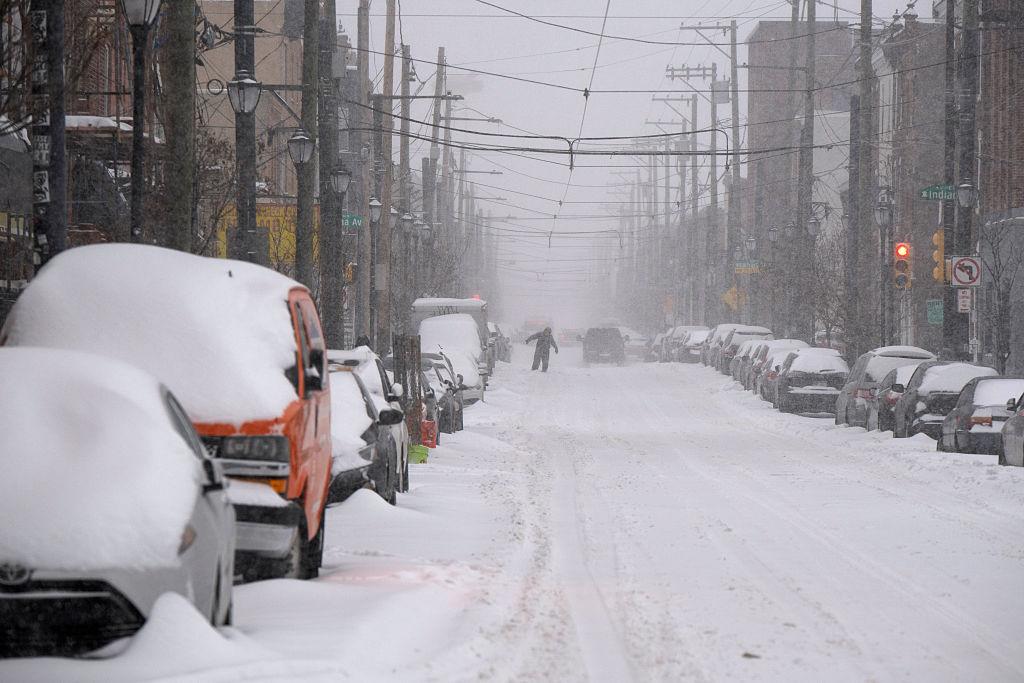
A Philadelphia blizzard alert has been issued as a powerful winter storm targets the region in 2026.
Forecasters warn snowfall could exceed two feet with dangerous winds and whiteout conditions.
Officials urge residents to avoid travel and prepare for possible power outages and extended cleanup.
PHILADELPHIA, Pennsylvania — February 22, 2026 — According to Parliament News, that A Philadelphia blizzard alert has been issued across the city and surrounding counties as a rapidly intensifying coastal storm moves northward along the Atlantic seaboard. Meteorologists are warning that snowfall totals could exceed two feet in some neighborhoods, with sustained winds strong enough to produce whiteout conditions and dangerous drifting.
City officials activated emergency management protocols early Sunday morning as updated forecast models showed a tightening pressure gradient and strengthening wind field. Residents are being urged to complete preparations before conditions deteriorate.
Forecast Models Show Rapid Intensification
Weather analysts monitoring satellite and radar data report that the storm deepened significantly overnight as cold Arctic air collided with warmer Atlantic moisture. This rapid strengthening prompted the Philadelphia blizzard alert after forecasters confirmed sustained winds could surpass blizzard criteria thresholds.
Snowfall is expected to begin as steady accumulation before intensifying into heavier bands capable of producing two to three inches per hour at peak intensity. Meteorologists caution that visibility could fall below a quarter mile for extended periods overnight.
Western suburbs may experience slightly higher totals due to elevation changes, while coastal areas could face blowing snow that reduces visibility along major roadways.
City wide Snow Emergency Declared
In response to the Philadelphia blizzard alert, municipal authorities declared a snow emergency covering all primary and secondary routes. Parking restrictions were enacted along designated corridors to allow plows unobstructed access.
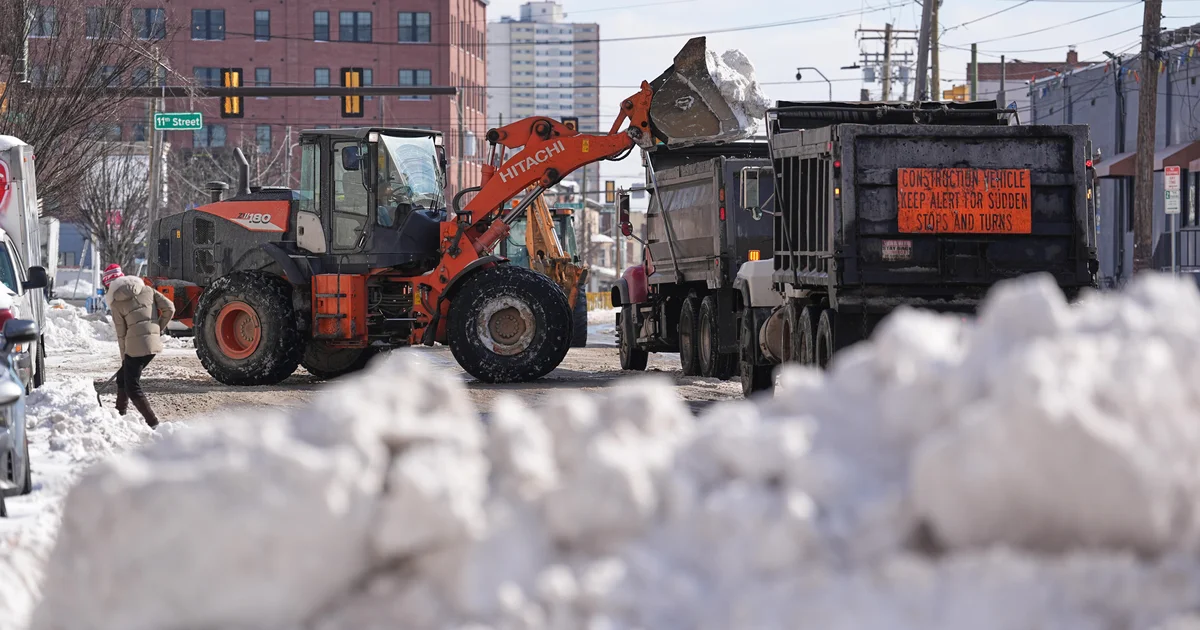
More than 400 pieces of snow removal equipment were deployed throughout the metropolitan area. Crews began pre treating roads with brine solutions before the heaviest precipitation arrived.
Public schools announced closures in advance, while city offices transitioned to remote operations where possible. Officials emphasized that limiting travel is critical to keeping emergency routes open for first responders.
Transportation Systems Brace for Impact
Transportation networks are preparing for significant disruptions as the Philadelphia blizzard alert remains in effect. Philadelphia International Airport reported preemptive flight cancellations, advising passengers to confirm travel plans directly with airlines.
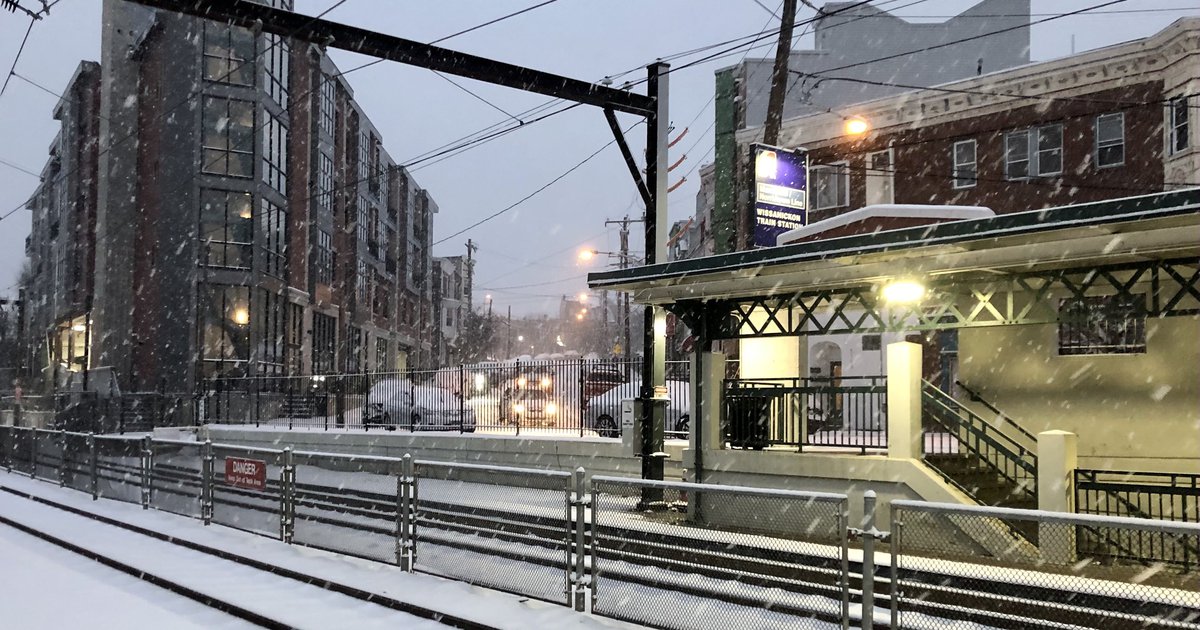
SEPTA officials stated that rail and bus operations may operate on modified schedules depending on snowfall intensity. Elevated tracks and exposed sections of rail lines are particularly vulnerable to drifting.
Interstate highways, including I 95 and I 76, could experience temporary closures if wind driven snow severely limits visibility. Authorities reminded motorists that even four wheel drive vehicles can lose traction under heavy accumulation.
Utility Providers Prepare for Potential Outages
Utility companies positioned additional repair crews throughout the region ahead of the Philadelphia blizzard alert. Heavy wet snow combined with strong gusts increases the likelihood of fallen branches and power line damage.
While widespread outages are not guaranteed, isolated service interruptions remain possible, especially in older residential areas with aging infrastructure.
Residents were advised to fully charge devices and to avoid operating generators indoors. Officials stressed that carbon monoxide exposure remains a leading cause of storm related fatalities. One regional utility spokesperson said,
“We are fully mobilized under the Philadelphia blizzard alert and prepared to respond quickly to any outages, but we urge customers to prioritize safety and avoid unnecessary risks during the storm.”
Healthcare Facilities Adjust Operations
Hospitals and urgent care centers across Philadelphia adjusted staffing schedules to maintain full emergency coverage. Ambulance services coordinated closely with snow removal teams to ensure rapid access to critical calls.
Medical professionals encouraged patients requiring routine treatments to consult providers about rescheduling appointments until after conditions improve.
Community shelters expanded capacity to accommodate vulnerable residents, including those experiencing homelessness. Outreach teams actively encouraged individuals to seek warm indoor refuge before wind chills reach dangerous levels.
Economic Ripple Effects Across the Region
The Philadelphia blizzard alert is expected to cause short term economic slowdowns as businesses close temporarily. Retail stores in Center City reported increased demand for groceries and winter supplies ahead of the storm.
Construction projects were suspended due to safety concerns, and delivery services warned of potential delays.
While severe weather can disrupt daily commerce, economists note that recovery typically accelerates quickly once snow removal efforts are completed and transportation networks resume normal operations.
Public Safety Advisory for Residents
Emergency officials strongly recommend that residents remain indoors once snowfall intensifies. Stockpiling bottled water, shelf stable food, batteries, and prescription medications is advised.
If travel becomes unavoidable, drivers should carry emergency kits including blankets, flashlights, and phone chargers. However, authorities emphasized that staying off the roads remains the safest option.
Pets should be brought indoors, and outdoor items secured to prevent wind damage. Residents are encouraged to check on elderly neighbors who may require assistance.
The Philadelphia blizzard alert underscores the importance of proactive preparation in minimizing storm related risks.
Historic Comparison of Major Winter Storms
Philadelphia has experienced notable winter storms in previous decades, including events that delivered record breaking snowfall. Meteorologists compare the current system to the Blizzard of 1996 and other significant snow events that tested city infrastructure.
However, forecasting technology has improved substantially since those earlier storms. Advanced modeling provides more accurate predictions, allowing earlier emergency declarations and resource deployment.
While it remains too early to confirm whether this storm will set new records, the Philadelphia blizzard alert reflects the seriousness of the projected impacts.
The Science Behind the Storm
The current system intensified as atmospheric pressure dropped rapidly along the coastline. This deepening process strengthened wind circulation and enhanced moisture inflow from the Atlantic.
Meteorologists explain that when cold continental air meets warmer ocean air, instability can fuel heavy precipitation bands. Such conditions are consistent with the criteria used to issue the Philadelphia blizzard alert.
Snowfall rates may fluctuate throughout the event, with some neighborhoods experiencing lulls followed by renewed bursts of heavy snow.