Iran issued a strong defense warning in Tehran 2026, reinforcing its deterrence doctrine amid rising regional tensions.
The Iran defense strategy statement outlines military preparedness while signaling continued diplomatic engagement.
Global markets and regional leaders are closely monitoring developments as security dynamics evolve.
Tehran, Iran – February 28, 2026 – Parliament News – The Iran defense strategy statement delivered in Tehran in 2026 has intensified regional attention and reshaped diplomatic conversations across the Middle East. Officials speaking from the capital outlined key national security priorities, emphasizing deterrence, territorial sovereignty, and strategic preparedness. The Iran defense strategy statement arrives at a delicate moment when geopolitical tensions remain elevated and global powers are closely monitoring developments in the region.
Government representatives described the announcement as a reaffirmation of defensive doctrine rather than an escalation. However, the language used in the Iran defense strategy statement was firm, underscoring a commitment to respond decisively to any perceived aggression. Analysts say such rhetoric is designed to reinforce credibility while maintaining space for diplomacy.
A Strategic Moment in 2026
The year 2026 has already been marked by heightened military visibility across the Middle East. Naval movements, aerial patrols, and joint exercises have increased in frequency, signaling a period of caution among regional actors. Within this environment, the Iran defense strategy statement serves as both a domestic reassurance and an international signal.
Strategic communication has become central to modern statecraft. Governments use formal announcements not only to outline policy but to influence perception. In this case, Tehran’s message emphasized stability through strength. Officials stressed that national defense remains grounded in deterrence principles rather than offensive ambition.
Regional governments responded carefully. Some issued statements urging calm and dialogue, while others reaffirmed their own defensive postures. The interconnected nature of Middle Eastern security means that any high profile declaration reverberates beyond national borders.
Military Preparedness and Deterrence Doctrine
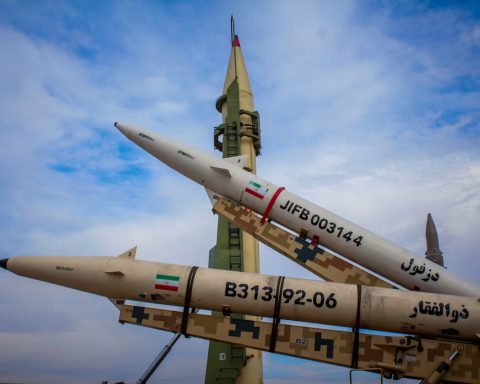
Iran’s defense doctrine has historically centered on deterrence. Military planners prioritize readiness, rapid mobilization capability, and layered defensive systems. The Iran defense strategy statement highlighted continued investment in missile systems, air defense networks, and maritime security operations.
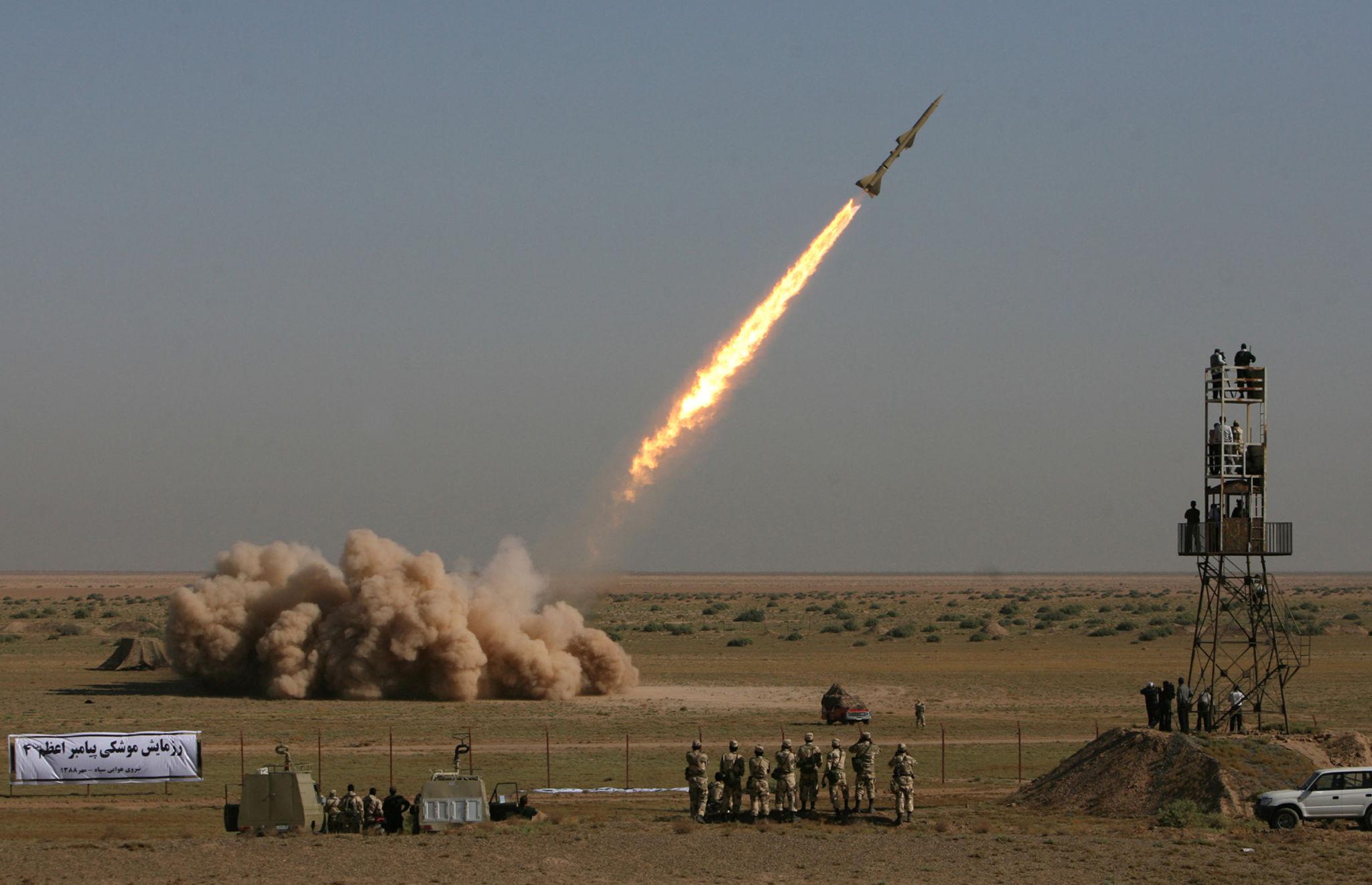
Defense analysts argue that credible deterrence requires visible capability. Recent exercises have demonstrated coordination between land, sea, and air units. These drills showcase not only equipment but also command integration and logistical readiness.
Officials explained that preparedness is essential in a region where miscalculation can escalate quickly. By clarifying defense parameters publicly, Tehran seeks to reduce ambiguity regarding its response thresholds. The Iran defense strategy statement reinforces that any hostile action would trigger a calculated but decisive reaction.
Diplomatic Signaling Behind Firm Language
Despite the assertive tone, diplomatic channels remain active. Several international mediators are reportedly engaged in quiet discussions aimed at reducing misunderstandings. The Iran defense strategy statement was framed by officials as a defensive clarification rather than a provocation.
One senior official stated,
“Our objective is to protect our sovereignty and ensure regional stability, not to pursue confrontation.”
The quote reflects the dual purpose of the announcement: projecting strength while emphasizing restraint.
Strategic experts note that rhetoric often serves as a pressure valve. Governments can communicate resolve publicly while pursuing compromise privately. The balance between these approaches determines whether tensions escalate or subside.
Energy Markets and Global Economic Impact
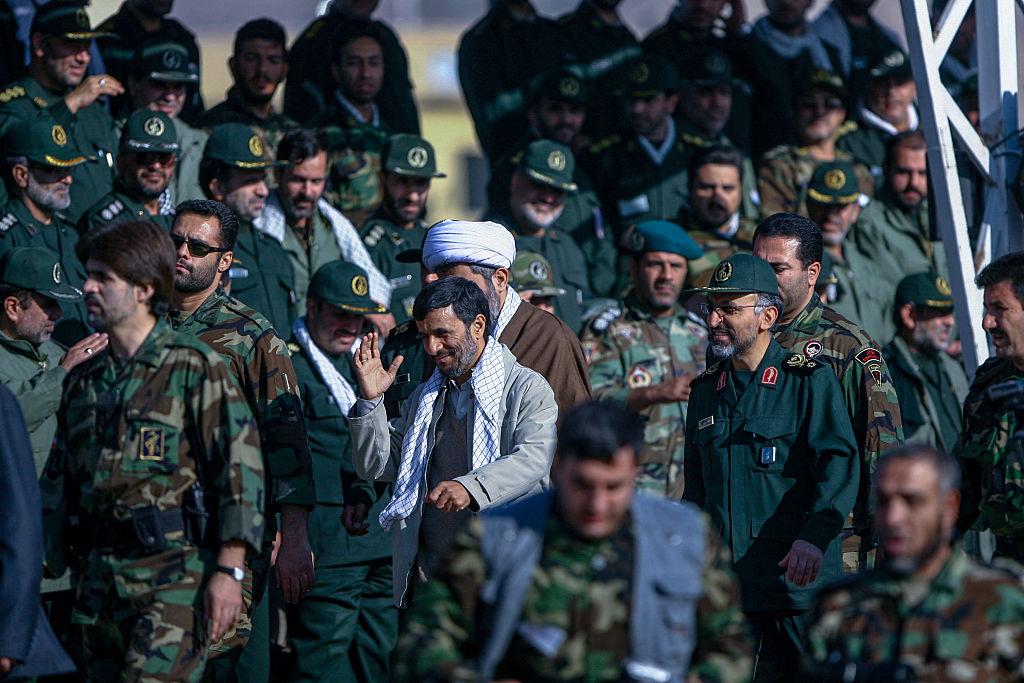
The Middle East remains central to global energy supply. Even measured statements can influence market volatility. Following the Iran defense strategy statement, oil prices experienced modest fluctuations as traders assessed geopolitical risk.
Shipping routes, particularly near critical waterways, remain sensitive to developments in Tehran. Insurance premiums and shipping costs can rise quickly when uncertainty increases. Financial analysts emphasize that sustained economic impact depends on concrete actions rather than rhetoric alone.
Global investors continue to monitor diplomatic developments closely. Stability in the region affects not only energy markets but also global equity performance and currency strength.
Domestic Political Dimensions
Within Iran, public discourse often emphasizes sovereignty and resilience. The Iran defense strategy statement resonates with longstanding themes of national self reliance and defense preparedness. Political commentators suggest that clear communication about security policy strengthens domestic confidence.
Economic challenges remain a parallel concern. Balancing defense investment with economic development requires careful fiscal management. Leaders must reassure citizens that national security and economic stability are not competing priorities.
Public reaction to the announcement has largely reflected support for a strong defensive posture, especially during periods of perceived external pressure.
Regional Security Architecture
The broader Middle Eastern security landscape includes complex alliances and rivalries. Bilateral agreements, multinational coalitions, and informal partnerships shape how states interpret strategic messaging. The Iran defense strategy statement interacts with these frameworks in significant ways.
Neighboring countries have strengthened surveillance and defensive coordination in response to recent developments. Some governments have also expanded diplomatic outreach to prevent misinterpretation of intentions.
Security scholars argue that transparency and communication are essential. Misreading strategic signals can amplify tensions unnecessarily. Clear articulation of defensive doctrine can reduce uncertainty and stabilize expectations.
Historic Comparison in Regional Context
A historical comparison offers perspective on the current moment. In previous decades, periods of elevated rhetoric often coincided with behind the scenes negotiations rather than direct confrontation. During earlier regional crises, assertive public messaging served as a strategic instrument designed to reinforce deterrence while diplomats worked toward compromise.
Similar patterns emerged during maritime disputes and airspace incidents in the late twentieth and early twenty first centuries. In those instances, strong statements helped clarify red lines without necessarily triggering sustained military conflict. The present climate mirrors those historical cycles, suggesting that the Iran defense strategy statement may function as part of a broader diplomatic choreography rather than a precursor to immediate escalation.
International Community Response
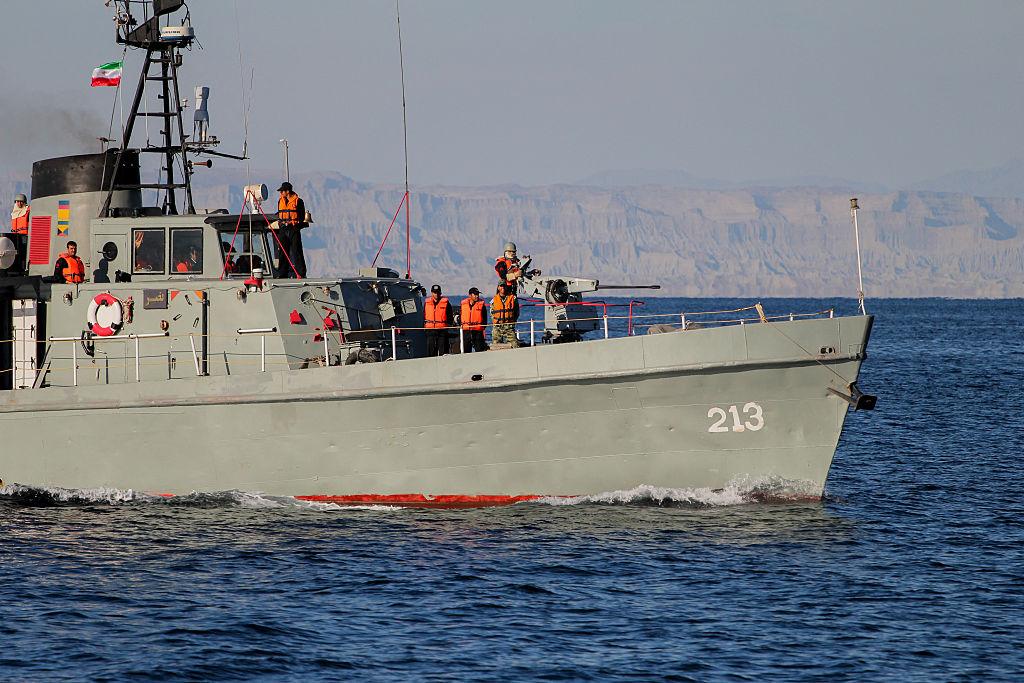
Global leaders have urged restraint while acknowledging Iran’s right to articulate its defense policy. Multilateral organizations emphasize dialogue and confidence building measures. The Iran defense strategy statement has become a focal point in security discussions at international forums.
Western governments have called for de escalation, while regional partners stress economic cooperation as a stabilizing force. Analysts believe that coordinated diplomatic engagement could reduce the risk of unintended confrontation.
International markets remain cautious but stable. Observers note that investors differentiate between rhetorical signaling and operational escalation.
Technology and Modern Warfare Considerations
Modern defense strategies rely heavily on technological advancement. Cyber capabilities, unmanned systems, and missile defense technologies play central roles in deterrence. The Iran defense strategy statement referenced advancements in domestic defense manufacturing and technological self sufficiency.
Cybersecurity experts highlight the increasing importance of digital infrastructure protection. Modern conflicts often begin with cyber disruptions rather than traditional troop movements. As such, defense strategies now extend beyond conventional battlefields.
Iran’s focus on indigenous production reflects a broader trend toward strategic autonomy. Developing domestic capabilities reduces reliance on external suppliers and strengthens resilience.
The Strategic Outlook for 2026 and Beyond
Looking ahead, analysts expect continued emphasis on deterrence balanced by diplomatic engagement. The Iran defense strategy statement suggests a calculated effort to maintain strategic leverage without crossing escalation thresholds.
Regional stability depends on sustained communication. Confidence building initiatives, maritime safety agreements, and economic partnerships could mitigate tension. Much will depend on reciprocal actions by neighboring states and global powers.
Observers caution that rhetoric can harden positions if not accompanied by constructive dialogue. Yet history demonstrates that assertive statements often precede negotiations rather than conflict.
Economic Development and Defense Balance
Sustained defense readiness requires economic stability. Policymakers in Tehran face the task of balancing military investment with domestic development priorities. Infrastructure projects, trade initiatives, and energy sector modernization remain central to national planning.
The Iran defense strategy statement underscores that security is foundational to economic growth. Without stability, long term investment becomes uncertain. Leaders argue that credible deterrence can create an environment conducive to commerce.
International partners continue exploring trade opportunities despite geopolitical tension. Economic interdependence can serve as a stabilizing force when managed effectively.
Media Framing and Public Perception
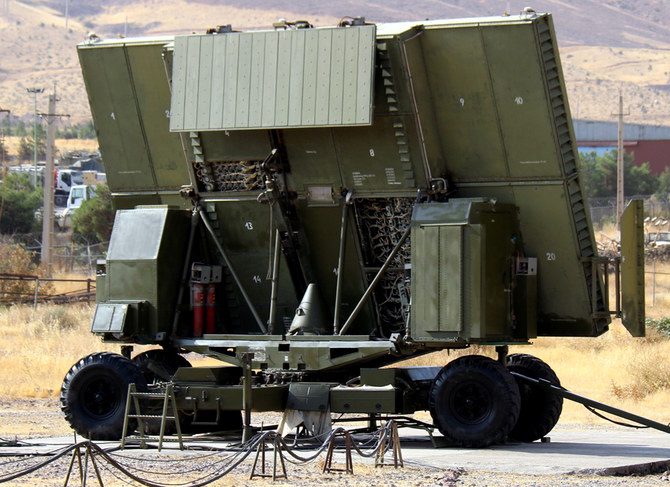
Media coverage plays a powerful role in shaping global interpretation. Headlines emphasizing escalation may influence public sentiment more than official transcripts. The Iran defense strategy statement has been reported with varying emphasis depending on regional perspective.
Communication experts stress the importance of accurate context. Balanced reporting can prevent amplification of misunderstanding. Policymakers rely on precise language to avoid misinterpretation.
Public perception often shapes political decision making. Leaders must account for domestic and international audiences when crafting statements.
Deterrence in a Multipolar World
The global strategic landscape has evolved toward multipolar complexity. Emerging powers and shifting alliances influence regional calculations. The Iran defense strategy statement reflects adaptation to this environment.
Deterrence now involves not only military capability but also diplomatic leverage and economic resilience. Coordinated policy across these domains strengthens credibility.
Strategists argue that sustainable stability requires integration of defense readiness with active diplomacy. Each reinforces the other within a comprehensive security framework.
A Defining Chapter in Tehran’s Strategic Narrative
As 2026 progresses, the Iran defense strategy statement stands as a significant moment in Tehran’s evolving security narrative. It illustrates how governments navigate uncertainty through calibrated messaging and strategic clarity.
The coming months will determine whether tensions ease or persist. Much depends on continued diplomatic engagement and mutual recognition of security concerns. While rhetoric has intensified, all parties remain aware of the high costs associated with open conflict.
In the broader arc of regional history, such moments often serve as catalysts for negotiation rather than confrontation. The Iran defense strategy statement encapsulates this delicate balance between strength and restraint, deterrence and dialogue, sovereignty and stability.
For now, Tehran’s message emphasizes preparedness, resilience, and a commitment to national defense while leaving space for diplomatic solutions in an interconnected world.