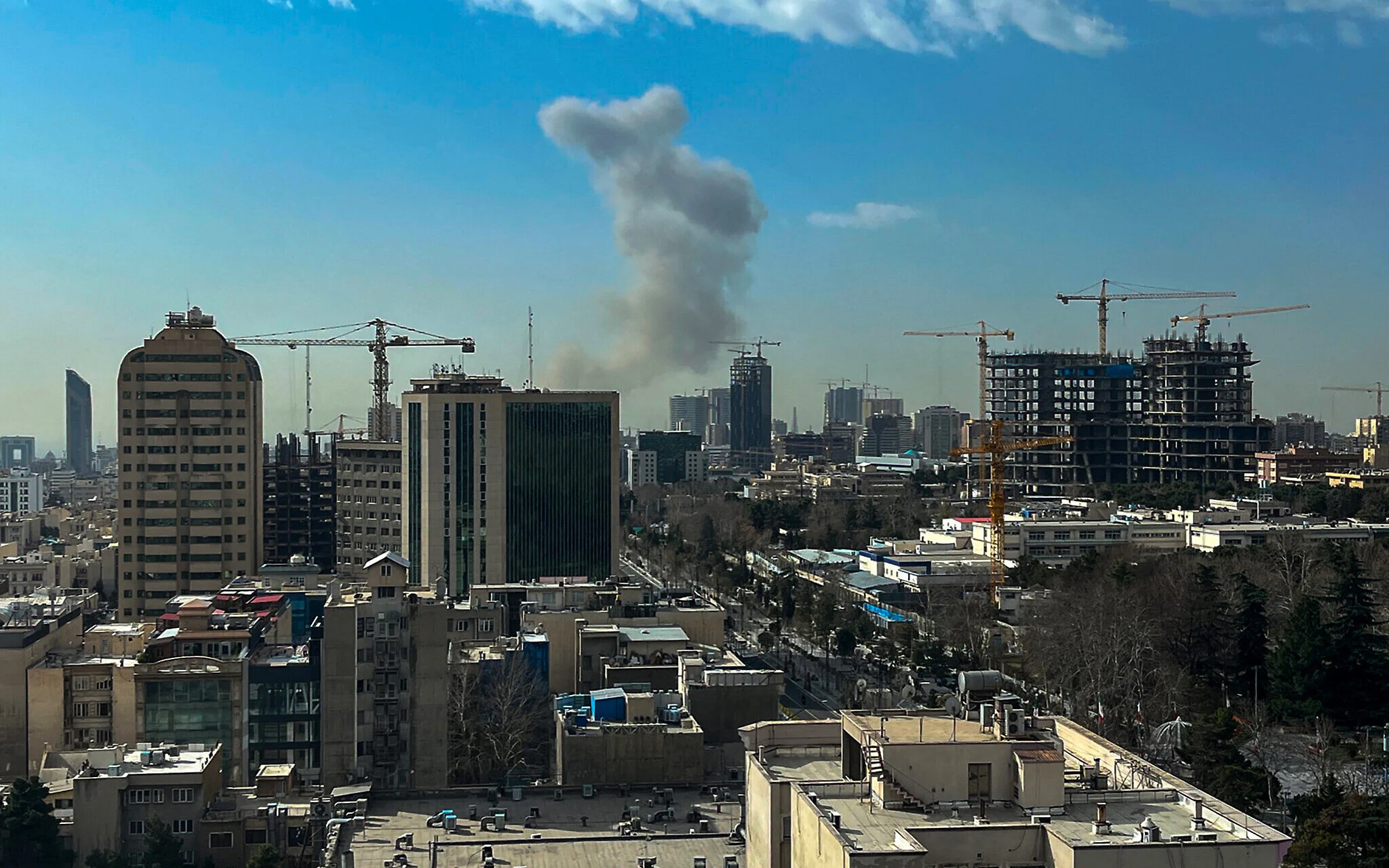
Jerusalem, March 1, 2026 — According to Parliament News, that The Iran Israel escalation has entered a more dangerous and unpredictable stage as military movements, political warnings, and diplomatic maneuvers unfold across the Middle East. In 2026, the Iran Israel escalation is no longer confined to rhetoric or isolated incidents. Instead, it reflects a broader confrontation shaped by strategic signaling, regional alliances, and mounting international concern.
Officials in Jerusalem confirmed elevated defense readiness following recent exchanges, while Tehran signaled that it remains prepared to respond decisively to perceived threats. As the Iran Israel escalation continues, global leaders are urging caution to prevent a wider conflict that could destabilize the region and disrupt global markets.
Military Developments and Tactical Shifts
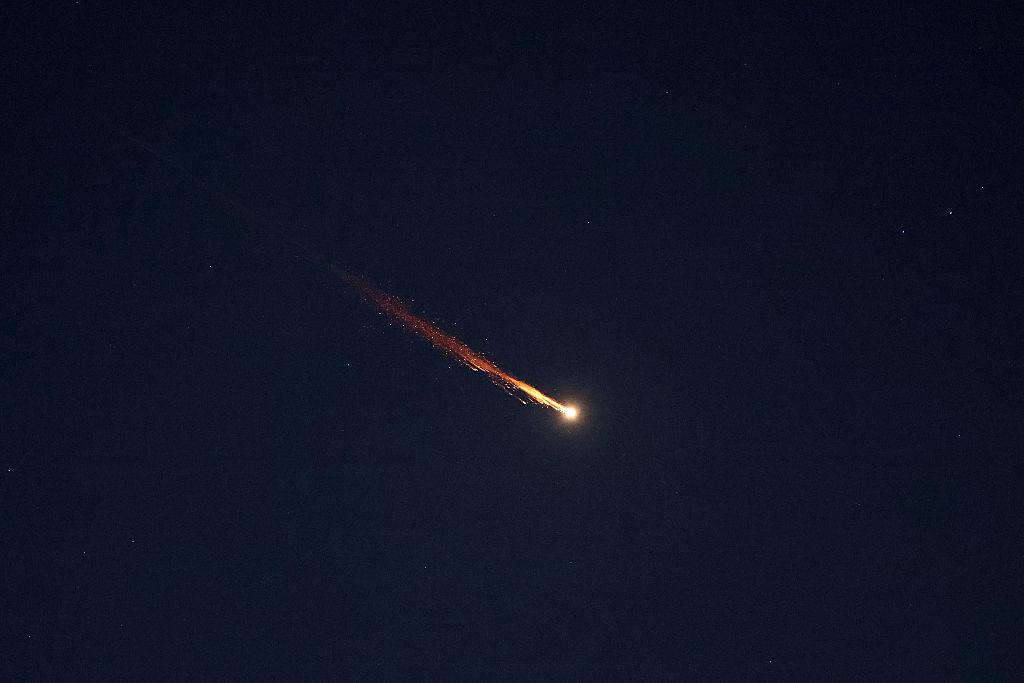
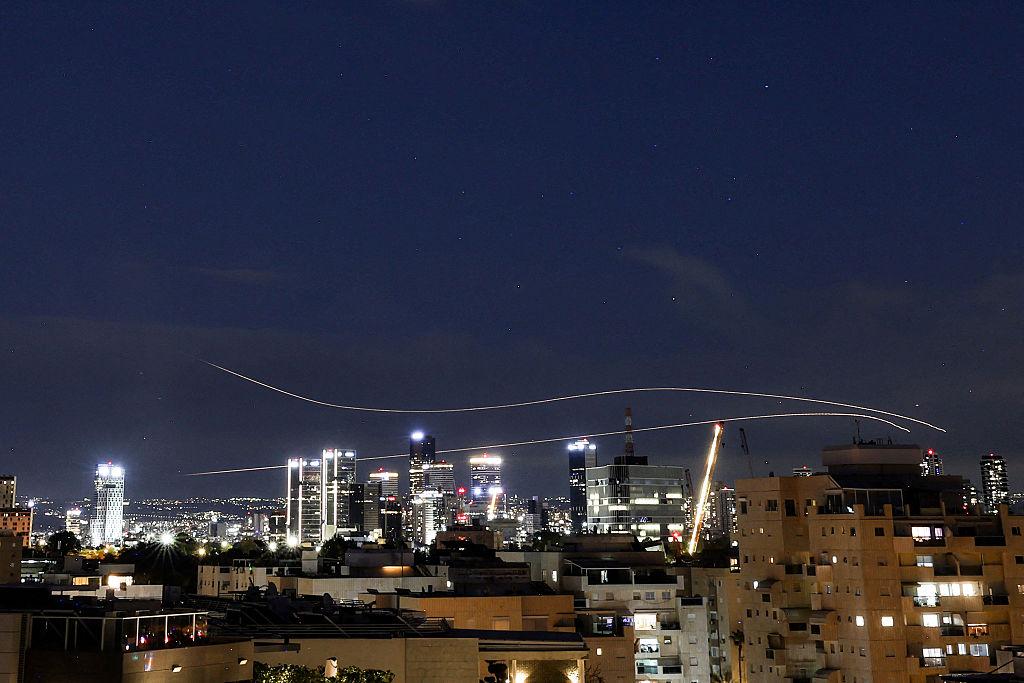
Recent days have seen intensified activity involving air defense systems, drone deployments, and missile alerts. Defense officials on both sides maintain that their actions are precautionary, yet analysts note that the pace of response cycles has accelerated.
Military experts explain that modern technologies shorten reaction times and compress decision making windows. Within the context of the Iran Israel escalation, even limited tactical maneuvers carry symbolic weight. Surveillance operations, naval positioning, and cyber monitoring have all reportedly increased.
Israeli authorities have emphasized deterrence as a guiding principle. Iranian officials, meanwhile, frame their posture as protective and proportional. The mutual assertion of defensive intent underscores the delicate balance shaping the Iran Israel escalation.
Regional Ripple Effects
Neighboring states are closely monitoring the unfolding developments. Border security forces in multiple countries have reviewed emergency preparedness plans. Maritime patrols have expanded in sensitive waterways, and intelligence sharing between regional partners has intensified.
The Iran Israel escalation has also prompted discussions within regional organizations about conflict prevention mechanisms. Energy producing states are particularly alert, given the strategic importance of shipping lanes that connect Middle Eastern oil supplies to global markets.
Security observers caution that proxy dynamics complicate the situation. While direct confrontation remains limited, the broader geopolitical environment adds layers of uncertainty.
Diplomatic Engagement and International Mediation
International diplomacy has moved swiftly in response to the Iran Israel escalation. The United Nations has convened emergency consultations, and several governments have offered mediation support.
European leaders have emphasized the necessity of restraint and communication. Asian powers, concerned about trade stability, have also encouraged de escalation. High level diplomatic contacts between global capitals reflect widespread anxiety over the potential consequences of prolonged confrontation.
One senior international diplomat noted,
“The Iran Israel escalation must not be allowed to spiral beyond control, because the consequences would reach far beyond the region itself.”
This statement reflects the urgency surrounding diplomatic efforts and underscores the stakes involved.
Economic and Energy Market Reactions
Financial markets reacted quickly to headlines related to the Iran Israel escalation. Oil prices experienced volatility due to fears of supply disruptions in key maritime corridors. Investors reassessed risk exposure in energy and defense sectors.
Global stock exchanges reflected cautious sentiment as traders weighed the possibility of prolonged instability. Airlines, shipping companies, and multinational corporations with regional operations are closely tracking developments.
Economists suggest that sustained uncertainty tied to the Iran Israel escalation could dampen growth forecasts if trade flows or transportation routes are significantly disrupted.
Civilian Preparedness and Public Sentiment
In Jerusalem and Tehran, daily life continues under heightened awareness. Authorities have conducted emergency preparedness briefings, and public messaging encourages calm while maintaining vigilance.
Community leaders have urged citizens to rely on official information rather than speculation. Schools and public institutions remain operational, though contingency plans are in place should conditions deteriorate.
Public opinion appears divided between support for national security policies and concern about prolonged tension. The human dimension of the Iran Israel escalation reveals both resilience and apprehension among affected populations.
Cybersecurity and Technological Dimensions
Beyond physical military movements, cybersecurity analysts report increased vigilance. Digital infrastructure has become an essential component of national defense strategies.
Government agencies and private corporations have strengthened cyber monitoring protocols. The Iran Israel escalation extends into the digital domain, where information security and communication networks play critical roles.
Technology experts warn that misinformation campaigns can complicate crisis management, emphasizing the importance of accurate reporting and responsible communication.

Strategic Calculations and Long Term Objectives
Policy analysts argue that the Iran Israel escalation reflects deeper strategic calculations shaped by decades of rivalry. Both sides seek to reinforce deterrence while avoiding uncontrolled escalation.
Military strategists note that calibrated responses are often designed to send signals without crossing thresholds that could trigger full scale conflict. However, maintaining such calibration becomes increasingly complex as tensions persist.
Regional alliances and external partnerships also influence decision making. The Iran Israel escalation is intertwined with broader geopolitical frameworks that extend beyond bilateral concerns.
Humanitarian Considerations and International Law
International humanitarian organizations are preparing contingency plans in case conditions worsen. While no large scale displacement has been reported, aid agencies stress the importance of safeguarding civilian populations.
Legal experts highlight the role of international law in guiding conduct during periods of tension. Compliance with established conventions remains a critical factor in maintaining global credibility.
Observers emphasize that the Iran Israel escalation underscores the need for transparent communication and adherence to international norms.
Historical Comparison of Regional Confrontations
The current Iran Israel escalation invites comparison to earlier periods of heightened tension in the Middle East. During the late twentieth century, indirect confrontations, intelligence operations, and limited cross border actions characterized rivalries between regional powers. Unlike earlier decades, however, today’s environment features advanced missile systems, cyber capabilities, and instantaneous global communication.
In past episodes, escalation cycles often cooled through diplomatic back channels before evolving into broader conflict. The difference in 2026 lies in the speed at which information spreads and decisions must be made. While historical patterns suggest resilience and eventual stabilization, the scale and technological sophistication of the present Iran Israel escalation introduce new variables that policymakers must carefully navigate.
Global Security Implications
Security institutions worldwide are assessing the broader implications of the Iran Israel escalation. NATO members, Asian allies, and Middle Eastern partners are evaluating defense readiness and diplomatic positioning.
The interconnected nature of modern geopolitics means that regional tensions can quickly influence global supply chains, energy prices, and financial markets. Aviation authorities have reviewed airspace advisories as a precautionary measure.
Experts argue that preventing miscalculation is paramount. Clear communication channels and confidence building measures could reduce the risk of unintended incidents.
Media Coverage and Information Integrity
News organizations are working to verify developments amid rapidly changing circumstances. Responsible journalism plays a crucial role in ensuring accurate public understanding.
Analysts caution against sensationalism that could inflame tensions. Balanced reporting provides context and avoids amplifying unconfirmed claims.
The Iran Israel escalation highlights the power of information in shaping perception and policy responses.
The Role of Regional Alliances
Regional alliances influence strategic calculations on both sides. Partnerships involving security cooperation, intelligence sharing, and economic collaboration shape the broader environment.
While alliances can strengthen deterrence, they also raise the stakes of confrontation. The Iran Israel escalation occurs within a network of diplomatic relationships that extend beyond bilateral dynamics.
Observers note that alliance cohesion may determine whether tensions stabilize or expand.
Economic Forecasts and Investment Strategy
Market analysts are revising short term forecasts in response to the Iran Israel escalation. Energy sector volatility remains a primary concern, while defense related industries may experience increased activity.
Investors are diversifying portfolios to hedge against geopolitical risk. Economists emphasize that long term stability depends on diplomatic resolution rather than prolonged confrontation.
Financial resilience will play a key role in mitigating the economic impact of sustained tension.
Prospects for De Escalation
Diplomatic observers believe that sustained engagement could gradually ease the Iran Israel escalation. Informal communication channels often serve as bridges during sensitive periods.
Confidence building measures, such as transparency in military exercises and adherence to international norms, may reduce the risk of accidental confrontation.
Global leaders continue to emphasize dialogue as the preferred path forward.
A Region at a Defining Crossroads
The unfolding Iran Israel escalation represents a defining moment for regional stability in 2026. While military readiness has increased, diplomatic efforts are also intensifying in parallel.
Jerusalem remains at the center of international attention, as policymakers seek to balance deterrence with restraint. The coming weeks will determine whether this period marks a temporary surge in tension or a turning point with lasting consequences.
Ultimately, the Iran Israel escalation underscores the fragile equilibrium that governs global security. Decisions made now will influence not only regional relations but also broader geopolitical dynamics for years to come.