Tehran, Iran – March 1, 2026 — Parliament News confirms that the Iran leadership crisis has entered a decisive stage in 2026, drawing intense domestic focus and global diplomatic attention. Senior officials in Tehran convened emergency sessions to ensure constitutional continuity while security presence increased around key institutions. The unfolding situation reflects both political sensitivity and strategic consequence for the region.
Government buildings remained operational as officials emphasized stability and institutional resilience. The Iran leadership crisis has quickly become a defining political development of the year, influencing economic forecasts, diplomatic messaging, and public discourse across the Middle East.
Immediate Government Actions and Constitutional Safeguards
Authorities moved swiftly to demonstrate that governance structures remain intact. Public briefings stressed adherence to constitutional procedures governing leadership transition. Senior clerical authorities and political representatives initiated consultations aimed at maintaining order and projecting confidence.
The Iran leadership crisis has required coordination between multiple branches of authority. Parliament continued legislative sessions, and judiciary offices maintained scheduled operations. This visible continuity was designed to reassure citizens and international observers alike.
One senior parliamentary official stated,
“Our institutions are built for moments of uncertainty, and stability remains our highest priority.”
Security forces maintained a visible presence in central Tehran, particularly around government complexes. However, there were no widespread disruptions reported in major urban areas during the initial phase of the transition.
Public Reaction and National Sentiment
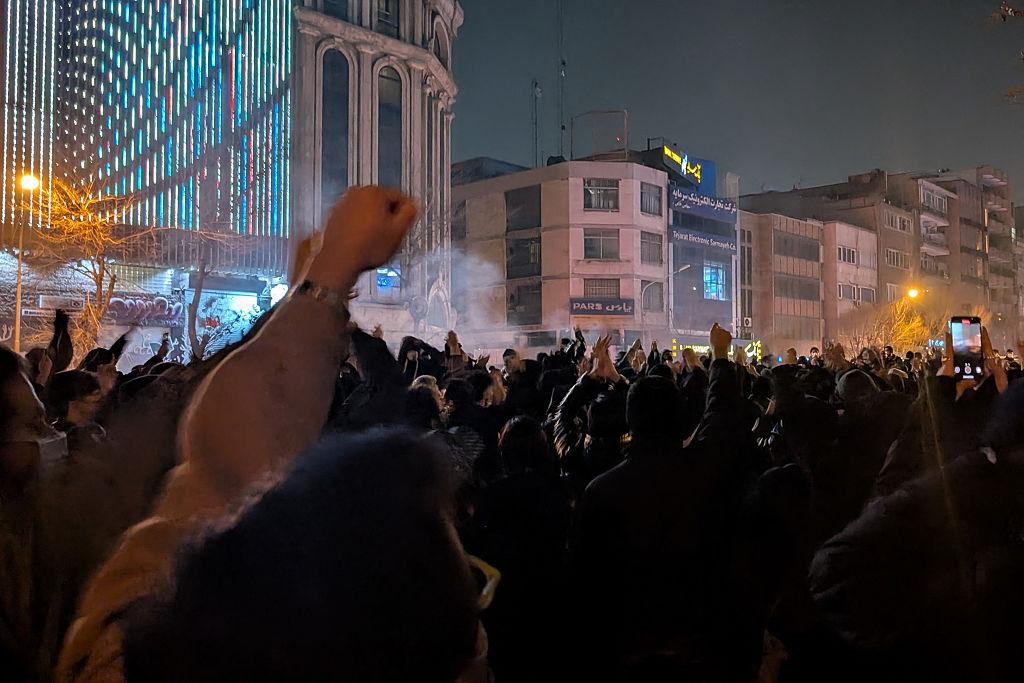
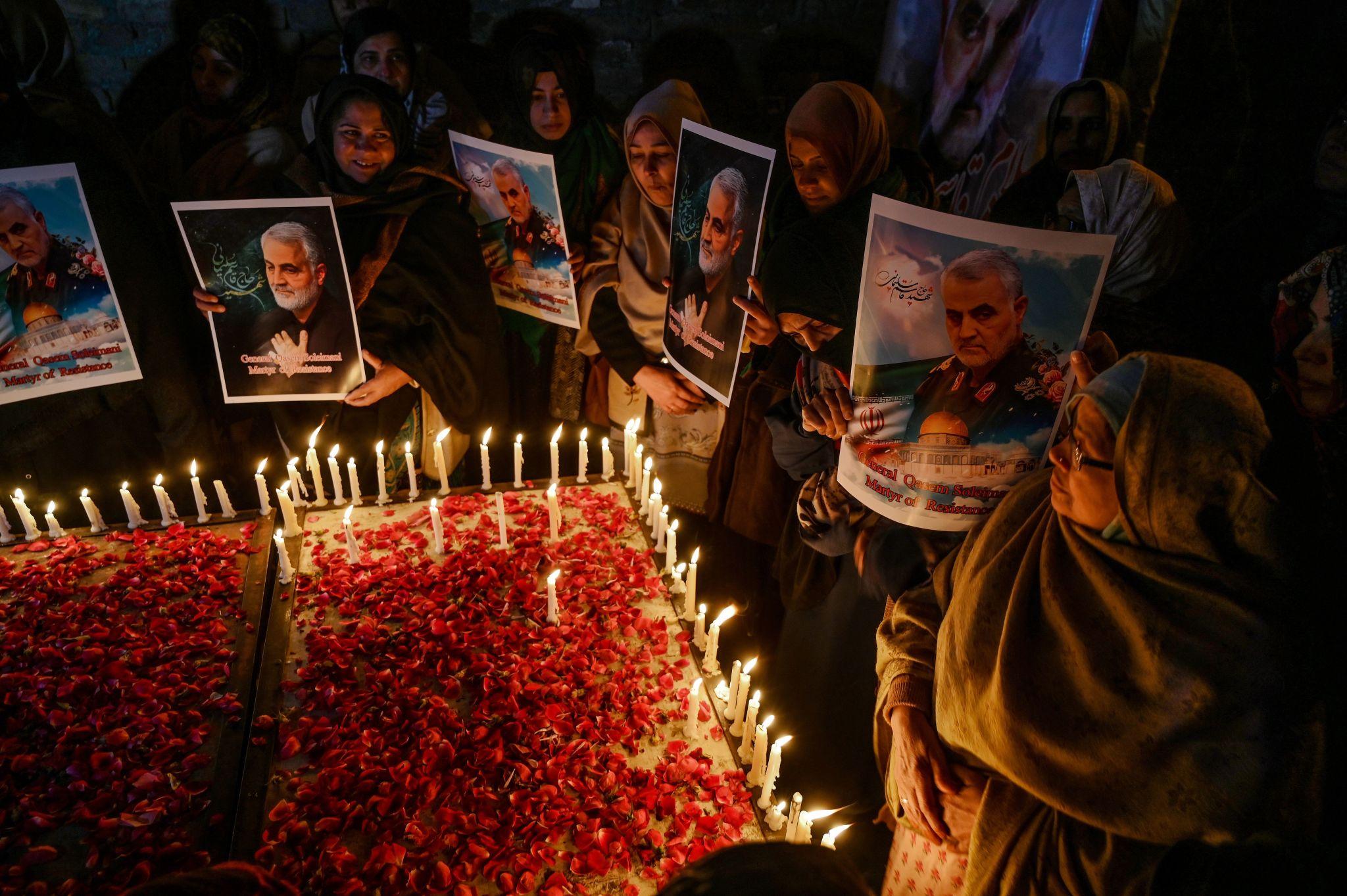
Across Tehran and other cities, citizens gathered in reflection and discussion. The Iran leadership crisis has prompted a wide spectrum of responses, from solemn observance to analytical debate about the country’s direction.
Community leaders called for calm, emphasizing national unity. Universities organized forums to discuss constitutional procedures and potential policy implications. Social media platforms reflected active dialogue about economic stability and generational leadership.
Business owners voiced cautious concern about market reactions, while many ordinary citizens expressed hope that the transition could bring clarity and renewed focus to economic challenges. Despite heightened emotions, large scale unrest has not materialized.
Public sentiment reflects the weight of the moment. For many, this period represents both uncertainty and opportunity.
Economic Signals and Market Stability
Financial markets reacted with moderate volatility in the days following the announcement. Currency exchange rates fluctuated as investors evaluated risk. The Iran leadership crisis has introduced short term unpredictability into an already complex economic environment.
Energy markets remain a central consideration. As a major regional producer, Iran’s policy trajectory influences global supply calculations. International traders monitored official communications for signs of continuity in export strategies.
Domestic economic planners sought to stabilize expectations by reiterating commitment to existing fiscal frameworks. Central bank officials emphasized liquidity stability and routine market oversight.
An independent economic analyst noted that investor confidence hinges on clear communication and steady governance. Market participants appear to be waiting for confirmation of leadership succession before making long term decisions.
Regional Security Calculations
Neighboring governments initiated diplomatic contact to assess implications for regional stability. The Iran leadership crisis carries strategic weight across the Middle East, where alliances and security frameworks remain interconnected.
Border monitoring increased in certain areas as a precautionary measure. However, no significant shifts in military posture were immediately observed. Regional leaders issued statements encouraging constitutional continuity and peaceful transition.
Energy exporting nations closely tracked oil price movements, mindful of how leadership outcomes could influence supply coordination. Diplomatic channels remained open, reflecting shared interest in preventing escalation.
Global Diplomatic Response
Major global powers adopted a measured tone in official statements. International organizations reiterated respect for sovereignty and constitutional process. The Iran leadership crisis has become a central topic in diplomatic consultations across Europe, Asia, and North America.
Financial institutions analyzed potential impacts on trade and investment flows. While uncertainty remains, global markets have not experienced severe disruption, suggesting confidence in Iran’s institutional durability.
A European diplomatic official commented that long term stability will depend on orderly succession and transparent communication. International observers appear focused on continuity rather than speculation.
Historical Perspective on Leadership Transitions
Leadership transitions in Iran have historically shaped national direction and regional posture. The governance system blends political administration with religious authority, creating a distinct constitutional framework.
The Iran leadership crisis fits within a broader pattern of pivotal national moments that tested institutional resilience. Past transitions demonstrated the capacity of governing bodies to navigate uncertainty while maintaining structural continuity.
Political historians argue that durability has often prevailed over abrupt transformation. That historical precedent provides context for current developments and informs expectations about the coming months.
Domestic Reform Debate and Generational Shifts
The current environment has intensified debate about generational leadership and reform priorities. Younger citizens increasingly advocate for economic modernization, technological expansion, and enhanced global engagement.
The Iran leadership crisis has reopened conversations about diversification beyond energy dependency and improved integration into international markets. Policy experts suggest that transitional periods often create space for recalibration.
At the same time, senior officials emphasize caution. Rapid structural change could introduce instability. Balancing reform aspirations with institutional continuity remains a delicate task.
Energy Markets and International Trade
Energy remains a cornerstone of national revenue and regional influence. The Iran leadership crisis has prompted traders and policymakers to evaluate possible adjustments in export strategy.
Oil price fluctuations were modest but noticeable. Shipping routes through the Persian Gulf continued normal operations. International buyers maintained contracts while awaiting further clarity.
Trade relationships with neighboring countries and major importers are expected to remain stable in the short term. Economic planners reiterated commitment to honoring existing agreements.
Institutional Continuity and Security Readiness
Security agencies maintained readiness to respond to potential unrest. So far, demonstrations have remained limited and largely peaceful. Public messaging has consistently emphasized unity and patience.
Government ministries continued routine operations. Courts processed scheduled cases, and financial regulators oversaw market activities without interruption. The Iran leadership crisis has tested resilience but not halted governance.
Institutional functionality plays a critical role in shaping international perception. Visible continuity reinforces confidence among diplomatic partners and investors.
Strategic Outlook for 2026
As 2026 progresses, the Iran leadership crisis stands as one of the most consequential developments in Tehran’s recent history. Political succession, economic stability, and diplomatic posture intersect during this critical period.
Observers agree that the coming weeks will be decisive. Leadership consensus will influence policy continuity and regional relationships. Stability remains the stated priority of governing bodies.
The outcome will shape not only domestic governance but also Iran’s role within a shifting geopolitical landscape. Whether the transition reinforces continuity or introduces recalibration depends on internal deliberations currently underway.
For now, Tehran navigates a pivotal chapter defined by constitutional process, cautious optimism, and international scrutiny. The direction chosen in this moment will resonate far beyond 2026, shaping perceptions of governance, resilience, and strategic balance in the years ahead.