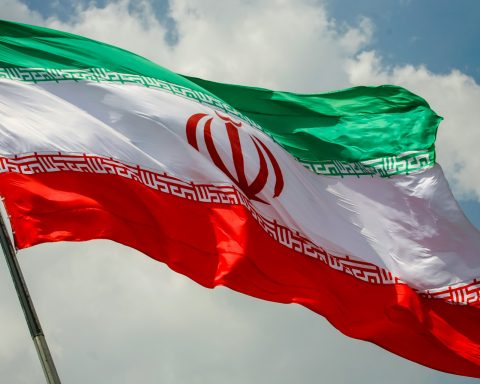
Iranian digital infrastructure faces escalating threat in Tehran 2026 as cyber disruptions test national systems.
Government portals, banking platforms, and telecom networks experienced temporary strain.
Officials say core services remain secure while cybersecurity defenses are reinforced.
Tehran, Iran – March 2, 2026 — According to Parliament News, that Iranian digital infrastructure is under intensified scrutiny in 2026 as cyber disruptions and regional tensions converge, testing the resilience of the nation’s most critical online systems. From financial services and telecommunications to public administration and energy coordination platforms, the stability of digital networks has become central to both national security and economic continuity.
Authorities confirmed that intermittent disruptions affected selected services earlier this week. While essential systems remained operational, temporary slowdowns and connectivity irregularities raised concerns among citizens, businesses, and international observers. Officials moved quickly to reassure the public that core frameworks remain intact and that defensive protocols have been strengthened.
The episode has reignited debate about cyber preparedness, digital sovereignty, and the long term sustainability of Iranian digital infrastructure in a rapidly evolving threat environment.
Early Signs of Disruption
The first indicators of strain appeared when users in Tehran and other major cities reported difficulty accessing government portals and certain mobile banking applications. Online tax filing services experienced slower response times, and some communication platforms faced brief interruptions.
Although the disruptions were not uniform nationwide, the concentration of reports suggested coordinated technical pressure rather than isolated hardware failures. Cybersecurity teams began analyzing network logs and traffic anomalies to determine whether malicious activity contributed to the slowdowns.
Public reaction was measured but cautious. Citizens increasingly rely on digital systems for daily life, including payments, healthcare scheduling, and administrative procedures. Even minor outages can create a sense of vulnerability when connectivity is deeply embedded in economic and social routines.
Government Response and Crisis Management
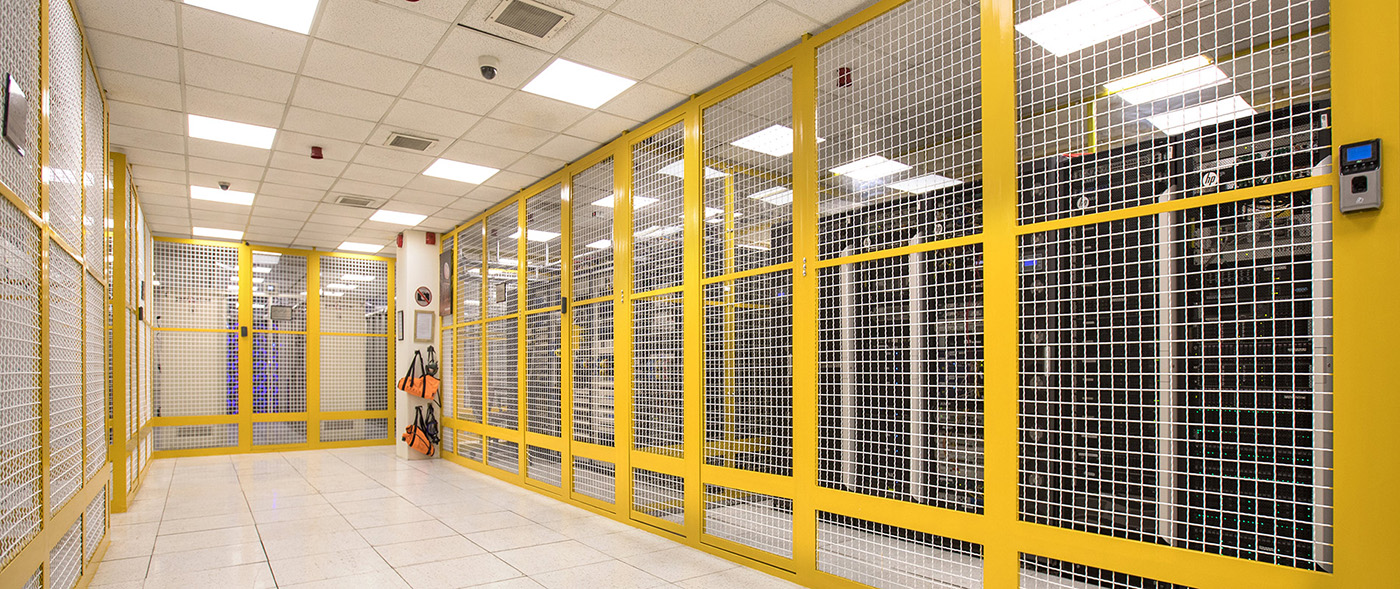
Within hours, officials announced that stabilization protocols had been activated. National data centers rerouted traffic to backup servers to ease congestion. Firewalls were reinforced, and monitoring systems were adjusted to identify suspicious traffic patterns in real time.
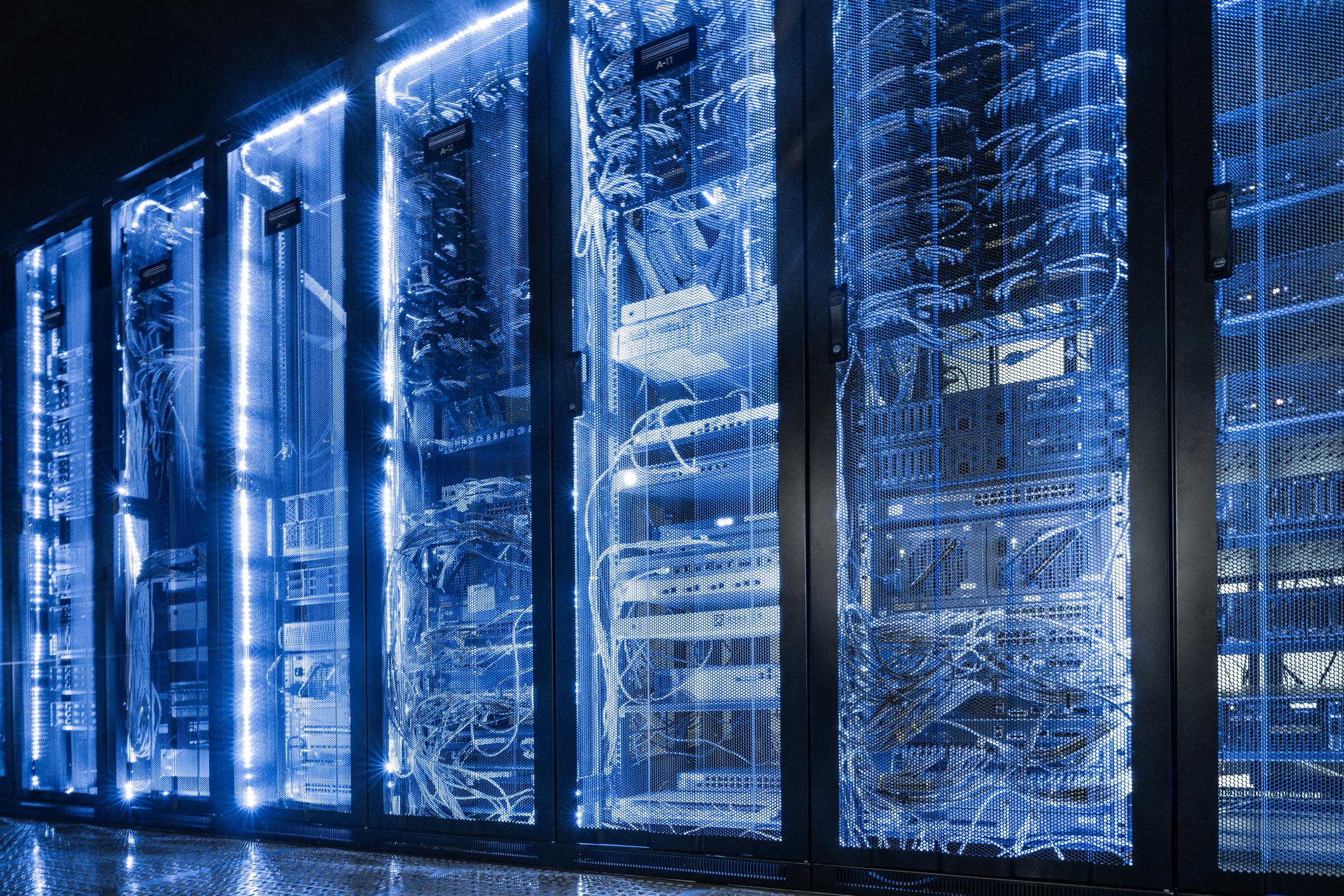
Authorities emphasized that Iranian digital infrastructure is designed with redundancy and compartmentalization. Critical networks operate separately from public facing services, limiting the risk of widespread failure. Technical teams worked overnight to ensure that essential systems remained secure.
In a formal briefing, a senior cybersecurity adviser stated,
“We recognize the strategic importance of protecting our digital foundations, and our systems are being reinforced to ensure stability under any circumstances.”
The statement reflected a measured tone, focusing on reassurance rather than escalation.
Financial Sector Stability
The financial system often serves as the first visible indicator of digital strain. Banks and payment processors depend heavily on centralized databases and secure communication channels. During the recent disruptions, regulators confirmed that core banking records were unaffected.
However, high traffic volumes temporarily slowed customer facing mobile applications. Some users experienced delays in transaction confirmations, though no widespread payment failures were recorded. Authorities stressed that backup processing routes remained functional throughout the incident.
Economic analysts note that public confidence in financial platforms is critical during periods of geopolitical tension. The resilience of Iranian digital infrastructure within the banking sector helped prevent panic and maintain transactional continuity.

Telecommunications and Energy Coordination
Telecommunications networks represent another pillar of national stability. Internet service providers reported localized congestion but denied systemic outages. Routing adjustments helped distribute traffic more evenly across data pathways.
Energy officials confirmed that grid management systems were not compromised. Control centers that regulate electricity distribution and industrial coordination remained insulated from external access points.
The incident highlighted how interconnected sectors rely on shared digital foundations. Even minor stress in one component can ripple across others if not carefully contained.
Cybersecurity Preparedness in 2026
The global cybersecurity environment has grown increasingly complex in recent years. Advanced persistent threats, ransomware campaigns, and distributed denial of service operations are now routine components of digital conflict.
Iranian digital infrastructure operates within this broader landscape of evolving risks. Defensive strategies have expanded to include artificial intelligence driven monitoring tools, enhanced encryption protocols, and multi layer authentication systems.
Experts emphasize that preparedness involves continuous adaptation. Cybersecurity is not a static shield but an evolving system requiring constant updates, training, and strategic foresight.
Regional Geopolitical Tensions and Digital Implications
Regional tensions frequently extend into cyberspace. Digital disruptions can serve symbolic and strategic purposes, signaling capability without escalating into direct physical confrontation.
Although authorities have not publicly attributed the recent strain to a specific actor, analysts suggest that digital pressure often coincides with geopolitical friction. Attribution remains complex, as cyber operations can be masked through global server networks.
The convergence of political tension and digital disruption underscores the importance of resilient Iranian digital infrastructure as a national priority.
Public Confidence and Information Management
Managing public perception is as important as managing technical systems. During the disruption, officials encouraged citizens to rely on verified announcements and avoid spreading unconfirmed reports online.
Misinformation can amplify anxiety even when technical issues are limited in scope. Transparent communication played a role in maintaining trust.
Community leaders and business associations echoed calls for patience, emphasizing that temporary slowdowns do not necessarily indicate structural collapse.
Business Sector Adaptation
Private enterprises have become increasingly proactive in strengthening internal security frameworks. E commerce companies, logistics firms, and financial institutions reviewed contingency plans following the disruptions.
Corporate leaders acknowledged that Iranian digital infrastructure forms the backbone of daily commercial activity. Interruptions, even brief ones, can disrupt supply chains and delay shipments.
Insurance providers are also reassessing cyber risk coverage, reflecting a growing recognition that digital resilience is intertwined with economic security.
Investment in Infrastructure Modernization
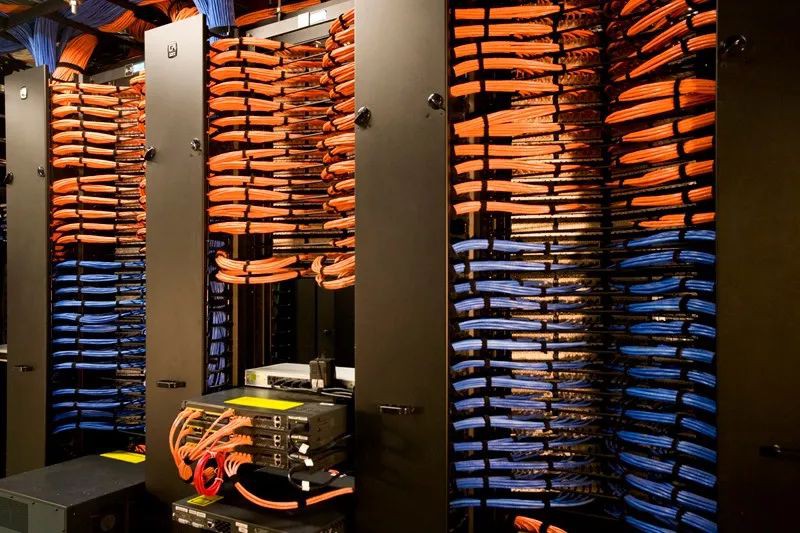
Over the past decade, modernization initiatives have expanded data center capacity and extended fiber optic connectivity into underserved regions. Domestic technology development programs aim to reduce reliance on imported components.
Officials argue that these efforts have strengthened Iranian digital infrastructure against external pressure. However, experts caution that modernization must be paired with skilled personnel training and ongoing security audits.
Universities and research institutes have expanded cybersecurity curricula to cultivate a new generation of digital defense specialists.
International Monitoring and Market Sensitivity
Global markets closely monitor cyber stability in energy producing nations. Even localized digital disruptions can influence investor sentiment and commodity pricing.
International observers have noted the resilience displayed by Iranian digital infrastructure during the recent strain. Energy exports continued without interruption, and trade routes remained operational.
Nonetheless, analysts warn that prolonged instability in digital systems could eventually affect cross border commerce and financial flows.
Digital Sovereignty and Strategic Autonomy
The concept of digital sovereignty has gained prominence worldwide. Nations seek greater control over domestic networks, data storage, and software ecosystems.
Iranian digital infrastructure forms a core component of this strategic autonomy. Policymakers emphasize self reliance in key technological sectors to reduce exposure to external leverage.
Balancing sovereignty with global integration remains a complex challenge. Excessive isolation can hinder innovation, while overdependence can create vulnerability.
Historic Comparison
The strain placed on Iranian digital infrastructure in 2026 reflects a broader evolution in how national crises unfold. In earlier decades, infrastructure stress typically involved physical damage to roads, bridges, or power plants. For example, during periods of regional tension in the late twentieth century, disruptions were primarily tangible and visible.
Today, however, the most consequential vulnerabilities often exist within data centers and communication networks rather than physical structures. This shift mirrors global trends in which digital systems now underpin governance, commerce, and security. The comparison underscores how national resilience has transitioned from concrete foundations to code driven frameworks.
Long Term Strategic Implications
The recent disruptions underscore a critical reality: long term stability depends on strengthening Iranian digital infrastructure through sustained investment and strategic planning. Around the world, governments are increasing cybersecurity budgets and deepening coordination between public institutions and private technology partners. Iran is expected to follow a similar path, prioritizing advanced threat detection systems, stronger encryption frameworks, and expanded cyber intelligence cooperation to reinforce Iranian digital infrastructure against evolving risks.
Policy planners are also emphasizing public education. Awareness campaigns aimed at promoting safe online behavior, recognizing phishing attempts, and countering misinformation are likely to expand. By combining technological safeguards with informed citizen participation, authorities hope to build a more resilient digital environment anchored in secure Iranian digital infrastructure.
Resilience Through Preparedness
The recent episode demonstrated that layered defenses and redundancy planning can shield Iranian digital infrastructure from escalating technical stress. Backup servers, diversified routing channels, and rapid response protocols helped prevent localized disruptions from turning into systemic breakdowns. Essential services remained accessible, and stabilization occurred within hours rather than days.
Preparedness extends beyond hardware upgrades. It involves governance reforms, transparent communication, and coordinated crisis management structures that operate efficiently under pressure. The ability to mobilize expertise quickly and maintain public confidence is now a defining measure of digital strength.
Today, Iranian digital infrastructure stands at the center of national resilience. It influences economic continuity, public service delivery, and the country’s broader geopolitical posture.
The Digital Frontier of National Security
As 2026 progresses, digital systems continue to shape the trajectory of national security strategies. Cyber resilience has evolved from a technical objective into a core strategic priority affecting diplomacy, trade, and domestic stability. The protection of Iranian digital infrastructure is increasingly viewed as synonymous with protecting national sovereignty itself.
Recent events reinforce a broader lesson: in an interconnected world, safeguarding Iranian digital infrastructure is inseparable from safeguarding economic confidence and public trust. Data networks, communication platforms, and secure digital services form the invisible framework upon which modern governance operates.
Although immediate pressures have subsided, the long term mandate remains clear. Sustained vigilance, strategic investment, and adaptive policymaking will determine how effectively Iranian digital infrastructure withstands future challenges in a rapidly changing global landscape.