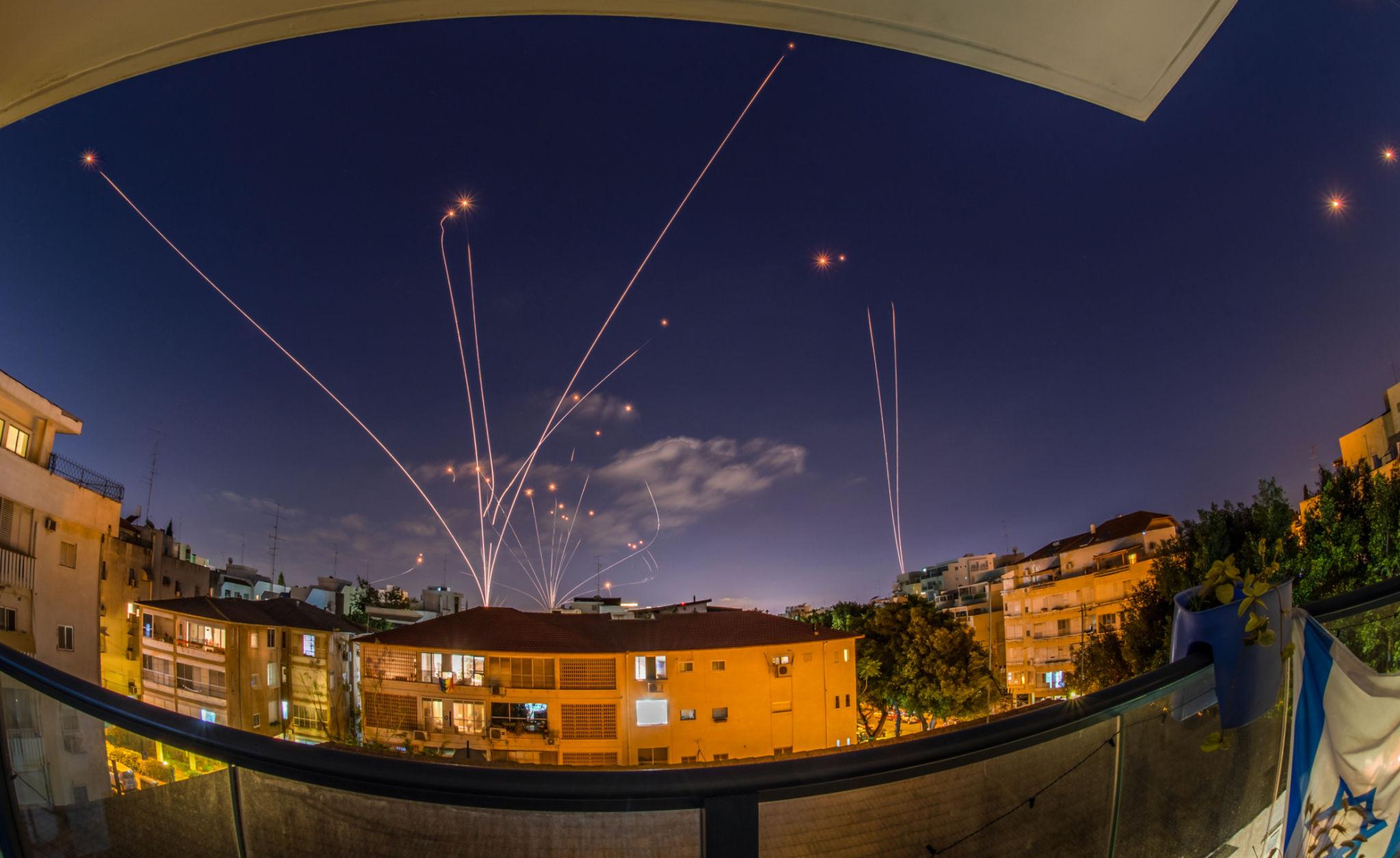
Sirens sound in northern central Israel late on March 4 2026, prompting residents to rush to shelters.
Defense systems activated across Tel Aviv and Haifa as alerts echoed overnight.
Officials say monitoring continues amid heightened regional tensions.
TEL AVIV, March 4, 2026 – Parliament News — The phrase Sirens sound in northern central Israel defined a tense night across Tel Aviv, Haifa, and surrounding communities as emergency warning systems activated shortly after midnight on March 4 2026. Residents across multiple districts reported hearing air raid alerts, prompting immediate movement to shelters in accordance with national security protocols.
Authorities confirmed that radar systems detected potential aerial threats, triggering the alert sequence. When Sirens sound in northern central Israel, residents typically have less than a minute to reach protective areas. Officials stated that interception systems were activated and that monitoring remains ongoing as of early morning.
The activation has intensified attention on regional security dynamics, with defense officials emphasizing preparedness and restraint while assessing further developments.
Sequence of Events Leading to the Alert
Security officials said the detection originated from advanced radar systems monitoring northern and central airspace. The alert network was activated once confirmation thresholds were met, and Sirens sound in northern central Israel almost simultaneously across several municipalities.
Defense sources indicated that air defense units responded within seconds. Interception systems were deployed where necessary. Preliminary evaluations suggest several projectiles were intercepted before reaching populated areas.
Authorities issued an all clear after assessing the immediate threat had passed. No widespread casualties were reported in initial briefings.
Cities Most Affected During the Night
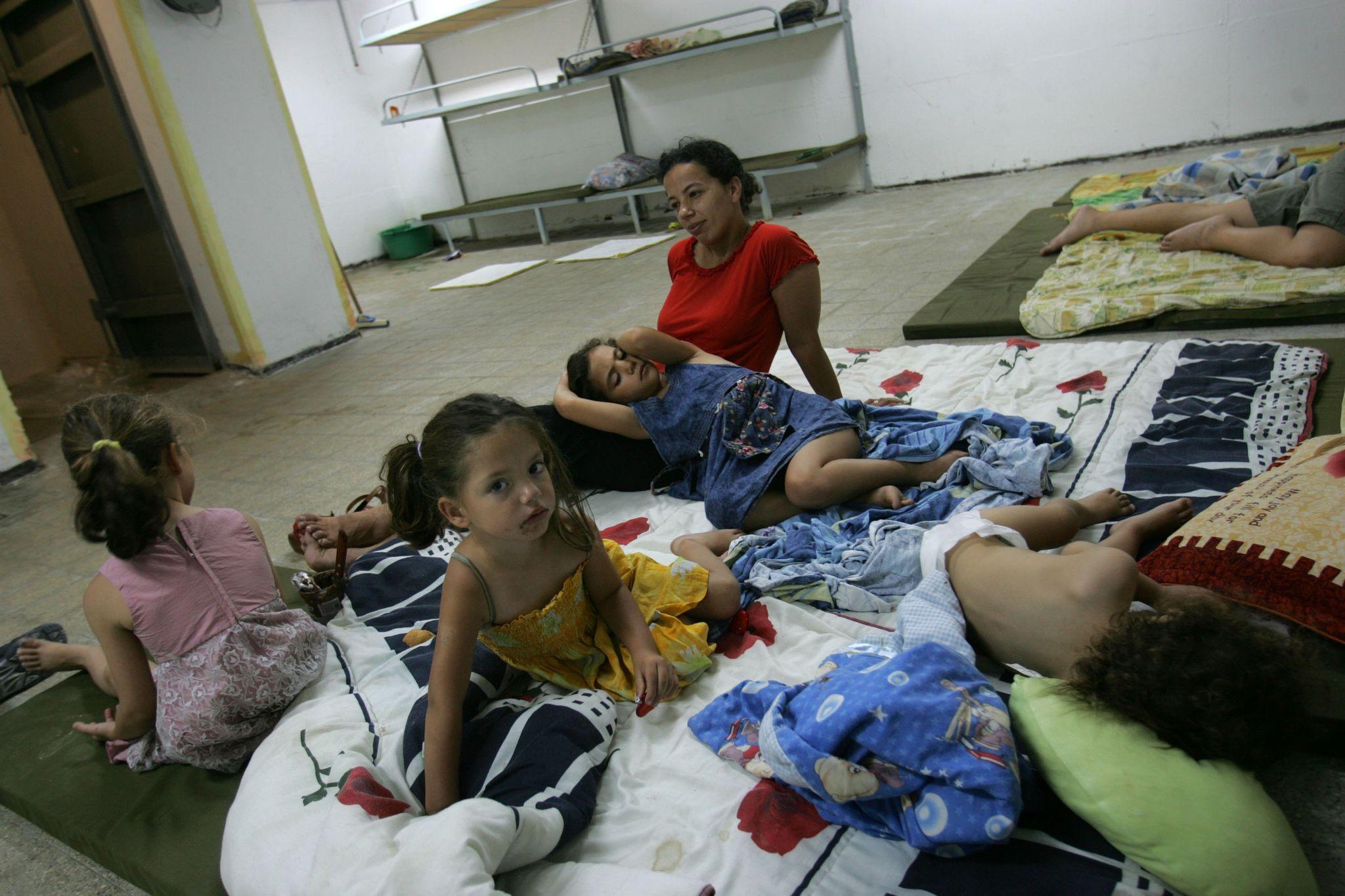
Communities in Tel Aviv, Haifa, Netanya, and adjacent areas experienced the alerts. When Sirens sound in northern central Israel, public transportation temporarily halts and commercial centers close briefly to allow safe sheltering.
Municipal emergency teams coordinated local responses. Schools in selected districts delayed openings pending further security reviews. Hospitals maintained standard emergency readiness without reporting surge incidents.
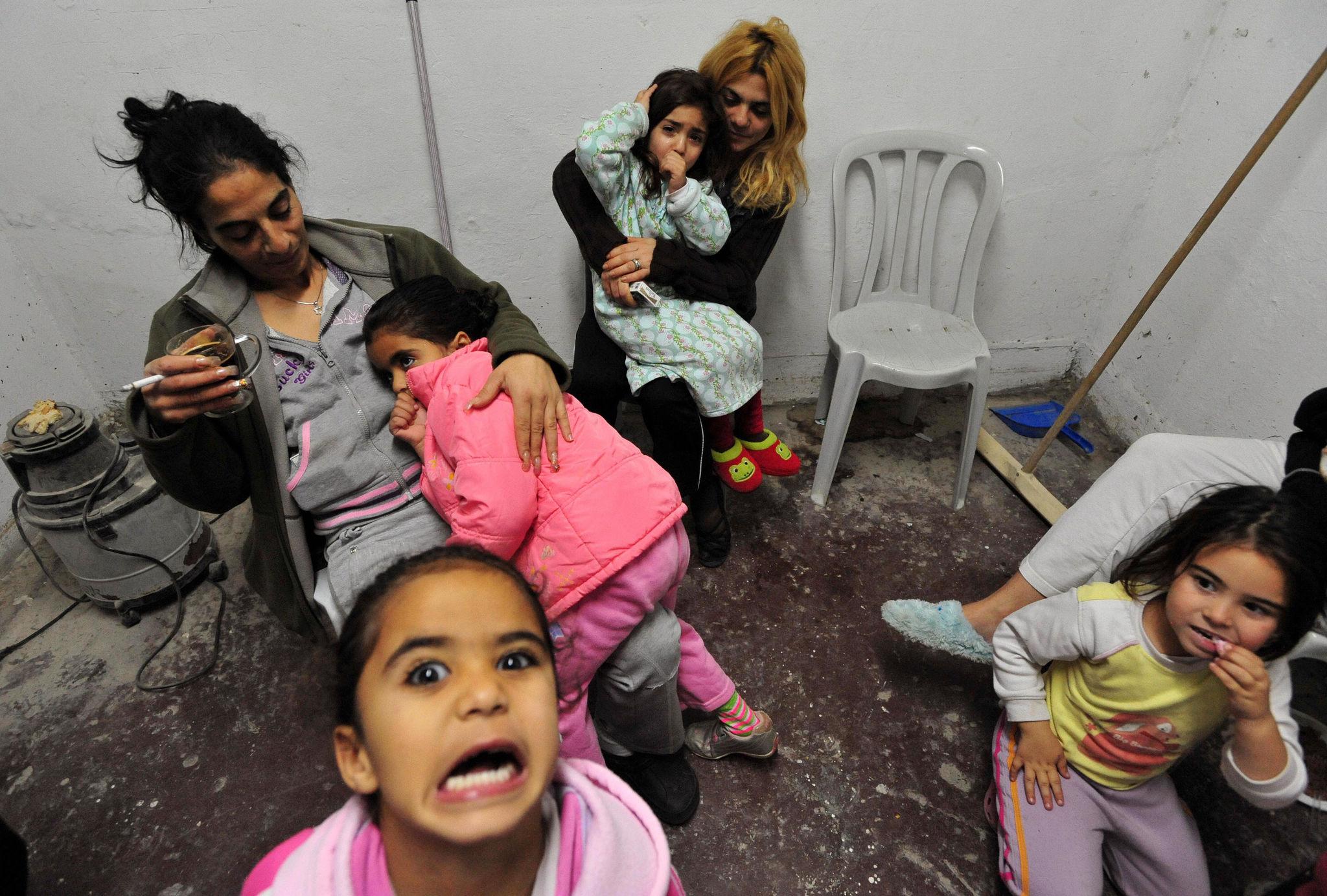
Residents described the atmosphere as tense yet disciplined. Emergency drills conducted throughout the year appeared to support orderly responses.
Air Defense Systems Activated
Israel’s multilayered air defense structure is designed for rapid reaction when Sirens sound in northern central Israel. Systems such as Iron Dome automatically calculate projectile trajectories and determine whether interception is necessary.
Military analysts explain that not all detected objects require interception, as some may land in unpopulated areas. The system prioritizes populated zones to minimize risk.
Defense officials emphasized that response mechanisms operated effectively during the March 4 activation. Surveillance continues as a precaution.
Public Guidance and Community Response
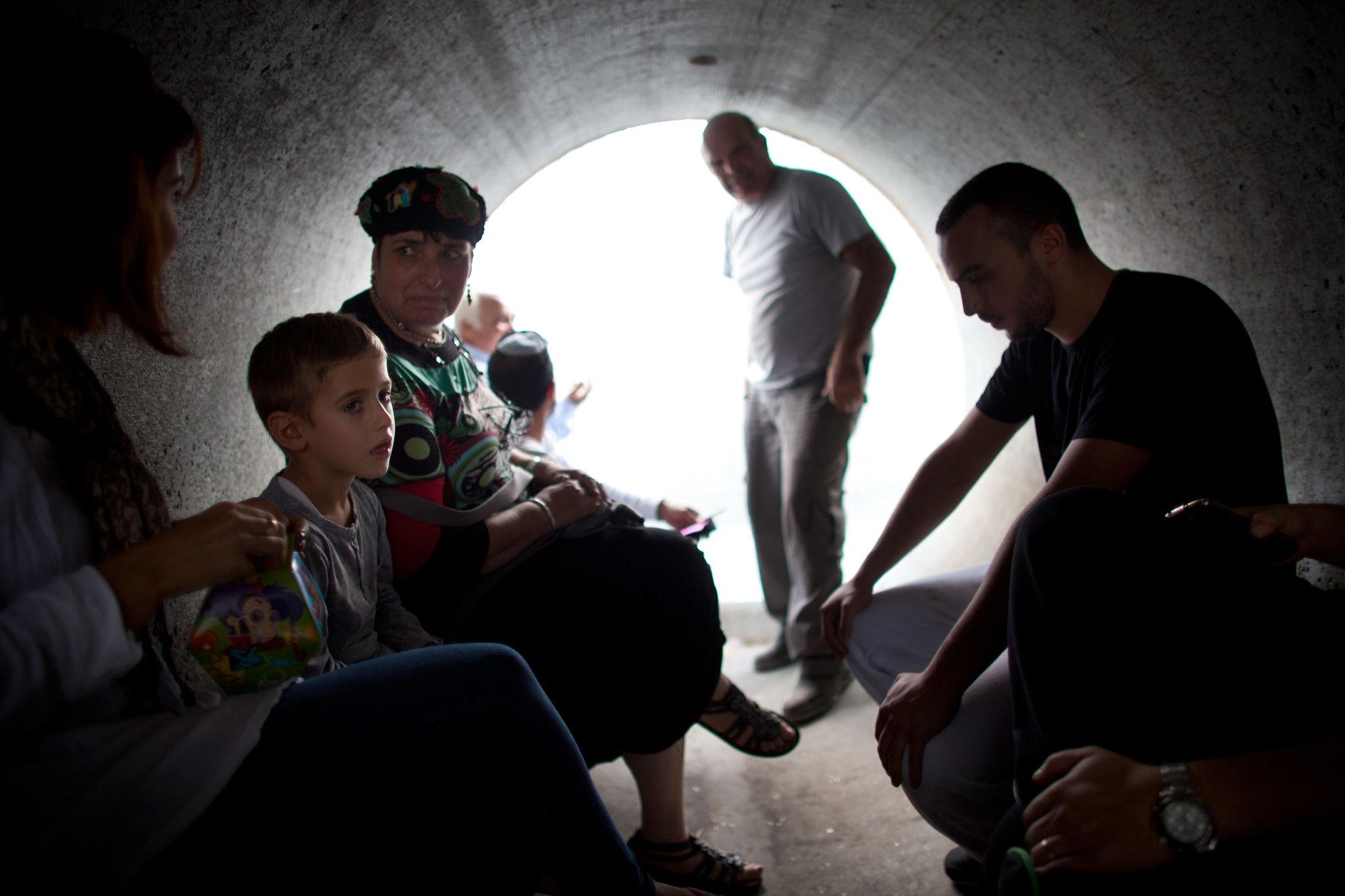
Emergency authorities urged residents to remain near shelters and follow official instructions. When Sirens sound in northern central Israel, public awareness and preparation are crucial to minimizing harm.
Community volunteers assisted elderly residents and families with children. Neighborhood communication networks shared verified updates to prevent misinformation.
A senior security official stated,
“Our priority remains the safety of civilians, and our systems are designed to respond quickly and responsibly.”
This statement reflected official emphasis on measured action and preparedness.
Regional Context Behind the Escalation
The activation occurred amid ongoing regional tensions. Analysts note that each time Sirens sound in northern central Israel, it signals broader geopolitical pressures affecting security stability.
Neighboring governments closely monitored the situation. Diplomatic channels remained active overnight, with calls for restraint and de escalation.
While no immediate retaliatory measures were announced, the environment remains sensitive.
International Reaction and Diplomatic Activity
Global leaders responded cautiously after confirmation that Sirens sound in northern central Israel. International organizations reiterated calls for dialogue to prevent further escalation.
European and North American officials expressed support for civilian protection measures while encouraging diplomatic engagement.
Markets in Asia and Europe reacted with mild volatility, reflecting investor sensitivity to Middle East developments.
Economic and Energy Market Implications
Energy markets often respond when Sirens sound in northern central Israel, particularly given the region’s proximity to major shipping corridors. Oil prices experienced brief fluctuations before stabilizing.
Logistics providers assessed risk levels for cargo routes in the Eastern Mediterranean. Economists suggest that prolonged tension could influence transportation costs.
At present, trade flows remain largely uninterrupted.
Evolution of Israel’s Early Warning Systems
Air raid sirens have been part of Israel’s defense infrastructure since the mid twentieth century. Early warning networks were initially limited in scope but expanded significantly as technology advanced.
Modern radar systems now integrate satellite data and real time communication platforms. The recurring headline that Sirens sound in northern central Israel reflects decades of investment in detection and interception technology.
Historical analysis shows that early warning capabilities have played a critical role in reducing casualties during past conflicts. Over time, response times have shortened and interception accuracy has improved.
Psychological Impact on Civilians
Beyond physical safety, repeated alerts can have psychological consequences. Mental health professionals emphasize coping strategies when Sirens sound in northern central Israel, particularly for children.
Counselors advise maintaining routine and discussing events calmly. Community resilience programs offer support for families experiencing stress.
Officials encourage reliance on verified information to reduce anxiety and prevent rumor spread.
Security Preparedness and Ongoing Monitoring
Defense forces remain on heightened alert following the March 4 incident. Surveillance operations continue across northern and central districts.
Authorities have not indicated whether further alerts are imminent. However, contingency planning remains active.
The government reiterated that preparedness and coordination remain central to national defense strategy.
Broader Strategic Considerations
The event underscores the delicate balance between deterrence and diplomacy in the region. When Sirens sound in northern central Israel, it serves as a reminder of ongoing security challenges.
Strategic analysts argue that maintaining open diplomatic channels is essential to preventing broader conflict. Military readiness alone does not guarantee stability.
Regional cooperation and measured communication are widely viewed as critical factors moving forward.
Communities Under the Warning Sky
Residents across northern and central districts returned to daily routines after the all clear. Schools reopened in most areas later in the morning, though security assessments continue.
Emergency services praised public compliance with safety instructions. Civil defense agencies reiterated guidance for future incidents.
Preparedness drills remain a cornerstone of community resilience.
Looking Ahead After March 4 2026
As of March 4 2026, officials continue monitoring regional developments. The headline that Sirens sound in northern central Israel has once again captured global attention, highlighting the region’s complex security environment.
Authorities emphasize vigilance, calm communication, and international dialogue. Whether tensions ease or escalate will depend on diplomatic engagement in the coming days.
For now, communities remain prepared, and defense systems remain active. The events of March 4 underscore both the vulnerability and resilience that define life in this region.