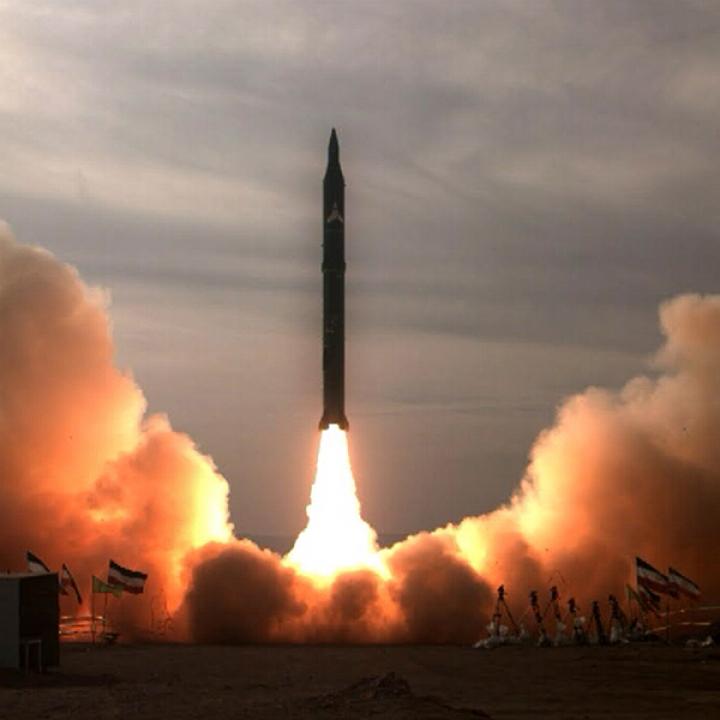
A new Iran missile launch in Tehran has intensified security concerns across the Middle East.
Regional governments are monitoring the situation as global analysts evaluate the implications.
The development comes amid heightened geopolitical tensions in 2026.
Tehran Military Activity Draws Global Attention
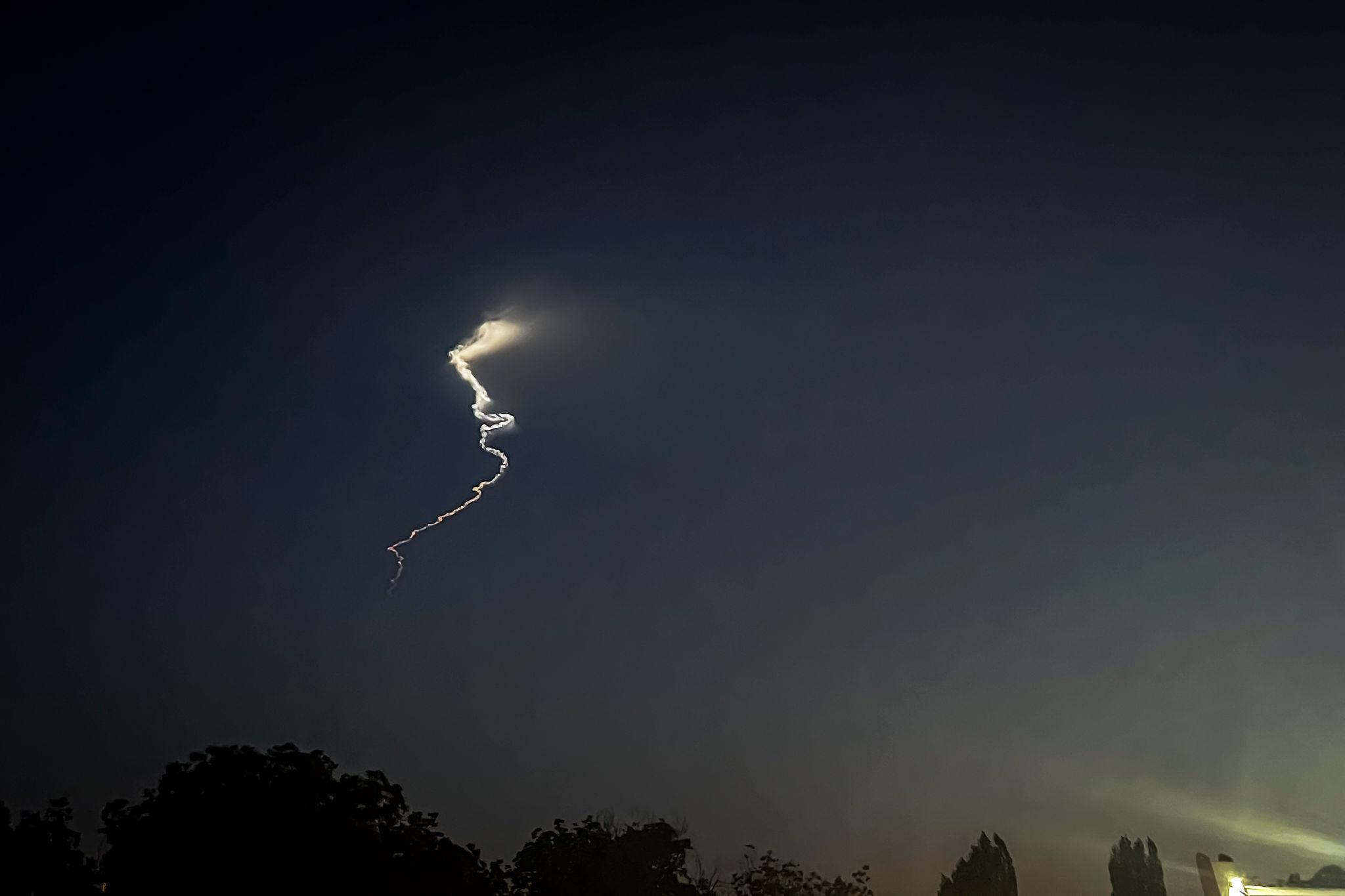
Tehran, Iran — March 4, 2026: According to information circulated through international news monitoring channels including Parliament News, a new Iran missile launch has drawn widespread attention across the Middle East and beyond.
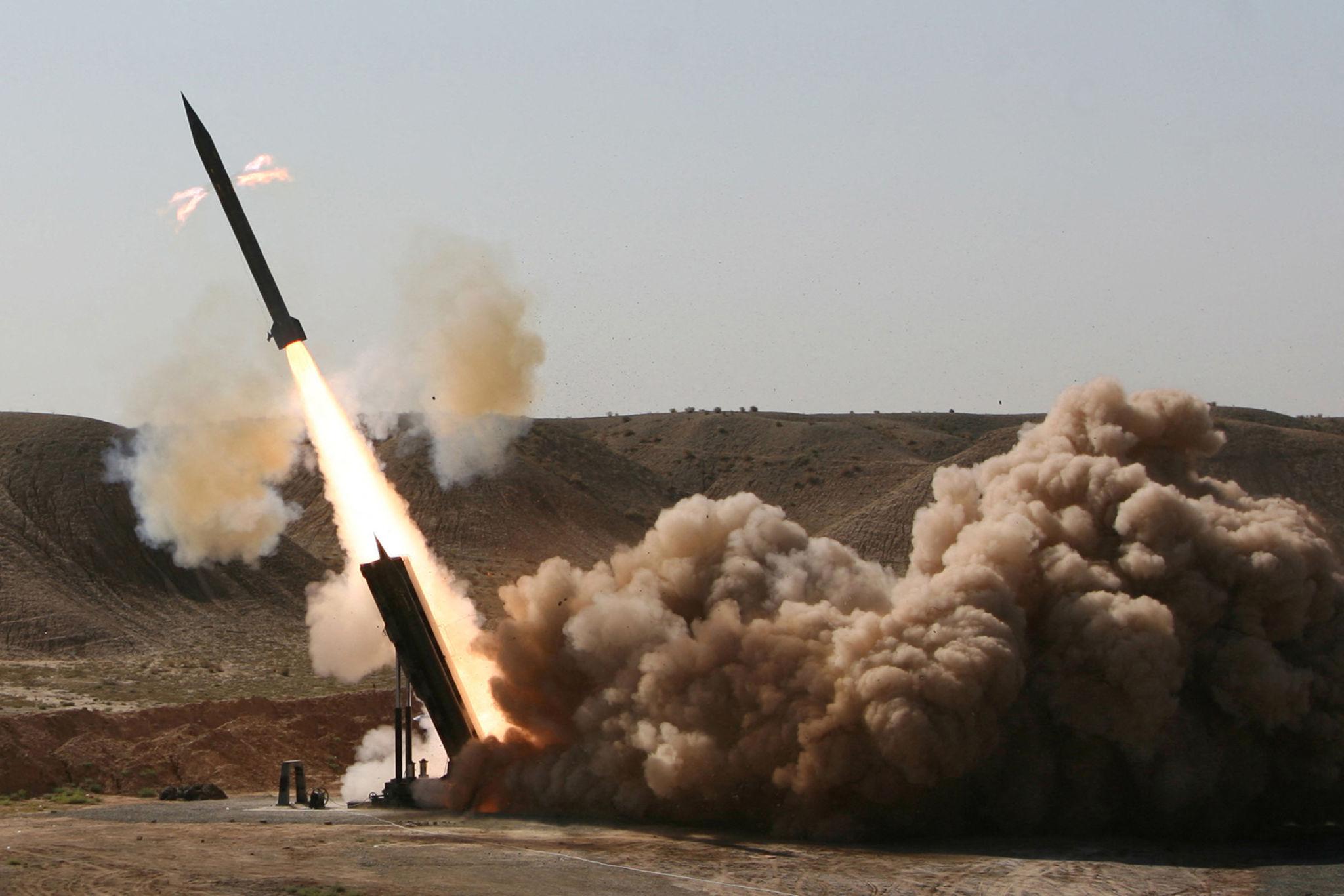
Officials in Iran acknowledged that several projectiles were launched during what authorities described as a coordinated military operation. The launch occurred during a period of already heightened geopolitical tension, prompting governments and security agencies around the world to closely examine the event.
Military analysts note that the latest Iran missile launch highlights the strategic role that missile technology plays in the country’s defense doctrine. Iran has consistently emphasized the importance of maintaining missile capabilities as part of its national security framework.
Regional governments quickly began evaluating the potential implications of the launch. Missile activity in the Middle East often prompts immediate monitoring by defense agencies due to the region’s complex political and military landscape.
The development has also sparked renewed discussion among global policymakers about stability in the region and the evolving dynamics of military deterrence.
Regional Governments Increase Security Monitoring
The Iran missile launch immediately triggered heightened monitoring from neighboring countries that routinely track military developments in the region.
Many governments maintain advanced radar and satellite tracking systems designed to detect missile launches and analyze trajectory data. These systems help determine whether launches are part of routine military exercises or represent more significant developments.
Following the Iran missile launch, security agencies across the region began gathering intelligence regarding the missiles’ range, trajectory, and technological characteristics.
Defense analysts say that such launches often prompt temporary adjustments in military readiness levels. Even when launches are described as defensive demonstrations, regional governments typically conduct precautionary evaluations.
Strategic analysts say the Iran missile launch also underscores how missile programs remain central to the balance of power in the Middle East.
Global Diplomatic Reactions Begin to Surface
International reactions to the Iran missile launch began emerging shortly after the event became widely known.
Officials from several countries emphasized the importance of maintaining stability and avoiding further escalation in a region that has experienced decades of geopolitical tension.
Diplomatic channels often become active following military demonstrations of this scale. Governments typically seek clarification about the purpose and scope of the activity to better understand potential implications.
One European security analyst said the situation requires careful observation.
“Military demonstrations in this region must always be evaluated within the broader geopolitical environment,”
the analyst explained.
The Iran missile launch is likely to be discussed during upcoming international security consultations as policymakers examine the event within the context of ongoing regional tensions.
Military Strategy and Defense Signaling
Defense experts say missile launches can serve multiple purposes beyond simple testing.
A single Iran missile launch may function as a demonstration of technological capability, a strategic signal to rival states, or a message intended for domestic audiences.
Iran’s defense doctrine has historically relied heavily on missile systems because they provide a relatively cost effective way to establish deterrence capability.
Unlike some nations that rely primarily on air power, Iran has developed missile technology as a central element of its military strategy.
The latest Iran missile launch therefore fits within a long established pattern of strategic signaling used by governments around the world.
Such demonstrations can reinforce national defense narratives while simultaneously communicating technological capabilities to potential adversaries.
Impact on Global Energy Markets
Events in the Middle East frequently influence global economic conditions, particularly in energy markets.
Whenever a significant military development occurs, including an Iran missile launch, energy traders and financial analysts closely monitor the situation.
The Middle East contains several of the world’s most important oil production centers and transportation routes. As a result, geopolitical developments can quickly influence global oil prices.
While the immediate economic impact of the latest Iran missile launch remains uncertain, financial analysts say markets typically respond cautiously when tensions appear to increase.
Even limited military demonstrations can influence investor sentiment and global economic forecasts.
Intelligence Analysis and Satellite Monitoring
In the days following the Iran missile launch, intelligence agencies around the world are expected to examine satellite imagery and radar data to better understand the event.
Advanced surveillance technology allows analysts to determine launch locations, missile trajectories, and potential range capabilities.
These evaluations help governments understand whether the Iran missile launch reflects routine testing activity or a broader military initiative.
Military observers will likely analyze technical aspects such as propulsion systems, launch coordination, and guidance technology.
Such analysis can provide valuable insight into the evolving capabilities of Iran’s missile program.
Defense Preparedness Across the Region
Following the Iran missile launch, several countries may temporarily increase monitoring of their missile defense systems.
Modern missile defense networks rely on sophisticated radar tracking and interception technologies designed to respond quickly to potential threats.
Although many missile launches are purely demonstrative, governments often use these moments to review preparedness levels and defense protocols.
The Iran missile launch therefore serves as a reminder of how closely regional security systems must coordinate during periods of heightened tension.
Defense planners frequently use such events to refine contingency strategies and evaluate technological readiness.
History of Iran’s Missile Development
Understanding the significance of the latest Iran missile launch requires examining the historical evolution of the country’s missile program.
Iran began developing missile capabilities decades ago as part of efforts to strengthen its national defense infrastructure.
Over time, the country expanded its research and production capabilities, gradually developing a variety of missile systems with different operational ranges.
Historical developments in the region influenced this strategy. During periods of conflict and international sanctions, missile technology became an important alternative to other forms of military modernization.
As a result, missile systems gradually became one of the most visible elements of Iran’s defense policy.
The modern Iran missile launch events seen today reflect decades of technological development, strategic planning, and military doctrine evolution.
Diplomatic Challenges Ahead
The geopolitical implications of the Iran missile launch extend beyond military considerations.
Diplomats around the world must now evaluate how the event may influence ongoing negotiations and regional relationships.
Security developments often affect diplomatic discussions involving defense cooperation, economic sanctions, and regional alliances.
Political leaders typically weigh both the military and diplomatic dimensions of such events before deciding on potential responses.
The latest Iran missile launch therefore represents not only a military development but also a potential diplomatic challenge.
Strategic Messaging in a Complex Region
Security experts often emphasize that missile demonstrations are rarely isolated technical exercises.
A single Iran missile launch can serve as a strategic message directed toward multiple audiences including rival governments, allies, and domestic populations.
Military analysts say understanding these messages requires examining the broader geopolitical context.
Regional tensions, diplomatic negotiations, and domestic political considerations can all influence the timing and interpretation of missile activity.
The recent Iran missile launch therefore carries symbolic as well as strategic significance.
A Region Watching Closely
As governments and analysts continue evaluating the implications of the Iran missile launch, the broader Middle East remains under close observation.
The region’s security environment has long been shaped by shifting alliances, military competition, and diplomatic negotiations.
Events such as the Iran missile launch can quickly become focal points in international discussions about regional stability.
Policymakers will likely continue monitoring developments in the coming weeks while assessing potential responses.
One regional security expert summarized the situation clearly.
“Every missile launch in the Middle East sends a message,”
the analyst said.
“Understanding that message requires careful analysis and responsible diplomacy.”
When Military Demonstrations Shape Global Dialogue
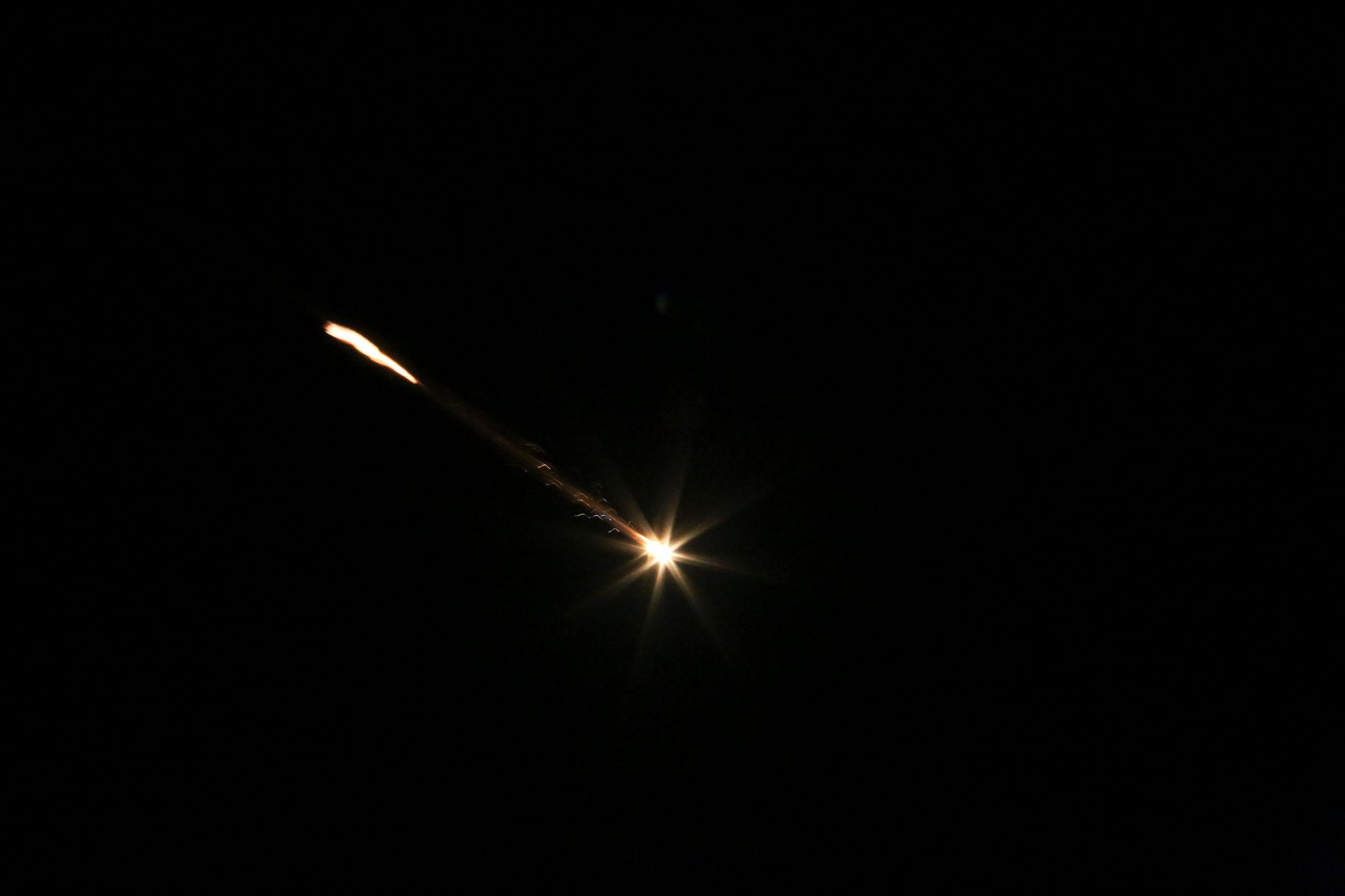
The latest Iran missile launch highlights how quickly regional developments can attract global attention.
Military demonstrations often become catalysts for broader discussions about security, diplomacy, and international cooperation.
As analysts continue evaluating the situation, the event serves as a reminder that geopolitical stability requires constant engagement between nations.
The world will be watching closely to see how governments respond and whether diplomatic efforts can maintain stability in a region that remains strategically vital.