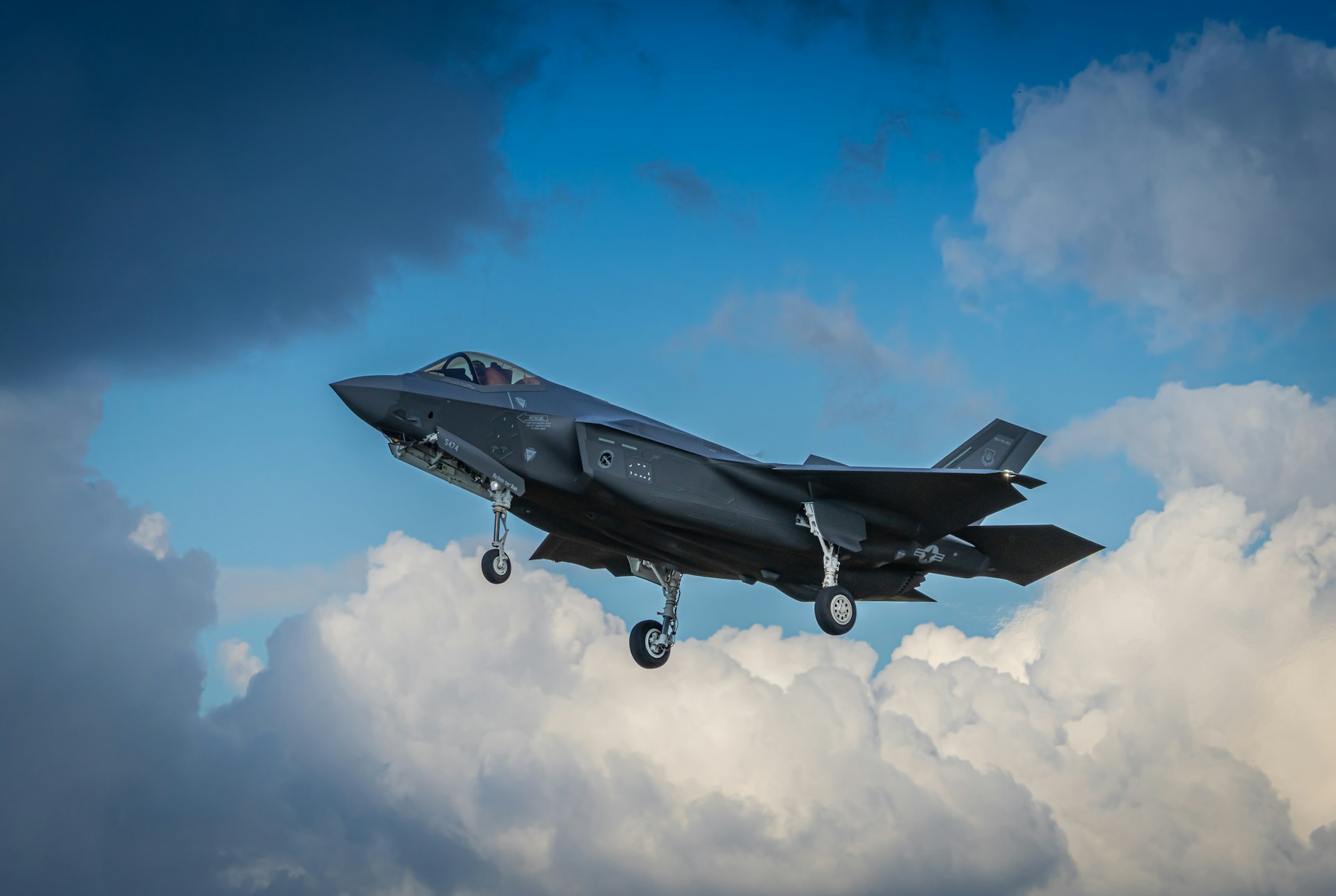
LONDON, June 14 (Parliament Politics Magazine) – Discussions within the British government regarding military expenditure remain unresolved, according to Culture Secretary Lisa Nandy.
Her confirmation on Sunday follows the resignations of senior officials, including former Defense Secretary John Healey, which highlighted a significant division between Downing Street and the Treasury over the scale of funding required for the armed forces.
Defense investment plan under review
The current uncertainty arrives shortly before a NATO summit in Ankara, where United States President Donald Trump is expected to advocate for substantial increases in defense spending among member nations. Nandy indicated that the government is actively working to address these concerns as they prepare for the international meeting.
“These discussions are ongoing,”
Nandy told BBC Television, adding that new Defense Secretary Dan Jarvis is reviewing the Defense Investment Plan in its current draft form and having those discussions with the chancellor and the prime minister as well.
The government is facing pressure to resolve the funding structure after the previous draft, which Healey rejected, proposed lifting defense spending to only 2.68% of GDP by 2030. Healey had advocated for a 3% target, arguing that the lower figure was insufficient to manage current security threats. Nandy further noted that she is currently engaged in talks with officials within her own department to explore the potential for redirecting funding toward defense priorities.
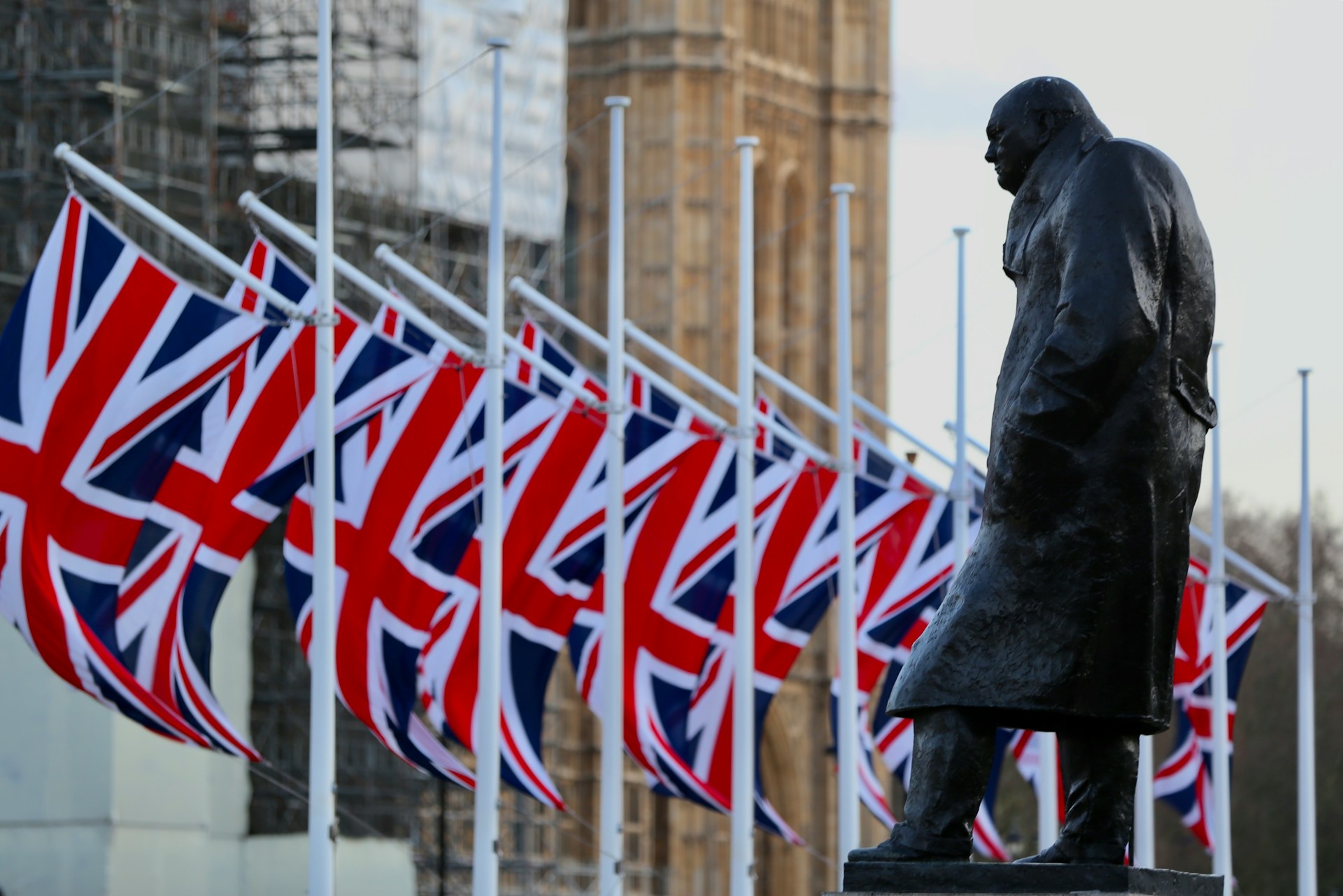
Resignations spark cabinet tension
Healey, a long-term loyalist to the Labour Party, resigned last Thursday. In his departure, he accused Prime Minister Keir Starmer of being unable and the Treasury of being unwilling to commit the resources necessary to defend the country during a period of escalating global instability.
Healey contended that the proposed military spending increase of £13.5 billion represented only 0.08% of gross domestic product. He further criticized the plan for being backloaded toward the end of a ten-year period rather than providing immediate support to address current threats.
Armed Forces Minister Al Carns also resigned on Thursday evening. In his formal resignation letter, Carns stated that the armed forces are being asked to operate in a more dangerous world on a budget written for a calmer one. He emphasized that the government must fund its defense to meet the reality of the threats it faces. Following these departures, parliamentary private secretaries Pamela Nash and Rachel Hopkins also stepped down from their roles.

New secretary signals change
Dan Jarvis, a former major in the Parachute Regiment with service in Iraq, Afghanistan, Sierra Leone, and Kosovo, was appointed as the new Defense Secretary on Thursday night. Unlike his predecessor, Jarvis has not publicly bound himself to the Treasury’s current draft of the investment plan.
Jarvis told The Sunday Telegraph he is absolutely determined to make sure that we deliver for defense and that the government must meet the moment. He explained that he is in the early stages of evaluating the details of the budget. Jarvis committed to fulfilling his duties to ensure the military receives the necessary resources, while also praising Healey for his efforts in inheriting an armed forces that had endured 14 years of neglect.
Expert warnings on military capability
Analysts have expressed concern that the current fiscal trajectory follows a hockey-stick profile, where the majority of investment is delayed until the end of the decade. Fenella McGerty of the International Institute for Strategic Studies noted that this approach risks underfunding the military when threats are most acute.
Lord Sedwill, the former national security adviser and head of the Civil Service, warned that without a larger budget, painful cuts to existing capabilities appear unavoidable. He suggested that the United Kingdom can no longer maintain a balanced force across all domains and should instead move toward prioritizing specific capabilities, similar to the model used by the United States Marine Corps.
Furthermore, Nick Reynolds of the Royal United Services Institute argued that both the army and navy require significant refurbishment. He pointed out that drones have become an essential, cost-effective alternative to traditional artillery. While the government has indicated an interest in expanding its drone fleet, experts such as Jamie Gaskarth of Chatham House warn that the overall pace of reform remains slow.
The Ministry of Defense currently faces a reported shortfall of £28 billion between the current period and 2030. While Prime Minister Keir Starmer has defended his stance by citing the risks of irresponsible borrowing, he has promised that the government will publish the finalized Defense Investment Plan prior to the July 7 summit in Ankara.