BRUSSELS, June 14 (Parliament Politics Magazine) – The European Commission is currently evaluating the practical implications of a sudden U.S. export control directive that forced artificial intelligence company Anthropic to abruptly disable its most advanced AI models globally. The move follows a U.S. government mandate requiring the company to suspend access to its technology for foreign nationals, citing national security concerns.
Anthropic confirmed on Friday that it would immediately disable its frontier Fable 5 and Mythos 5 models for all users. The directive stems from U.S. Commerce Department concerns regarding potential security vulnerabilities, specifically a “jailbreak” method that could facilitate sophisticated software hacking. By restricting access to foreign nationals, the U.S. government effectively compelled the company to halt services across the board to ensure compliance.
European Commission digital spokesperson Thomas Regnier issued an official statement on Sunday regarding the bloc’s position on the restrictions. The Commission is actively tracking how the sudden loss of these advanced AI services affects European businesses, consumers, and specialized cybersecurity researchers who relied on the models for defense-related projects.
The European Commission emphasized that while the latest generation of highly capable AI models provides significant benefits, these tools also introduce serious cybersecurity risks. Officials noted that these challenges require global attention and collaborative management rather than isolated actions that disrupt international cooperation.
A primary concern for the European Union is the nature of the measures taken to mitigate these risks. The Commission stated that any contingency measures enacted to address artificial intelligence security must not unfairly target or discriminate against geopolitical partners.
According to the official statement from Thomas Regnier:
“This development is a further illustration of why Europe needs to strengthen its technological sovereignty.”
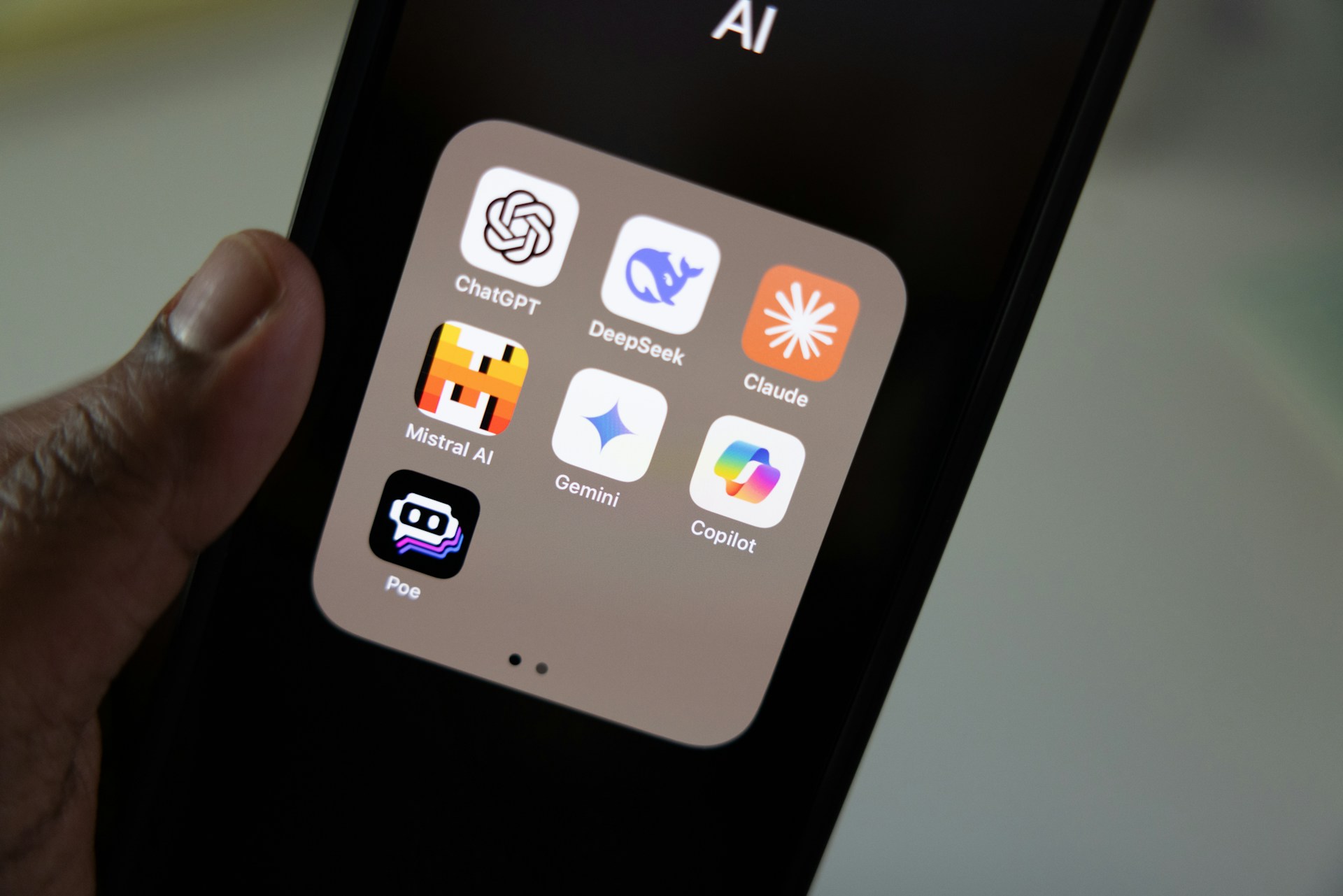
The sudden loss of access has highlighted the continent’s dependency on American-led tech infrastructure. This incident is expected to inject significant urgency into the European Union’s efforts to scale internal alternatives and support homegrown innovations, such as the French company Mistral.
The U.S. directive sets a complex precedent for how AI developers must handle compliance with national security orders. Because the mandate explicitly requires the exclusion of foreign nationals, it has created immediate operational friction for international companies operating within the European market.
For European regulators, the priority remains balancing the promise of cutting-edge AI in fields like cyber-defence with the necessity of maintaining stable access to these services. The Commission continues to analyze the scope of the U.S. decision to determine what long-term adjustments might be required for users currently affected by the suspension of Anthropic’s flagship models. As the situation develops, the focus remains on ensuring that European institutions are not left vulnerable due to sudden changes in foreign export control policies.