
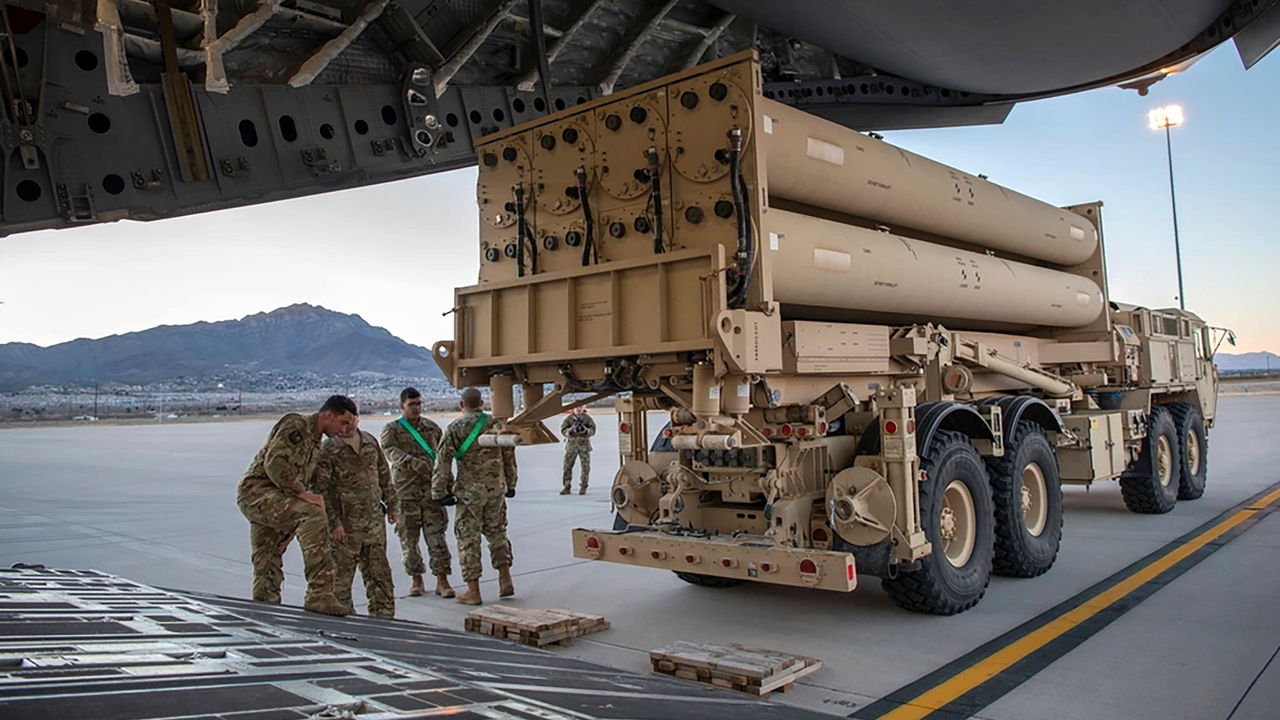
Israel’s advanced Israel air defense system intercepted incoming Iranian missiles overnight, triggering loud explosions across several Israeli cities.
Authorities confirmed the blasts were caused by midair interceptions designed to prevent the missiles from reaching populated areas.
The successful operation highlights the critical role of the Israel air defense system as regional tensions continue to rise.
Tel Aviv, Israel — March 5, 2026 — Parliament News — Several loud explosions echoed across parts of Israel overnight after incoming missiles were intercepted by the country’s advanced defensive network. Authorities confirmed the blasts were the result of interception operations carried out by the Israel air defense system, which activated shortly after radar detected projectiles approaching Israeli airspace.
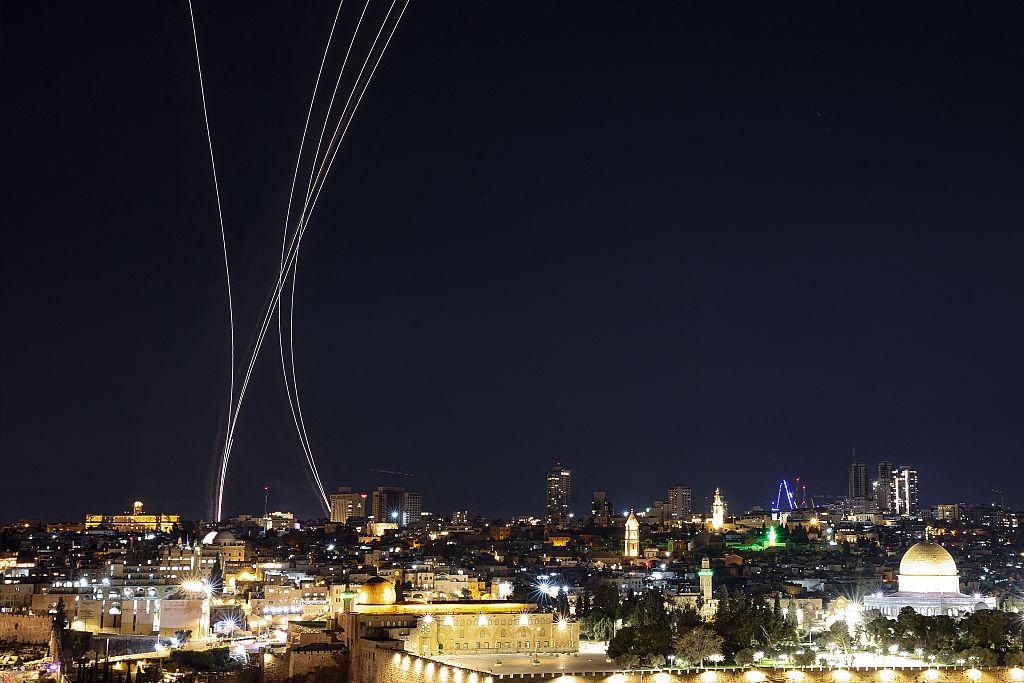
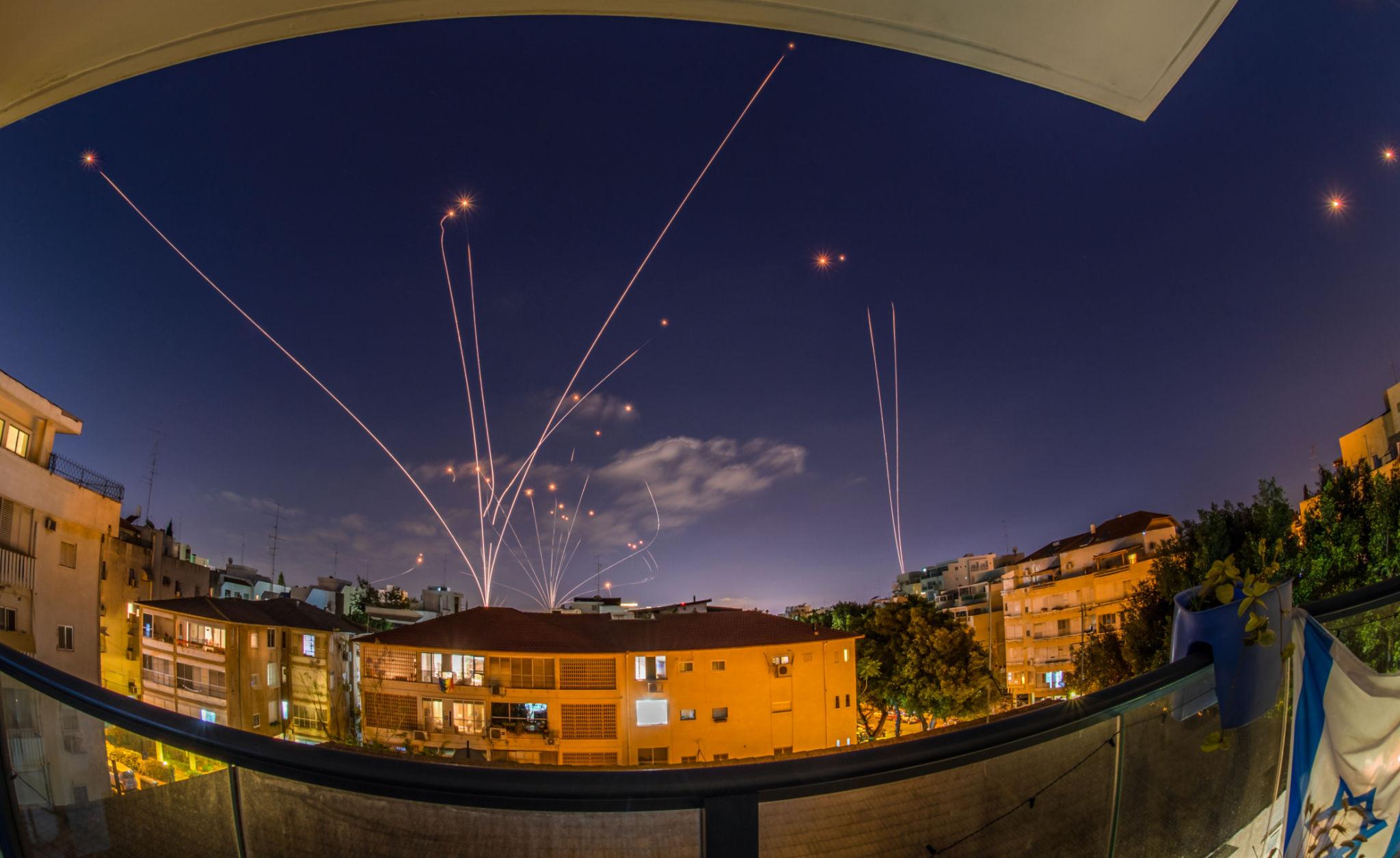
Emergency sirens sounded in multiple cities as residents were instructed to move to shelters. Witnesses described flashes lighting up the night sky followed by powerful shockwaves that could be heard across neighborhoods. Military officials later stated that the explosions occurred high above populated areas as interceptor missiles destroyed the incoming threats.
Defense authorities emphasized that the Israel air defense system performed as intended, preventing the missiles from reaching civilian areas. While the situation created anxiety among residents, early reports indicated that the interception operations successfully neutralized the threats before they could cause significant damage.
Defensive Network Activated Within Seconds
The response began when radar systems detected incoming missiles traveling toward Israeli territory. Within seconds, command centers activated interception protocols designed to track and destroy the projectiles.
The Israel air defense system is designed as a layered network that can respond to different types of aerial threats. When a missile is detected, computers calculate its trajectory and determine whether it poses a risk to populated areas. If the system determines the projectile is likely to strike a city or strategic facility, interceptor missiles are launched.
These interceptors collide with incoming projectiles midair, producing the bright flashes and loud explosions often reported by civilians during defensive operations. The system’s ability to make rapid calculations is crucial because some missiles can travel at extremely high speeds.
Military experts say the success of the Israel air defense system relies on both sophisticated technology and rapid coordination between radar operators, command centers, and interceptor launch units.
Civilian Safety Measures Implemented
Throughout the night, emergency alerts instructed residents to take shelter as defensive operations were underway. Israel’s civil defense infrastructure includes shelters and reinforced safe rooms designed to protect civilians during missile threats.
Local authorities confirmed that residents in several regions followed safety instructions quickly after the alerts sounded. Schools and businesses in some areas delayed opening hours while security officials assessed the situation.
Although the interceptions prevented direct impacts, the loud blasts were widely reported by civilians who could see defensive missiles striking targets high in the sky. The operation demonstrated the critical role played by the Israel air defense system in protecting urban populations during periods of heightened tension.
Officials also reminded citizens to remain alert for future warnings, emphasizing that rapid response from civilians helps reduce potential casualties.
Escalating Regional Tensions
The missile incident comes amid increasing tensions between Israel and Iran. Political and military rivalry between the two countries has intensified over the past several years, with disputes involving regional influence, military operations, and security concerns.
Iran has invested heavily in missile technology capable of reaching targets across the Middle East. Israeli defense planners have long considered these weapons a major security concern, which is one reason the Israel air defense system has been continually expanded and upgraded.
Analysts say the latest interception demonstrates both the growing threat posed by long range missiles and the effectiveness of modern defensive systems. However, they also warn that repeated incidents could increase the risk of broader regional confrontation.
Historical Comparison With Earlier Interceptions
Israel has faced missile threats during multiple conflicts over the past two decades. During earlier confrontations involving rocket fire from neighboring territories, defensive interceptors frequently destroyed incoming projectiles before they reached cities.
For example, during previous periods of conflict, similar explosions and flashes were visible in the sky as interception systems neutralized incoming rockets. Those events demonstrated how modern missile defense technology can significantly reduce the impact of aerial attacks.
Compared with earlier conflicts, the current Israel air defense system is far more advanced. Improvements in radar accuracy, tracking technology, and interceptor design have dramatically increased the success rate of missile interceptions.
Military historians note that without such defensive technology, many of the rockets and missiles launched in past conflicts would have caused far greater damage to civilian areas.
Technology Behind the Interceptions
The interception process involves multiple stages of detection and response. First, long range radar systems scan the surrounding airspace for potential threats. Once a missile launch is detected, computers immediately calculate its expected path.
If the system determines that the missile will land in an unpopulated area, interception may not be necessary. However, if the trajectory indicates a risk to cities or infrastructure, interceptor missiles are launched to destroy the projectile midair.
The Israel air defense system combines radar, advanced computing systems, and interceptor launch platforms into a coordinated defense network. This integration allows military personnel to respond quickly even when multiple threats are detected simultaneously.
Experts say continued technological upgrades are essential as missile technology continues to evolve.
Expert Quote on the Defense Response
Security analysts observing the incident emphasized how defensive technology has transformed modern warfare.
One regional defense analyst explained the importance of the system’s success, saying,
“Modern interception technology allows countries to defend civilian populations in ways that were impossible just a few decades ago, and systems like Israel’s have become a critical shield against missile attacks.”
A Night That Shows the Power of Modern Defense
The overnight interceptions highlight both the strength of Israel’s defensive technology and the fragile security environment in the Middle East. While the Israel air defense system successfully prevented the missiles from reaching populated areas, the incident underscores the ongoing risks posed by regional conflicts.
For many residents, the flashes in the sky and the loud explosions were a reminder that geopolitical tensions can quickly reach civilian communities. Military officials remain on high alert while investigators continue analyzing the details of the attempted strike.
As regional tensions continue to evolve, defense experts believe advanced interception technology will remain one of the most important tools for protecting civilian populations and maintaining stability in an unpredictable security landscape.