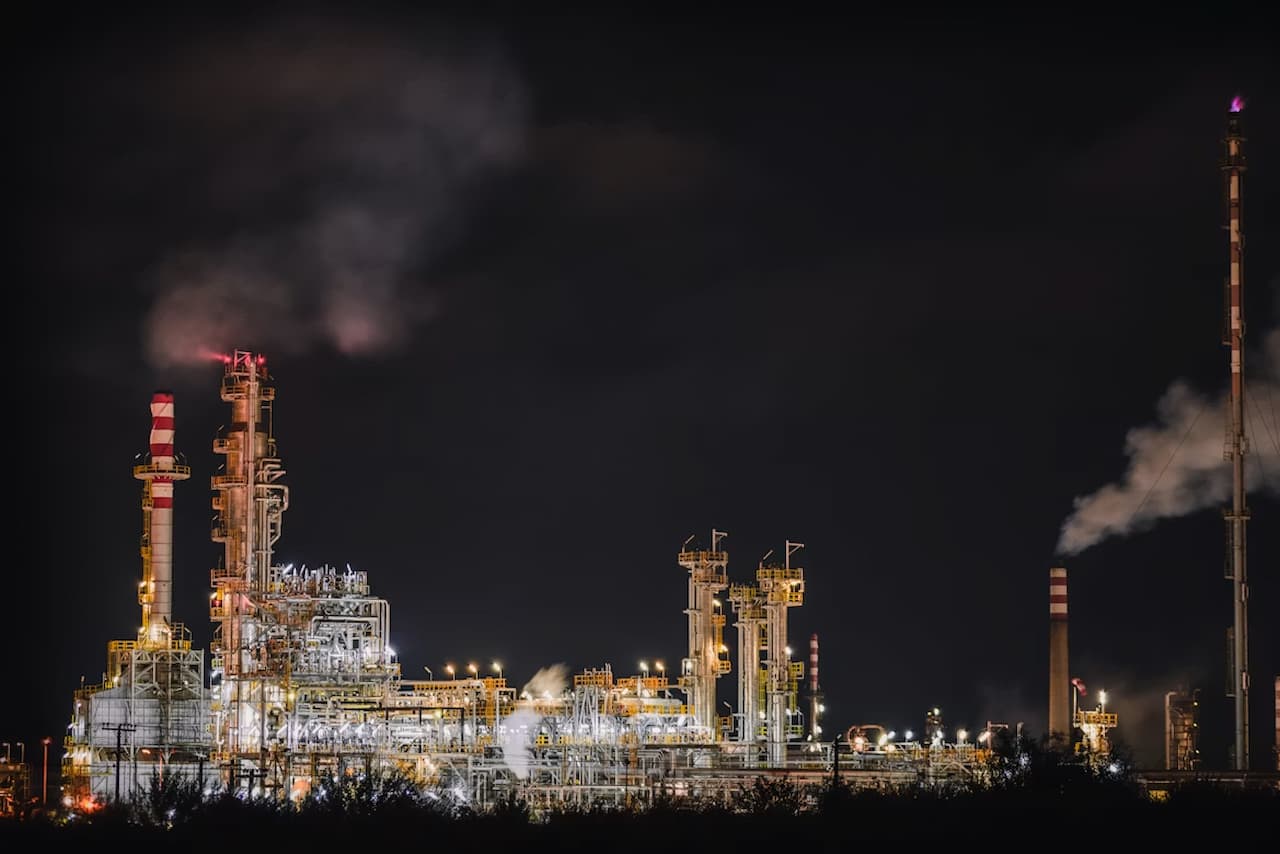
MOSCOW, June 18 (Parliament Politics Magazine) – A massive wave of Ukrainian drones descended on the Russian capital on Thursday, striking a major oil refinery for the second time this week. The attack in the densely populated Kapotnya district forced the suspension of operations at the facility and caused significant disruptions across the city.
The strike marks a notable shift in the conflict as Ukraine seeks to demonstrate its expanding long-range capabilities. Witnesses in the city observed thick plumes of smoke rising over the southeastern district where the refinery is located. While Russian air defense systems attempted to repel the assault, the incident underscored the increasing vulnerability of key energy infrastructure situated close to urban centers.
Damage to energy infrastructure
The facility struck by the drones is a critical provider of fuel for the capital. According to industry reports, the refinery plays a central role in supplying gasoline to the Moscow region and supporting regional aviation demands. The repeat nature of the strikes has led to operational halts that further complicate Russia’s internal energy management.
This incident is part of a broader trend of targeted strikes on energy infrastructure that has persisted for several months. As Russia continues to face logistical challenges, it has reportedly turned to importing fuel by sea to mitigate domestic shortages resulting from these targeted disruptions.
Defense response
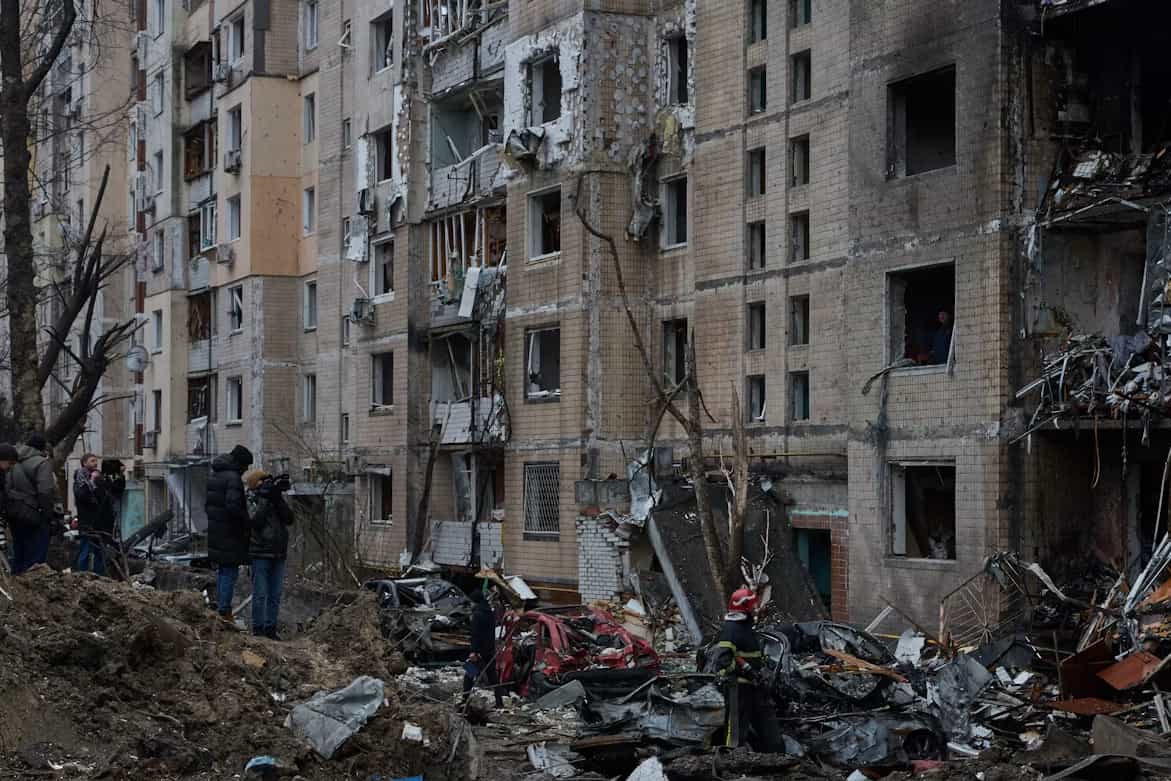
Russian authorities reported widespread activity across the country, with the defense ministry stating that hundreds of drones were intercepted in various regions. Moscow Mayor Sergei Sobyanin confirmed that while air defense forces were active, several drones successfully impacted the refinery and caused minor damage to a local shopping center.
The impact of the attack extended to the city’s transport infrastructure. Major airports serving the capital suspended flight operations, and authorities closed sections of the highway near the refinery to manage the emergency response. Reports from the surrounding Moscow region also indicated damage to residential buildings and private properties, adding to the scale of the disruption caused by the overnight assault.
Continuous Escalation In The Conflict
The drone strikes on the capital occurred as Russia launched its own missile attacks against Kyiv, marking the second time this week the Ukrainian city has been targeted. These exchanges have intensified following recent damage to a historic monastery in Kyiv, an event that sparked widespread international condemnation.
Ukrainian President Volodymyr Zelenskiy framed the actions as a direct and fair response to ongoing military operations against Ukrainian cities.
In a statement regarding the strikes, Zelenskiy said, “President Volodymyr Zelenskiy called the attacks on Russia a ‘totally fair response to Russian strikes on our cities and communities and another important result of the work of our soldiers on facilities that provide support for the Russian war machine.'”
Diplomatic efforts remain a focal point for Kyiv, as leaders seek to pressure Russia into negotiations. While Moscow maintains that it is gaining ground, Ukraine asserts that its improved drone capabilities are cutting off supply lines and impacting the Russian home front. The conflict continues to evolve, with both sides utilizing long-range assets to target infrastructure deep within each other’s territory.