Hezbollah says it launched missile strikes targeting Israeli forces near the Lebanese border town of Markaba.
The incident marks another escalation in the Israel Lebanon border conflict along the tense frontier region.
Security forces and international observers are monitoring the situation as fears of wider clashes grow.
Markaba Lebanon — March 5, 2026 — Parliament News — The Israel Lebanon border conflict has entered another tense moment after reports of missile activity near the southern Lebanese town of Markaba, a village located close to the frontier separating Israel and Lebanon. The situation has raised security alerts across the region as military forces on both sides increased monitoring and defensive readiness.
Communities near the border are familiar with these sudden shifts in tension. Residents in nearby Lebanese villages and northern Israeli towns often receive alerts when activity increases near the frontier. Although large scale fighting has not been confirmed, the latest developments demonstrate how quickly the Israel Lebanon border conflict can return to the international spotlight.
Local officials in southern Lebanon advised residents to remain cautious while monitoring further developments. Meanwhile, Israeli authorities activated precautionary measures in northern communities as security forces continued to observe the situation closely.
Strategic Importance of Markaba
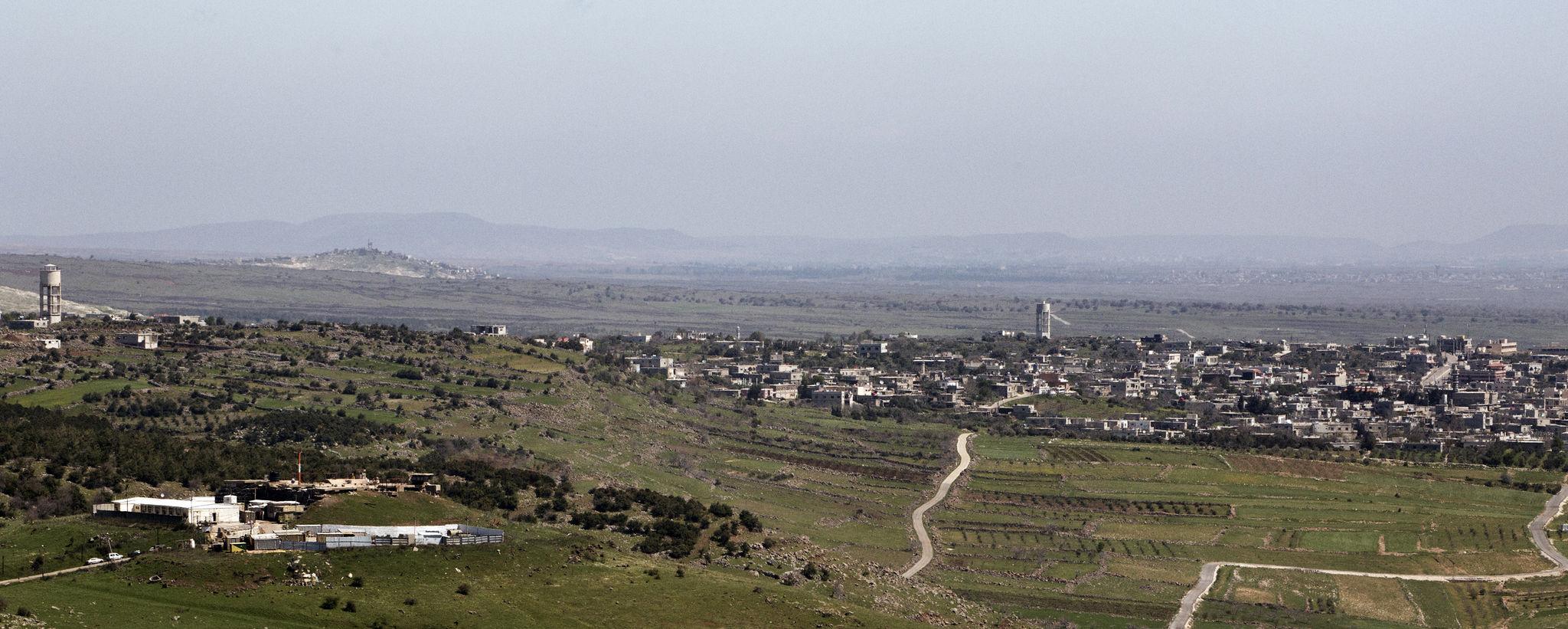
Markaba is a small Lebanese village located in the hills of southern Lebanon near what is known as the Blue Line, the internationally recognized boundary between Israel and Lebanon. The area’s geography makes it strategically important because it overlooks parts of the border region and provides natural vantage points.
Because of its location, the village has often appeared in reports related to the Israel Lebanon border conflict. Military patrols, surveillance operations, and international peacekeeping missions regularly operate in the surrounding terrain.
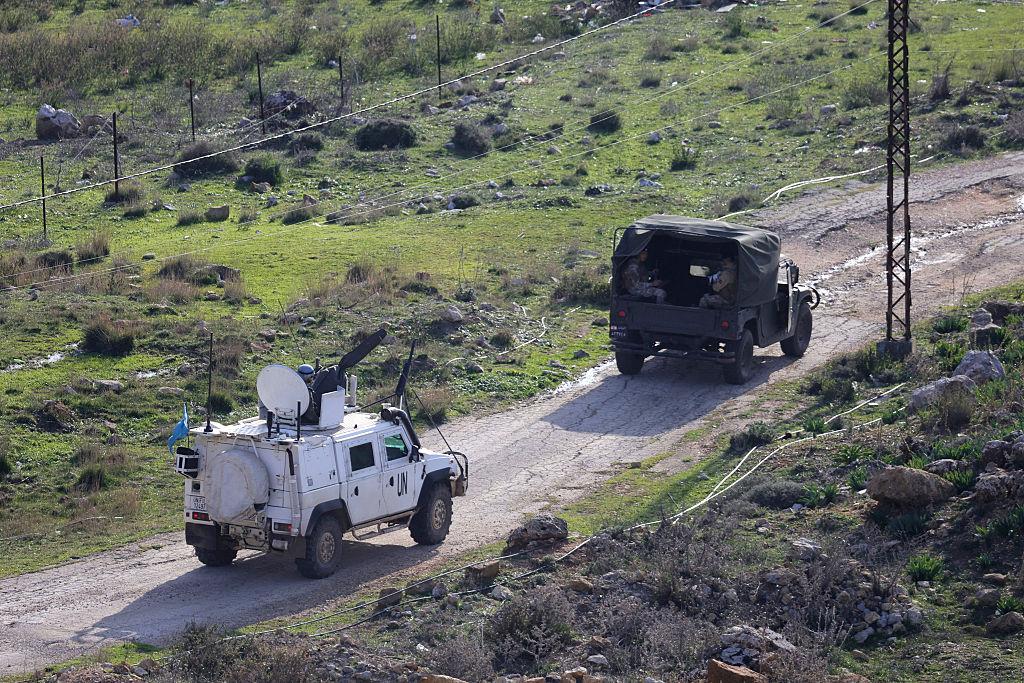
The United Nations Interim Force in Lebanon, commonly known as UNIFIL, maintains a presence in southern Lebanon to help monitor ceasefire conditions and reduce the risk of escalation. Their mission is designed to maintain stability along the border and report violations that could worsen the Israel Lebanon border conflict.
Even with peacekeeping forces present, occasional incidents remind the world that the frontier remains one of the most sensitive security zones in the Middle East.
Impact on Border Communities
The Israel Lebanon border conflict has a direct impact on the daily lives of civilians living in the region. Families who live near the frontier are accustomed to the sound of military aircraft, security alerts, and periodic warnings.
In villages across southern Lebanon, farmers often work land located only a short distance from the border. At the same time, communities in northern Israel live under similar conditions, where security systems and shelters are part of everyday preparedness.
When tensions rise, schools may adjust schedules and local authorities may temporarily limit movement in certain areas. Businesses can also feel the economic effects when instability disrupts normal activity.
Despite these challenges, communities along the border continue to show resilience. Residents have learned to balance ordinary life with the uncertainty created by the Israel Lebanon border conflict.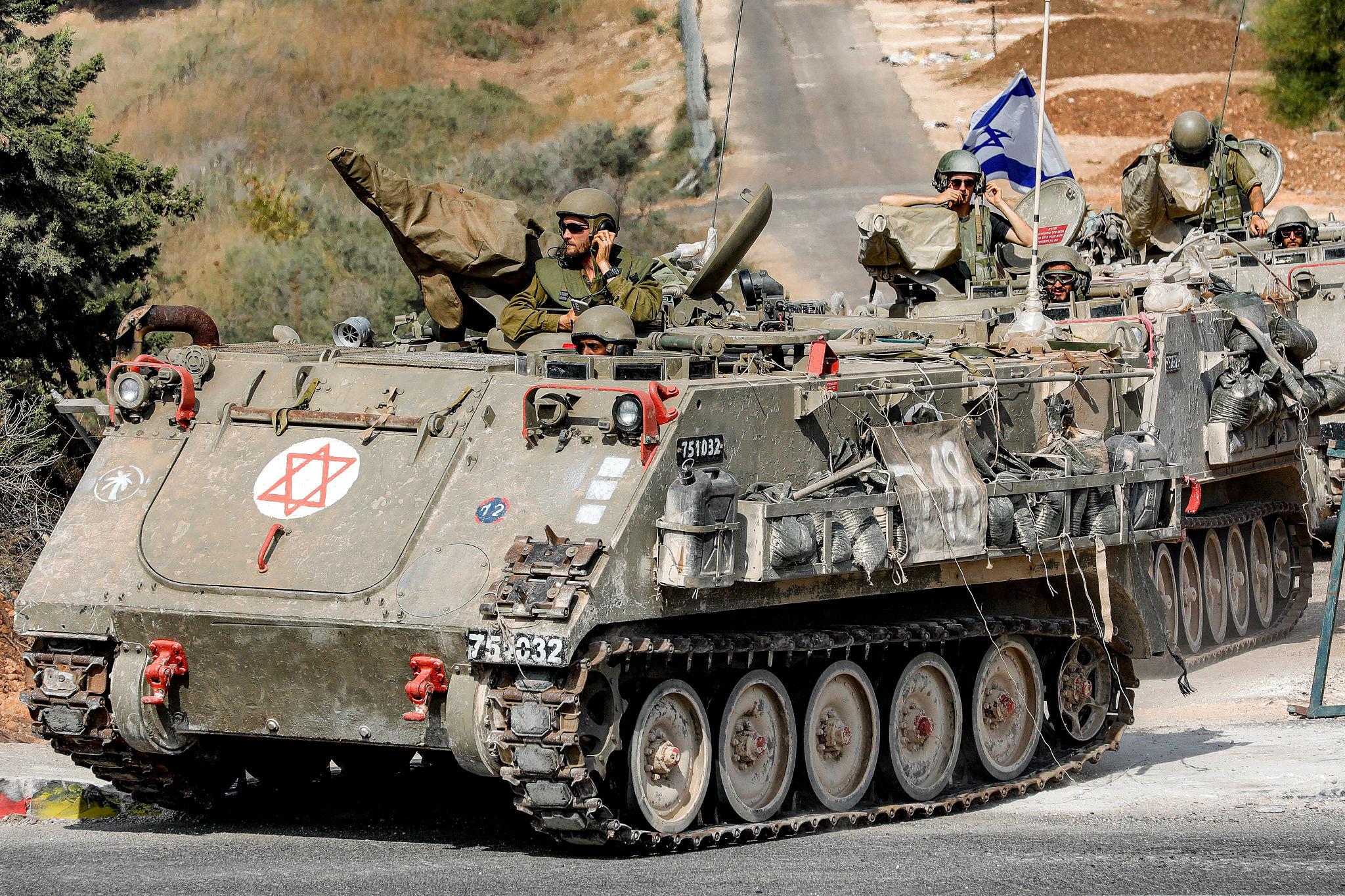
Historical Comparison With Earlier Conflicts
The current situation is frequently compared to earlier episodes in the Israel Lebanon border conflict, particularly the war between Israel and Hezbollah in 2006. That conflict lasted more than a month and resulted in widespread destruction across southern Lebanon and northern Israel.
Thousands of homes were damaged and hundreds of thousands of civilians were displaced during the fighting. The conflict ended with a ceasefire agreement and the expansion of international peacekeeping forces along the border.
Although conditions today are not at the same level of escalation, analysts say the historical memory of that war continues to influence how both sides interpret new incidents along the frontier.
For many residents in the region, the memories of 2006 remain vivid reminders of how quickly tensions can escalate if diplomatic efforts fail.
International Reactions
Governments around the world are closely monitoring the developments related to the Israel Lebanon border conflict. Diplomatic officials have urged restraint from all sides and emphasized the importance of avoiding actions that could trigger a wider confrontation.
International organizations continue to stress the need to protect civilians and maintain communication between military authorities in order to prevent misunderstandings.
The border region sits at the center of a complex geopolitical landscape where local incidents can sometimes draw the attention of global powers.
Because of this, the Israel Lebanon border conflict remains an issue that international leaders watch carefully whenever tensions increase.
Security Experts Warn About Escalation
Security analysts often warn that even limited incidents along the border carry significant risk if they are misinterpreted by either side.
One regional security expert explained the danger by saying,
“The greatest risk in the Israel Lebanon border conflict is that a small exchange can rapidly escalate if leaders believe their security is under immediate threat.”
Statements like this highlight the delicate balance that exists along the frontier. Military leaders must respond to threats while also avoiding actions that could unintentionally trigger larger hostilities.
Uncertain Days Ahead
For now, the situation near Markaba remains under close observation by both regional governments and international peacekeeping forces. Military patrols and surveillance operations continue as authorities assess whether tensions will ease or intensify.
Residents in nearby communities hope the latest developments remain limited and do not lead to broader confrontation. Many families have experienced periods of instability before and remain hopeful that diplomacy will prevail.
The Israel Lebanon border conflict has shaped the lives of generations living along the frontier. While the region has seen moments of calm, it has also experienced sudden surges in tension.
For the people who live there, the hope is that careful decisions by political leaders will prevent another major conflict and allow the border communities to continue their lives in peace.