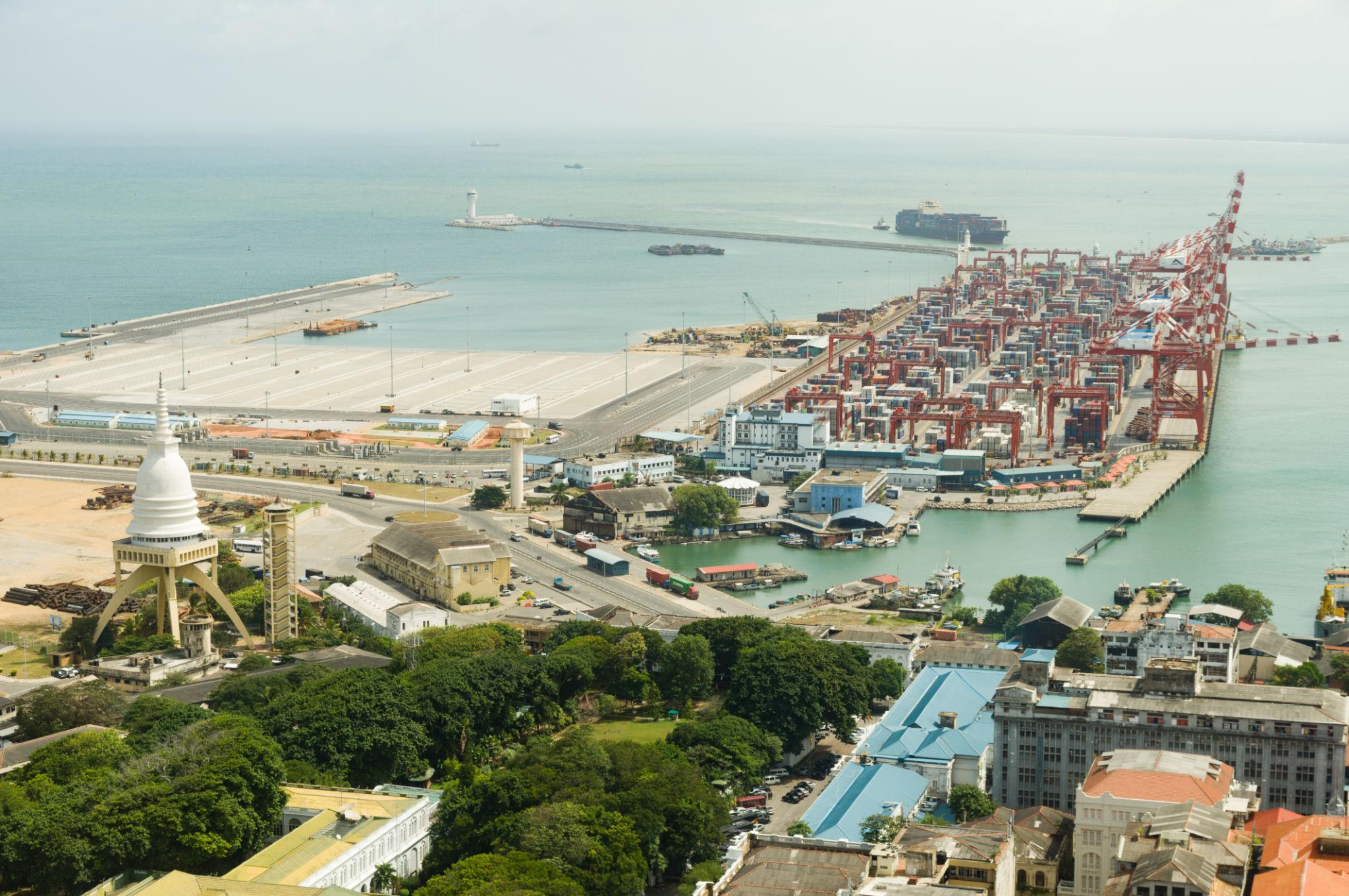
COLOMBO, Sri Lanka — March 6, 2026 — Parliament News — A major Sri Lanka maritime rescue operation is unfolding after an Iranian naval vessel was sunk in the Indian Ocean this week, triggering international tension and diplomatic pressure between Washington, Tehran, and Colombo.
According to diplomatic communications, the United States has asked Sri Lanka not to immediately repatriate survivors from the Iranian warship that sank near its southern coastline. The request also reportedly includes the crew of a second Iranian vessel currently held in Sri Lankan custody.
The situation has placed Sri Lanka in a sensitive position as the country balances humanitarian obligations toward rescued sailors while navigating complex geopolitical pressures.
Warship Sinking Near Sri Lanka
The incident occurred roughly 19 nautical miles off the southern Sri Lankan port city of Galle. According to officials familiar with the situation, a U.S. submarine targeted and sank the Iranian warship IRIS Dena in what appears to be a dramatic escalation in Washington’s campaign against Iran’s naval operations.
The strike reportedly resulted in dozens of fatalities among the Iranian sailors aboard the vessel. Following the attack, a Sri Lanka maritime rescue effort quickly began as naval patrols and emergency response teams searched the surrounding waters for survivors.
Rescue crews recovered several sailors who had been thrown into the ocean after the ship sank. Survivors were transported to Sri Lankan facilities where they received medical attention, food, and shelter.
Maritime authorities confirmed that rescue teams were able to locate life rafts and floating debris that helped them identify where survivors might be found.
Survivors Become Focus of Diplomatic Pressure
After the rescue operation, diplomatic discussions intensified. According to internal communications reportedly circulated within the U.S. State Department, Washington has urged Sri Lanka to delay sending Iranian survivors back to their home country.
Officials believe the rescued sailors could possess valuable information regarding the warship’s mission, movements, and possible connections to broader Iranian naval operations.
The request places Sri Lanka in a delicate diplomatic position. The island nation traditionally maintains relationships with a wide range of global partners, including the United States and countries in the Middle East.
Now, the aftermath of the Sri Lanka maritime rescue has drawn Sri Lanka into a larger geopolitical dispute involving military operations in international waters.
Second Iranian Ship Also Under Scrutiny
Adding another layer to the situation is the presence of a second Iranian vessel reportedly being held by Sri Lankan authorities. Officials have not publicly released details about the ship’s activities, but its crew has also become part of the diplomatic discussions.
The United States reportedly wants both groups of sailors questioned before they are allowed to return home.
Sri Lankan officials have not publicly confirmed how long the survivors will remain in the country. However, the government is expected to weigh humanitarian obligations, maritime law, and diplomatic relations before making a decision.
For now, the Sri Lanka maritime rescue remains the central humanitarian response to an event that quickly turned into an international political issue.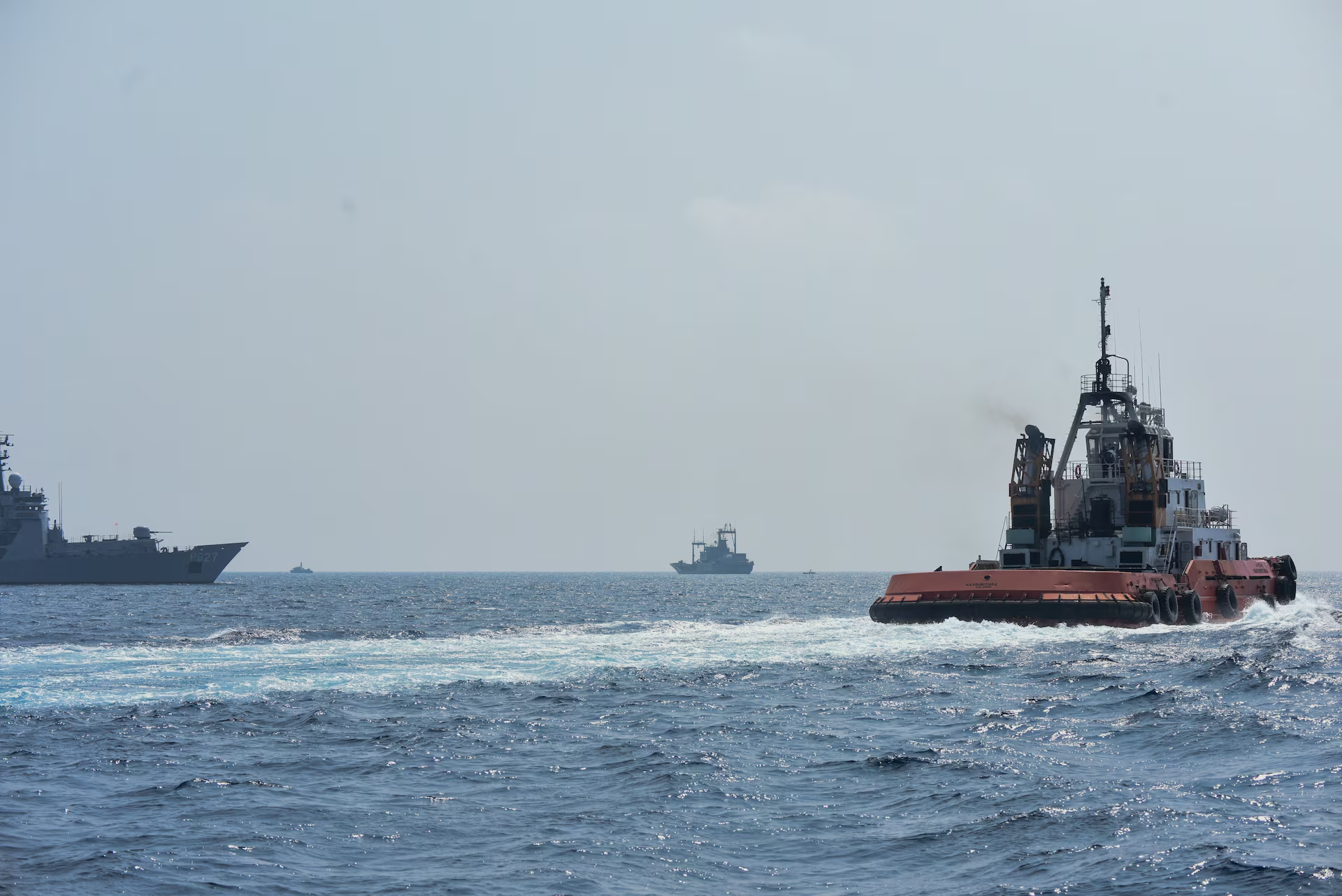
Strategic Importance of Indian Ocean Waters
The waters surrounding Sri Lanka are among the most heavily traveled shipping routes in the world. Cargo vessels carrying oil, electronics, raw materials, and consumer goods pass through the region every day.
Because of this strategic location, maritime incidents near Sri Lanka often attract international attention. Naval forces from multiple countries operate in nearby waters to monitor shipping activity and maintain security.
The warship sinking and the subsequent Sri Lanka maritime rescue highlight how quickly maritime incidents can escalate into global diplomatic situations.
Analysts say the Indian Ocean is becoming increasingly important as geopolitical competition expands beyond land borders into strategic sea routes.
Historical Comparison to Past Naval Incidents
The situation surrounding the Sri Lanka maritime rescue echoes earlier maritime confrontations that shaped international relations.
During the late twentieth century, naval clashes in the Persian Gulf and other strategic waterways occasionally resulted in the sinking of military vessels and rescue operations involving sailors from rival nations. In several cases, surviving crew members became important sources of information during investigations that followed those incidents.
Much like those earlier events, the current situation illustrates how naval conflicts can quickly draw neutral countries into diplomatic challenges when rescue operations take place in their waters.
Sri Lanka’s role today mirrors the position of other coastal nations in the past that found themselves managing humanitarian responsibilities while navigating pressure from powerful governments.
Quote From Maritime Security Expert
A maritime security expert familiar with naval incidents explained why survivors often become central to investigations after events like the Sri Lanka maritime rescue.
“Whenever a warship sinks or a naval confrontation occurs at sea, the surviving crew members can provide critical information about what happened in the final moments. Their accounts help investigators understand whether the incident was purely military action or part of a broader operational strategy.”
Such testimony can help authorities piece together the sequence of events that led to a vessel’s destruction.
Sri Lanka’s Diplomatic Challenge
Sri Lanka now faces the challenge of responding to competing pressures while maintaining its reputation as a responsible maritime nation.
On one side are humanitarian expectations to ensure the safety and dignity of sailors rescued from the ocean. On the other side are diplomatic requests from powerful governments seeking access to those same survivors for questioning.
Officials are expected to handle the situation cautiously in order to avoid escalating tensions further.
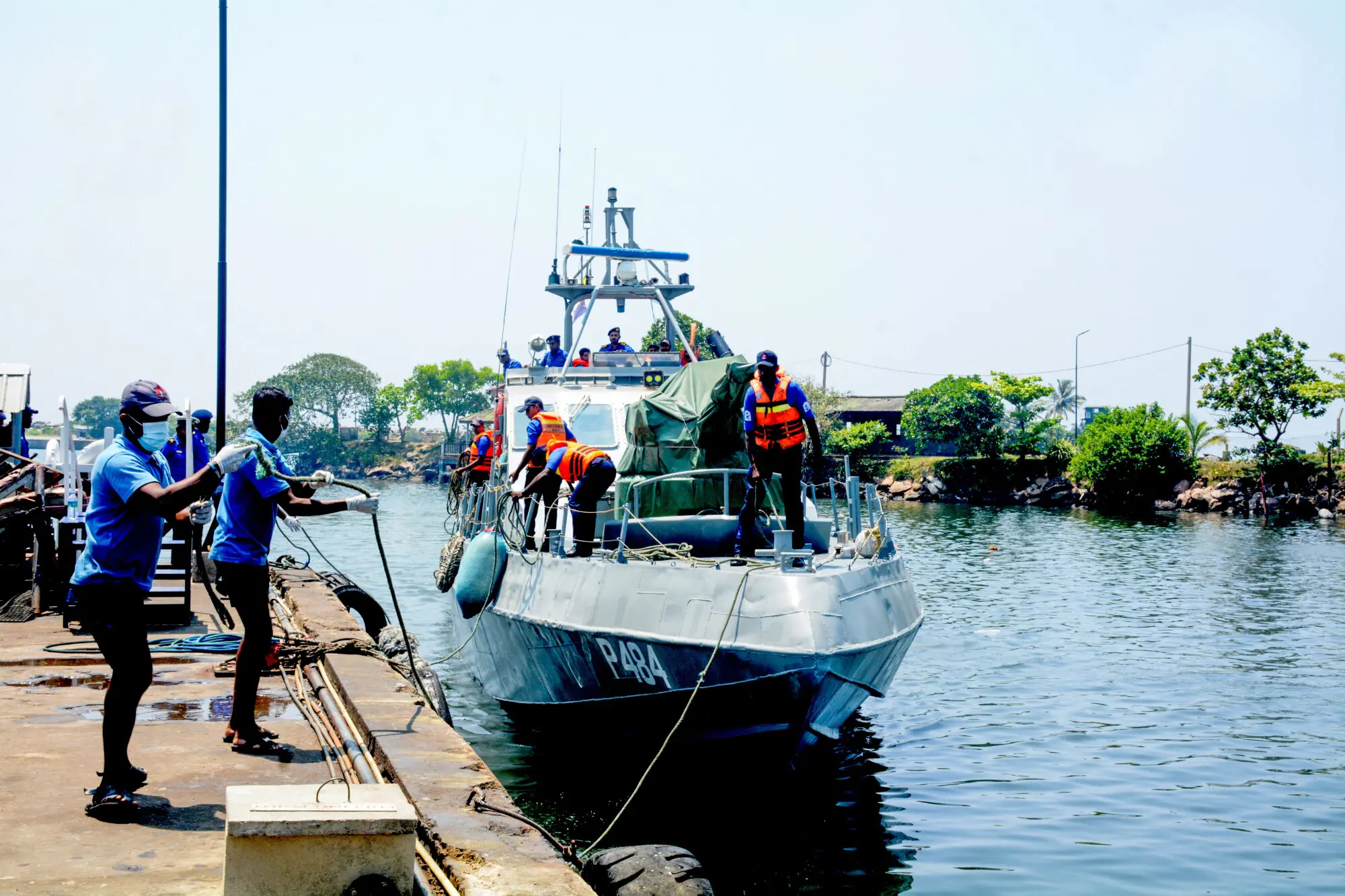
The Sri Lanka maritime rescue operation itself has been widely praised by maritime observers for its speed and effectiveness. Rescue teams were able to locate survivors quickly despite challenging ocean conditions.
What Happens Next
Investigations into the sinking of the Iranian warship are expected to continue in the coming days. Sri Lankan authorities will likely consult with international partners before determining the fate of the rescued sailors.
Diplomatic negotiations could play a key role in deciding whether the survivors remain temporarily in Sri Lanka or are eventually repatriated.
For now, the dramatic Sri Lanka maritime rescue stands as both a humanitarian success and a reminder of how fragile stability can be in strategic maritime regions.
The Indian Ocean continues to serve as one of the world’s most important trade and security corridors, and events unfolding there often carry consequences far beyond the water where they begin.