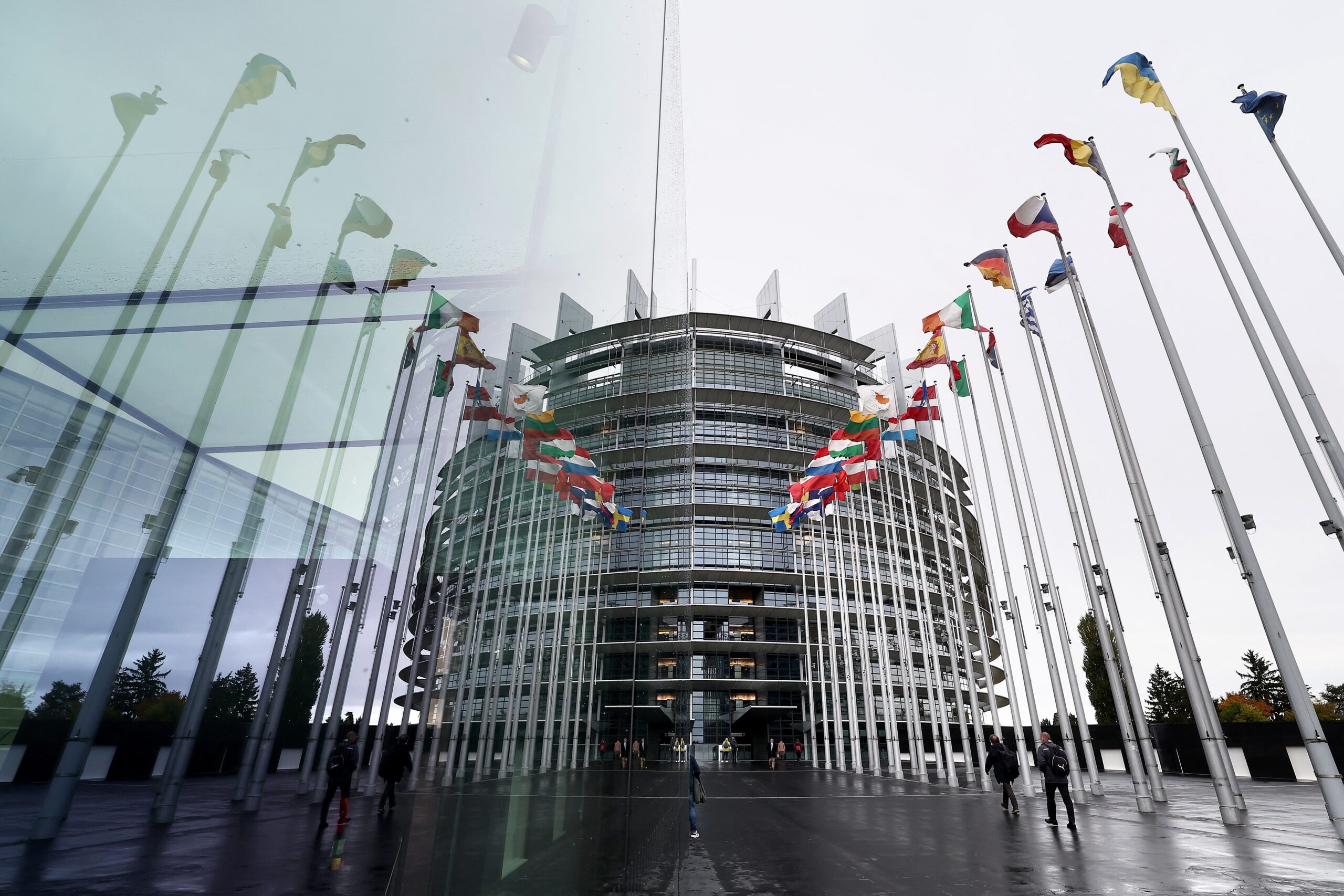
Brussels, Belgium — March 9, 2026 — Parliament News — European leaders are strengthening international security cooperation as part of the evolving EU global defence strategy, an initiative designed to expand defence partnerships and improve Europe’s ability to respond to modern security threats. Officials in Brussels confirmed that the European Union is working to deepen cooperation with countries such as Australia, Iceland and Ghana as part of a broader effort to reinforce international security networks.
• The European Union is strengthening defence cooperation with global partners.
• The initiative aims to address emerging threats including cyber attacks and regional instability.
• European officials say international collaboration is essential for future security.
The initiative reflects growing concern among policymakers about the changing geopolitical landscape. Conflicts, cyber warfare, economic tensions and regional instability have all contributed to a new security environment that requires broader international cooperation.
European officials say the EU global defence strategy will emphasize intelligence sharing, defence innovation, joint training and coordinated crisis response capabilities.
Expanding Security Partnerships Across Regions
One of the most significant aspects of the EU global defence strategy is the expansion of partnerships beyond Europe’s traditional allies. While NATO continues to play a central role in European security, EU leaders believe additional partnerships are necessary to address global challenges.
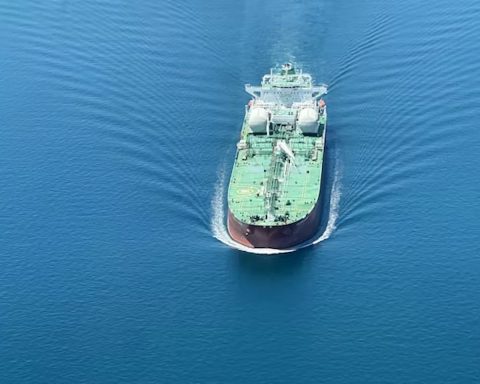
Australia represents a major strategic partner in the Indo Pacific region. Cooperation between the European Union and Australia may help improve maritime security, protect global trade routes and strengthen stability in an area where geopolitical competition has intensified.
Iceland also provides strategic value due to its geographic location in the North Atlantic. Collaboration with Iceland could strengthen monitoring capabilities across the Arctic and North Atlantic regions.
Meanwhile, Ghana is emerging as an important partner in West Africa. Increased cooperation could support peacekeeping missions, counterterrorism initiatives and regional stability programs across the continent.
By expanding partnerships across multiple regions, the EU global defence strategy aims to create a network of trusted partners capable of responding to global security challenges.
Focus on Technology and Cybersecurity
Another key component of the EU global defence strategy involves addressing technological and cyber threats that increasingly affect national security.
Cyber attacks have become a major concern for governments around the world. These attacks can disrupt communications systems, financial networks and critical infrastructure such as energy grids and transportation systems.
European leaders believe stronger international collaboration is essential to combat these threats effectively. Through intelligence sharing and cybersecurity cooperation, partner countries can improve their ability to detect and prevent malicious cyber activities.
The strategy also encourages joint research and development programs in emerging technologies including artificial intelligence, satellite communications and advanced surveillance systems.
Such cooperation could strengthen both defence capabilities and technological innovation across Europe and its partners.
Historic Comparison Shows Shift in EU Defence Policy
The development of the EU global defence strategy reflects a major shift from Europe’s historical approach to security. For much of the post Cold War period, European defence policy focused heavily on regional stability and cooperation within NATO structures.
However, modern geopolitical challenges have pushed the European Union to adopt a more global outlook. The new strategy signals that Europe is no longer limiting its security engagement to nearby regions but instead building partnerships across continents.
This shift demonstrates how international defence cooperation has evolved over time. While earlier policies focused on regional alliances, today’s security environment requires broader networks capable of addressing threats that cross borders and regions.
European Leaders Emphasize Cooperation
European officials argue that cooperation between democratic nations remains essential for maintaining stability in an increasingly complex world.
One senior European diplomat explained the importance of collaboration, stating:
“Security today depends on strong partnerships and shared responsibility. The European Union must work closely with trusted partners to protect international stability and democratic values.”
This perspective has shaped the development of the EU global defence strategy, which emphasizes collaboration rather than unilateral action.
Looking Ahead to Europe’s Security Future
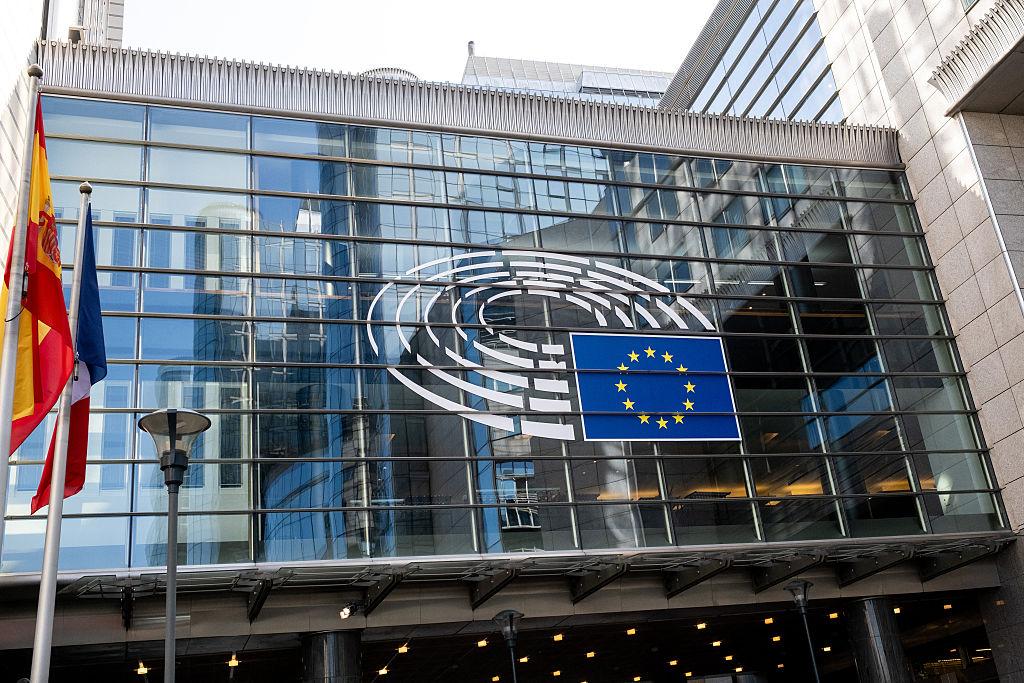
As negotiations with partner countries continue, the EU global defence strategy is expected to evolve further in the coming years. European officials say the strategy will focus on practical cooperation such as joint training programs, defence consultations and coordinated crisis response planning.
The initiative may also expand into new areas including humanitarian missions, disaster response coordination and maritime security operations.
Ultimately, the EU global defence strategy reflects Europe’s attempt to adapt to a rapidly changing global security environment while building partnerships that promote stability and cooperation.
Key Takeaways from the EU Global Defence Strategy Initiative
The developments surrounding the EU global defence strategy highlight a major transformation in European security policy. Brussels is seeking stronger international partnerships with countries such as Australia, Iceland and Ghana in order to address modern threats ranging from cyber attacks to geopolitical tensions.
The strategy emphasizes cooperation, technological development and intelligence sharing while expanding Europe’s global security network. By strengthening these alliances, European leaders aim to improve crisis response capabilities and reinforce international stability in an increasingly uncertain world.