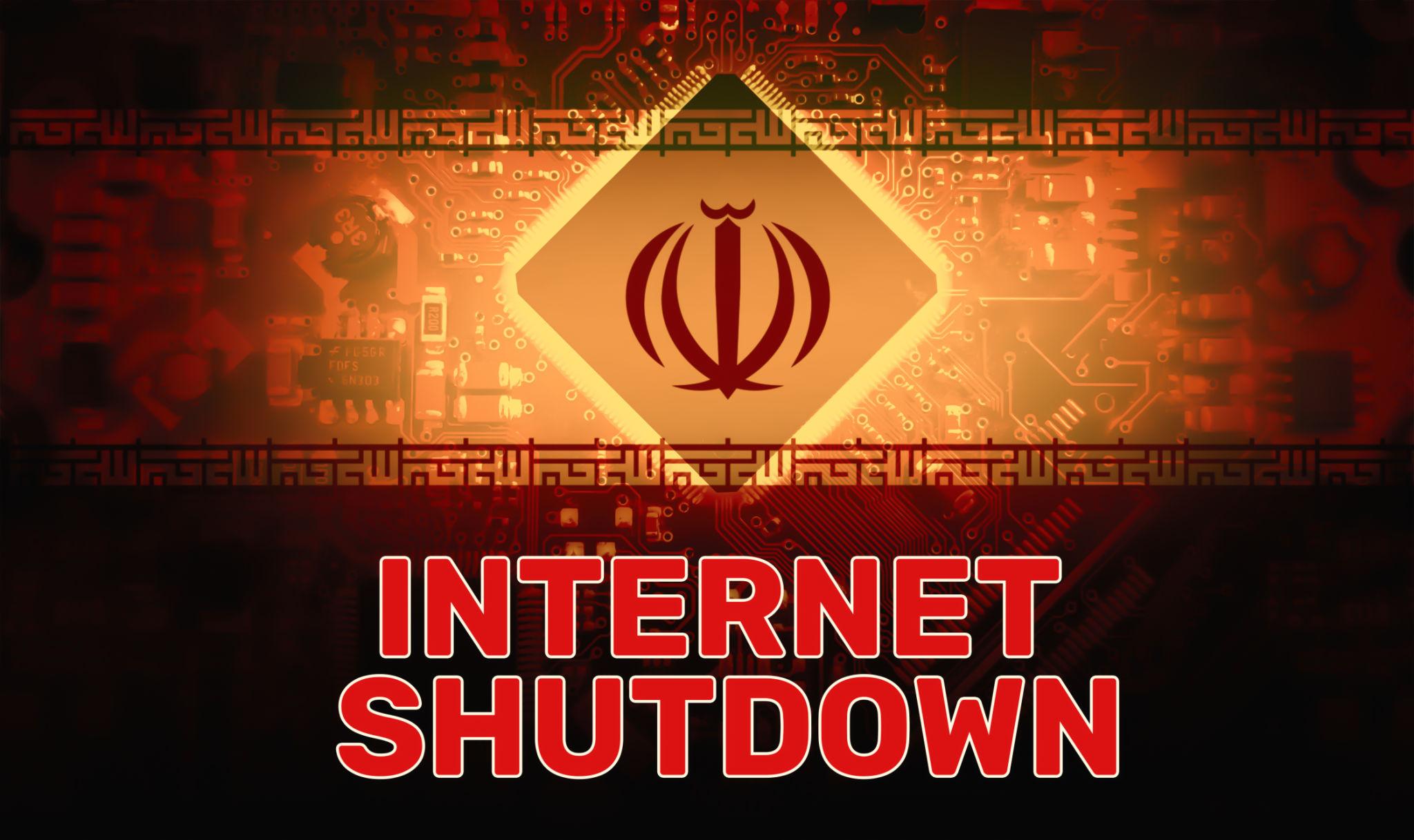
Tehran, Iran — March 10, 2026 — Parliament News — A major Iran connectivity disruption has drawn global attention after monitoring groups reported one of the most severe internet outages recorded in the country in recent years. Data from global network tracking organizations shows a sudden drop in internet traffic across Iran, leaving millions of users unable to access international communication platforms.
The Iran connectivity disruption appears to have affected both mobile networks and broadband providers simultaneously. Experts monitoring internet infrastructure say the scale of the disruption indicates that the issue is likely linked to centralized control over national internet gateways rather than a technical malfunction affecting individual networks.
Within hours of the outage, connectivity levels across multiple Iranian provinces dropped sharply. Analysts say the Iran connectivity disruption demonstrates how rapidly national communications infrastructure can be restricted during periods of political tension or security concerns.
Many residents reported difficulties sending messages, accessing news websites, or connecting to international social media platforms. Businesses that rely on digital payments and online services also experienced significant disruptions during the Iran connectivity disruption.
Widespread Impact on Communication and Business
The Iran connectivity disruption has had immediate consequences for both citizens and businesses across the country. Internet access now plays a central role in daily life, from financial transactions and transportation systems to education and remote work.
When connectivity suddenly declines, these systems can quickly become unstable. Many Iranian technology companies rely on global platforms for software development, cloud services, and communication with international partners.
Small businesses that depend on messaging applications and online marketing also faced serious challenges as the Iran connectivity disruption limited their ability to communicate with customers.
Economic analysts warn that prolonged outages can damage digital commerce and disrupt supply chains that depend on real time communication systems.
Historical Comparison of Internet Shutdowns
The Iran connectivity disruption has drawn comparisons with previous internet shutdowns in Iran and other parts of the world. One of the most notable examples occurred in 2019 when Iran experienced a nationwide internet shutdown during widespread protests.
During that event internet traffic across the country dropped to nearly zero for several days, making it one of the most dramatic connectivity collapses ever recorded. Similar shutdowns have also occurred in countries such as Myanmar, Sudan, and Kazakhstan during periods of political unrest.
These events demonstrate how centralized telecommunications systems allow authorities to quickly control national connectivity. Compared with previous cases, analysts say the current Iran connectivity disruption appears to follow a similar pattern of rapid traffic decline across multiple networks.
Expert Quote on Digital Infrastructure Control
Technology researchers say incidents like the Iran connectivity disruption highlight the strategic importance of internet infrastructure in modern societies. Monitoring platforms that track global network traffic often detect sudden connectivity changes before official announcements are made.
One digital infrastructure analyst explained the significance of such events:
“Internet access has become as essential as electricity in modern economies. When a nationwide outage occurs the impact spreads quickly across communication, business, and information systems.”
The Iran connectivity disruption therefore represents not only a technical issue but also a reminder of how vital stable connectivity has become for national economies and everyday life.

Understanding the Global Significance
The Iran connectivity disruption is now being closely watched by cybersecurity researchers, policymakers, and international media organizations. Internet shutdowns can influence financial markets, global communications, and diplomatic relations.
Monitoring organizations continue analyzing connectivity data to determine how widespread the disruption is and how long it may last. The duration of the Iran connectivity disruption remains uncertain, as similar shutdowns in the past have lasted anywhere from several hours to multiple days.
As global attention focuses on the situation, experts say the event highlights the increasing role that digital infrastructure plays in national security and political stability.
Key Takeaways From the Iran Connectivity Disruption
The Iran connectivity disruption reported in Tehran in 2026 represents one of the most significant internet outages observed in the country in recent years. Connectivity data indicates that large portions of national networks experienced sudden traffic declines, affecting communication platforms, online businesses, and digital services.
Historical comparisons show that similar shutdowns have occurred during periods of political tension, demonstrating how centralized internet infrastructure can influence the flow of information. Experts warn that such disruptions carry economic, technological, and political implications far beyond the immediate loss of internet access.
As monitoring organizations continue tracking network activity, the Iran connectivity disruption remains an important example of how digital connectivity has become a critical component of modern society.