
Headline: Navigating Challenges: Shipping in the Strait of Hormuz
In recent months, shipping companies operating in the Strait of Hormuz have faced escalating concerns over safety due to increased geopolitical tensions in the region. The strategic waterway, which sees approximately one-fifth of the world’s oil supply transit daily, has become a focal point for nations and commercial interests alike. This development has prompted shipping firms to reevaluate their operational strategies to ensure the safety of their vessels and cargo. The need for enhanced security measures comes as alliances shift and regional powers assert their influence, posing unique challenges for the international shipping industry.
Understanding the Stakes in the Strait of Hormuz
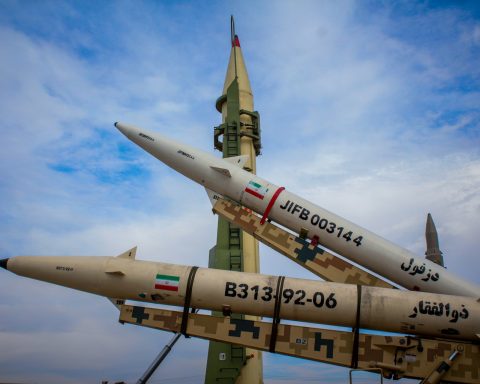
The Strait of Hormuz is a narrow passage lying between Iran and Oman, serving as a critical corridor for global energy supplies. With oil exports from countries like Saudi Arabia, Iraq, and Iran heavily reliant on this waterway, any disruption can have far-reaching consequences. Recent military exercises conducted by Iran and reported threats to disrupt shipping have heightened anxiety among maritime businesses, prompting them to adopt more vigilant and adaptive strategies.
The Impact of Geopolitical Tensions
Tensions in the Persian Gulf have been running high, particularly following incidents involving drone strikes and naval confrontations. In 2022, the U.S. Navy deployed additional ships and personnel to the region to ensure freedom of navigation and protect commercial vessels. Shipping companies are now under pressure to not only safeguard their assets but also mitigate the risk of potential retaliatory acts in response to military escalation.
Enhanced Security Protocols and Strategies
To respond to these challenges, shipping firms are investing in advanced security technologies and enhancing their operational protocols. Surveillance drones, anti-piracy measures, and real-time intelligence sharing have become standard components of maritime operations. Companies are also collaborating with regional authorities and international agencies to develop robust contingency plans, ensuring that they are prepared for any scenario.
Insurance Costs on the Rise
The perception of increased risk in the Strait of Hormuz has also led to rising insurance premiums for shipping companies. Underwriters are adjusting their rates based on the elevated threat levels, impacting the overall cost of doing business in the region. These financial implications further drive companies to adopt preventative measures and reconsider their routes, often prompting them to seek alternative paths or delay shipments.
Diversifying Routes to Mitigate Risk
In response to the dangers posed by the Strait of Hormuz, many shipping companies are exploring alternative routes. The Gulf of Oman and the Red Sea are becoming more appealing options, albeit with their own sets of challenges. While these diversions may offer temporary reprieve from threats, they can also introduce longer transit times and increased operational costs.
Collaboration with Governments and Military Forces
Many shipping companies are increasingly serious about collaborating with governmental and military forces to safeguard their operations in the Strait of Hormuz. The participation of naval forces from various countries aims not only to protect international shipping but also to uphold law and order in the region. Joint military exercises and coordinated maritime patrols have paved the way for a more secured maritime environment, allowing companies to operate with greater assurance.
Technological Innovations Leading the Way
Technology is becoming a game-changer in navigating dangers at sea. The integration of autonomous vessels and blockchain technologies for real-time tracking and documentation is changing how companies approach shipping logistics. These innovations can offer improved transparency and compliance with international regulations, enabling shipping firms to respond quickly to arising risks.
Future Prospects: A Balancing Act
The landscape of global shipping continues to evolve as geopolitical dynamics shift. For now, the Strait of Hormuz remains a critical artery for energy transportation, but the need for security and stability is paramount. Shipping companies must maintain a delicate balance between operational efficiency and the pressing need for safety.
As tensions potentially escalate or de-escalate based on diplomatic efforts, the ongoing developments in the region will impact operational decisions for years to come. Stakeholders involved in the maritime industry will need to remain vigilant and adaptive, ready to respond to a complex set of scenarios.
Conclusion: Adapting to a Changing Environment
The persistence of danger in the Strait of Hormuz calls for a proactive approach from shipping companies. By investing in technology, enhancing security measures, and diversifying routes, firms are working to navigate the unpredictable waters of this crucial corridor. As they adapt to a changing environment, their resilience will not only safeguard their interests but also contribute to the stability of global trade. Continued diplomatic efforts in the region will be essential in ensuring these shipping pathways remain secure and open for business.