
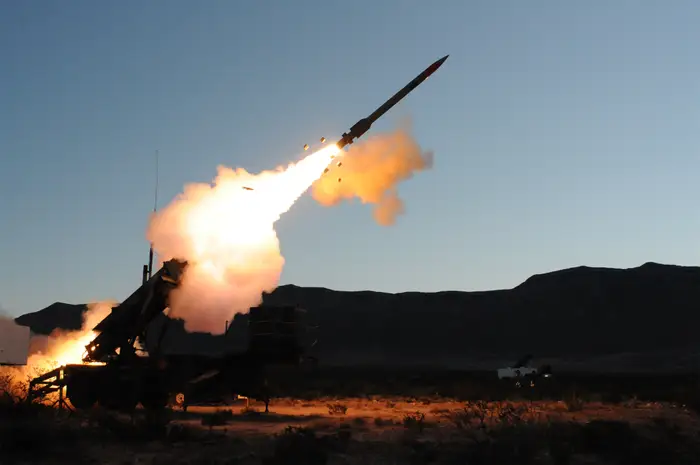
DOHA — March 12, 2026 — Parliament Politics Magazine — A Iran ballistic missile launch triggered emergency air defense alerts across Qatar after multiple projectiles were detected heading toward the country. Military officials confirmed that air defense systems intercepted several incoming threats before they could reach their intended targets.
Authorities reported that two ballistic missiles along with a cruise missile and several drones were detected approaching Qatari airspace. Defense systems responded quickly, launching interceptors that destroyed the projectiles mid air.
Security officials said the Iran ballistic missile launch represents one of the most serious missile related security incidents involving Qatar in recent years. No casualties or infrastructure damage were reported following the interceptions.
Military sources stated that radar systems identified the incoming threats early enough for defensive action to be taken within seconds.
Air defense systems stop incoming threats
Qatar’s advanced radar and missile interception systems were activated immediately after the Iran ballistic missile launch was detected. Defense operators tracked the incoming missiles and launched interceptors designed to destroy them before they entered populated areas.
Modern missile defense systems combine radar tracking satellite monitoring and high speed interceptors capable of neutralizing ballistic missiles during flight. Analysts say these technologies have become essential in regions where missile threats have increased.
The Iran ballistic missile launch highlighted how quickly defensive systems must operate. Ballistic missiles travel at extremely high speeds and follow steep trajectories, leaving only a narrow window for interception.
Defense experts say the successful interception demonstrates the effectiveness of Qatar’s layered air defense strategy.
Historical comparison with earlier missile crises
The Iran ballistic missile launch has drawn comparisons to previous missile related confrontations in the Middle East. Similar tensions occurred during earlier periods when missile tests and launches triggered regional defense alerts.
In past decades missile disputes involving Iran and neighboring countries often led to heightened diplomatic tensions and international negotiations. Those crises eventually produced diplomatic discussions aimed at reducing the risk of escalation.
Analysts say the current Iran ballistic missile launch reflects many of the same geopolitical dynamics seen in earlier missile incidents. While military technology has advanced significantly, the political challenges surrounding missile development and regional security remain similar.
History shows that such incidents frequently lead to renewed diplomatic efforts as governments attempt to prevent further escalation.
Official statement from regional officials
A regional defense official commented on the incident saying:
“Security systems functioned exactly as designed and prevented potential damage while protecting civilians.”
The statement came shortly after the Iran ballistic missile launch was intercepted by Qatar’s air defense network.
Officials said the quick response demonstrates the importance of maintaining strong defensive capabilities in a region facing evolving security threats.
International reaction and future outlook
Global leaders responded cautiously following reports of the Iran ballistic missile launch. Several governments called for restraint and emphasized the importance of diplomatic engagement to prevent further escalation.
Security analysts say missile incidents in the Gulf region often attract worldwide attention because of the area’s importance in global energy supply and international shipping routes.
Experts believe the Iran ballistic missile launch will likely increase discussions about missile defense cooperation among countries in the region.
Diplomatic observers also note that such incidents sometimes become catalysts for renewed negotiations aimed at reducing tensions.
What the incident reveals about regional security
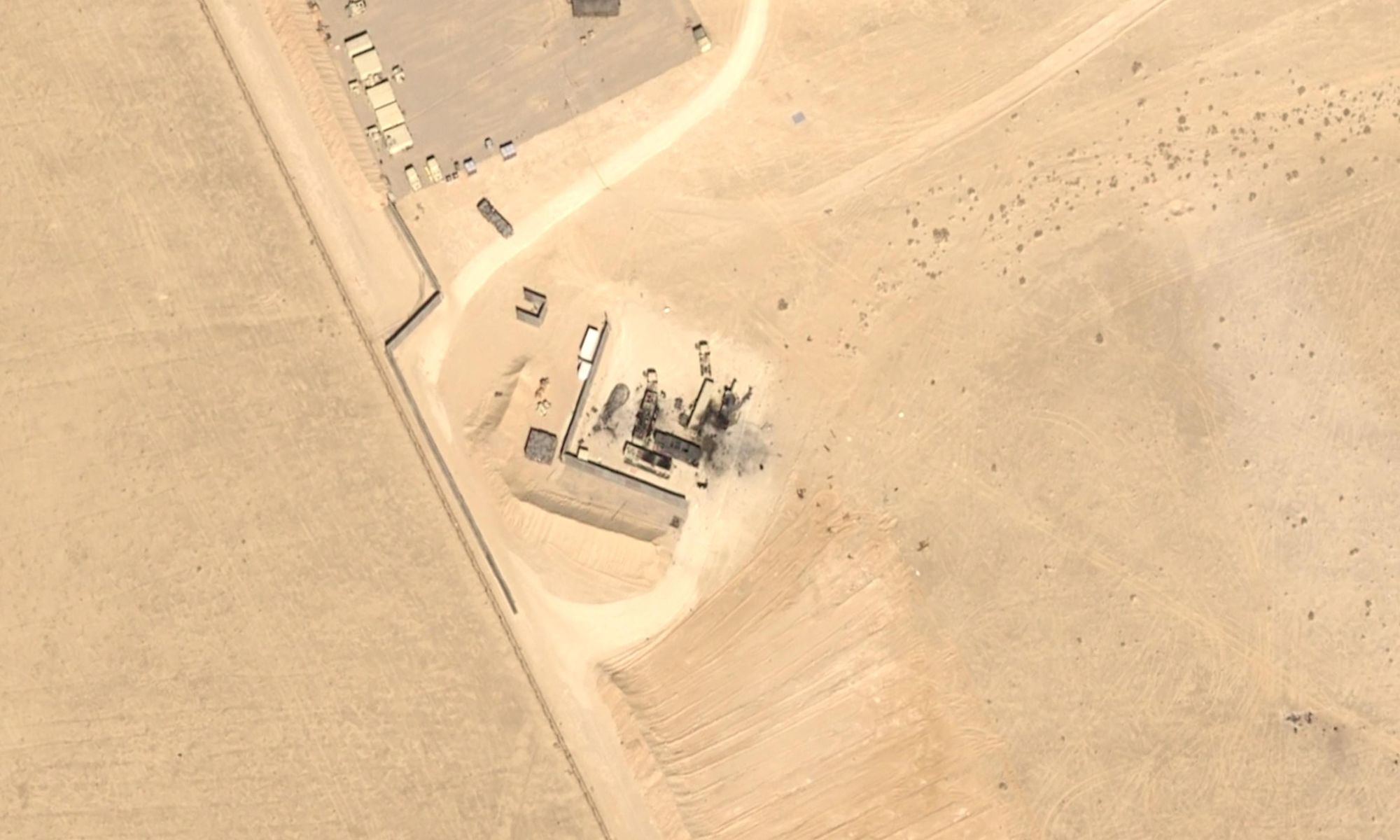
The Iran ballistic missile launch demonstrates how missile technology has become a central factor in modern regional security. Countries across the Middle East continue to invest heavily in missile detection and interception systems.
While the incident ended without damage, it highlights the fragile balance between military preparedness and diplomatic stability.
As investigations continue, defense analysts will study radar data and interception details to better understand the trajectory and origin of the missiles involved in the Iran ballistic missile launch.
Key takeaway from the missile incident
The Iran ballistic missile launch triggered rapid defensive action from Qatar’s military and demonstrated the effectiveness of modern missile interception systems. Two ballistic missiles, a cruise missile, and several drones were reportedly destroyed before reaching their targets. The event reflects ongoing geopolitical tensions across the Middle East and underscores the importance of both defensive preparedness and diplomatic dialogue to maintain regional stability.