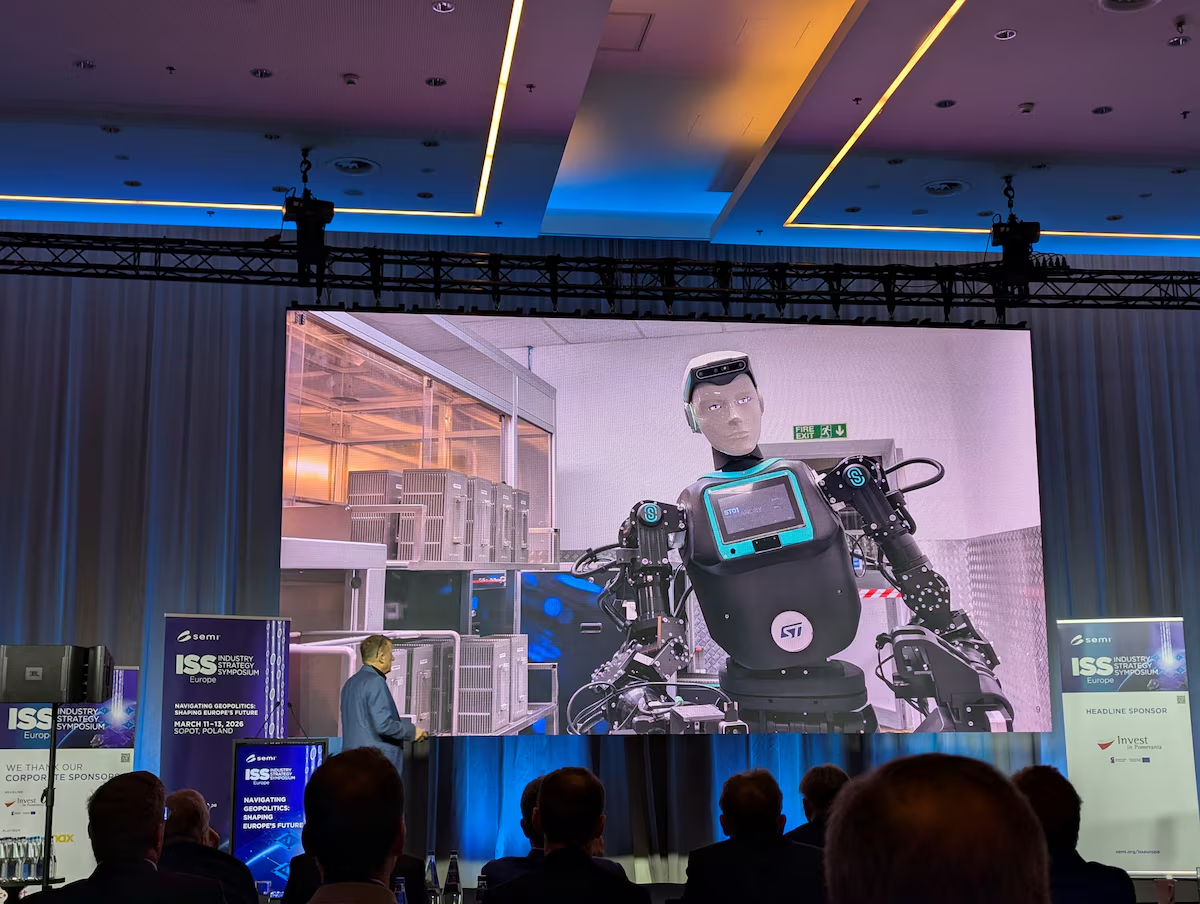
TOKYO, Japan — March 13, 2026 — Parliament Politics Magazine — Technology companies around the world are rapidly expanding semiconductor robotics manufacturing as global demand for advanced microchips continues to surge. Major semiconductor producers are investing billions of dollars in automation technologies designed to improve efficiency, reduce production errors, and increase chip output in modern fabrication facilities.
Industry analysts say semiconductor robotics manufacturing has become one of the most important developments shaping the future of the semiconductor sector. Robotics systems are now performing complex tasks that once required highly specialized manual labor.
As artificial intelligence, cloud computing, and electric vehicles drive demand for advanced processors, semiconductor robotics manufacturing is emerging as a key factor in helping manufacturers scale production to meet global technology needs.
Automation Redefines Semiconductor Factory Operations
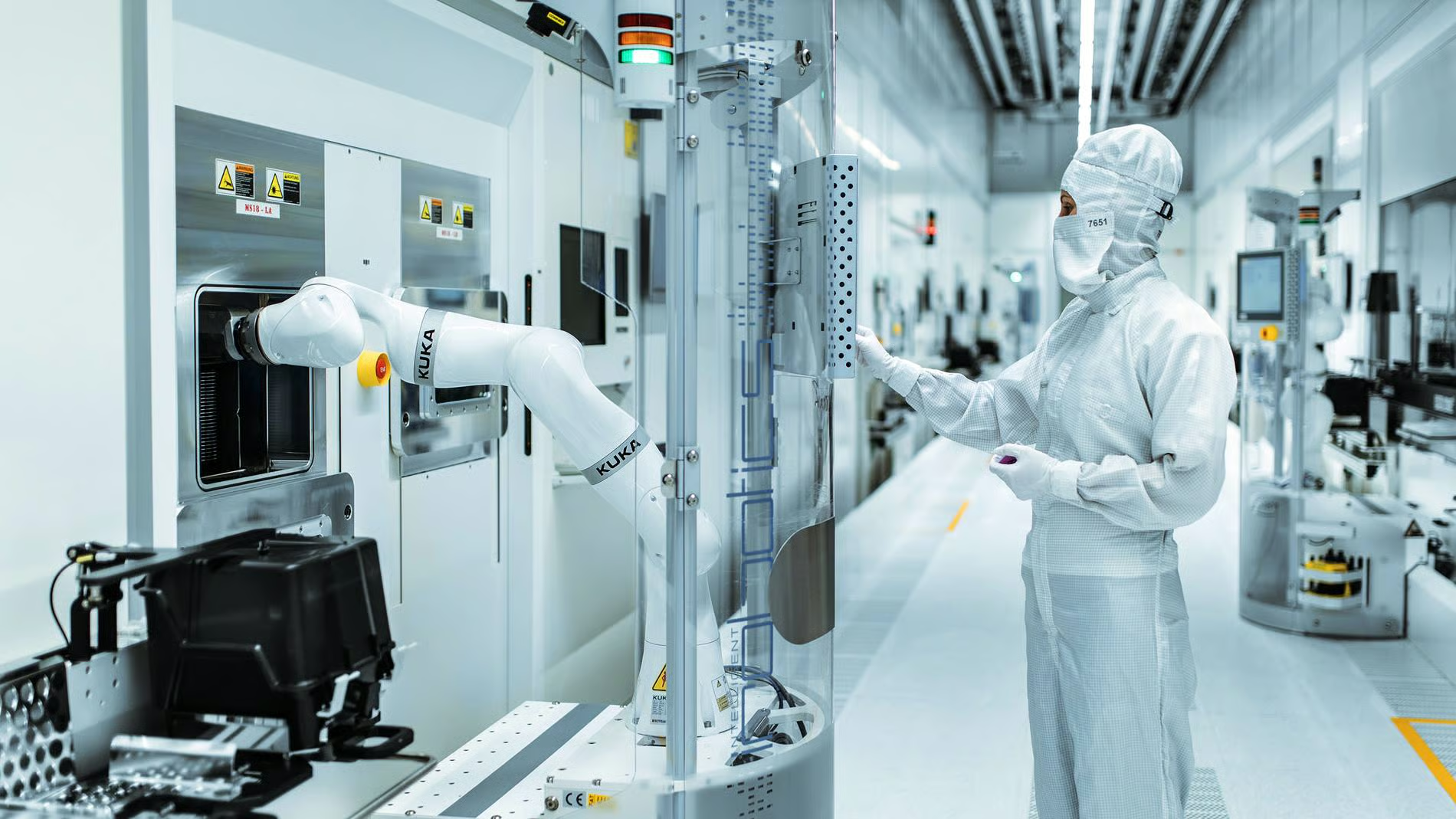
Modern semiconductor factories are among the most technologically advanced manufacturing facilities in the world. Producing microchips requires extreme precision and carefully controlled environments known as clean rooms.
Because of these strict requirements, semiconductor robotics manufacturing has become a practical solution for improving production reliability. Robots can operate continuously while maintaining the consistency required for semiconductor fabrication.
Engineers say automation helps prevent contamination during wafer handling and assembly processes.
This level of precision makes semiconductor robotics manufacturing particularly valuable for producing smaller and more complex chip designs.
According to manufacturing specialists, the integration of robotics allows companies to improve efficiency while maintaining strict quality standards.
One semiconductor engineer involved in factory automation explained,
“Automation in semiconductor factories is no longer optional. Robotics has become essential for maintaining precision as chip technology advances.”
Global Chip Demand Continues to Rise
The global technology industry is experiencing unprecedented demand for semiconductors. Microchips power nearly every modern electronic device, from smartphones and laptops to medical equipment and advanced vehicles.
As industries increasingly rely on digital technology, manufacturers are expanding production capacity using semiconductor robotics manufacturing systems.
Automated production lines allow semiconductor companies to increase output without sacrificing quality. This capability is especially important as next generation chips become more complex.
Technology analysts say semiconductor robotics manufacturing is helping companies respond more quickly to market demand by improving manufacturing scalability.
Without these automated systems, it would be extremely difficult for chipmakers to keep pace with the rapidly growing global demand for processors.
Robotics Improves Manufacturing Precision
Semiconductor components are measured in nanometers, making precise production essential. Even minor manufacturing errors can affect chip performance.
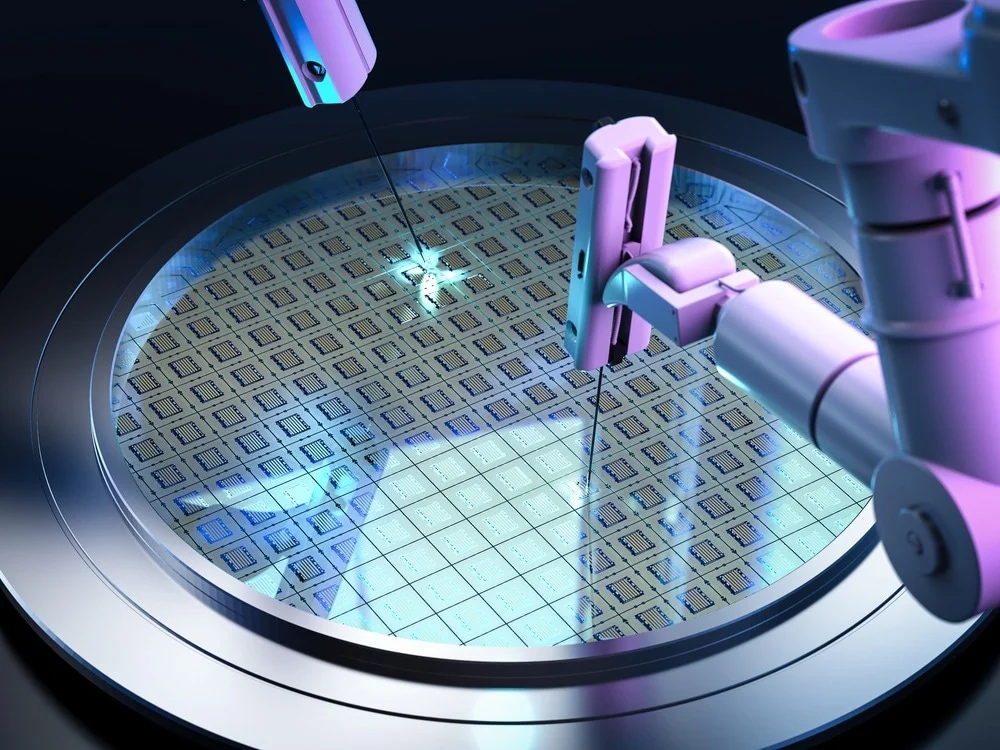
Robotic systems used in semiconductor robotics manufacturing are capable of handling delicate wafers and microscopic components with extraordinary accuracy.
These systems often incorporate sensors, artificial intelligence software, and real time monitoring tools that help detect defects during production.
Manufacturers say the use of robotics allows factories to maintain consistent quality across millions of chips produced each year.
Industry analysts emphasize that semiconductor robotics manufacturing not only improves efficiency but also enhances product reliability.
Workforce Transformation in the Chip Industry
As robotics becomes more widely adopted, the semiconductor workforce is undergoing a major transformation.
Instead of performing repetitive tasks, employees are increasingly responsible for supervising automated systems and maintaining advanced robotics equipment.
Training programs are being developed to prepare technicians and engineers for careers related to semiconductor robotics manufacturing.
Educational institutions are collaborating with semiconductor companies to provide specialized courses in robotics engineering, automation technology, and semiconductor fabrication.
These initiatives demonstrate how semiconductor robotics manufacturing is creating new career opportunities while reshaping traditional manufacturing roles.
Technology Companies Build Smart Factories
Many semiconductor manufacturers are now developing smart factories powered by robotics and data analytics.
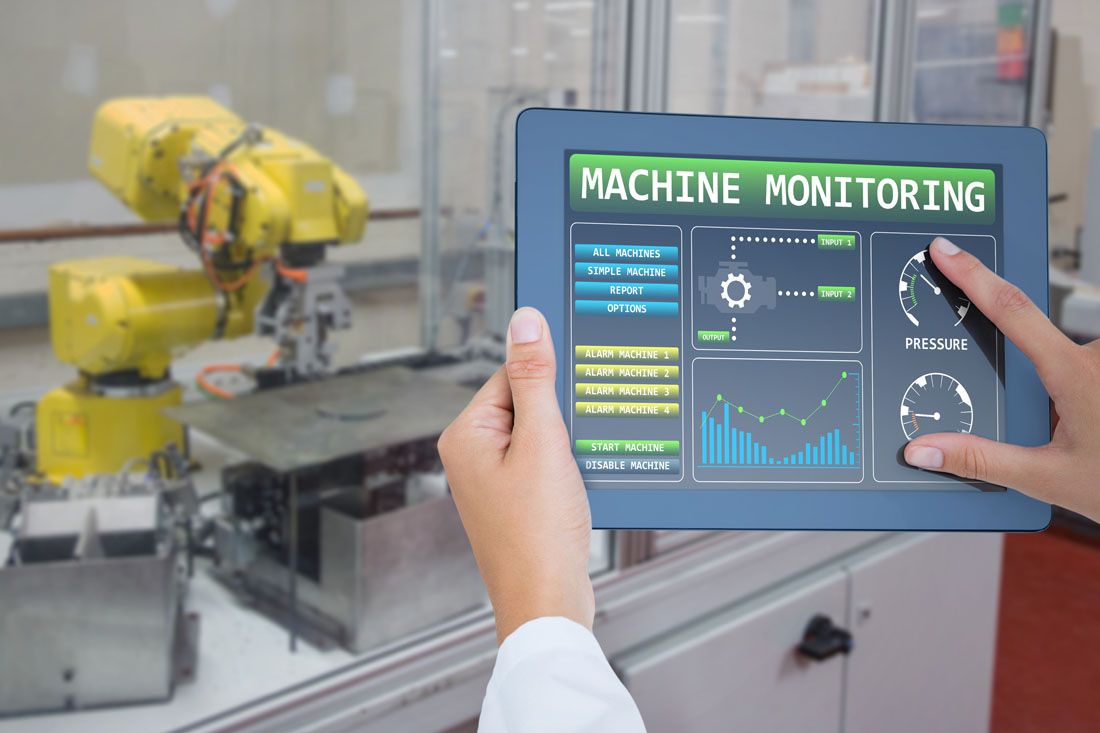
These facilities use connected sensors and digital monitoring systems to track production performance in real time.
By combining robotics with advanced analytics, semiconductor robotics manufacturing allows engineers to identify inefficiencies and improve production processes quickly.
Smart factories also reduce downtime by predicting equipment maintenance needs before failures occur.
This approach is rapidly becoming the industry standard as companies compete to produce chips more efficiently.
Experts say the expansion of semiconductor robotics manufacturing will play a major role in defining the next generation of semiconductor production facilities.
Government Investment Strengthens Semiconductor Industry
Governments worldwide are increasing investment in semiconductor manufacturing to strengthen supply chains and reduce dependence on overseas production.
Automation technologies are central to these initiatives because they allow countries to build highly efficient semiconductor factories.
Programs supporting semiconductor robotics manufacturing are being introduced in several regions as part of broader technology development strategies.
Policy makers recognize that semiconductors are essential for economic growth and national security.
By encouraging investment in automation and robotics, governments hope to ensure stable chip production for critical industries.
HISTORY: The Evolution of Semiconductor Factory Automation
The semiconductor industry has evolved dramatically since the first integrated circuits were produced in the mid twentieth century.
Early semiconductor manufacturing relied heavily on manual labor and relatively simple machinery.
As chip designs became more advanced, manufacturers began introducing automated equipment to improve efficiency.
Over time, robotics technology became more sophisticated, enabling fully automated production lines.
Today’s semiconductor robotics manufacturing systems represent the culmination of decades of technological development.
These systems integrate robotics, artificial intelligence, and advanced engineering techniques to produce microchips at unprecedented scale and precision.
Understanding this history highlights how automation has transformed semiconductor manufacturing into one of the most technologically advanced industries in the world.
Expert Views on the Future of Automation
Industry analysts believe the expansion of robotics in semiconductor factories will continue accelerating in the coming years.
One technology strategist noted that automation is essential for meeting the growing demand for advanced processors.
Experts say semiconductor robotics manufacturing will likely become even more sophisticated as artificial intelligence systems are integrated into production processes.
Future robotic systems could analyze manufacturing data in real time and automatically adjust production settings to optimize performance.
These advancements may significantly increase chip production capacity while reducing costs.
The Next Phase of Semiconductor Innovation
The semiconductor industry is entering a new era driven by artificial intelligence, electric vehicles, and advanced computing technologies.
As these technologies evolve, manufacturers must continue improving their production capabilities.
The growing adoption of semiconductor robotics manufacturing reflects the industry’s commitment to innovation and efficiency.
Companies that successfully integrate robotics into their production systems will likely gain a significant competitive advantage.
With global demand for microchips continuing to rise, automation will remain a crucial factor in determining the future of semiconductor manufacturing.
Robotics Reshapes the Chip Industry
The expansion of semiconductor robotics manufacturing is transforming how microchips are produced across the world. Robotics technology is improving precision, increasing production capacity, and enabling manufacturers to meet the rapidly growing demand for semiconductors.
At the same time, automation is reshaping the workforce by creating new roles focused on robotics management and advanced engineering.
As governments, technology companies, and research institutions continue investing in semiconductor innovation, robotics will remain at the center of this transformation.
The rapid growth of automated chip production demonstrates how advanced manufacturing technologies are redefining the global semiconductor industry.