Growing concerns over Strait of Hormuz security have triggered fresh diplomatic debate among global powers as leaders discuss how to protect one of the world’s most critical energy shipping routes.
Calls for allied naval cooperation have met cautious responses from countries including Japan and Australia.
The situation highlights rising geopolitical tension surrounding the narrow waterway that carries a large portion of the world’s oil supply.
WASHINGTON, United States – March 16, 2026 – Parliament Politics Magazine style coverage highlights growing international concern surrounding Strait of Hormuz security, a topic once again dominating global diplomatic discussions as governments evaluate the stability of one of the most critical maritime corridors on Earth.
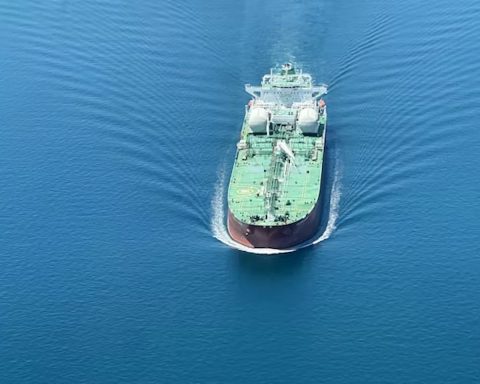
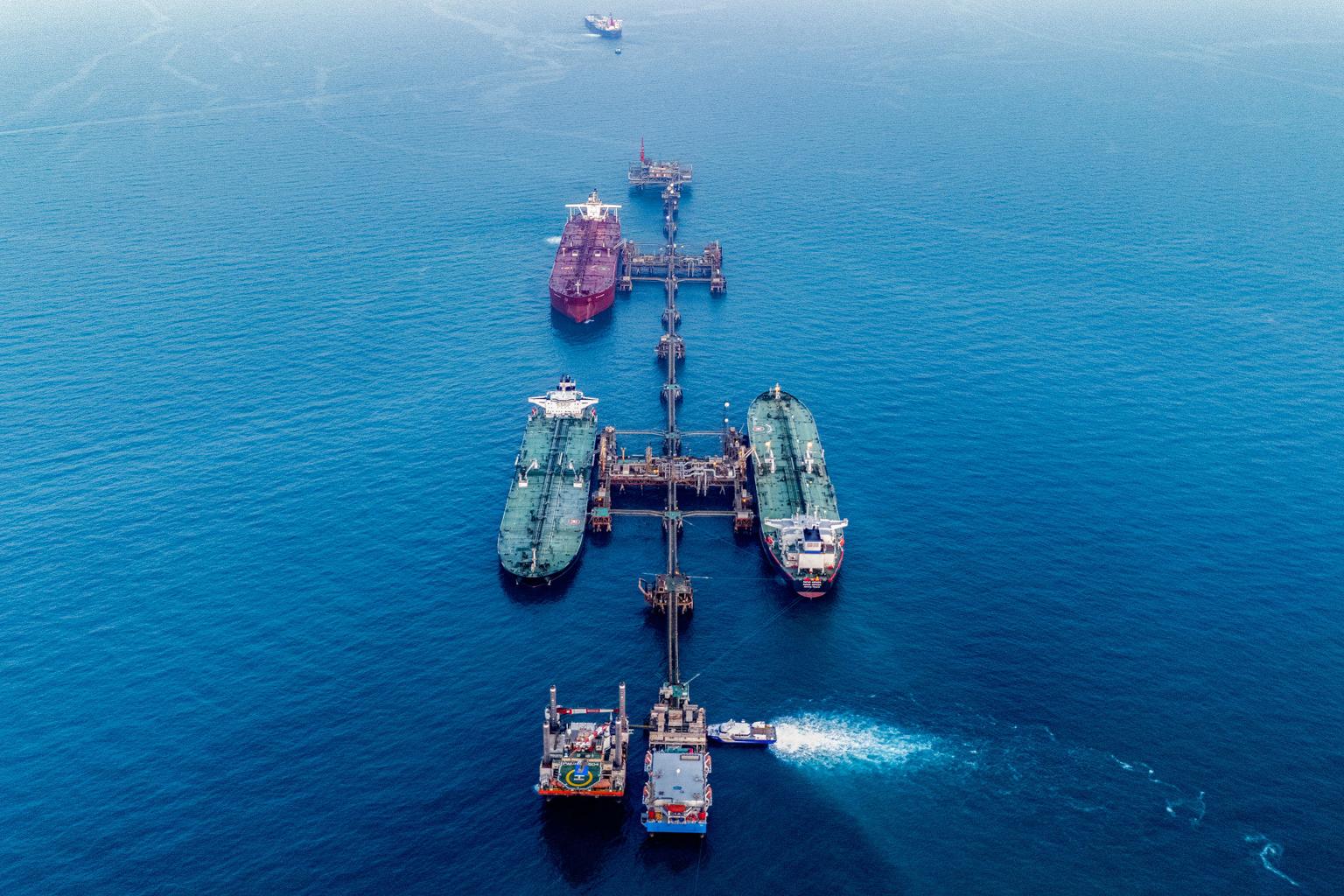
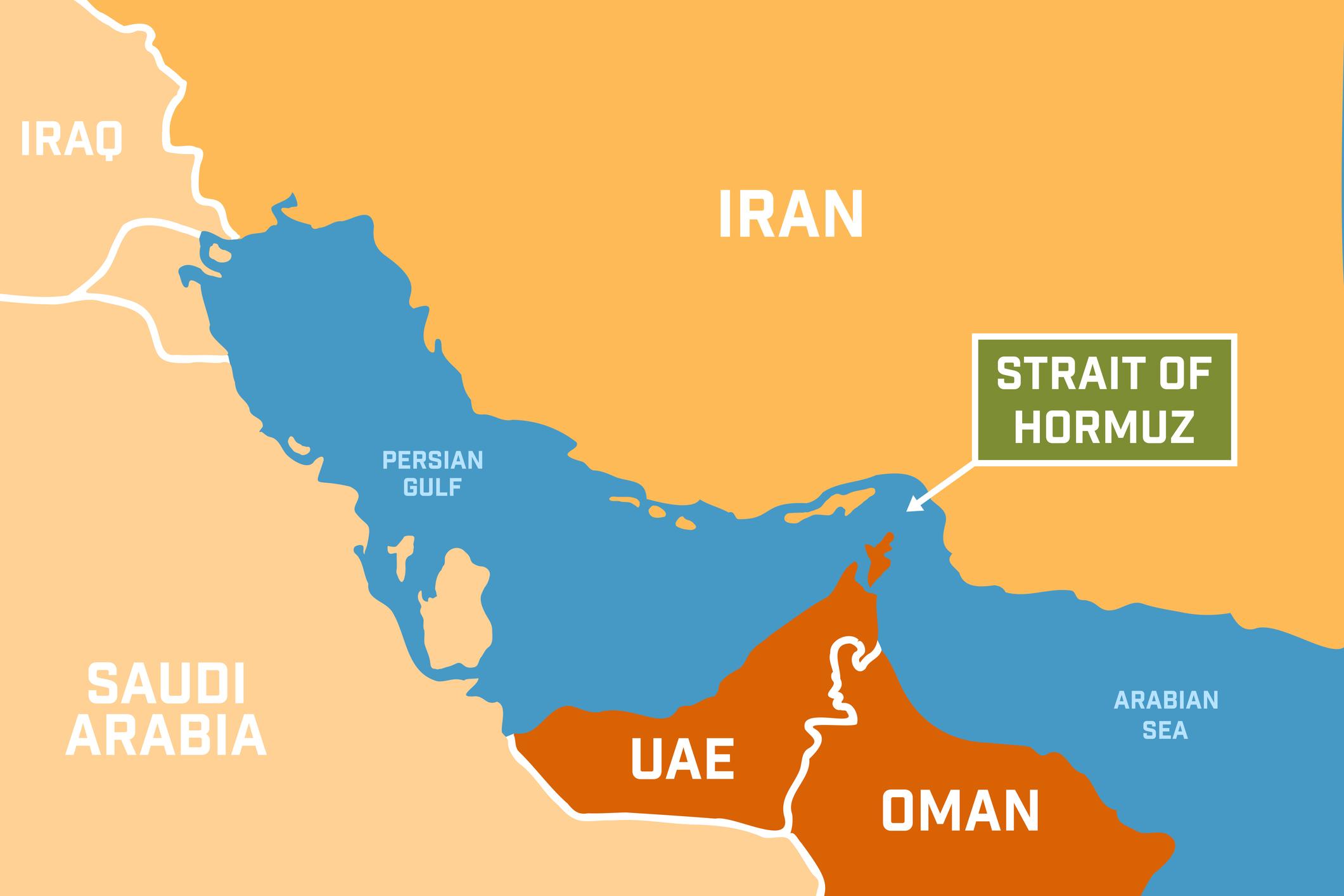
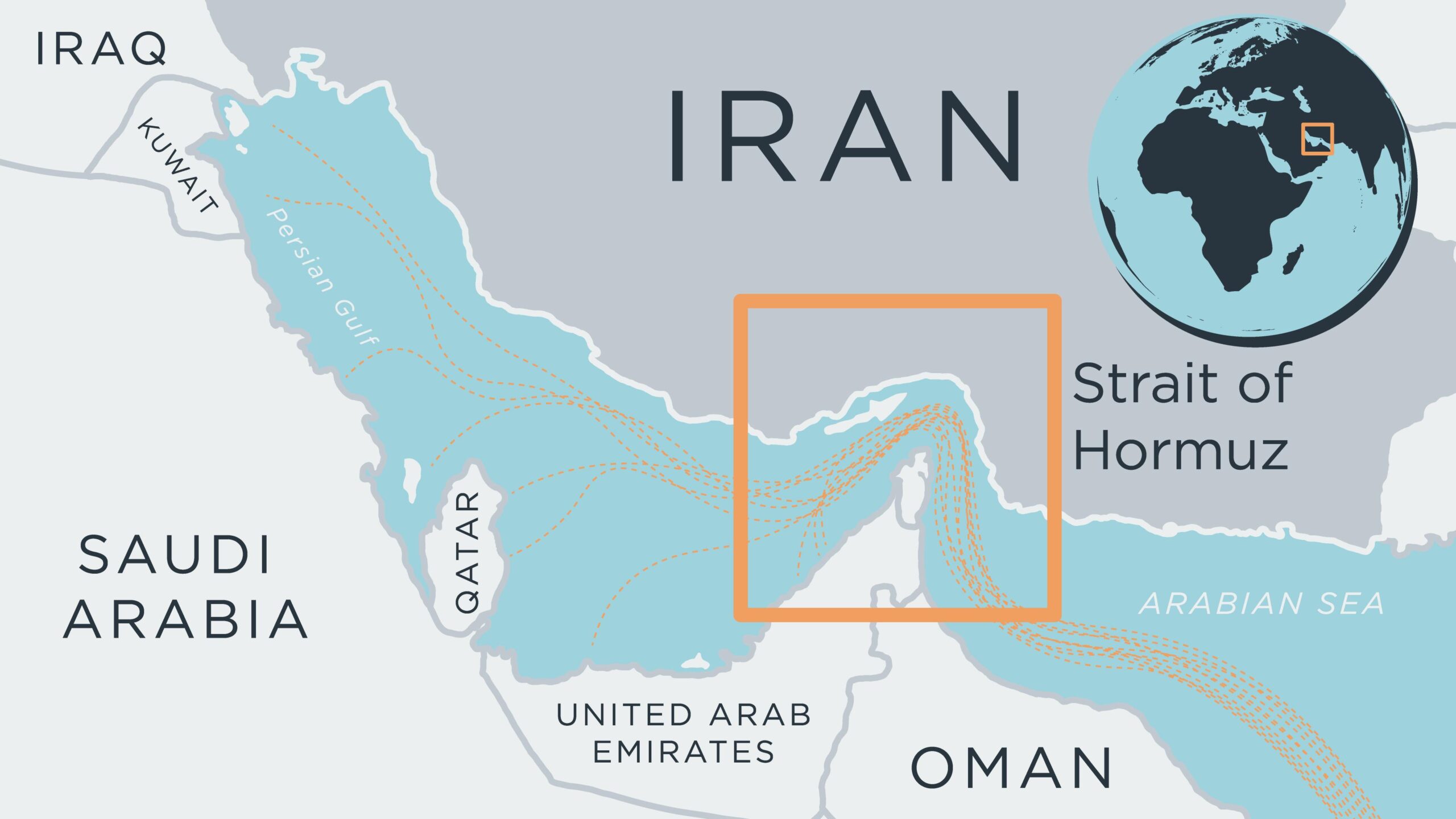
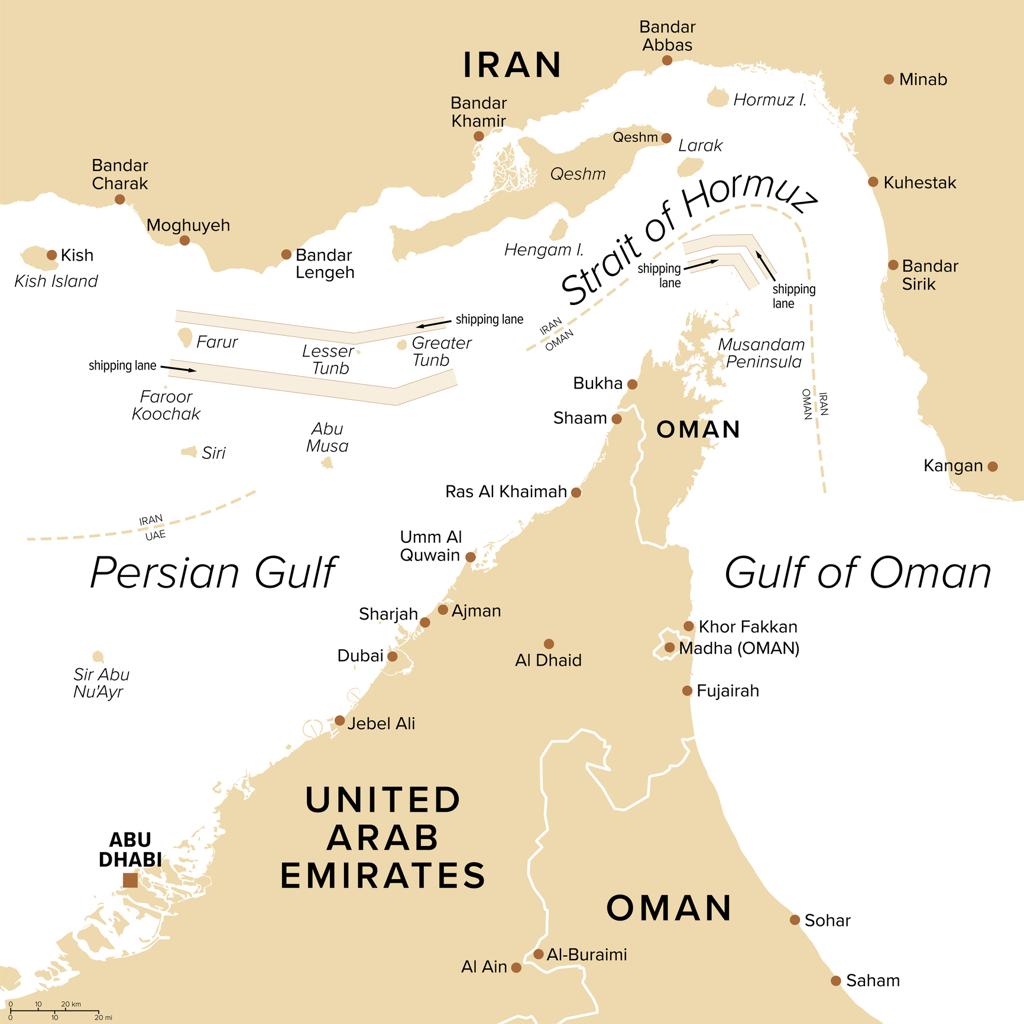
The narrow passage connecting the Persian Gulf with the Gulf of Oman remains the primary gateway for oil exports leaving the Middle East. Tankers carrying millions of barrels of crude oil travel through this route daily toward markets in Asia, Europe, and North America.
Because of this massive flow of energy resources, Strait of Hormuz security is closely watched by governments, energy traders, and international security experts. Even minor disruptions could trigger rapid changes in global oil prices and economic stability.
Recent political statements urging greater international participation in maritime patrols have reignited debates about how responsibility for protecting global shipping routes should be shared among nations.
Strategic Importance of the World’s Most Critical Energy Route
The Strait of Hormuz has long been considered the most important maritime chokepoint for global energy transportation.
At its narrowest point, the waterway is just over twenty miles wide. Despite its small size, it handles an enormous volume of global oil shipments.
Energy analysts estimate that roughly one fifth of the world’s daily oil consumption moves through this corridor. Liquefied natural gas exports from Qatar also rely heavily on the same route.
Because so much global energy depends on safe passage through this channel, the conversation surrounding Strait of Hormuz security extends far beyond the Middle East and into the broader framework of international economic stability.
A disruption lasting even a few days could ripple through global markets, affecting fuel prices, transportation costs, and manufacturing supply chains.
Allies Respond Carefully to Calls for Naval Support
Several allied governments have acknowledged the importance of protecting international shipping lanes while also emphasizing the need for careful diplomatic coordination.
Japan and Australia have both confirmed that they currently have no immediate plans to deploy additional naval vessels to the Persian Gulf region.
Officials in both countries stressed that maintaining stability in global trade routes remains important, yet military deployments must be carefully evaluated through national security policies and international partnerships.
The discussion about Strait of Hormuz security reflects the broader challenge of balancing geopolitical cooperation with domestic policy considerations.
Many governments prefer multinational frameworks before committing naval resources to sensitive regions where tensions between regional powers remain high.
Economic Stakes Driving International Concern
Global markets pay extremely close attention to developments related to major energy routes.
Oil traders frequently monitor geopolitical signals affecting the Persian Gulf because the region’s stability plays a direct role in determining global crude prices.
Financial analysts say concerns surrounding Strait of Hormuz security can quickly influence investor sentiment and market volatility.
Airlines, transportation companies, and manufacturing industries all depend heavily on predictable fuel costs. When instability threatens major supply routes, those industries can experience sudden cost increases.
For this reason, energy infrastructure protection remains one of the most critical strategic priorities for governments around the world.
History of Maritime Tensions in the Strait
The modern debate over Strait of Hormuz security is deeply connected to the region’s long history of maritime tensions.
During the Iran Iraq war in the 1980s, oil tankers operating in the Persian Gulf were frequently targeted in attacks that disrupted shipping routes. This period became widely known as the Tanker War.
In response, international naval forces began escorting commercial vessels through the strait to ensure safe passage.
Since then, the waterway has occasionally experienced security incidents involving commercial ships, raising concerns about freedom of navigation.
These historical experiences continue to shape how policymakers approach maritime protection strategies today.
Military Presence and Regional Stability
The United States has maintained a naval presence in the Persian Gulf for decades, operating fleets capable of responding rapidly to threats against commercial shipping.
Supporters of multinational cooperation argue that protecting global trade routes should involve participation from multiple nations.
Advocates believe broader international cooperation could strengthen Strait of Hormuz security while reducing the burden placed on any single country.
Others caution that expanding military activity in the region must be carefully coordinated to avoid escalating geopolitical tensions.
These differing perspectives highlight the complexity of maintaining stability in a region where global economic interests intersect with regional political rivalries.
Voices From Security and Energy Experts
Security analysts often emphasize the importance of cooperation when discussing international maritime safety.
A maritime security specialist explained the challenge in simple terms.
“Protecting the global energy lifeline requires cooperation because the consequences of disruption would impact every major economy.”
Energy market observers also emphasize the economic risks associated with instability.
Another policy analyst noted that
“the entire global economy depends on predictable energy flows, which is why maritime safety in this region is closely monitored by governments and financial markets.”
These perspectives illustrate why Strait of Hormuz security remains a top priority in international strategic discussions.
Diplomatic Pathways to Prevent Escalation
Military deterrence alone cannot guarantee long term stability in the Persian Gulf.
Diplomatic communication between regional governments and international partners plays a major role in preventing misunderstandings that could lead to conflict.
Negotiations involving energy cooperation, economic partnerships, and regional dialogue all contribute to lowering tensions.
Experts believe diplomatic engagement is essential for strengthening Strait of Hormuz security while avoiding unnecessary military escalation.
Maintaining open communication channels between major regional powers remains one of the most effective ways to preserve stability in the area.
Future Outlook for Global Maritime Cooperation
As global energy demand continues to grow, international attention on strategic shipping corridors is likely to increase.
Policy experts believe new cooperative frameworks may emerge to ensure the protection of critical trade routes.
Some analysts predict that multinational naval patrol programs could become more common as governments work together to secure key waterways.
Others believe diplomatic initiatives and economic partnerships will remain the primary tools for maintaining Strait of Hormuz security over the long term.
Regardless of the approach taken, the global economy will continue to rely on safe navigation through this vital energy corridor.
Global Energy Lifeline at the Center of International Debate
The ongoing international discussion surrounding the Persian Gulf highlights the enormous strategic value of the narrow waterway connecting global energy markets.
Strait of Hormuz security remains a central concern for policymakers, investors, and energy producers because the stability of this shipping corridor directly affects the world economy.
As geopolitical tensions evolve and global energy demand increases, governments will continue debating how best to protect the flow of oil and gas passing through the region.
Maintaining safe maritime passage will remain a top international priority for decades to come.
Why the Strait of Hormuz Security Debate Could Impact the Global Economy
The current global conversation surrounding Strait of Hormuz security reflects the enormous economic and geopolitical importance of the Persian Gulf shipping corridor.
The narrow channel carries a large portion of the world’s oil supply, making stability in the region essential for global markets.
Governments are balancing diplomatic engagement, military deterrence, and international cooperation as they work to maintain safe navigation for commercial vessels.
As international attention remains focused on the region, policymakers continue exploring ways to safeguard one of the most critical energy routes in the world.