Britain has clarified its position on tensions involving Iran, signaling that it will avoid joining a wider war while emphasizing the need for diplomatic engagement.
The UK Iran conflict stance is drawing global attention as leaders debate how to protect vital shipping routes without escalating regional tensions.
Energy markets and international governments are closely watching how London balances diplomacy and security in the evolving Middle East crisis.
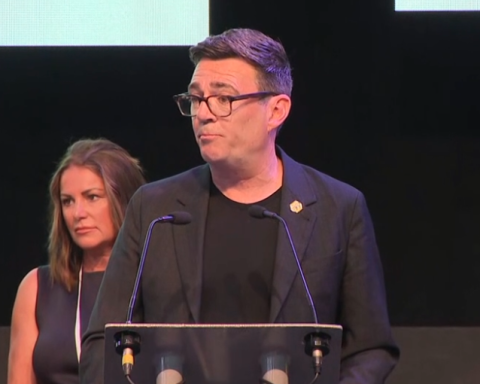
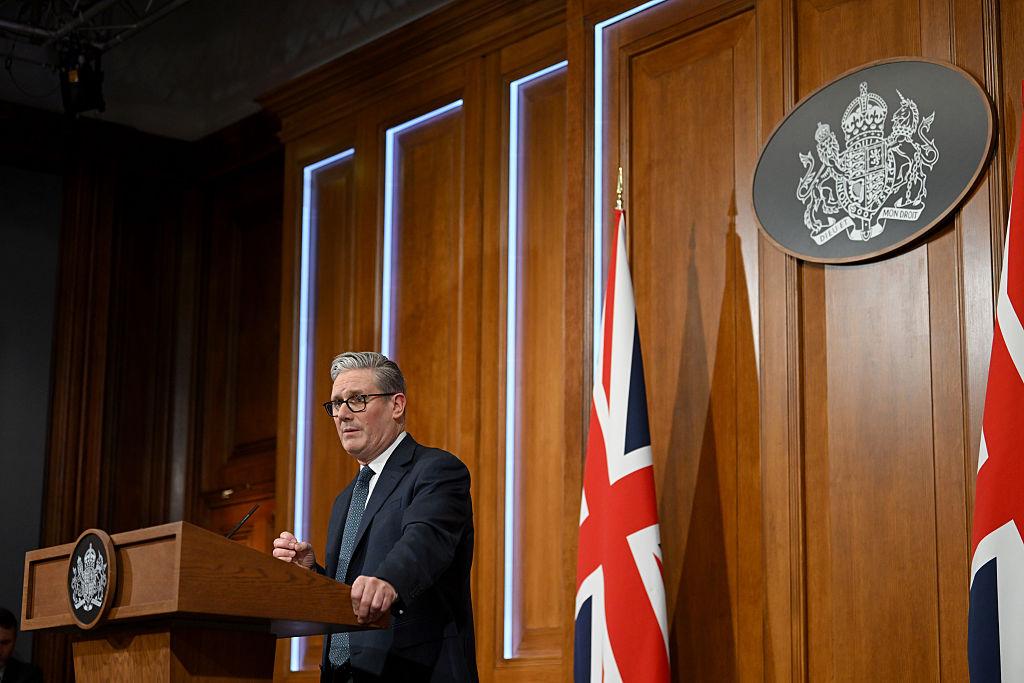
LONDON, United Kingdom — March 16, 2026 — Parliament Politics Magazine style coverage highlights how the UK Iran conflict stance has become a significant topic in global diplomacy after Prime Minister Keir Starmer indicated that Britain will not participate in a broader military confrontation involving Iran.
During a policy discussion with international partners, Starmer emphasized that the United Kingdom prefers diplomatic engagement rather than escalation. His comments come at a time when tensions surrounding Iran have raised concerns about regional security and global energy supply routes.
Government officials say the UK Iran conflict stance reflects Britain’s long standing approach of balancing security commitments with diplomatic solutions. While London remains committed to international cooperation and maritime security, the government has made clear that avoiding a wider conflict remains a priority.
The situation highlights the complexity of modern geopolitics, where military readiness and diplomatic dialogue must often operate side by side.
Strategic Calculations Behind Britain’s Policy
Security analysts say the UK Iran conflict stance is influenced by several strategic considerations, including economic stability, regional alliances, and energy security.
Britain has historically maintained strong partnerships with both European allies and the United States. These alliances often shape the country’s response to international crises.
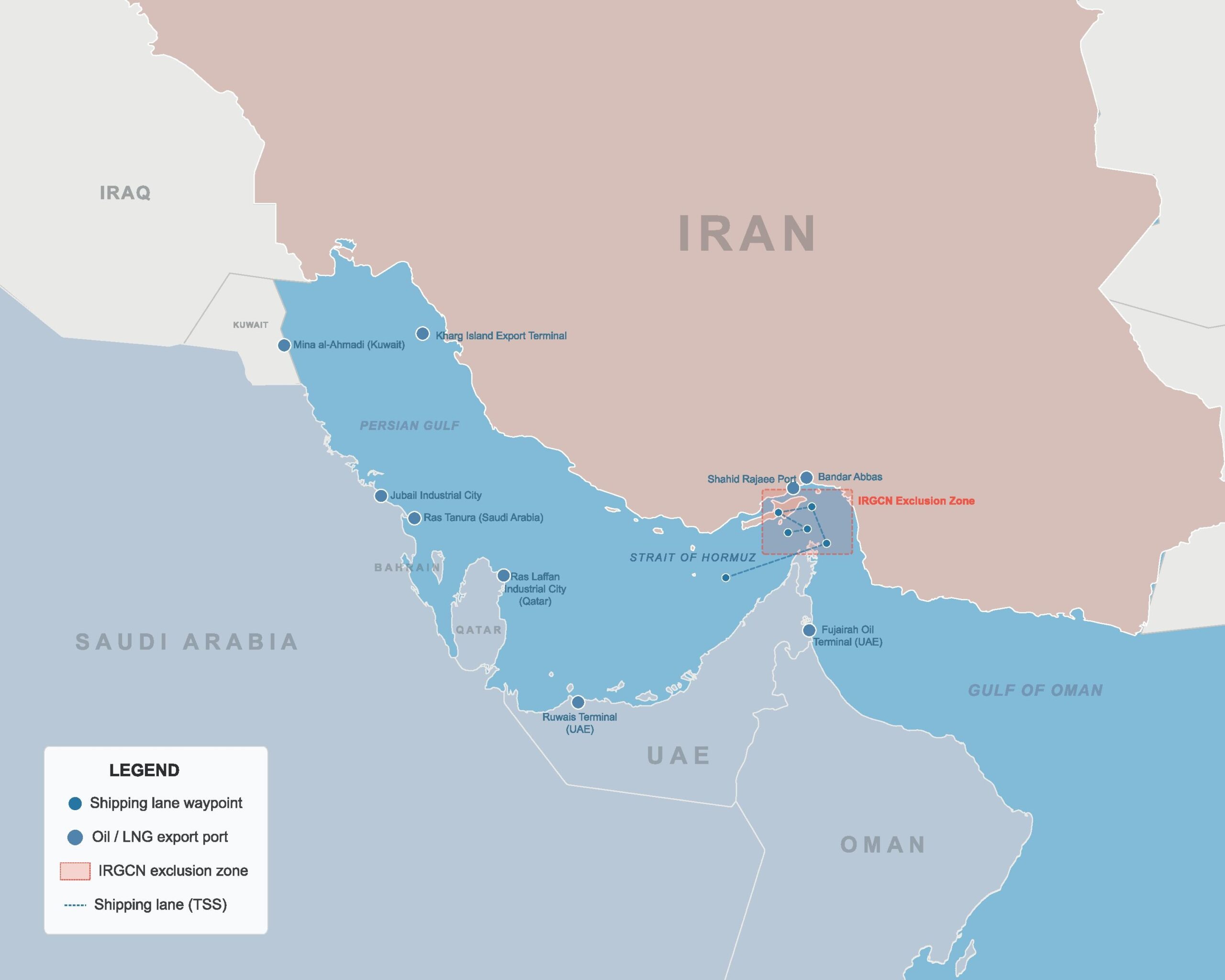
At the same time, policymakers recognize the importance of preventing conflicts from expanding in strategically sensitive regions such as the Persian Gulf.
Diplomatic engagement therefore remains central to Britain’s strategy. Officials believe dialogue with regional governments and international organizations can help reduce tensions before they escalate into military confrontation.
This approach allows London to support international stability while maintaining its commitments to global security partnerships.
Energy Security Concerns in the Persian Gulf
One of the most important factors shaping the UK Iran conflict stance is the protection of global energy supply routes.
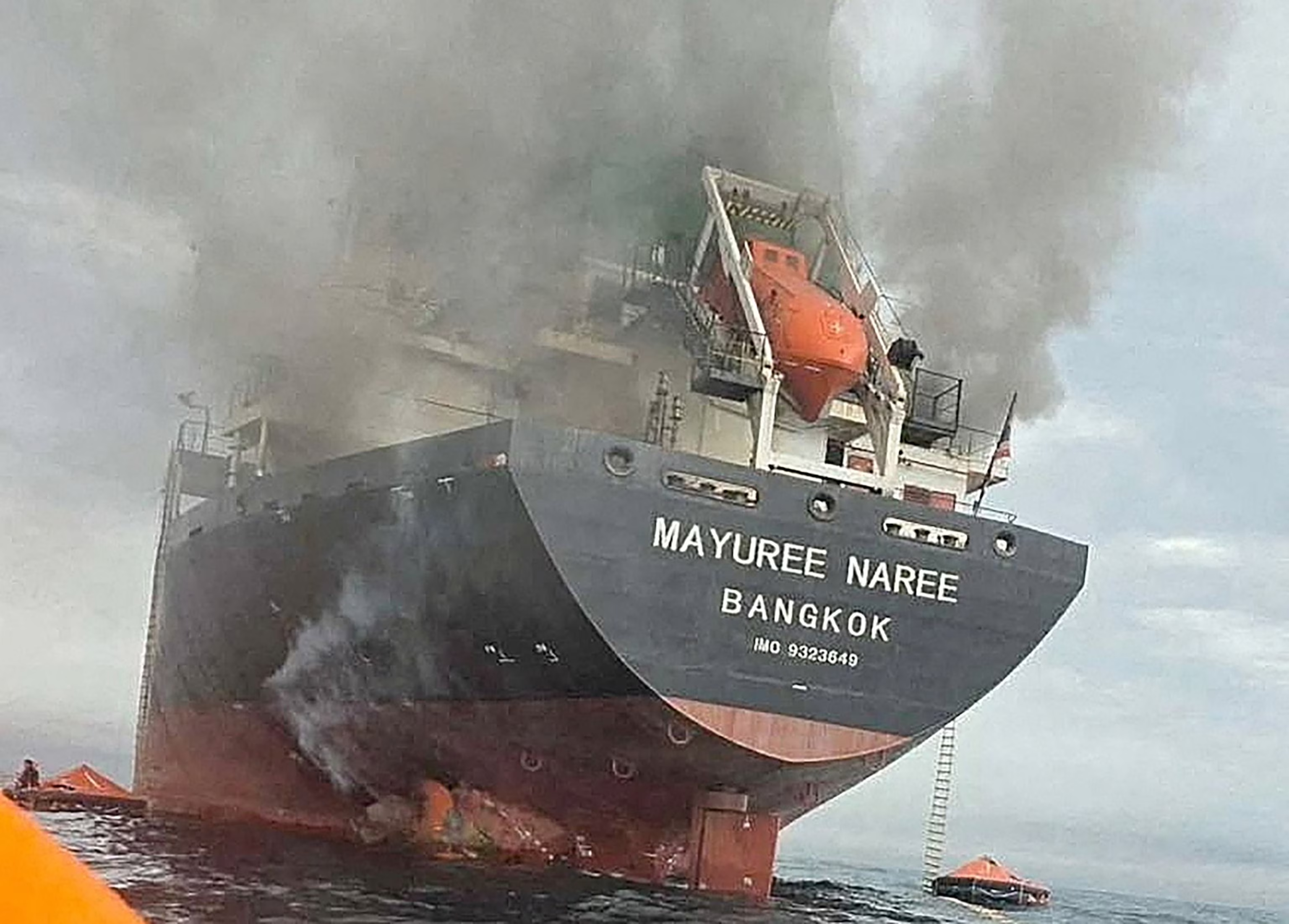
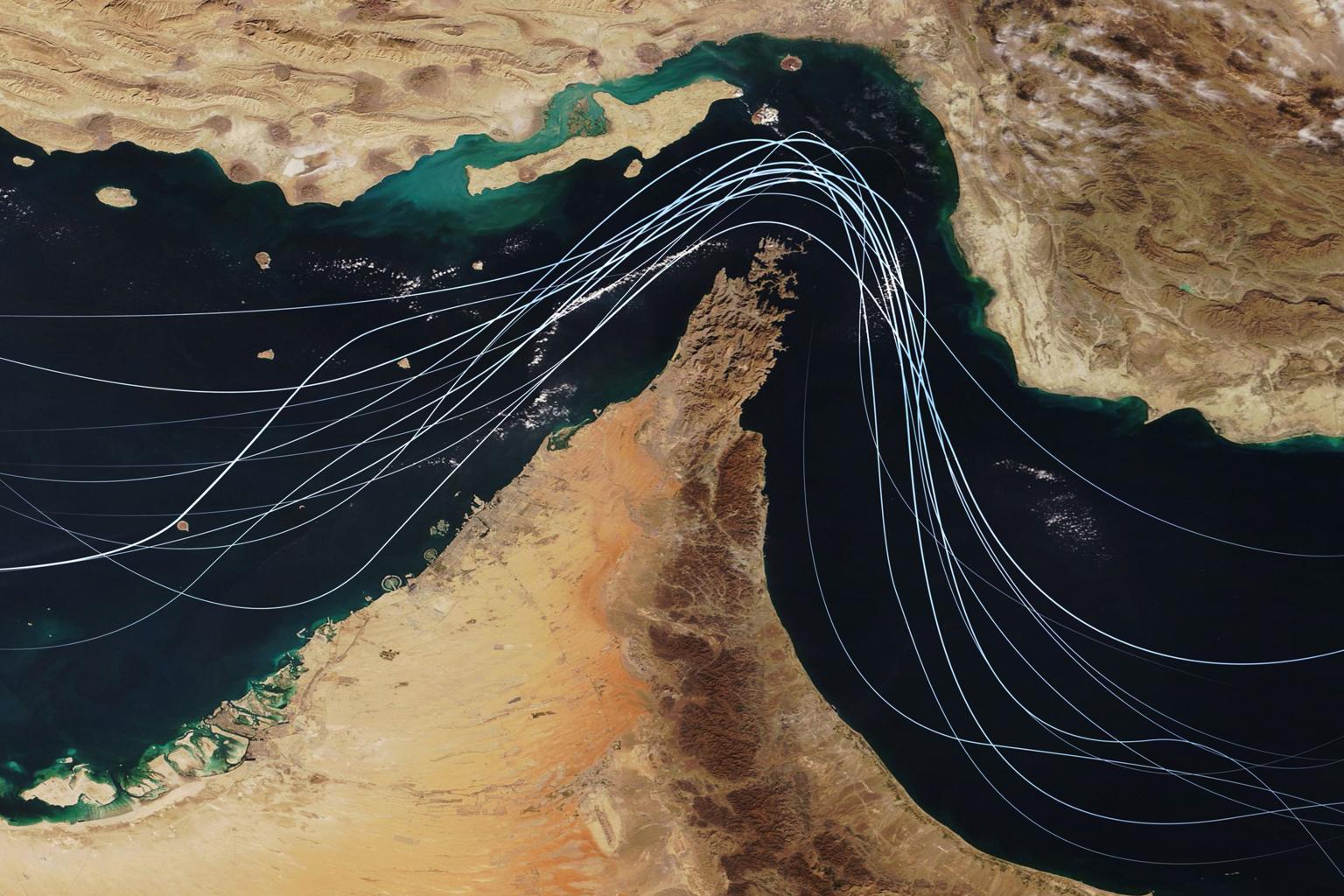
The Persian Gulf remains one of the world’s most critical regions for oil exports. Shipping lanes near the Strait of Hormuz transport millions of barrels of crude oil each day toward international markets.
Because of this enormous volume, any disruption in the region can influence fuel prices and global economic stability.
Energy analysts say governments closely monitor developments in the area because shipping routes there serve as vital links between oil producing nations and energy importing economies.
Maintaining secure maritime corridors remains a top priority for countries that rely on stable energy supplies.
European Leaders Encourage Diplomatic Solutions
Britain’s cautious position has been echoed by several European governments that also favor diplomatic engagement.
The UK Iran conflict stance reflects a broader European effort to prevent escalation and promote negotiations between regional actors.
European policymakers often emphasize that military confrontation could destabilize the Middle East and disrupt international trade.
Diplomatic discussions involving European leaders frequently focus on encouraging dialogue between governments in order to resolve disputes peacefully.
These efforts illustrate how regional crises often require coordinated international responses rather than unilateral action.
Markets React to Diplomatic Signals
Financial markets closely monitor geopolitical developments that could affect global energy supply.
The UK Iran conflict stance has therefore drawn attention from investors evaluating how diplomatic decisions might influence stability in the Persian Gulf.
Oil prices can fluctuate rapidly when political tensions threaten shipping routes. Because the region plays a central role in global energy transportation, even minor disruptions can influence market expectations.
Energy traders frequently analyze diplomatic announcements and policy statements to anticipate potential changes in supply conditions.
This connection between geopolitics and markets demonstrates how international policy decisions can influence economic outcomes.
Historical Context of Britain and Iran Relations
The UK Iran conflict stance is shaped by a long and complex history between the two countries.
Relations between Britain and Iran have evolved through periods of cooperation, tension, and diplomatic negotiation over the past century.
Disputes involving economic interests, nuclear negotiations, and regional security have periodically influenced the relationship.
These historical experiences have shaped how British policymakers approach current diplomatic challenges involving Iran.
Understanding the background of UK Iran relations provides valuable insight into why London often emphasizes dialogue and negotiation when tensions rise.
Military Cooperation Without Escalation
While ruling out participation in a wider conflict, Britain continues to maintain military cooperation with international allies.
British naval forces regularly participate in operations designed to protect maritime trade and monitor security conditions in the Persian Gulf.
The UK Iran conflict stance therefore does not represent a withdrawal from regional security commitments.
Instead, the policy focuses on defensive cooperation and maritime stability rather than direct confrontation.
Such strategies allow Britain to support international security initiatives while minimizing the risk of escalation.
Analysts Assess the Risk of Regional Escalation
Security experts frequently warn that conflicts involving strategically important regions can escalate quickly.
When discussing the UK Iran conflict stance, analysts emphasize the importance of maintaining diplomatic communication even during periods of tension.
A foreign policy specialist summarized the challenge facing governments.
“Diplomacy is often the most effective tool for preventing regional tensions from turning into full scale conflict.”
Such perspectives highlight the delicate balance policymakers must maintain when responding to geopolitical crises.
International Diplomacy Remains Key
Diplomatic engagement continues to play a central role in addressing tensions involving Iran and regional security.
The UK Iran conflict stance emphasizes cooperation with international partners in order to maintain stability.
Governments across Europe and the Middle East have encouraged dialogue as a means of reducing tensions.
International organizations also play a role in facilitating discussions aimed at preventing escalation.
These diplomatic efforts demonstrate the importance of communication in managing complex geopolitical challenges.
Why Britain’s Position Matters Globally
The UK Iran conflict stance carries significance beyond regional politics because Britain remains an influential voice in global diplomacy.
Decisions made by London can affect international alliances, energy markets, and diplomatic negotiations.
Because of the country’s strategic partnerships and economic influence, its approach to Middle East tensions is closely watched by governments worldwide.
Maintaining stability in energy producing regions is essential for protecting global trade and economic growth.
For this reason, Britain’s diplomatic strategy continues to attract international attention.
Key Summary Understanding Britain’s Strategic Balance
The evolving UK Iran conflict stance illustrates how governments must carefully balance diplomacy, security, and economic stability during periods of geopolitical tension.
Britain’s decision to avoid joining a wider conflict while supporting diplomatic engagement reflects a strategy designed to prevent escalation while maintaining international cooperation.
By emphasizing dialogue, maritime security, and alliance coordination, London aims to protect both regional stability and global trade.
As tensions continue to influence global politics, Britain’s position will remain an important factor shaping international discussions about security and diplomacy in the Middle East.