

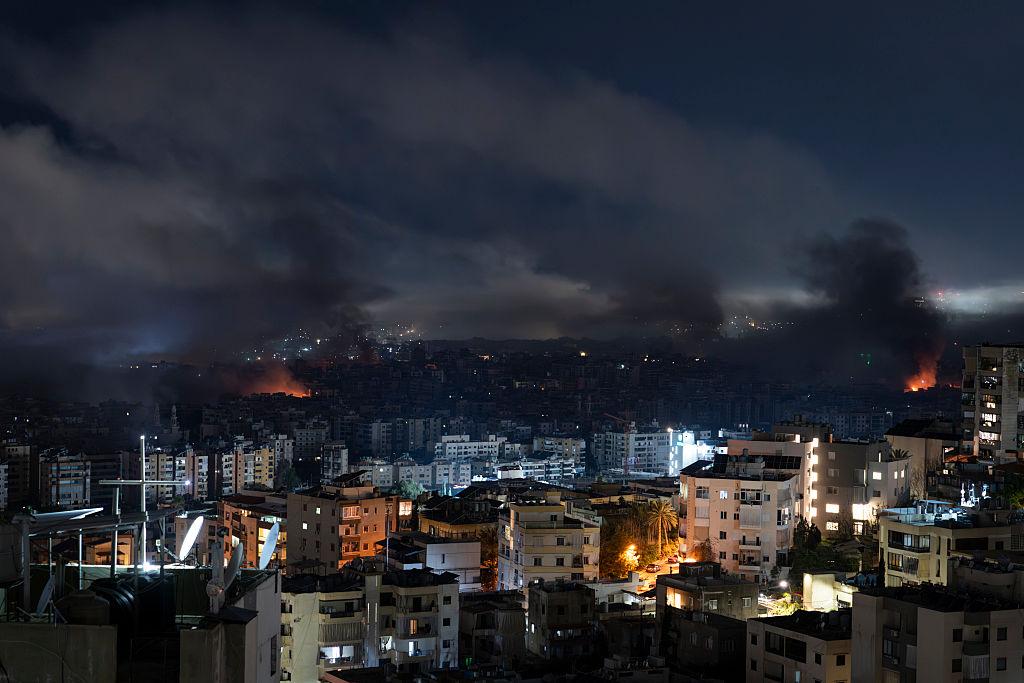
Hezbollah claims a targeted strike on Israeli troops in southern Lebanon amid rising regional tensions.
The incident signals potential escalation across the Israel-Lebanon border.
Officials warn of broader conflict risks as military responses intensify.
Southern Lebanon, March 23, 2026 (Parliament Politics Magazine) Hezbollah attack southern Lebanon has intensified concerns across the Middle East after the group announced it had targeted a gathering of Israeli army personnel near the volatile border region. The development comes at a time of heightened geopolitical tension linked to ongoing military activity involving Iran, Israel, and allied forces.
According to statements attributed to Hezbollah’s media wing, the operation focused on what it described as a “concentrated assembly of Israeli soldiers” positioned near southern Lebanon. The group claims the strike was carried out using precision-guided weapons, though independent verification remains limited.
The Israeli military has not immediately confirmed the exact nature or impact of the reported strike, but security sources indicate increased alert levels along the northern front. Analysts note that such incidents often signal a shift in engagement rules between the two sides.
Reported strike targeting Israeli troop gathering
Initial reports suggest the attack occurred near a sensitive border zone where Israeli troops have maintained a defensive posture in recent weeks. Hezbollah indicated that surveillance operations preceded the strike, allowing for what it described as a “calculated and deliberate targeting process.”
Witness accounts from nearby villages referenced loud explosions followed by aerial activity, believed to be Israeli reconnaissance drones assessing the situation. Emergency response teams were reportedly on standby, though casualty details remain unclear.
Military observers say the lack of immediate confirmation from Israeli authorities is not unusual in early stages of such incidents, particularly when operational security is a concern.
Rising tensions linked to broader regional conflict
The Hezbollah attack southern Lebanon incident cannot be viewed in isolation. It comes amid increasing hostilities tied to the broader regional standoff involving Iran and its allies against Israel and Western-backed forces.
Over recent weeks, military exchanges have intensified across multiple fronts, including Syria, Iraq, and maritime routes in the Gulf. Hezbollah, widely seen as a key regional actor aligned with Iran, has maintained a strategic posture of deterrence while signaling readiness to escalate if necessary.
A regional security analyst noted:
“Any direct engagement like this carries the risk of rapid escalation, especially when multiple actors are already operating under heightened tension.”
Strategic implications for Israel’s northern front
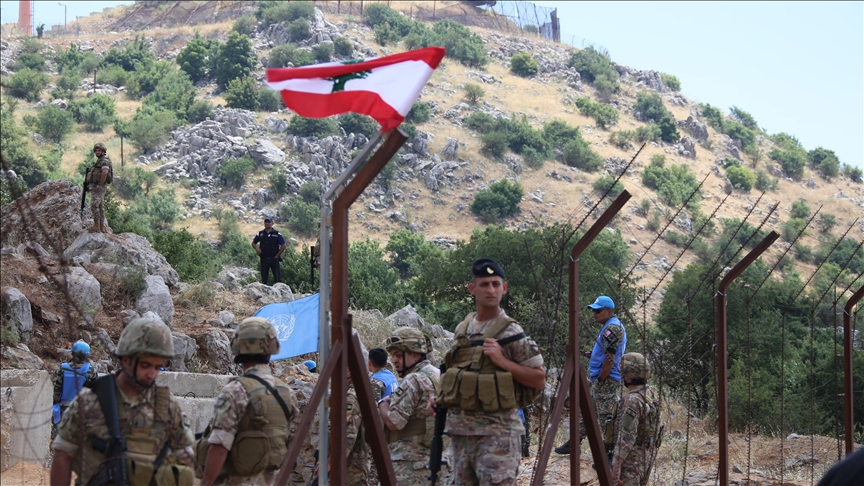
Israel’s northern border with Lebanon has historically been one of its most sensitive security zones. The reported targeting of Israeli troops raises questions about potential shifts in Hezbollah’s operational strategy.
Experts suggest that such actions may indicate a willingness to engage more directly, rather than relying solely on indirect or proxy methods. This could force Israel to reconsider its defensive deployments and response strategies.
Israeli defense officials have repeatedly warned that any sustained aggression from Hezbollah would trigger a significant military response. However, the complexity of the current geopolitical environment makes any escalation particularly risky.
Military capabilities and tactics in focus
The Hezbollah attack southern Lebanon has once again highlighted the group’s evolving military capabilities. Over the years, Hezbollah has significantly enhanced its arsenal, including precision-guided missiles, drones, and advanced surveillance systems.
Security experts believe that Hezbollah’s ability to accurately target specific military gatherings suggests a high level of intelligence coordination. This includes the use of reconnaissance drones and possibly real-time monitoring technologies.
The Israeli military, in response, has invested heavily in missile defense systems and counter-surveillance measures. Despite these efforts, the ongoing exchange underscores the challenges of maintaining absolute security in such a volatile region.
Civilian concerns and humanitarian risks
As tensions escalate, civilian populations in southern Lebanon and northern Israel face growing uncertainty. Border communities are often the first to experience the impact of military activity, including displacement, infrastructure damage, and psychological stress.
Local authorities in southern Lebanon have urged residents to remain cautious, while Israeli officials have issued precautionary advisories to communities near the border.
Humanitarian organizations warn that any prolonged escalation could lead to significant civilian suffering, particularly in areas already affected by economic and political instability.
International reactions and diplomatic pressure
The Hezbollah attack southern Lebanon has drawn attention from international stakeholders concerned about the potential for a wider regional conflict. Diplomatic channels are reportedly active, with calls for restraint from multiple governments and international organizations.
Global leaders have emphasized the importance of de-escalation, warning that further military actions could destabilize an already fragile region. However, the effectiveness of diplomatic efforts remains uncertain given the complex web of alliances and rivalries.
A senior diplomatic source commented:
“The situation requires immediate restraint from all sides to prevent a broader conflict that could have far-reaching consequences.”
Historical context of Hezbollah-Israel conflict
The long-standing conflict between Hezbollah and Israel dates back decades, with major confrontations including the 2006 Lebanon War. Since then, both sides have engaged in periodic exchanges, often characterized by limited but intense bursts of violence.
The current situation reflects a continuation of this pattern, though with added complexity due to broader regional dynamics involving Iran and other actors. Analysts note that each new incident carries the risk of triggering a larger-scale conflict.
Understanding this historical backdrop is essential for assessing the potential trajectory of the current escalation.
Potential developments following the reported incident
Looking ahead, the immediate focus will be on whether Israel chooses to respond directly to the reported strike. Any retaliation could set off a chain reaction, drawing in additional actors and expanding the scope of the conflict.
Military analysts suggest several possible scenarios, ranging from limited retaliatory strikes to a broader escalation involving multiple fronts. The outcome will largely depend on political calculations and strategic priorities on both sides.
For now, the region remains on edge, with security forces maintaining heightened readiness and diplomatic efforts continuing behind the scenes.
Increasing risk of broader regional escalation
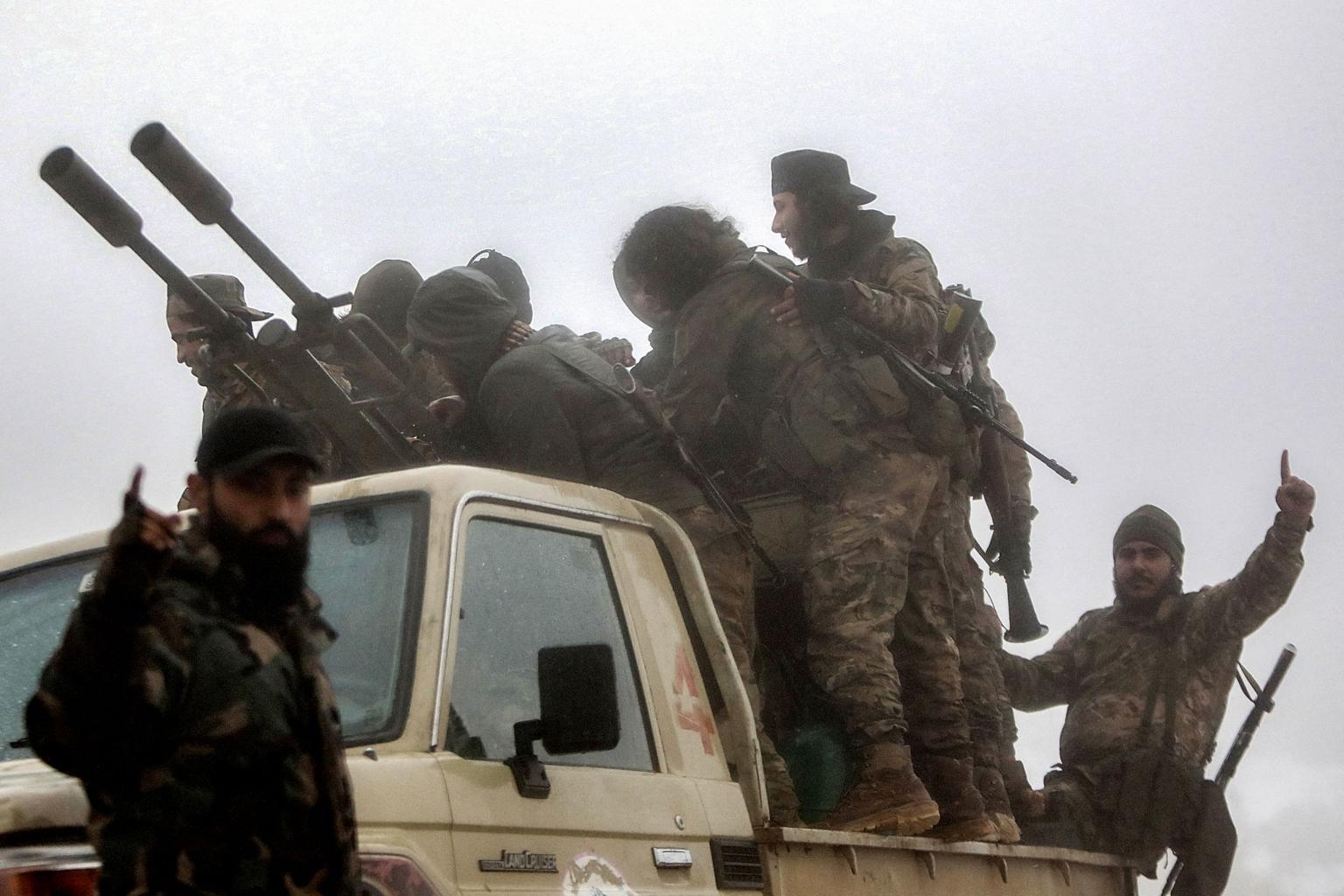
The reported incident has heightened concerns about the potential for a wider conflict in the region. Continued military exchanges along the Israel–Lebanon border increase the likelihood of miscalculation, which could lead to a broader escalation involving additional actors.
International observers are closely monitoring the situation, as developments in southern Lebanon often have wider implications for Middle East stability. Any sustained increase in hostilities could impact regional security, trade routes, and diplomatic relations.
Global leaders and organizations have emphasized the need for restraint to prevent further deterioration. The situation remains sensitive, with the risk of escalation dependent on how both sides manage ongoing tensions in the coming days.