Middle East, March 24, 2026 (Parliament Politics Magazine), Middle East escalation intensified sharply in 2026 as a senior US counterterrorism official resigned in protest of the expanding US war strategy against Iran, while Iranian authorities arrested 466 individuals accused of engaging in “security-disrupting” online activity. These developments highlight a rapidly evolving crisis that is impacting both internal governance and international stability.
The combination of political dissent in Washington and domestic crackdowns in Iran reflects how Middle East escalation is no longer limited to military actions but now extends into political and digital domains.
Top US Counterterrorism Official Resigns in Protest
The resignation of a high-ranking US counterterrorism official has become a defining moment in the current geopolitical landscape. According to sources familiar with the situation, the official stepped down due to growing concerns over the direction and intensity of US military operations targeting Iran.
The decision is widely seen as a rare public display of internal disagreement within the national security framework.
“This is a clear indication that there are serious concerns at the highest levels about the risks involved,”
a geopolitical analyst stated.
This development underscores the depth of Middle East escalation, where policy disagreements are emerging alongside military developments.
Iran Arrests 466 Over ‘Security-Disrupting’ Online Activity
Simultaneously, Iranian authorities confirmed the arrest of 466 individuals accused of spreading online content deemed harmful to national security. Officials described the arrests as part of a broader effort to maintain stability during a period of heightened external pressure.
The scale of the crackdown suggests increasing sensitivity to digital communication and public discourse within Iran.
Reports indicate that social media platforms were a primary focus of the investigation, reflecting the growing role of digital spaces in shaping public perception during times of Middle East escalation.
Digital Crackdown Reflects Internal Strain
Experts believe that the arrests signal mounting internal pressure within Iran as authorities seek to control narratives and prevent unrest.
In modern conflicts, information control has become a key strategy, with governments increasingly monitoring and regulating online activity.
The arrest of hundreds of individuals highlights how Middle East escalation is influencing not only military strategies but also domestic policies and civil liberties.
Observers note that such measures often indicate deeper concerns about stability and public sentiment.
Rising Risk of Regional Conflict Expansion
The current situation is raising alarms among global security experts, who warn that the convergence of events could lead to broader regional conflict.
Key factors contributing to this risk include:
- Continued US military engagement with Iran
- Increased activity by allied groups across the region
- Heightened domestic tensions within Iran
- Limited diplomatic progress
These elements are driving Middle East escalation toward a potentially more dangerous phase, where isolated incidents could trigger wider confrontations.
US Policy Debate Intensifies After Resignation
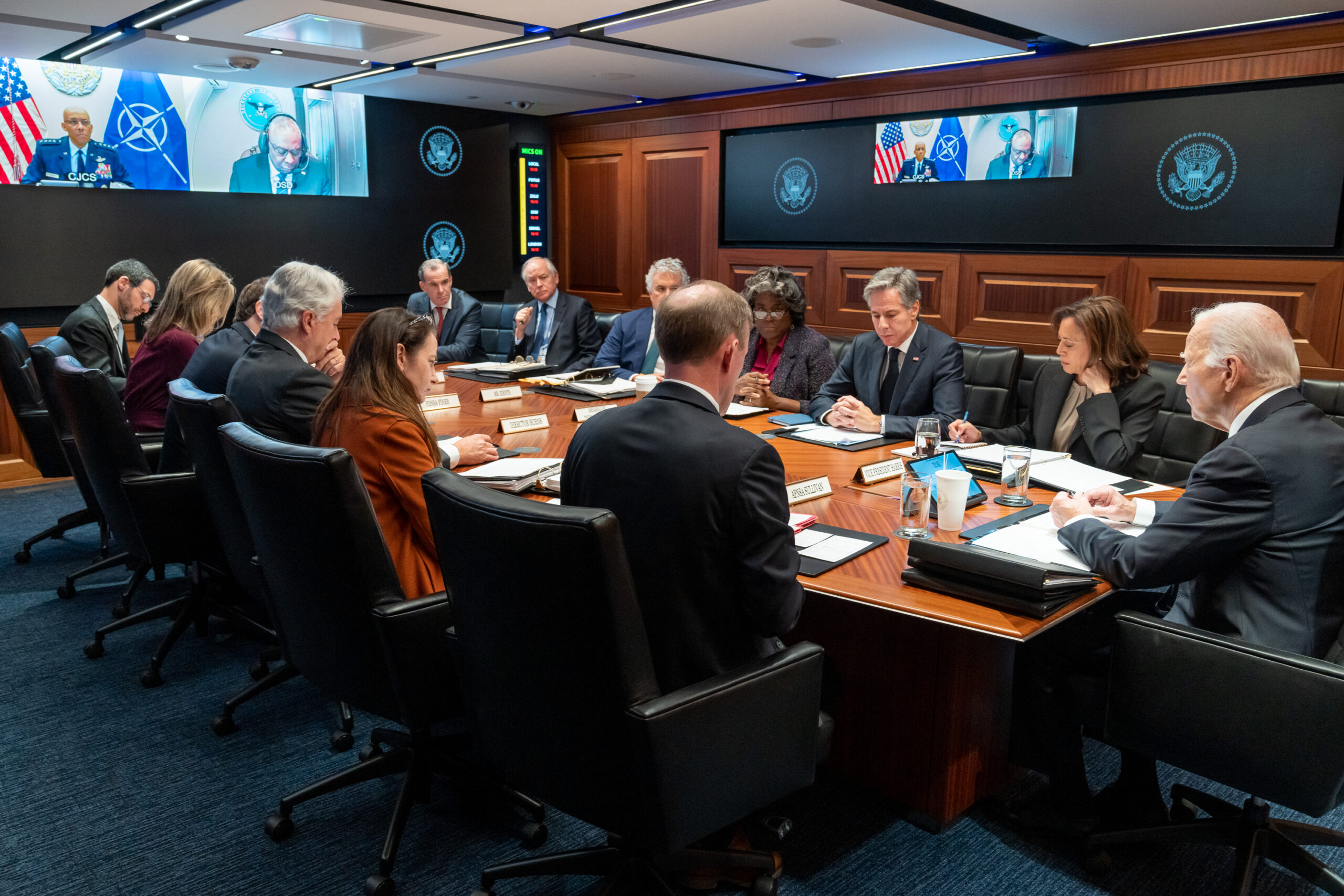
The resignation has reignited debate within the United States over the direction of foreign policy.
Some policymakers argue that a strong approach is necessary to counter Iran’s influence, while others warn that escalation could lead to unintended and prolonged conflict.
This internal divide reflects broader uncertainty about how to manage Middle East escalation effectively without increasing the risk of war.
The visibility of such disagreements may also impact international perceptions of US strategy.
Impact on Civilians and Freedom of Expression
The effects of the current situation are being felt beyond political and military circles.
In Iran, the arrests raise concerns about freedom of expression and access to information, particularly in digital spaces.
Meanwhile, across the region, ongoing tensions are affecting daily life, creating uncertainty and fear among civilian populations.
The human impact of Middle East escalation is becoming increasingly evident, highlighting the broader consequences of geopolitical conflict.
Global Markets and Diplomatic Efforts
The global response to recent developments has been marked by caution and concern.
Energy markets have reacted to uncertainty, with fluctuations reflecting fears of supply disruptions.
At the same time, international leaders are calling for restraint and renewed diplomatic efforts.
However, progress remains limited, as competing interests and ongoing tensions complicate negotiations.
The global implications of Middle East escalation underscore its significance as a major geopolitical issue.
Historical Context: A Familiar Pattern of Escalation
The Middle East has long experienced cycles of tension and conflict, often driven by a combination of political decisions and military actions.
The current situation reflects similar patterns, where initial developments lead to further escalation.
However, the inclusion of digital crackdowns and internal dissent adds a new dimension to the crisis.
This evolving dynamic suggests that Middle East escalation is entering a more complex and potentially prolonged phase.
What Comes Next?
Several possible scenarios are emerging:
- Continued escalation leading to broader conflict
- Diplomatic efforts reducing tensions
- Ongoing instability without full-scale war
The situation remains highly fluid, with developments expected to unfold rapidly.
For now, Middle East escalation remains one of the most critical global issues.
A Defining Moment for Regional Stability
The resignation of a senior US official and the arrest of hundreds in Iran highlight the seriousness of the current situation.
These events demonstrate how internal and external pressures are converging, creating a complex and volatile environment.
As Middle East escalation continues, the risk of broader conflict grows, making this a defining moment for regional and global stability.
Critical Takeaways from a Rapidly Escalating Situation
- US counterterrorism official resigns over Iran war strategy
- Iran arrests 466 people over online activity
- Digital crackdowns signal rising internal pressure
- Experts warn of accelerating Middle East escalation
- Global markets and leaders monitor growing crisis