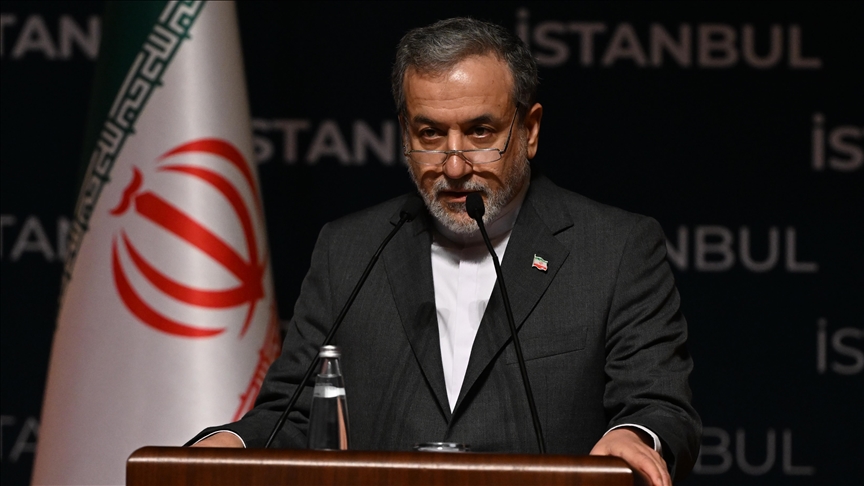
New York, March 27, 2026 (Parliament Politics Magazine) geopolitical crisis alert intensifies as Iran’s foreign minister addresses the United Nations over the Minab school attack, drawing urgent global attention to rising tensions and the growing risk of wider conflict across the Middle East.
In a firm and highly charged speech, Iran’s top diplomat condemned the attack as a violation of international law, linking it directly to escalating regional instability fueled by mounting military pressure. The address has triggered renewed diplomatic urgency, with several nations calling for restraint, transparency, and accountability.
Minab School Attack Sparks Global Alarm
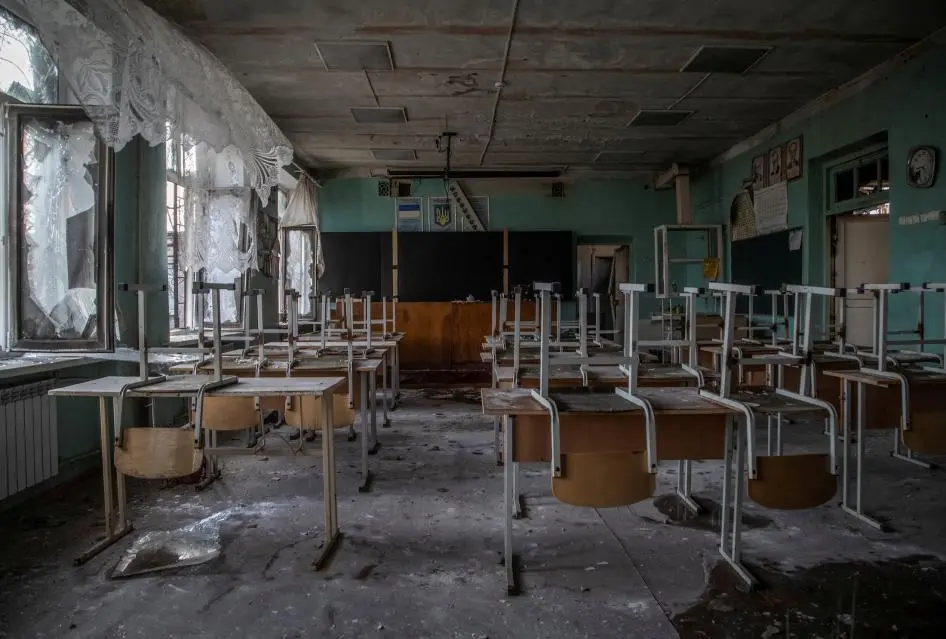
The Minab school attack has become a defining moment in what analysts are calling a geopolitical crisis alert situation. Reports indicate that the strike hit a civilian area, resulting in multiple casualties, including children—an outcome that has intensified international outrage.
Iranian officials described the attack as deliberate and warned that such incidents are becoming increasingly likely amid rising tensions. While investigations are ongoing, the humanitarian toll has already shifted global focus toward civilian protection.
The geopolitical crisis alert narrative continues to gain traction as more details emerge, reinforcing concerns about the safety of non-combatants in conflict zones.
Iran’s UN Address: A Warning to the World
During the UN session, the foreign minister framed the Minab incident as part of a broader pattern of escalating aggression. He argued that continued military escalation risks pushing the region toward a larger and more dangerous conflict.
“This is not just a tragedy—it is a warning to the world that unchecked escalation will lead to irreversible consequences,”
the minister said.
The geopolitical crisis alert message was clear: diplomacy must replace confrontation, or the consequences could extend far beyond the Middle East.
Iran also emphasized that civilian infrastructure, especially schools, must remain protected under international law—a principle now at the center of global debate.
International Response: Pressure Builds for Action
The geopolitical crisis alert surrounding the Minab school attack has prompted swift reactions from the international community.
Several UN member states have called for:
- An independent international investigation
- Immediate de-escalation of tensions
- Stronger enforcement of humanitarian protections
- Renewed diplomatic engagement
Diplomats from Europe and Asia highlighted the need for restraint, warning that further escalation could destabilize not only the region but global security structures.
The United Nations leadership echoed these concerns, emphasizing accountability and the urgent need to prevent similar incidents.
Humanitarian Impact Raises Urgency
As the geopolitical crisis alert grows, humanitarian organizations are warning of long-term consequences stemming from the Minab attack.
Key concerns include:
- Disruption of education for affected communities
- Psychological trauma among children
- Increased displacement of civilians
- Overburdened healthcare systems
The Iran foreign minister repeatedly referenced these issues during his address, urging global leaders to act before the situation deteriorates further.
Experts note that attacks on schools have lasting effects that extend well beyond immediate casualties, impacting entire generations.

Regional Stability at Risk
The geopolitical crisis alert is not limited to Iran alone. Analysts warn that the incident could trigger a chain reaction across the Middle East.
Potential consequences include:
- Escalation of military confrontations
- Retaliatory actions by regional actors
- Increased volatility in energy markets
- Disruption of international trade routes
The geopolitical crisis alert framing highlights how localized incidents can quickly evolve into broader conflicts with global implications.
Some experts suggest that the current situation mirrors past crises where early warning signs were ignored until escalation became unavoidable.
Strategic Messaging and Global Positioning
Iran’s decision to bring the issue before the United Nations reflects a broader strategic approach aimed at shaping international perception.
By emphasizing civilian casualties and humanitarian concerns, Iran is seeking to:
- Build global sympathy
- Pressure adversaries diplomatically
- Strengthen its position in international forums
- Shift the narrative toward accountability
The geopolitical crisis alert theme plays a central role in this strategy, positioning the Minab attack as part of a larger and more urgent global issue.
The United Nations Under Pressure
The geopolitical crisis alert has placed the United Nations in a critical position. As the primary global body for conflict resolution, expectations are high for a meaningful response.
Possible actions include:
- Launching a fact-finding mission
- Facilitating emergency diplomatic talks
- Coordinating humanitarian aid efforts
- Issuing formal resolutions
However, the effectiveness of these measures will depend on cooperation among major powers—often a challenge in highly politicized conflicts.
Global Security Concerns Intensify
The geopolitical crisis alert triggered by the Minab school attack has broader implications for global security.
Experts warn that continued escalation could lead to:
- Increased risk of direct confrontation between major powers
- Expansion of conflict zones
- Economic instability driven by uncertainty
- Greater involvement of international actors
These risks underscore the importance of immediate and coordinated action to prevent further deterioration.
Media Coverage and Public Reaction
The geopolitical crisis alert narrative has dominated international headlines, reflecting widespread concern about the situation.
Public reaction has been shaped by:
- Graphic reports of the attack’s aftermath
- Calls for accountability on social media
- Growing skepticism about military escalation
- Increased demand for transparency
Media coverage continues to influence public opinion, adding pressure on governments to respond decisively.
What Comes Next?
As the situation develops, several critical questions remain:
- Who will be held accountable for the Minab school attack?
- Will diplomatic efforts succeed in de-escalating tensions?
- How will this incident reshape regional alliances?
- Can global institutions effectively manage the crisis?
The geopolitical crisis alert remains active, with analysts closely monitoring developments that could determine the future of the region.
A Critical Turning Point
The geopolitical crisis alert surrounding Iran’s UN address over the Minab school attack marks a pivotal moment in global affairs. The incident has highlighted the dangers of escalating conflict, the urgent need to protect civilians, and the critical role of diplomacy in preventing wider war.
As investigations continue and diplomatic efforts unfold, the world faces a defining choice: pursue de-escalation and dialogue, or risk further instability with potentially far-reaching consequences.