

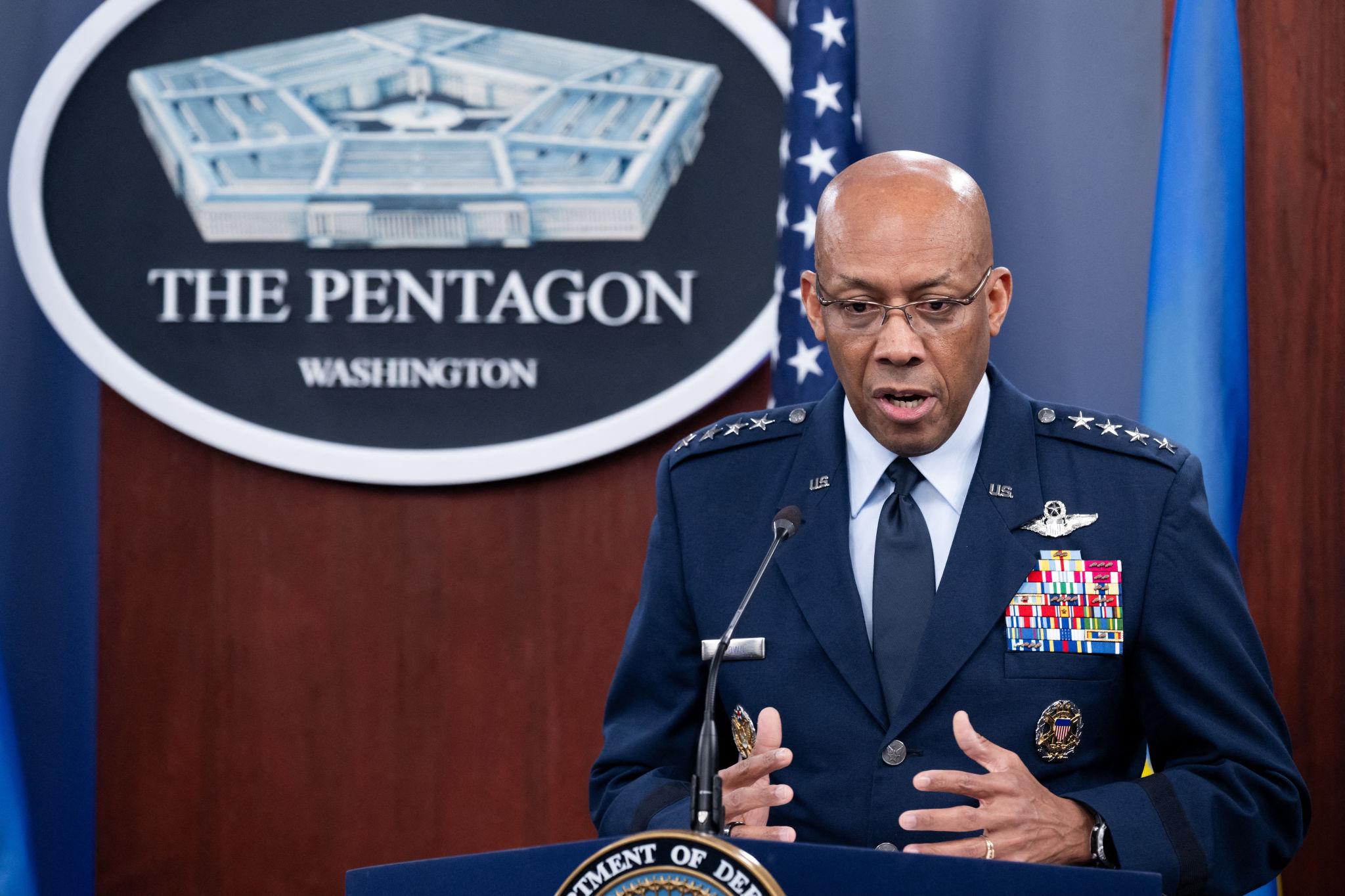
Washington, D.C., April 09, 2026 (Parliament Politics Magazine) US military presence in and around Iran is set to continue indefinitely after Donald Trump declared that American forces will remain deployed until a “real agreement” is fully complied with. The statement marks a significant escalation in rhetoric and strategy, signaling that the United States is prepared for a prolonged military posture in the region.
The announcement follows ongoing ceasefire negotiations and rising geopolitical tension, with U.S. ships, aircraft, and personnel already positioned strategically across key areas surrounding Iran.
A Strong Commitment to Maintaining Military Pressure
The US military presence is being framed as a necessary measure to ensure compliance with any future agreement. Trump’s statement made it clear that withdrawal is not currently under consideration.
“All U.S. Ships, Aircraft, and Military Personnel will remain in place… until the real agreement is fully complied with,”
Trump stated, reinforcing a firm and uncompromising stance.
This position suggests that the administration views military strength as a key enforcement mechanism rather than relying solely on diplomatic assurances.
Strategic Importance of the Region
The US military presence around Iran is not only about enforcement—it also reflects the strategic importance of the region. The Middle East remains a critical hub for global energy supply, particularly through vital shipping lanes such as the Strait of Hormuz.
Recent developments, including a temporary ceasefire agreement, have provided short-term relief but have not resolved underlying tensions.
Military analysts note that maintaining a presence allows the U.S. to:
- Monitor Iranian military activity
- Protect global shipping routes
- Respond quickly to emerging threats
- Support allied nations in the region
Political Reactions and Domestic Debate
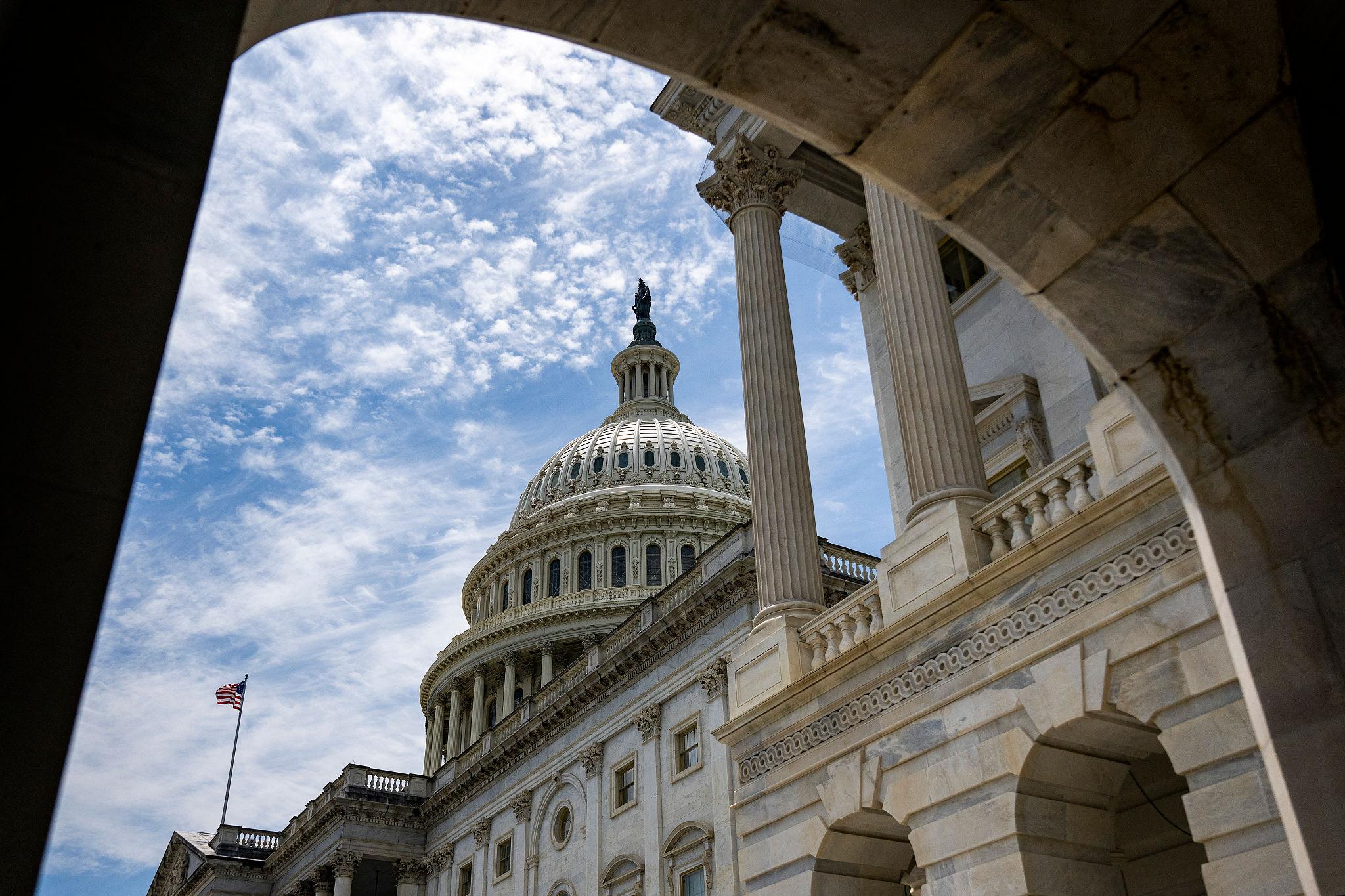
The expansion of US military presence has sparked intense political debate within Washington. Lawmakers from both parties are weighing the risks and benefits of continued deployment.
Supporters argue that:
- A strong military posture deters aggression
- It strengthens U.S. negotiating leverage
- It ensures accountability from Iran
Critics, however, warn that:
- Prolonged presence could lead to escalation
- It may bypass congressional oversight
- It increases financial and human costs
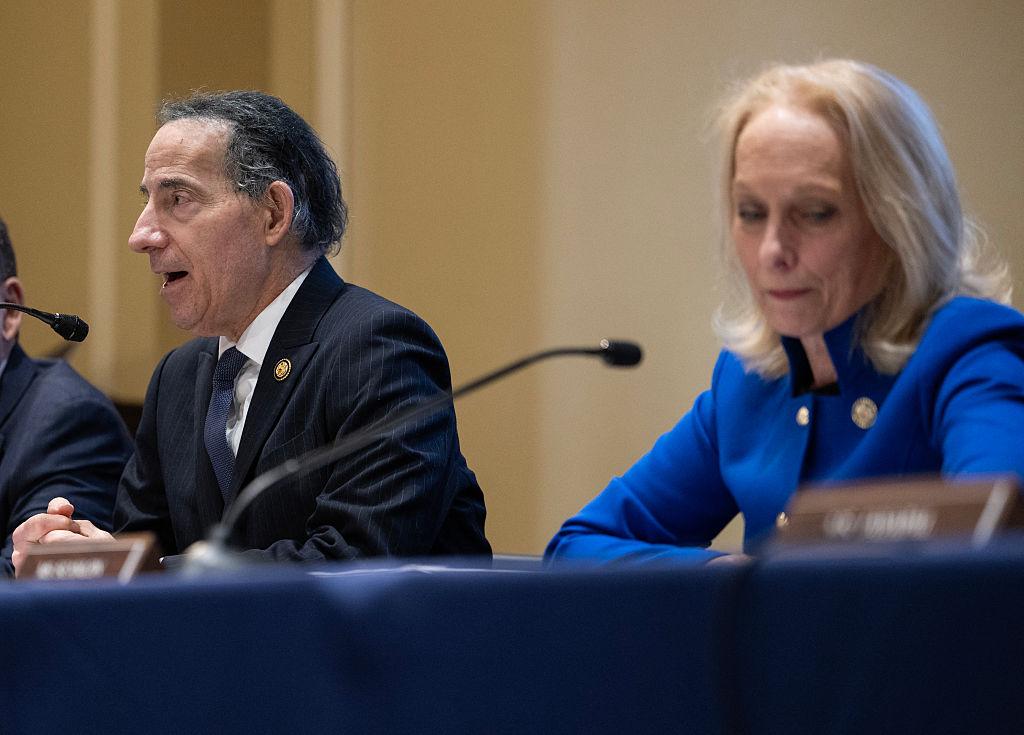
This debate reflects broader concerns about executive authority and long-term military engagement.
Iran Conflict Remains the Central Focus
At the core of the US military presence strategy is the ongoing conflict with Iran. While a provisional ceasefire has been reached, tensions remain high, and both sides continue to prepare for potential outcomes.
Reports indicate that negotiations are ongoing, but key disagreements persist regarding military capabilities and long-term commitments.
The continued presence of U.S. forces is intended to ensure that any agreement reached is not only signed but enforced.
Global Implications of Continued Deployment
The decision to maintain US military presence near Iran is being closely watched around the world. Allies and adversaries alike are evaluating what this means for global stability.
Potential global impacts include:
- Increased pressure on Iran to comply with agreements
- Shifts in international alliances
- Continued volatility in energy markets
Some experts believe that sustained presence could lead to a stronger, more enforceable agreement, while others fear it may prolong uncertainty.
Historical Context of US Military Engagement
The US military presence in the Middle East has evolved over decades, often shaped by conflicts, alliances, and strategic interests.
From earlier engagements in Iraq and Afghanistan to current operations involving Iran, the United States has frequently relied on military positioning to influence outcomes.
However, critics argue that:
- Long-term deployments have mixed results
- Military solutions alone cannot resolve complex conflicts
- Diplomatic efforts must play a central role
The current situation reflects these ongoing challenges.
Public Sentiment and Strategic Concerns
Public opinion on the US military presence is divided. While some Americans support a strong stance, others are concerned about the potential for prolonged conflict.
Policy experts emphasize the need for balance.
“Military presence can enforce agreements, but it must be paired with clear diplomatic goals,”
said a foreign policy analyst.
This sentiment highlights the complexity of the current strategy.
Challenges Facing the Strategy
Maintaining US military presence in and around Iran presents several challenges:
- High operational and logistical costs
- Risk of unintended escalation
- Political divisions at home
- Uncertainty in diplomatic outcomes
Additionally, enforcing a “real agreement” may require cooperation from multiple international partners.
“Who Decides When the US Leaves?”
“We are not leaving until a real agreement is fully complied with,”
Trump said, underscoring a policy that could extend U.S. involvement for an extended period.
Strategic Outlook for the Months Ahead
The future of US military presence will depend on several key factors:
- Progress in diplomatic negotiations
- Iran’s compliance with proposed agreements
- Congressional and public response
- Developments in regional security
As the situation evolves, policymakers will need to balance military strength with diplomatic flexibility.
Why This Matters Now
The expansion of US military presence near Iran marks a pivotal moment in U.S. foreign policy, with implications that extend far beyond the region.
Key takeaways:
- Trump has confirmed continued U.S. military deployment
- The strategy focuses on enforcing a “real agreement”
- Political and global reactions remain divided
- The outcome could shape future U.S. military policy
As negotiations continue, the world is watching closely to see whether this approach leads to stability or further escalation.
