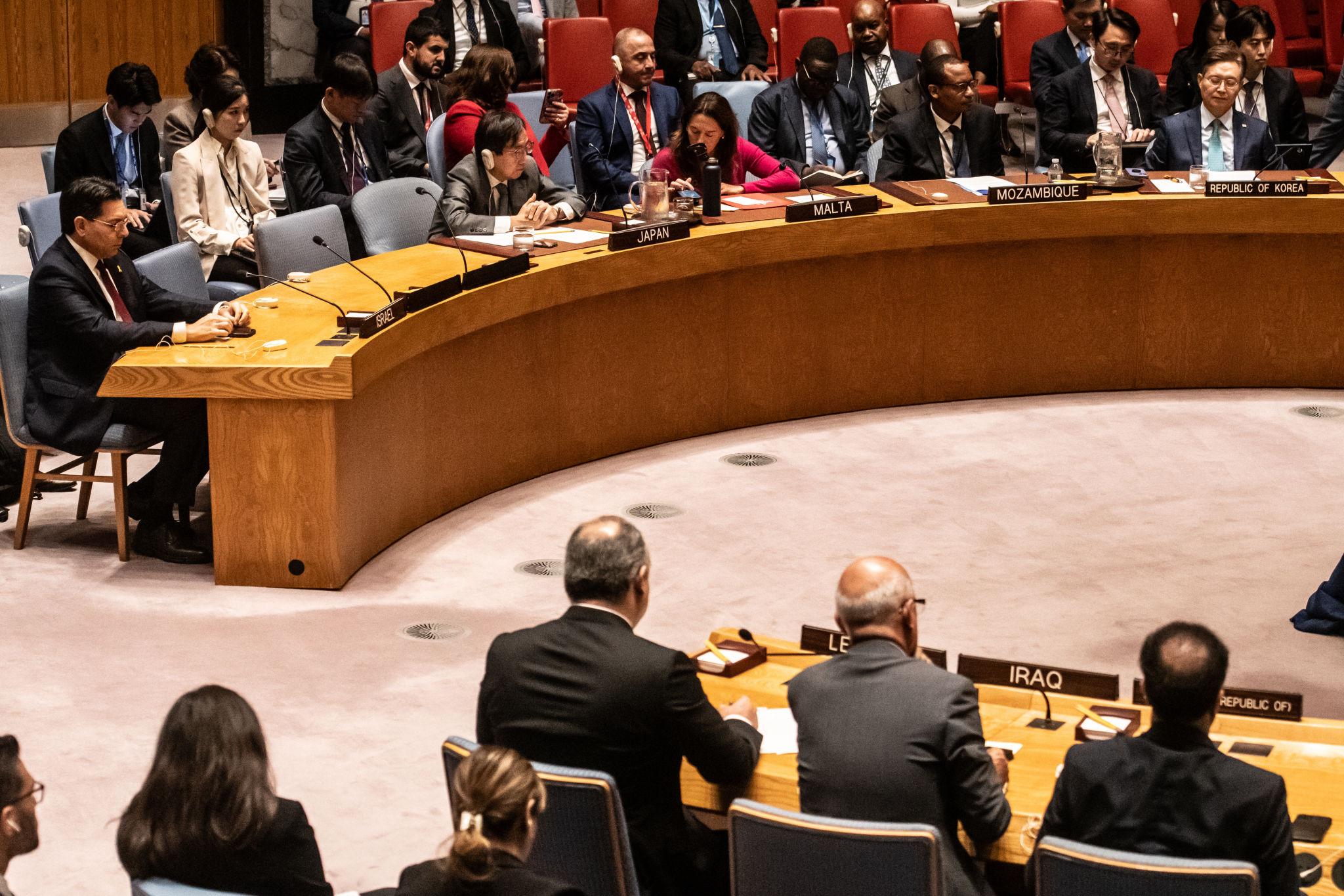
Canberra, Australia, April 09, 2026 (Parliament Politics Magazine) Global diplomatic tensions are escalating as Australia urges that the US-Iran ceasefire should extend to Lebanon, emphasizing the need for broader peace efforts across the Middle East. The statement comes amid rising uncertainty in the region, where localized agreements are increasingly seen as insufficient to prevent wider instability.
Australia’s position reflects growing concern among international leaders that failing to expand the ceasefire framework could allow conflict zones to shift rather than resolve. With Lebanon emerging as a critical flashpoint, the push for inclusion has gained urgency.
Australia Calls for Broader Peace Strategy
Australia’s leadership has made it clear that a narrow ceasefire approach may not deliver lasting results. Officials argue that global diplomatic tensions will continue to rise unless all key regions, including Lebanon, are brought into peace negotiations.
The government stressed that conflicts in the Middle East are deeply interconnected, making isolated solutions ineffective. By expanding the ceasefire, policymakers believe a more comprehensive and sustainable peace framework can be established.
A senior official stated,
“Stability cannot exist in fragments. Addressing one conflict while ignoring another only prolongs global diplomatic tensions.”
Lebanon Emerges as a Critical Flashpoint
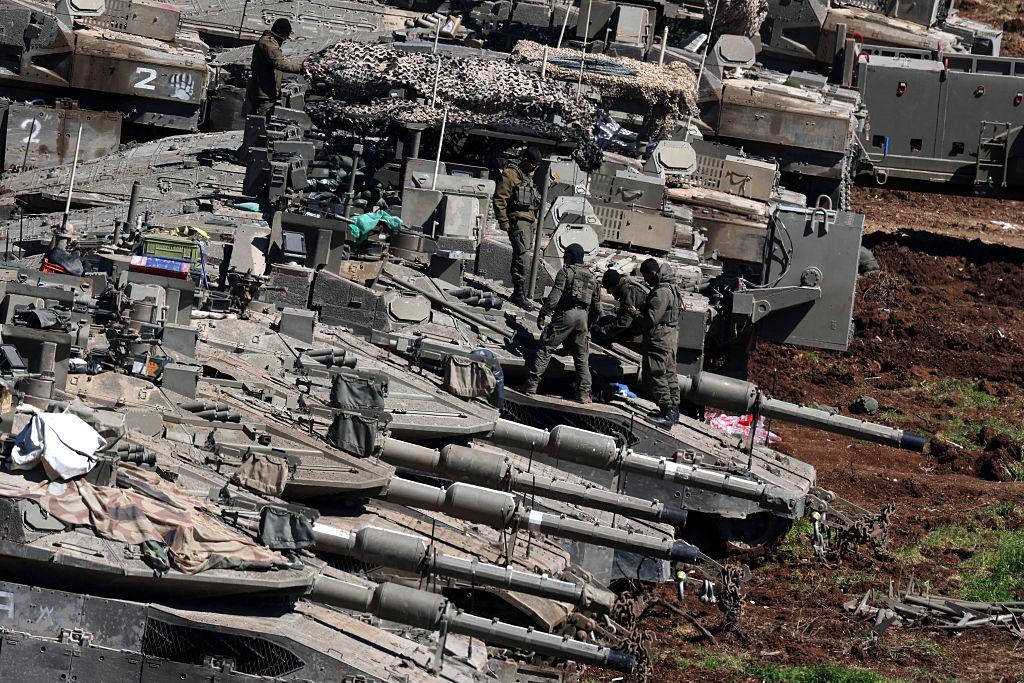
Lebanon is increasingly at the center of rising global diplomatic tensions, with its borders becoming a potential trigger for wider conflict. Military activity, political uncertainty, and economic strain have created a volatile environment that could quickly escalate.
Experts warn that excluding Lebanon from ceasefire discussions risks intensifying instability. The country’s strategic location and internal vulnerabilities make it particularly susceptible to external pressures.
As tensions grow, Lebanon’s role in regional dynamics cannot be overlooked. Australia’s call reflects a broader recognition that the situation demands immediate attention.
Diplomatic Momentum Builds Worldwide
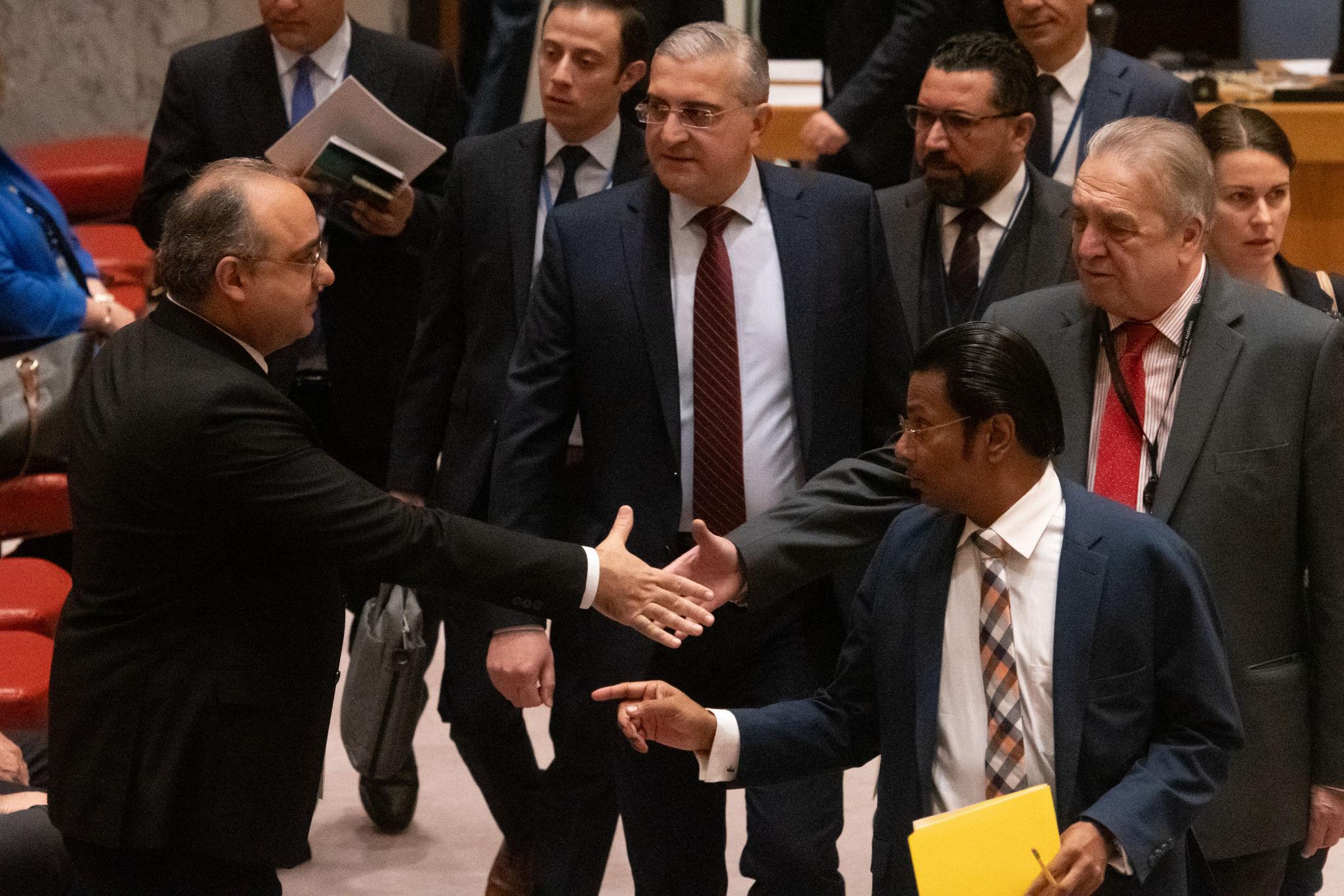
The call to expand the ceasefire aligns with growing international momentum toward diplomatic solutions. Several nations are reportedly supporting discussions aimed at broadening peace agreements to include additional conflict zones.
Global diplomatic tensions have prompted renewed engagement among world leaders, with behind-the-scenes negotiations exploring pathways to de-escalation. While progress remains uncertain, the increasing focus on diplomacy signals a shift away from purely military responses.
Australia has positioned itself as a strong advocate for dialogue, emphasizing cooperation and long-term stability over short-term gains.
Strategic Risks of Limited Ceasefires
Limiting ceasefire agreements to specific regions can create unintended consequences. Analysts note that unresolved areas often become new centers of conflict, further fueling global diplomatic tensions.
A broader ceasefire that includes Lebanon could help prevent the emergence of multi-front conflicts. Such scenarios are notoriously difficult to manage and often lead to prolonged instability.
Australia’s proposal seeks to address these risks by encouraging a unified approach that reduces vulnerabilities across the region.
Humanitarian Impact Driving Urgency
Humanitarian concerns are a key factor behind Australia’s push. Civilians continue to face severe consequences as global diplomatic tensions escalate, with displacement, economic hardship, and insecurity becoming widespread.
Lebanon, already dealing with significant economic challenges, is particularly at risk. Any escalation could worsen existing conditions and lead to further suffering.
Australia has emphasized that protecting civilians must remain a top priority, urging immediate action to prevent a deepening crisis.
Mixed Global Reactions to the Proposal
Reactions to Australia’s call have varied, though many nations acknowledge the importance of addressing global diplomatic tensions through broader agreements.
Supporters argue that expanding the ceasefire is a necessary step toward long-term stability. Critics, however, point to the complexities involved in negotiating with multiple stakeholders.
Despite differing views, the proposal has sparked important discussions about the future of peace efforts in the region.
Challenges in Expanding the Ceasefire
Expanding the ceasefire to include Lebanon presents several challenges. Political divisions, competing interests, and logistical hurdles all complicate the process.
Negotiators must navigate a complex landscape where trust is limited and priorities often conflict. Achieving consensus will require significant effort and coordination.
Australia remains optimistic, emphasizing that addressing global diplomatic tensions requires bold and inclusive solutions.
Role of International Mediation
International mediation is expected to play a crucial role in any expansion of the ceasefire. Neutral parties can help facilitate dialogue and build trust among conflicting sides.
Australia’s involvement highlights the importance of middle-power diplomacy in managing global diplomatic tensions. By advocating for inclusive strategies, countries like Australia can influence the direction of peace efforts.
The success of these initiatives will depend on sustained cooperation and commitment from all parties involved.
Implications for Middle East Stability
The expansion of the ceasefire could have significant implications for regional stability. A comprehensive agreement may reduce global diplomatic tensions and create opportunities for long-term peacebuilding.
However, failure to act could lead to renewed conflict, undermining existing progress. The situation remains fluid, with outcomes dependent on the decisions made by global leaders in the coming weeks.
Australia’s call serves as a reminder that effective peace efforts must address both current and potential future conflicts.
Key Developments and Risks
Global diplomatic tensions are rising as Australia pushes for the US-Iran ceasefire to extend to Lebanon. The move reflects growing concern that limited agreements may fail to contain broader instability in the Middle East.
With Lebanon at risk of becoming a new flashpoint, the call for expansion highlights both strategic and humanitarian priorities. The coming weeks will determine whether global leaders can turn diplomatic momentum into lasting peace.