Scrambled Rock League: Teams Navigate Rivalries in Playoff Push
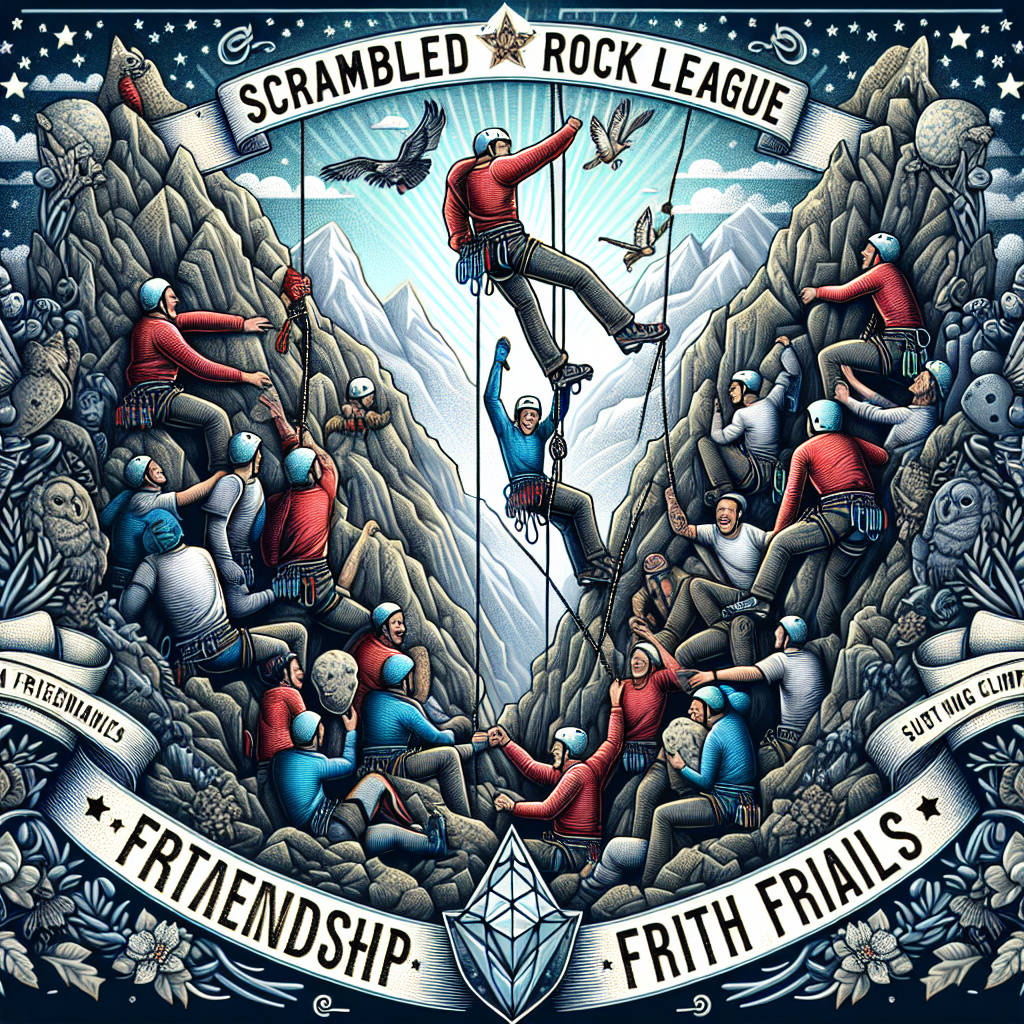
In an unprecedented shift within the Scrambled Rock League, several teams are learning the delicate art of rivalry management as the playoffs approach. With the competition intensifying, each team faces not only their opponents on the field but also their "frenemies" off it. The season, already marked by unexpected twists, has now reached a crucial juncture, prompting teams to rethink strategies that involve both cooperation and competition.
The Scrambled Rock League has become a focal point of excitement in the world of competitive gaming, drawing in fans and players alike. Teams are adapting their tactics to remain competitive while maintaining crucial relationships with rivals, forging alliances that could benefit them on and off the field. This new approach not only heightens the stakes of the playoffs but also suggests a potential evolution in the sport’s competitive landscape.
Rethinking Rivalries
Traditionally defined by fierce competition, the dynamics within the Scrambled Rock League are shifting. Teams now recognize that collaboration with their fiercest opponents can yield significant advantages. This season, players have moved beyond viewing each other solely as rivals. Instead, they are exploring ways to leverage relationships to improve their performance, leading to surprising alliances.
For example, Team Titan and Team Vortex, once bitter rivals, are teaming up for joint practice sessions. This unexpected alliance has allowed them both to refine their skills and develop strategies that could pay dividends in the high-pressure environment of the playoffs.
“It’s about more than just winning,” says Titan captain Emily Hart. “The way we interact with each other can easily influence our success. If we can learn from our ‘frenemies’, we can turn that knowledge into a competitive edge.”
Emotional Intelligence in Competitive Sports
In the past, emphasizing emotional intelligence in competitive gaming may have seemed like a niche concept, but it is becoming increasingly pivotal. Teams are now focusing on the mental and emotional aspects of the game, recognizing that understanding interpersonal dynamics can significantly impact outcomes.
The ability to navigate these relationships has turned into an essential skill set for players. Coaches are now facilitating workshops aimed at improving communication and empathy among teams, even those who may find themselves at odds during matches.
“It’s about more than the game itself,” explains Coach Marcus Gold of Team Nova. “In a sport that’s constantly evolving, emotional intelligence proves to be a game-changer. We teach our players to see their rivals as individuals with whom they can learn and grow.”
The Impact on Playstyles
This shift in behavior contributes to how teams approach their matches. For many, the strategy is now about dissecting opponents’ strengths while simultaneously improving their own techniques through shared insights.
With the playoffs drawing near, teams that are slow to adapt risk falling behind. Already, early indicators show that groups benefiting from these alliances demonstrate improved cohesion during matches.
Take the case of Team Blades, who have engaged Team Gap for strategic discussions. By sharing video footage of previous matches, both teams have identified weaknesses in their gameplay. Analysts suggest that these sessions boost the confidence levels of players, enabling them to enter games with a sharper focus.
The Social Media Factor
The rise of social media has accelerated the visibility of these new relationships. Rival teams personalizing their interactions on platforms like Twitter and Instagram adds layers to the rivalry. Friendly banter, challenges, and shoutouts are becoming commonplace, enhancing brand narratives and engaging fans in ways never before seen in the league.
This trend is not just about playful competition; it directly impacts ticket sales and viewer engagement. Teams that embrace this new dynamic find themselves with heightened brand loyalty from fans.
“Social media is an extension of our strategy,” said Jenna Lowe, marketing director for Team Crest. “Engaging with fans while building relationships with opponents allows us to cultivate a sense of community, which only enriches the Scrambled Rock League’s narrative.”
Challenges and Opportunities
Despite the benefits, these new alliances do present challenges. Trust issues, past grievances, and competitive instincts can complicate the dynamics. Teams must navigate these treacherous waters carefully, as alliances formed in the heat of competition can be delicate and easily disrupted.
The upcoming playoffs will test these relationships thoroughly. As teams vie for the championship, the line between collaboration and competition will blur further, offering fans a unique and thrilling spectacle.
“There’s an element of unpredictability that makes this season so exciting,” says sports analyst Ben Torres. “These alliances add layers to the competition. You’re not just watching a game; you’re witnessing a drama unfold that’s rooted in both resentment and mutual respect.”
Conclusion: A New Era of Competition
As the playoffs approach, one thing is clear: the Scrambled Rock League is entering a transformative phase. The new strategy of fostering relationships with rivals reflects a broader trend in competitive gaming that could define the sport’s future.
From enhancing emotional intelligence to embracing the power of social engagement, teams are rewriting the playbook on rivalries. They are proving that sometimes, keeping your frenemies close can yield the greatest rewards.
With the stage set for what promises to be an unforgettable playoff season, fans and players alike eagerly await how these relationships will play out on the field. There’s no telling what surprises lie ahead, making this a thrilling moment for the Scrambled Rock League.