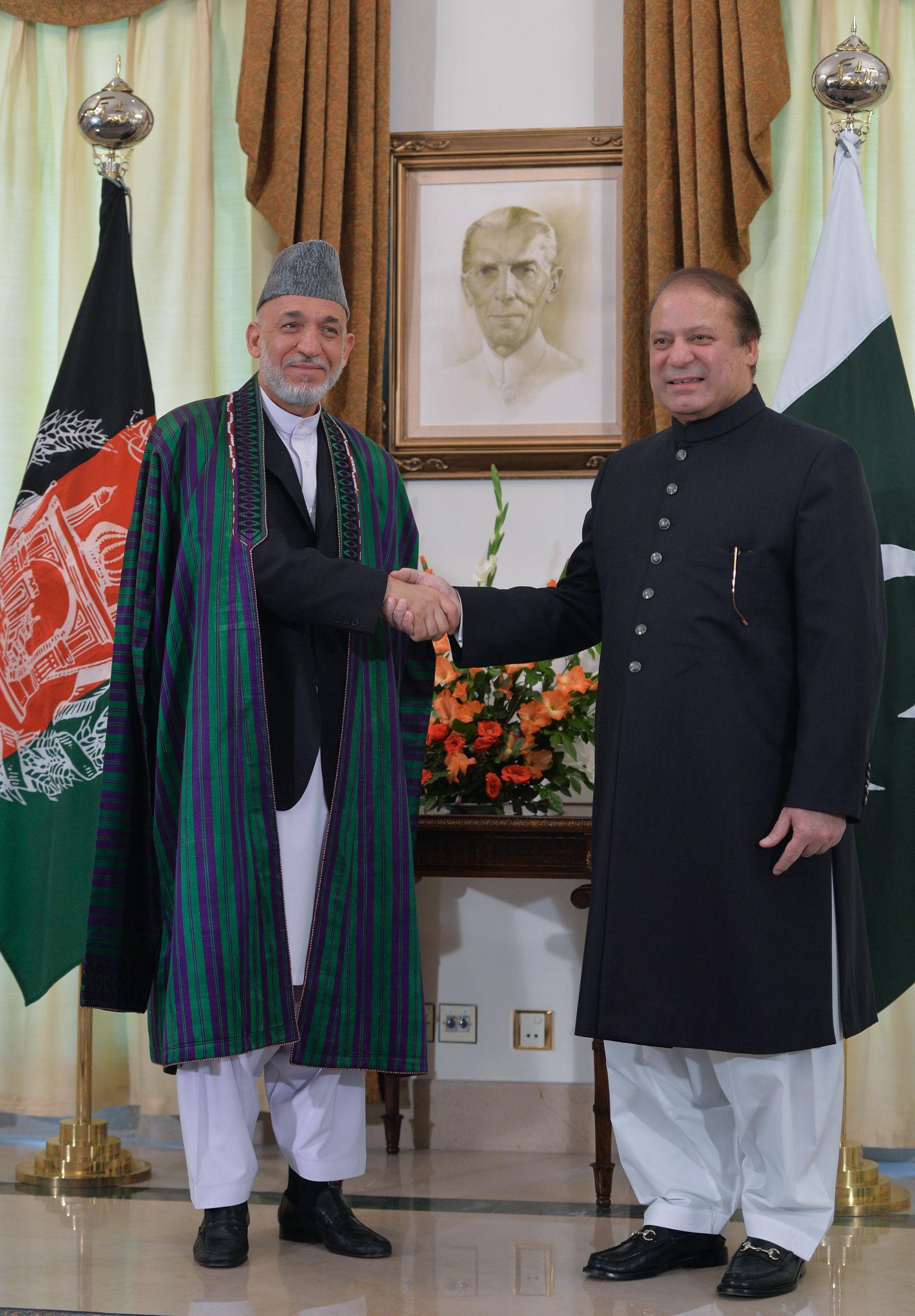
Islamabad, April 12, 2026 (Parliament Politics Magazine) Pakistan peace negotiations are gaining renewed global attention as officials emphasize the country’s role in bridging divides and rebuilding trust in an increasingly fractured geopolitical environment. The statement, “Pakistan’s job was to bridge the gap and rebuild trust,” reflects the growing expectation that Islamabad can serve as a diplomatic intermediary during times of crisis.
With longstanding ties across multiple regions, Pakistan is positioned to facilitate dialogue between conflicting parties. Analysts say this role has become more important as traditional diplomatic channels face challenges in addressing complex global tensions.
A senior diplomatic observer noted,
“Pakistan peace negotiations represent a critical opportunity to reduce tensions, but success depends on sustained engagement and credibility.”
A defining moment for diplomacy
The expanding role of Pakistan peace negotiations comes at a time when global alliances are shifting rapidly. Increasing polarization among major powers has created a need for countries capable of maintaining balanced relationships.
Pakistan’s diplomatic approach has historically focused on neutrality and engagement, enabling it to connect with diverse stakeholders. This strategy is now being tested as tensions escalate across multiple regions.
Experts suggest that Pakistan’s ability to navigate these dynamics could define its influence in the years ahead.
Bridging gaps through dialogue
At the core of Pakistan peace negotiations is the effort to bridge gaps between opposing sides. Diplomacy in today’s environment requires more than formal discussions—it demands trust-building measures that address underlying concerns.
Pakistan’s experience in regional diplomacy provides it with tools to engage in both formal and informal negotiations. Backchannel communication and quiet diplomacy are often essential components of these efforts.
A policy expert explained,
“Pakistan peace negotiations must focus on building confidence among parties. Without trust, even the most well-structured agreements can fail.”
Challenges to effective mediation
Despite its potential, Pakistan peace negotiations face several challenges. Domestic considerations, economic pressures, and external expectations all influence the country’s diplomatic capacity.
Maintaining neutrality is critical, particularly when dealing with competing interests. Any perception of bias could undermine Pakistan’s credibility as a mediator.
Additionally, the complexity of modern conflicts means that negotiations often involve multiple stakeholders with differing priorities, making consensus difficult to achieve.
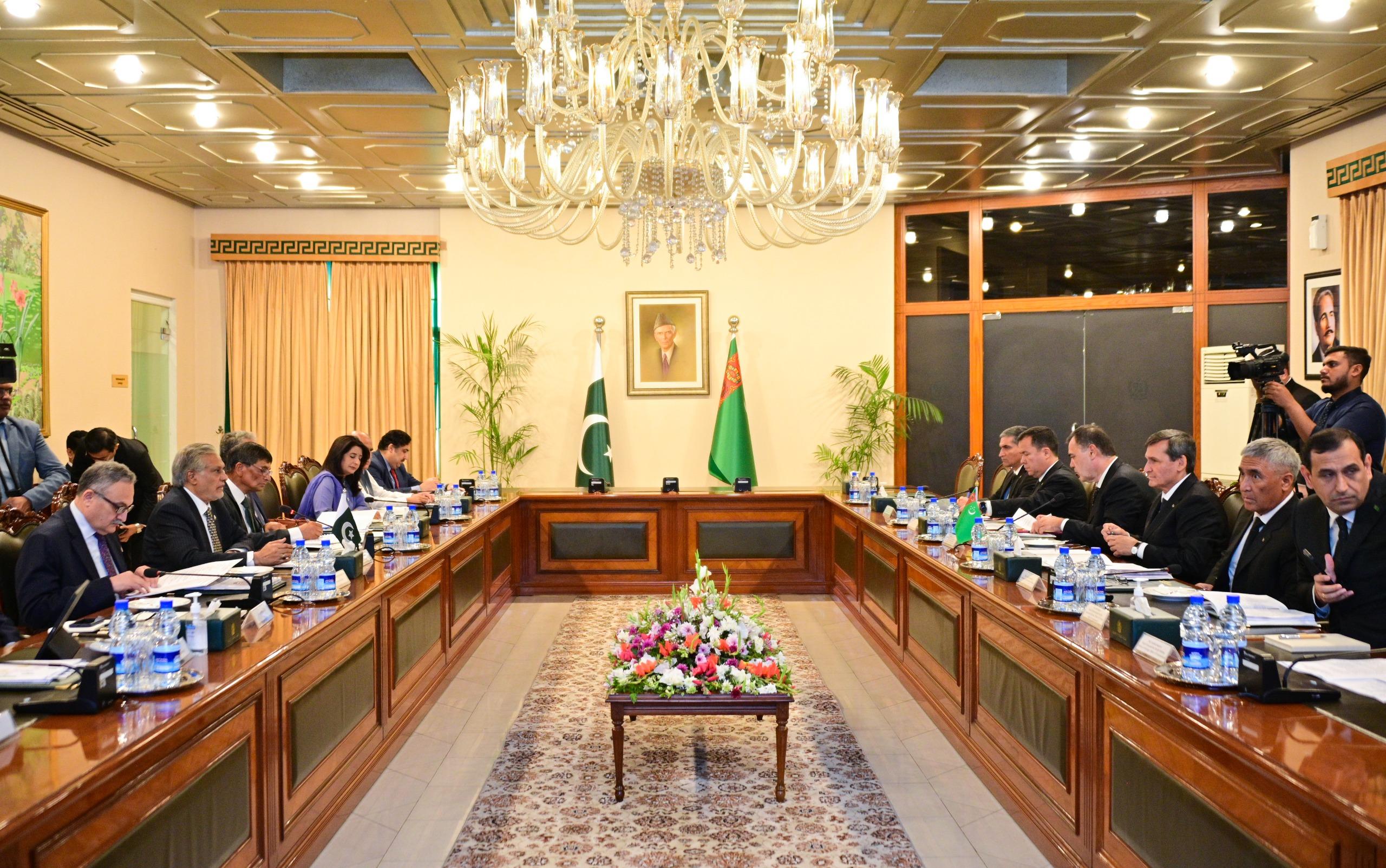
Trust as the foundation of negotiations
The success of Pakistan peace negotiations depends heavily on the ability to rebuild trust among conflicting parties. In an environment marked by uncertainty, trust has become a valuable and scarce resource.
Diplomatic efforts must be consistent and transparent to foster confidence. Pakistan’s role in facilitating these efforts is seen as both an opportunity and a responsibility.
An international analyst stated,
“Countries that can build trust are essential in resolving conflicts. Pakistan peace negotiations have the potential to contribute significantly to global stability.”
Global expectations and strategic influence
The growing importance of Pakistan peace negotiations reflects broader global expectations. International stakeholders are increasingly looking to Islamabad to play a constructive role in reducing tensions.
Pakistan’s strategic location and diplomatic relationships provide it with leverage, but effectively using this position requires careful planning and execution.
Experts believe that proactive engagement and clear communication will be key to strengthening Pakistan’s influence in global diplomacy.
The road ahead for peace efforts
Looking forward, Pakistan peace negotiations are expected to play an important role in addressing ongoing conflicts. The ability to adapt to changing circumstances will be essential for success.
Diplomatic initiatives may expand as global tensions persist, placing additional pressure on Pakistan to deliver meaningful outcomes.
While challenges remain, the opportunity to contribute to stability and cooperation presents a significant moment for Pakistan’s foreign policy.
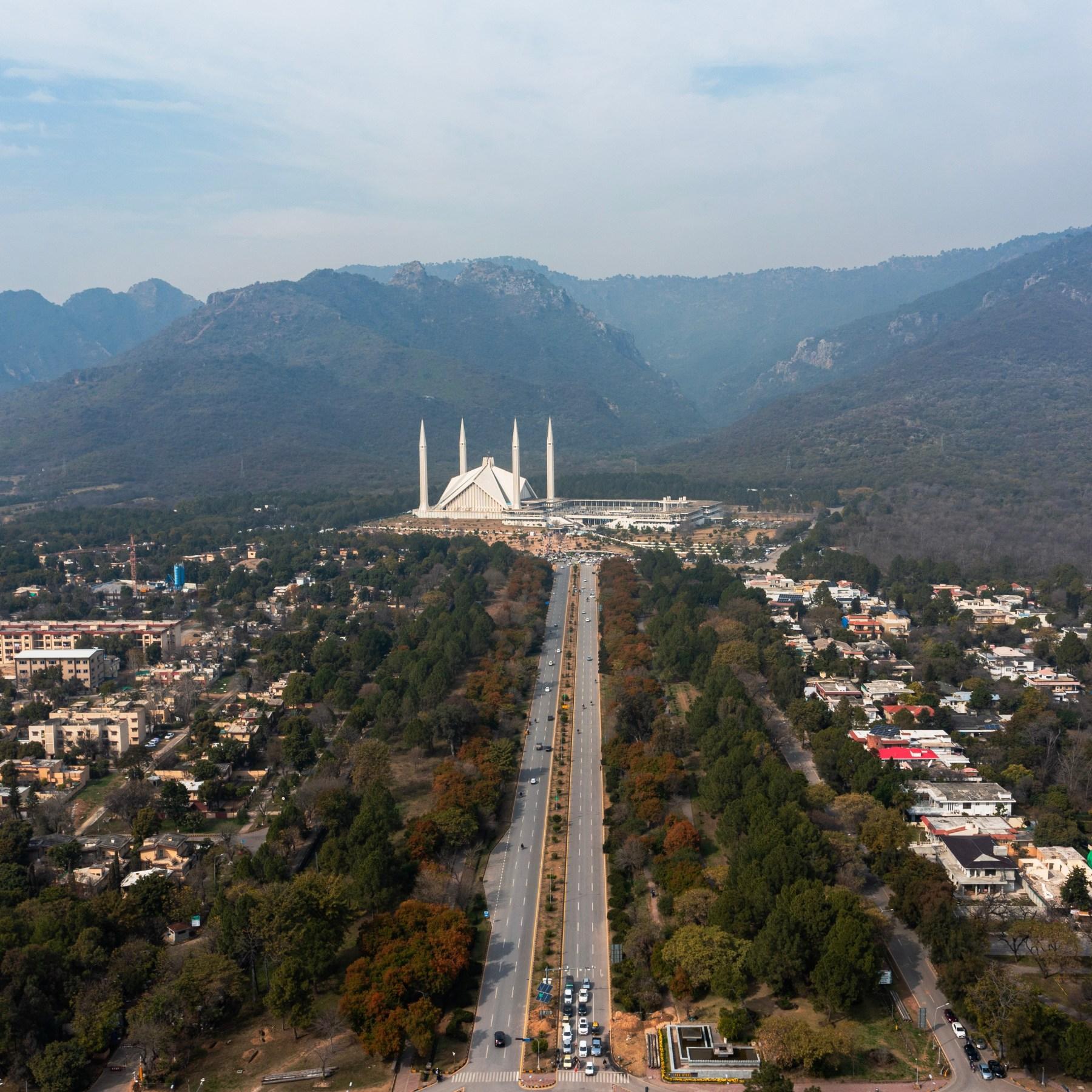
Key facts and impact
The rise of Pakistan peace negotiations highlights the country’s potential to bridge divides and rebuild trust in a complex global environment. With its strategic positioning and diplomatic experience, Pakistan is uniquely placed to facilitate dialogue.
However, success will depend on maintaining neutrality, building credibility, and delivering tangible results. The challenges are significant, but so are the opportunities.
As global tensions continue, Pakistan’s role in peace negotiations could shape the direction of international diplomacy and contribute to long-term stability.