CUPERTINO, CALIFORNIA, APRIL 21, 2026, Apple hardware innovation is marking a pivotal moment, highlighted in Parliament Politics Magazine coverage of Apple’s evolving leadership transition. As Tim Cook prepares for a potential handover and John Ternus emerges as a key figure, Apple Inc. is moving into a new phase where engineering excellence and artificial intelligence will define its direction. This transition reflects a wider shift across the global technology landscape, as Apple positions itself for sustained leadership through deeply integrated devices and advanced intelligent systems.
A Leadership Evolution Anchored in Engineering Excellence
Apple’s leadership evolution has always been deliberate and strategic. From the visionary era of Steve Jobs to the operational strength of Tim Cook, each phase has built upon the last. Today, the focus is shifting once again, but this time toward engineering leadership.
Apple hardware innovation is emerging as the central pillar of this transition. The company’s next leader is expected to understand not only business strategy but also the intricate relationship between hardware design and artificial intelligence performance. John Ternus represents this blend of technical expertise and leadership capability.
One industry observer noted,
“Apple’s future leadership will be defined by those who can build intelligence directly into the device, not just into the cloud.”
The Rise of John Ternus in Apple’s Inner Circle
John Ternus has steadily gained influence within Apple’s executive structure. As the head of hardware engineering, he has overseen critical product developments that have reshaped Apple’s technological foundation.
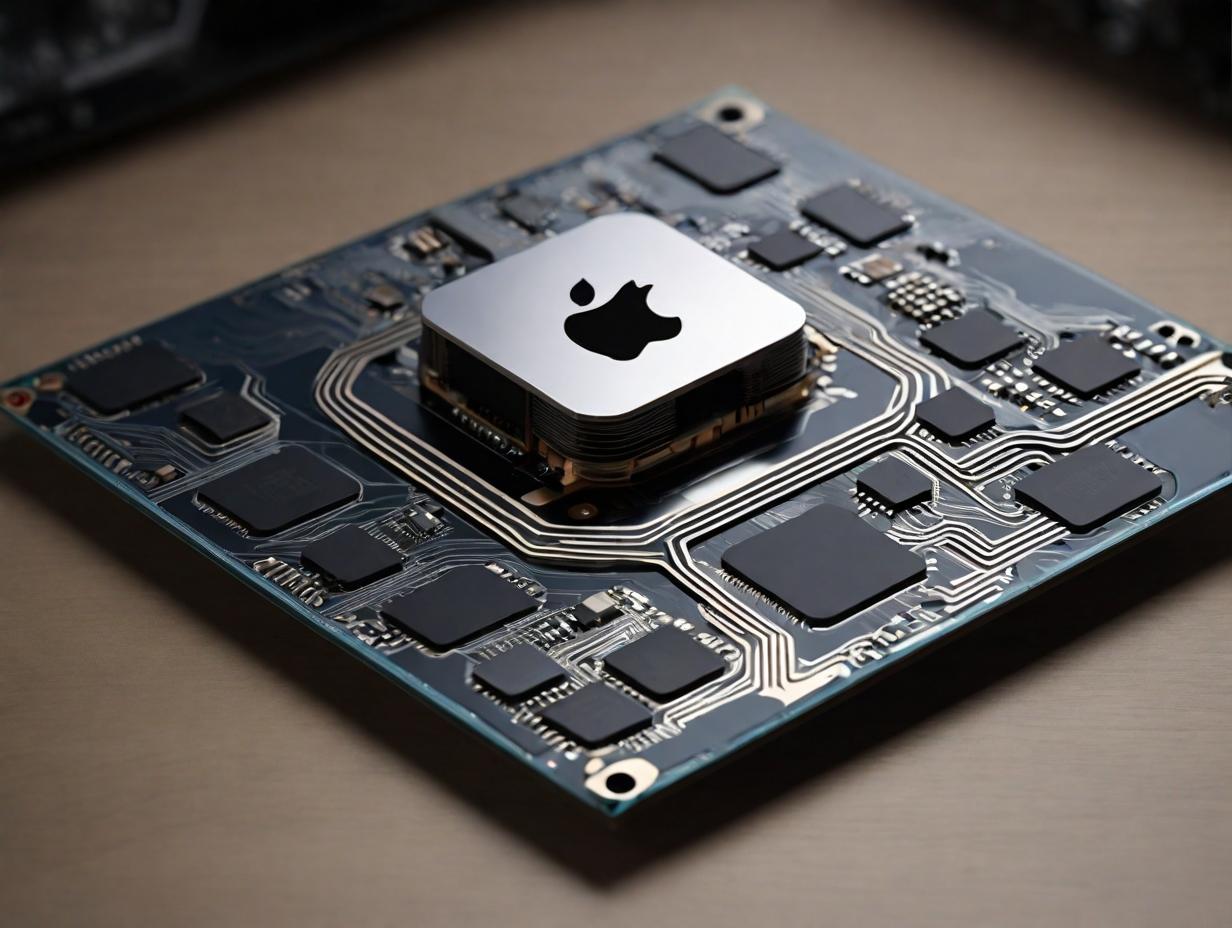
Apple hardware innovation has accelerated under his leadership, particularly with the transition to Apple designed silicon. This move allowed Apple to reduce dependence on external suppliers while gaining full control over performance and efficiency.
Ternus is widely regarded as a leader who prioritizes product quality and long term innovation. His ability to guide complex engineering projects has made him a natural candidate for future leadership.
Artificial Intelligence Moves to the Center Stage
Artificial intelligence is no longer an emerging trend. It is the foundation of modern technology ecosystems. Apple’s strategy has been unique compared to its competitors, focusing heavily on on device processing rather than cloud reliance.
Apple hardware innovation enables this approach by integrating AI capabilities directly into chips and devices. This ensures faster performance, improved privacy, and a more seamless user experience.
A senior technology analyst explained,
“Apple’s advantage lies in its ability to combine hardware and intelligence in ways competitors cannot easily replicate.”
The Strategic Importance of Custom Silicon
One of the most significant milestones in Apple’s recent history has been its transition to custom silicon. This move has transformed the company’s ability to innovate independently.
Apple hardware innovation is deeply tied to this development. By designing its own processors, Apple can optimize every aspect of device performance, from battery life to machine learning capabilities.
This level of control is critical in the AI era, where efficiency and speed are essential. Apple’s silicon strategy has already proven successful and is expected to play an even larger role in the future.
Ecosystem Integration and Intelligent Connectivity
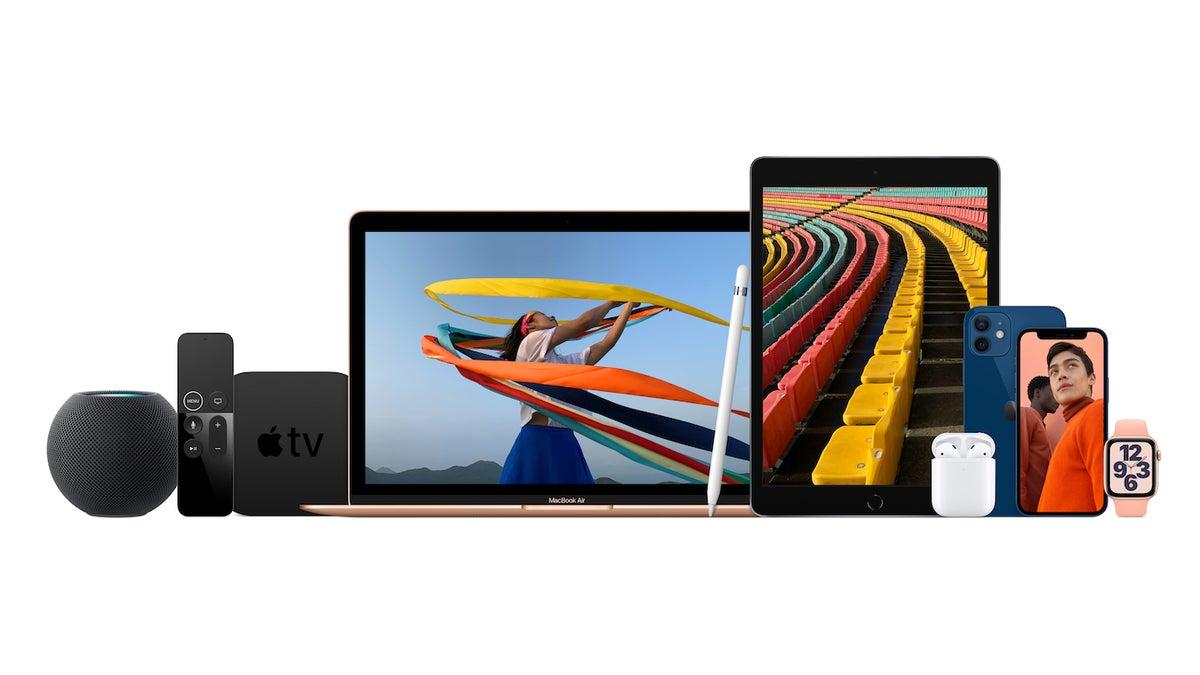
Apple’s ecosystem has long been a key differentiator. Devices such as the iPhone, Mac, Apple Watch, and iPad work together seamlessly, creating a unified user experience.
Apple hardware innovation enhances this ecosystem by embedding intelligence across all devices. This allows for features such as predictive automation, cross device synchronization, and personalized user interactions.
The result is a system where technology feels intuitive and responsive, adapting to user needs in real time.
Market Reaction and Global Industry Impact
The potential leadership transition and strategic shift have captured the attention of global markets. Investors are closely monitoring how Apple positions itself in the rapidly evolving AI landscape.
Apple hardware innovation has provided reassurance that the company is prepared for the challenges ahead. Its focus on engineering excellence and long term strategy aligns with investor expectations.
Financial analysts believe that Apple’s disciplined approach could allow it to maintain stability while pursuing innovation, a balance that many competitors struggle to achieve.
Competitive Pressures in the AI Race
The global technology sector is increasingly competitive, with major companies investing heavily in artificial intelligence. The race to dominate AI is shaping the future of the industry.
Apple hardware innovation gives the company a unique advantage. By controlling both hardware and software, Apple can deliver optimized performance and seamless integration.
This approach contrasts with competitors that rely on third party components, potentially limiting their ability to innovate at the same level.
Challenges and Risks in a Changing Landscape
Despite its strengths, Apple faces several challenges. Regulatory scrutiny is increasing worldwide, particularly regarding data privacy and market dominance.
Apple hardware innovation must navigate these complexities while continuing to deliver cutting edge products. Supply chain disruptions and geopolitical tensions also present risks.
Leadership transitions add another layer of uncertainty, making it essential for Apple to maintain stability during this period.
Cultural Transformation Within Apple
Apple’s culture has evolved over decades, shaped by its leadership and commitment to innovation. The next phase may bring a renewed focus on engineering creativity.
Apple hardware innovation is likely to influence this cultural shift, encouraging experimentation and technological advancement. Attracting top talent in artificial intelligence and machine learning will be critical.
Maintaining Apple’s high standards for product quality and user experience will remain a priority.
Consumer Experience in the AI Era
For consumers, the impact of these changes could be significant. Devices may become more intelligent, responsive, and personalized.
Apple hardware innovation is expected to drive advancements in areas such as augmented reality, health monitoring, and smart home integration. These developments could transform everyday interactions with technology.
Apple’s emphasis on privacy will continue to differentiate it from competitors, ensuring that innovation does not compromise user trust.
Historical Context of Apple’s Innovation Journey
Apple’s journey has been defined by its ability to reinvent itself. From the introduction of the Macintosh to the launch of the iPhone, each milestone has reshaped the technology landscape.
Apple hardware innovation continues this tradition, building on decades of engineering excellence. The transition to custom silicon and the integration of artificial intelligence represent the latest chapter in this story.
As Apple moves forward, its history provides a foundation for future success.
Industry Voices Reflect on the Transition
Experts across the technology sector have shared their perspectives on Apple’s direction. Many believe that the company is well positioned to lead in the AI era.
One analyst stated, “This transition is not just about leadership. It is about redefining what innovation means in a world driven by intelligence.”
Another expert added,
“Apple’s strength has always been its ability to think differently. That mindset will be crucial in the years ahead.”
The Global Significance of Apple’s Strategy
Apple’s influence extends far beyond its products. As one of the world’s most valuable companies, its decisions shape industry trends and consumer expectations.
Apple hardware innovation could set new standards for how devices are designed and how artificial intelligence is integrated into daily life. This impact will be felt across industries, from healthcare to entertainment.
Looking Ahead to the Next Era
The future of Apple will depend on its ability to execute its strategy effectively. Strong leadership, advanced engineering, and a commitment to innovation provide a solid foundation.
Apple hardware innovation will remain central to this vision, guiding the company as it navigates new challenges and opportunities.
A Defining Shift in Technology Leadership
The developments unfolding in Cupertino in 2026 represent a turning point for Apple and the broader technology sector. The emphasis on engineering driven leadership reflects the realities of an AI powered future.
Apple hardware innovation stands at the core of this transformation, shaping the company’s direction and influencing the global technology landscape. As Apple prepares for a new chapter, the world will be watching closely.