SAN FRANCISCO / SHENZHEN, April 25, 2026 (Parliament Politics Magazine) AI mobility innovations are rapidly transforming the global automotive landscape, as DeepRoute.ai confirms that more than 300,000 vehicles are now powered by its advanced driving system, signaling a pivotal shift in how intelligent transportation is deployed at scale.
The milestone reflects a broader acceleration in AI mobility innovations, where artificial intelligence is no longer confined to experimental labs but actively shaping real-world driving experiences. The development also underscores China’s growing influence in the global autonomous vehicle race.
“This milestone confirms that intelligent driving systems are moving from optional features to essential components of modern vehicles,”
a senior mobility analyst said.
Industry Milestone Signals Acceleration in Smart Driving
The announcement that over 300,000 vehicles now use DeepRoute.ai’s system highlights a major turning point for AI mobility innovations. The industry is transitioning from prototype-driven development to large-scale implementation.
Automakers and technology companies are increasingly collaborating to integrate intelligent systems into everyday vehicles. These systems improve safety, reduce driver fatigue, and enhance navigation efficiency, making them highly attractive to consumers.
The rapid deployment demonstrates that AI mobility innovations are becoming commercially viable, supported by advancements in computing power, machine learning, and sensor integration.
Technology Driving the Expansion of Intelligent Vehicles
DeepRoute.ai’s platform combines multiple cutting-edge technologies, forming the backbone of modern AI mobility innovations:
- Advanced neural networks for object detection
- Real-time data processing engines
- High-definition mapping systems
- Multi-sensor fusion technologies
These capabilities allow vehicles to interpret their surroundings, predict traffic behavior, and assist drivers in complex environments.
“Artificial intelligence is redefining mobility, making vehicles smarter, safer, and more responsive to real-world conditions,”
said a technology strategist familiar with the sector.
Strategic Partnerships Fueling Growth
The expansion of DeepRoute.ai’s technology has been driven largely by partnerships with major automakers. By embedding its software into production vehicles, the company has accelerated the adoption of AI mobility innovations without the need to manufacture its own cars.
This model enables automakers to enhance their offerings with advanced features while maintaining focus on design and manufacturing.
The result is a rapidly growing ecosystem where AI mobility innovations are seamlessly integrated into consumer vehicles, creating a competitive advantage for participating brands.
Global Competition Intensifies in Autonomous Driving
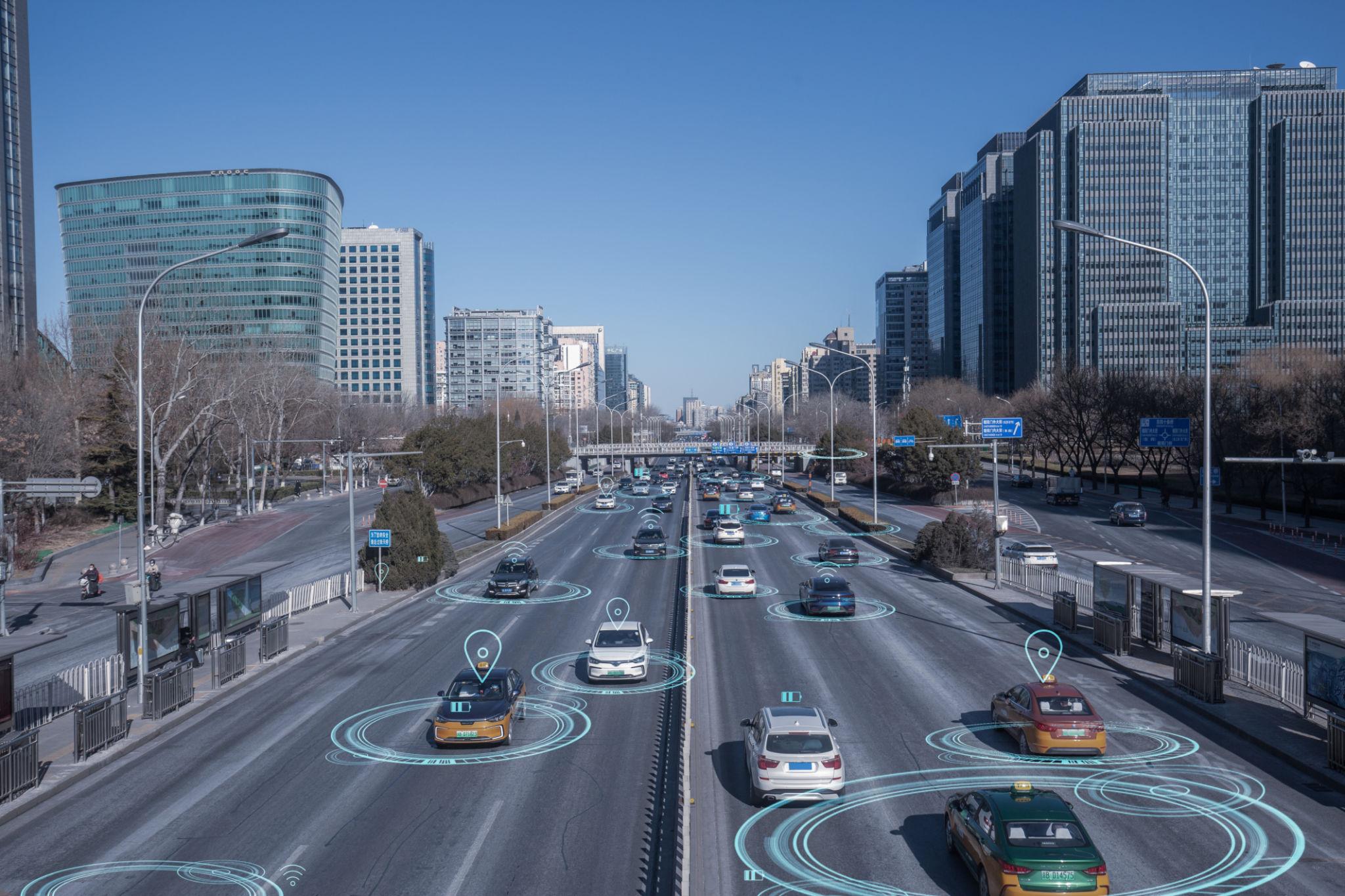
The milestone places DeepRoute.ai among leading players in the global race for intelligent mobility. Companies such as Tesla, Waymo, and Baidu are also investing heavily in similar technologies.
Each competitor is pursuing unique strategies, ranging from fully autonomous robotaxis to enhanced driver-assistance systems.
The rise of AI mobility innovations is intensifying competition, pushing companies to innovate faster and deliver more reliable solutions.
Regulatory Support Accelerates Deployment
Government policies in China have played a critical role in enabling the rapid growth of intelligent driving systems. Regulatory frameworks that encourage testing and deployment have allowed companies to refine their technologies in real-world environments.
This supportive environment has helped accelerate AI mobility innovations, providing companies with opportunities to scale quickly and efficiently.
Consumer Demand Drives Adoption of Smart Features
Consumer expectations are evolving, with drivers increasingly seeking vehicles equipped with intelligent features. Technologies such as adaptive cruise control, automated parking, and lane-keeping assistance are becoming standard in many markets.
The surge in demand is a key driver behind the growth of AI mobility innovations, as automakers compete to meet consumer expectations.
Challenges Facing the Industry
Despite significant progress, several challenges remain for the widespread adoption of intelligent driving systems:
- Ensuring consistent safety across diverse environments
- Addressing cybersecurity risks
- Navigating complex regulatory landscapes
- Building public trust in autonomous technologies
These challenges highlight the ongoing need for innovation and oversight as AI mobility innovations continue to evolve.
History of AI Mobility Innovations
The evolution of AI mobility innovations can be traced back to early research in artificial intelligence and robotics. Initial developments focused on basic automation and driver-assistance features.
Over time, advancements in machine learning, computing power, and sensor technology enabled more sophisticated systems capable of real-time decision-making.
Today, AI mobility innovations represent a convergence of multiple disciplines, including data science, engineering, and automotive design, resulting in highly advanced intelligent vehicles.
Future Outlook for Intelligent Mobility
The future of AI mobility innovations is expected to include:
- Greater integration with smart city infrastructure
- Enhanced urban driving capabilities
- Expansion into global markets
- Increased reliance on data-driven decision-making
As the technology continues to mature, intelligent vehicles are likely to become a standard feature in the automotive industry.
Economic and Market Impact
The rise of intelligent driving systems is reshaping the automotive sector. Companies are shifting from traditional manufacturing models to technology-driven approaches.
This transformation is creating new revenue streams, including subscription-based services and data monetization.
The continued growth of AI mobility innovations is expected to drive significant economic activity, influencing industries beyond automotive, including logistics, insurance, and urban planning.
A Defining Moment for Smart Mobility
The milestone achieved by DeepRoute.ai reflects a broader transformation in the global mobility landscape. As intelligent systems become more widespread, the role of artificial intelligence in transportation will continue to expand.
The rapid adoption of AI mobility innovations signals a future where vehicles are not only modes of transportation but also intelligent systems capable of enhancing safety, efficiency, and convenience.
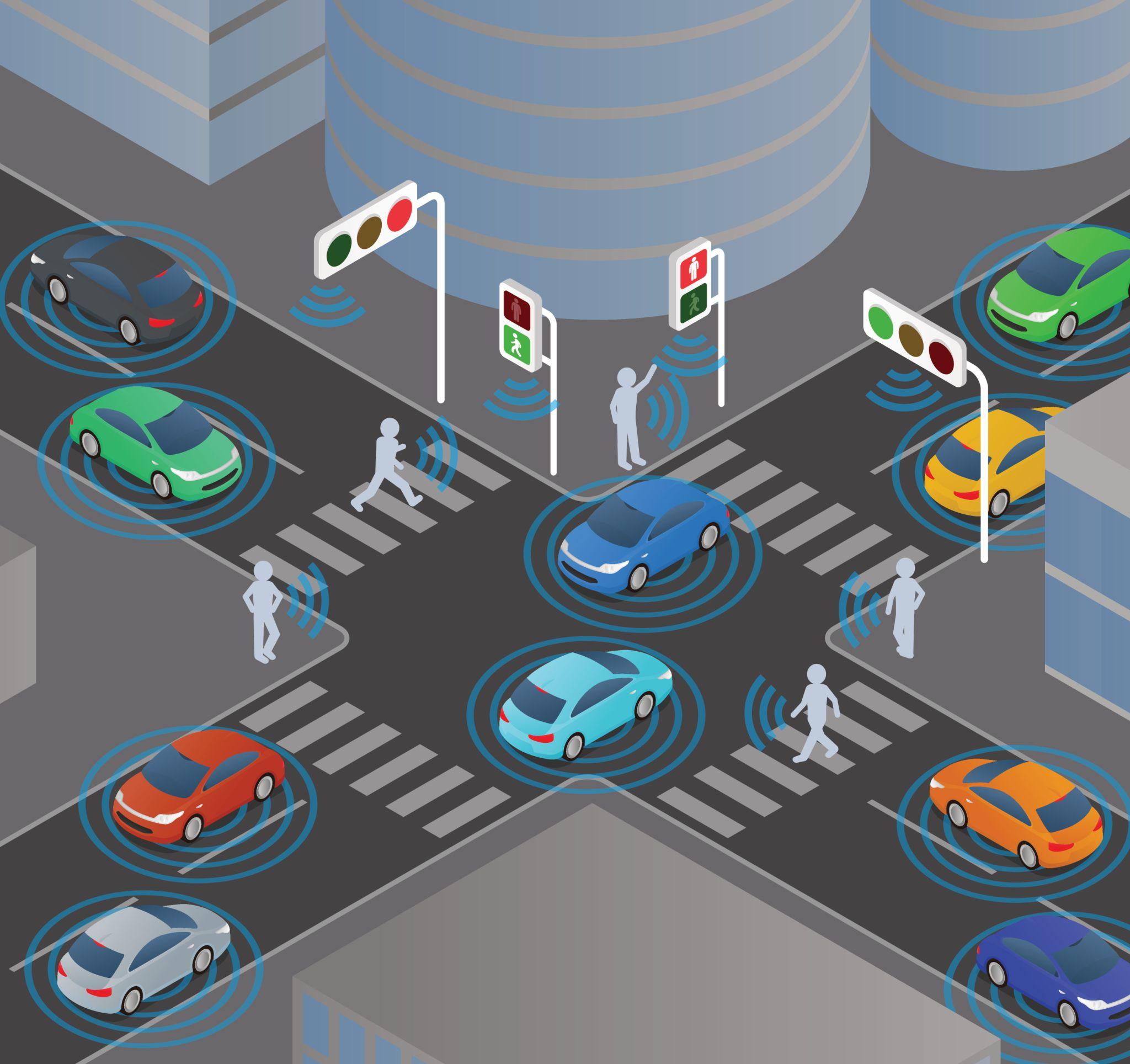
Key Takeaways Driving AI Mobility Innovations Growth
DeepRoute.ai has surpassed 300,000 vehicles using its advanced driving system, marking a major milestone in AI-powered transportation. The growth highlights rising consumer demand, strong industry partnerships, and increasing global competition. As intelligent systems continue to evolve, AI-driven mobility is set to redefine the future of transportation worldwide.