
Artificial intelligence is rapidly transforming healthcare infrastructure across Europe during 2026.
Brussels Morning Newspaper examines how AI healthcare systems are reshaping hospitals, diagnostics, and patient care technologies.
Industry analysts believe advanced medical AI could redefine global healthcare operations for the next decade.
BRUSSELS, Belgium (Parliament Politics Magazine) AI healthcare systems are rapidly transforming hospitals, diagnostic centers, and medical infrastructure across Europe as governments and private healthcare providers accelerate investment in advanced medical technologies during 2026. Artificial intelligence integration is becoming one of the most important developments within the healthcare industry as providers seek to improve efficiency, patient outcomes, diagnostics, and operational performance amid rising global healthcare demand.
Healthcare systems throughout Europe are facing increasing pressure from aging populations, workforce shortages, rising treatment costs, and growing demand for digital healthcare services. As a result, hospitals and medical technology companies are aggressively investing in artificial intelligence platforms capable of improving diagnostics, automating administrative operations, supporting predictive analytics, and enhancing patient monitoring systems.
Industry analysts believe AI healthcare systems may become one of the defining technology trends shaping global healthcare infrastructure throughout the next decade.
“Artificial intelligence is fundamentally changing how healthcare systems operate,”
one European healthcare strategist said.
“Hospitals are increasingly viewing AI technologies as essential infrastructure rather than optional innovation.”
AI Healthcare Systems Market Outlook
The global healthcare AI industry continues expanding rapidly during 2026 as hospitals increase investment in digital infrastructure and medical automation technologies.
Hospital Modernization Trend
European hospitals are accelerating digital transformation projects to improve efficiency, diagnostics, patient monitoring, and operational performance.
Fastest-Growing Healthcare AI Segment
AI-powered diagnostics and imaging systems remain among the fastest-growing sectors within healthcare technology markets.
Rising Cybersecurity Concerns
Healthcare providers are increasing cybersecurity spending to protect patient records and digital hospital infrastructure from sophisticated cyber threats.
Semiconductor Industry Impact
Growing demand for AI healthcare systems is supporting stronger semiconductor sales tied to medical devices and cloud infrastructure.
Government Investment Activity
European governments continue funding healthcare digitization and artificial intelligence integration projects throughout public healthcare systems.
Long-Term Industry Forecast
Industry analysts believe AI healthcare systems could remain one of the largest long-term technology investment trends during the next decade.
Key Market Challenge
Balancing rapid AI innovation with patient privacy protections and healthcare regulations remains a major challenge for governments and healthcare providers.
Hospitals Expand Artificial Intelligence Investments
Medical institutions across Europe and North America continue increasing investment in artificial intelligence technologies designed to improve patient care and operational efficiency. Modern healthcare facilities are deploying advanced imaging systems, automated diagnostic tools, predictive monitoring technologies, and AI-supported administrative platforms.
These systems are helping healthcare providers process large amounts of medical information more quickly while improving clinical decision-making capabilities.
AI healthcare systems are increasingly being used to support radiology analysis, emergency room operations, intensive care monitoring, and treatment planning. Industry experts believe artificial intelligence could significantly reduce operational inefficiencies while improving healthcare delivery standards.
Hospitals are also integrating machine learning technologies into patient management systems capable of detecting patterns and identifying potential medical risks earlier than traditional methods.
The rapid pace of healthcare digitization is creating strong demand for advanced medical infrastructure capable of supporting large-scale data analysis and secure cloud-based operations.
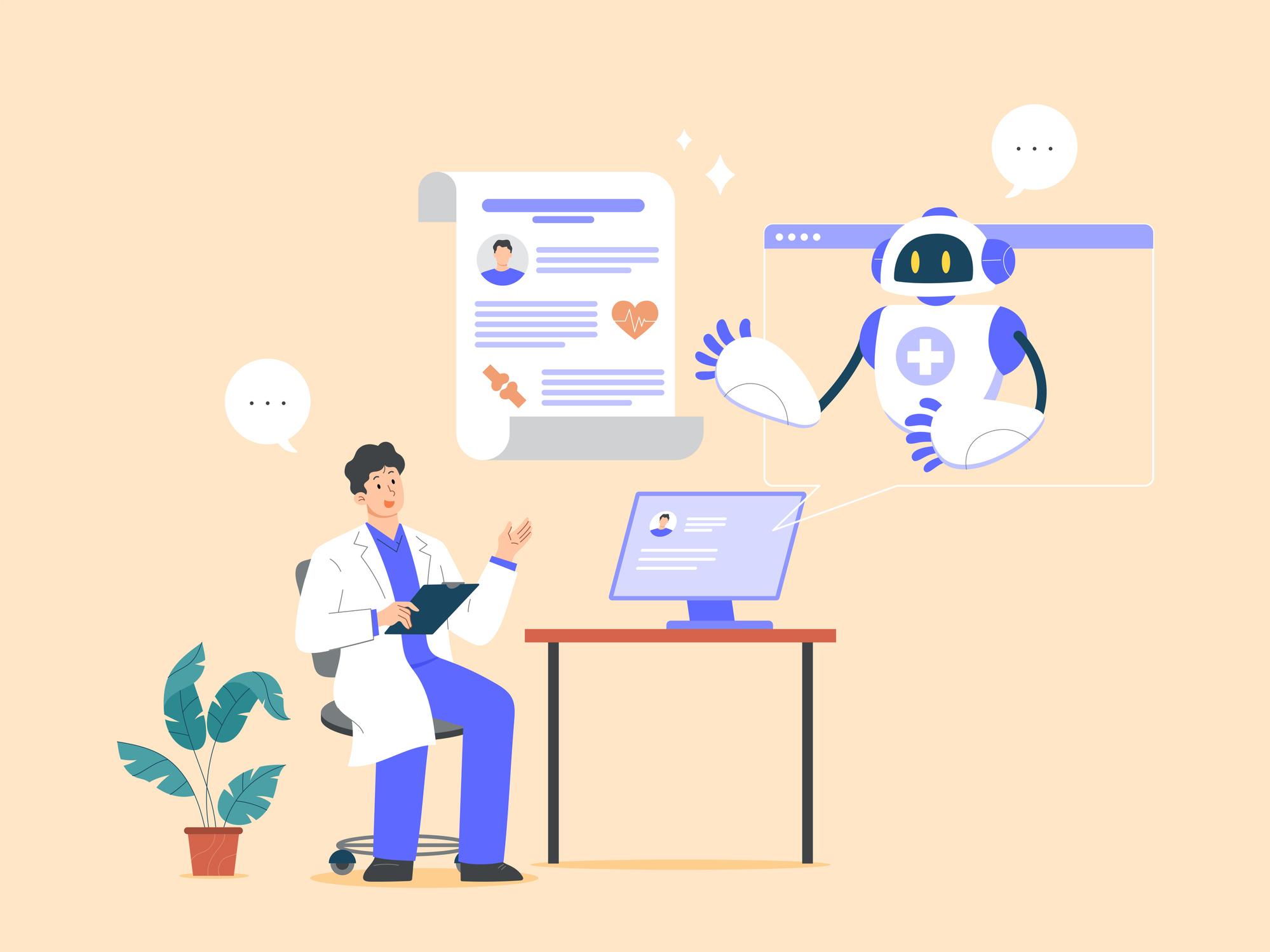
Healthcare Technology Companies See Rising Demand
Medical technology companies are among the largest beneficiaries of growing artificial intelligence adoption across healthcare systems.
Manufacturers producing diagnostic imaging systems, connected patient monitoring equipment, cloud-based healthcare platforms, and AI-powered analytics tools continue experiencing strong market demand during 2026.
Several European health-tech firms are expanding investments in artificial intelligence development as competition intensifies across the global medical technology industry.
AI healthcare systems are also increasing demand for semiconductors, cybersecurity platforms, networking infrastructure, and cloud computing services capable of supporting advanced medical operations.
Financial analysts believe healthcare technology could remain one of the strongest long-term growth sectors because medical providers worldwide continue modernizing infrastructure and digital capabilities.
“Healthcare providers are under enormous pressure to improve efficiency while managing growing patient demand,” one international healthcare analyst said. “Artificial intelligence may become one of the most important tools helping hospitals adapt to these challenges.”
Governments Push Digital Healthcare Modernization
European governments are increasingly supporting healthcare digitization initiatives designed to improve medical efficiency, reduce long-term costs, and strengthen public healthcare systems.
Several countries are expanding funding for digital healthcare infrastructure, connected hospital systems, artificial intelligence diagnostics, and remote healthcare technologies.
The global pandemic years accelerated investment in healthcare modernization by exposing weaknesses in outdated hospital systems and fragmented medical infrastructure networks.
AI healthcare systems are now viewed as strategically important because they may help improve healthcare accessibility, patient monitoring capabilities, and emergency response coordination.
Government regulators are also examining how artificial intelligence can be safely integrated into sensitive healthcare environments while maintaining patient privacy protections and regulatory compliance standards.
Healthcare cybersecurity has therefore become a growing priority as digital systems increasingly process sensitive patient records and critical medical data.
Artificial Intelligence Improves Diagnostic Capabilities
One of the most significant areas of artificial intelligence growth within healthcare involves medical diagnostics.
AI-powered systems are increasingly assisting doctors in analyzing imaging scans, identifying abnormalities, predicting disease risks, and improving diagnostic accuracy.
Advanced machine learning models can process enormous amounts of medical information in real time, helping healthcare professionals identify patterns that may otherwise remain undetected.
AI healthcare systems are now being integrated into radiology departments, oncology research, cardiovascular diagnostics, and pathology analysis platforms.
Industry experts believe these technologies may eventually help reduce diagnostic errors while improving treatment speed and patient outcomes.
Several hospitals throughout Europe are already testing AI-supported systems capable of identifying early-stage medical conditions with increasing precision.
Rising Cybersecurity Risks Challenge Healthcare Networks
As hospitals and healthcare providers become more digitally connected, cybersecurity concerns are also increasing rapidly.
Healthcare systems process highly sensitive patient records, financial information, pharmaceutical research data, and government health communications. Cybersecurity specialists warn that expanding digital healthcare infrastructure may create additional vulnerabilities if systems are not properly secured against sophisticated cyber threats.
AI healthcare systems are therefore increasing demand for advanced cybersecurity technologies designed specifically for medical infrastructure protection.
Governments and healthcare companies are investing heavily in cybersecurity systems capable of detecting suspicious network activity, preventing ransomware attacks, and protecting critical healthcare operations from digital disruptions.
Several analysts believe healthcare cybersecurity spending could rise substantially throughout the next decade as artificial intelligence infrastructure expands globally.
Semiconductor Industry Benefits From Medical AI Growth
The semiconductor industry continues benefiting from rising artificial intelligence demand within healthcare systems.
Advanced healthcare technologies require high-performance processors, networking systems, memory chips, and cloud computing infrastructure capable of handling large-scale medical data analysis.
AI healthcare systems are contributing to stronger semiconductor demand because hospitals increasingly rely on connected devices, digital imaging systems, and real-time patient monitoring technologies.
European semiconductor manufacturers are also attempting to strengthen their role within healthcare technology markets by developing energy-efficient chips and advanced medical computing systems.
Analysts believe medical AI growth may create long-term opportunities for semiconductor companies involved in healthcare infrastructure development.
History of Artificial Intelligence in Healthcare
The healthcare industry has experimented with computer-assisted diagnostics and automated medical systems for decades. Early digital healthcare systems were primarily limited to administrative tasks and basic patient record management.
However, advances in cloud computing, machine learning, semiconductor performance, and medical imaging technologies dramatically accelerated healthcare AI capabilities during the past decade.
The global pandemic further accelerated healthcare digitization as hospitals and governments invested heavily in remote monitoring systems, predictive analytics platforms, and digital patient management technologies.
AI healthcare systems have now evolved into a major strategic focus for governments, hospitals, insurers, and technology providers worldwide.
Industry analysts believe artificial intelligence may eventually become deeply integrated into nearly every aspect of healthcare operations during the coming decades.
Financial Markets Closely Monitor Healthcare AI Investment
Investors continue closely monitoring healthcare technology companies connected to artificial intelligence growth.
Technology firms specializing in medical imaging, cloud healthcare systems, cybersecurity, diagnostics, and AI-supported analytics platforms have attracted substantial investor attention throughout 2026.
Financial markets increasingly view healthcare AI as one of the most important long-term investment themes because of rising healthcare demand worldwide.
However, analysts also caution that regulatory challenges, cybersecurity risks, and economic uncertainty could create volatility across health-tech markets.
Despite these concerns, many investors believe healthcare modernization trends remain strong enough to support continued infrastructure investment during the coming years.

Future Outlook for Healthcare Artificial Intelligence
The future outlook for artificial intelligence within healthcare remains highly optimistic according to many industry analysts as hospitals and governments continue accelerating digital transformation efforts worldwide. AI healthcare systems are increasingly viewed as essential infrastructure capable of improving operational efficiency, strengthening diagnostics, supporting medical professionals, and enhancing patient care standards across modern healthcare environments.
Healthcare providers continue searching for technologies capable of reducing operational costs while improving speed, accuracy, and accessibility within medical systems. AI healthcare systems are expected to play a growing role in diagnostics, predictive monitoring, pharmaceutical research, emergency response coordination, hospital administration, and patient management operations during the coming decade.
Several industry experts believe AI healthcare systems could eventually transform nearly every aspect of healthcare delivery by improving real-time medical analysis and automating complex administrative processes. The rapid expansion of healthcare digitization is also increasing investment in cloud computing infrastructure, cybersecurity systems, and semiconductor technologies supporting advanced medical operations.
“Artificial intelligence is becoming one of the most important technological shifts in modern healthcare,”
one European healthcare strategist said.
“Hospitals that successfully integrate AI systems may improve efficiency, patient care quality, and long-term operational performance.”
AI healthcare systems are also expected to strengthen remote healthcare capabilities by improving digital consultations, patient monitoring, and connected healthcare services for underserved populations. Analysts believe rising global healthcare demand and aging populations may continue supporting long-term investment in healthcare artificial intelligence technologies.
The healthcare industry’s ongoing digital transformation may therefore remain one of the largest technology investment trends throughout the remainder of the decade as AI healthcare systems continue expanding across Europe and international medical markets.
AI Healthcare Innovation Signals a New Era for Global Medicine
Artificial intelligence is rapidly reshaping healthcare infrastructure across Europe and global medical markets during 2026. Hospitals, governments, and healthcare technology companies are aggressively expanding investment in advanced digital systems capable of improving diagnostics, patient monitoring, cybersecurity, and operational efficiency.
AI healthcare systems are becoming increasingly important as healthcare providers modernize infrastructure to meet rising patient demand and evolving medical challenges. Analysts believe the healthcare organizations that successfully integrate advanced artificial intelligence technologies may gain major operational and economic advantages during the coming decade.