
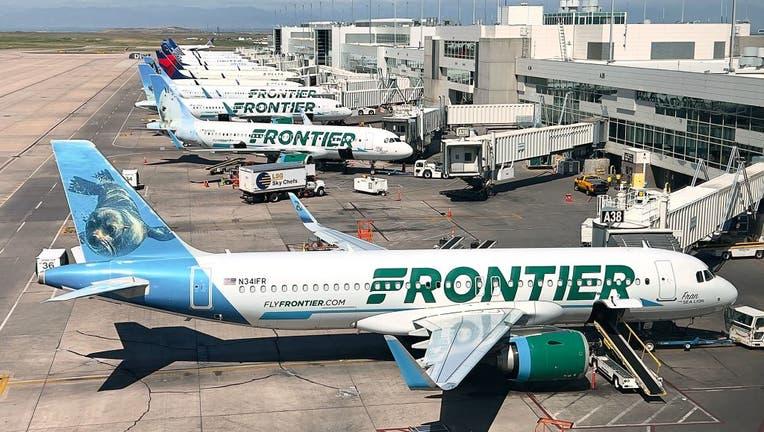
Denver, Colorado (Parliament Politics Magazine) Aviation safety concerns intensified Friday after a Frontier Airlines aircraft reportedly suffered an engine fire near Denver International Airport, triggering a major emergency response and raising fresh questions about commercial airline operations, runway procedures, and aircraft maintenance standards.
Emergency crews rushed to the scene after smoke and flames were reportedly seen near one of the aircraft’s engines. Authorities also reviewed reports that a pedestrian may have been struck during the unfolding emergency situation near airport operations.
Passengers onboard described moments of confusion as emergency personnel secured the aircraft and surrounding runway areas while federal aviation authorities began investigating the incident.
“The speed of the emergency response likely prevented the situation from becoming much worse,”
one aviation analyst stated.
Aviation safety concerns 2026
- Location: Denver, Colorado
- Date: May 9, 2026
- Airline: Frontier Airlines
- Main Incident: Aircraft engine fire
- Airport: Denver International Airport
- Industry Focus: Aviation safety concerns
- Investigation Agencies: FAA and transportation safety officials
- Emergency Response: Firefighters, police, and medical teams deployed
- Operational Impact: Temporary runway and airport disruptions
- Passenger Status: Emergency evacuation procedures initiated
- Key Concern: Engine reliability and airport safety coordination
- Broader Impact: Increased national attention on airline safety standards
Emergency Response Activated Rapidly
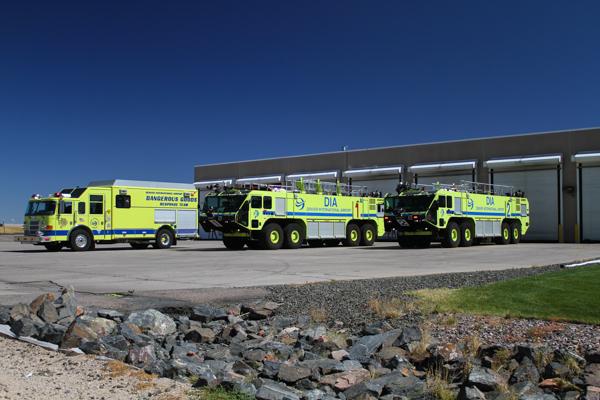
The incident quickly triggered large-scale emergency operations involving airport firefighters, police officers, paramedics, and federal transportation officials.
The growing aviation safety concerns surrounding the incident focused heavily on the speed of response and the coordination between airport operations teams and flight crews.
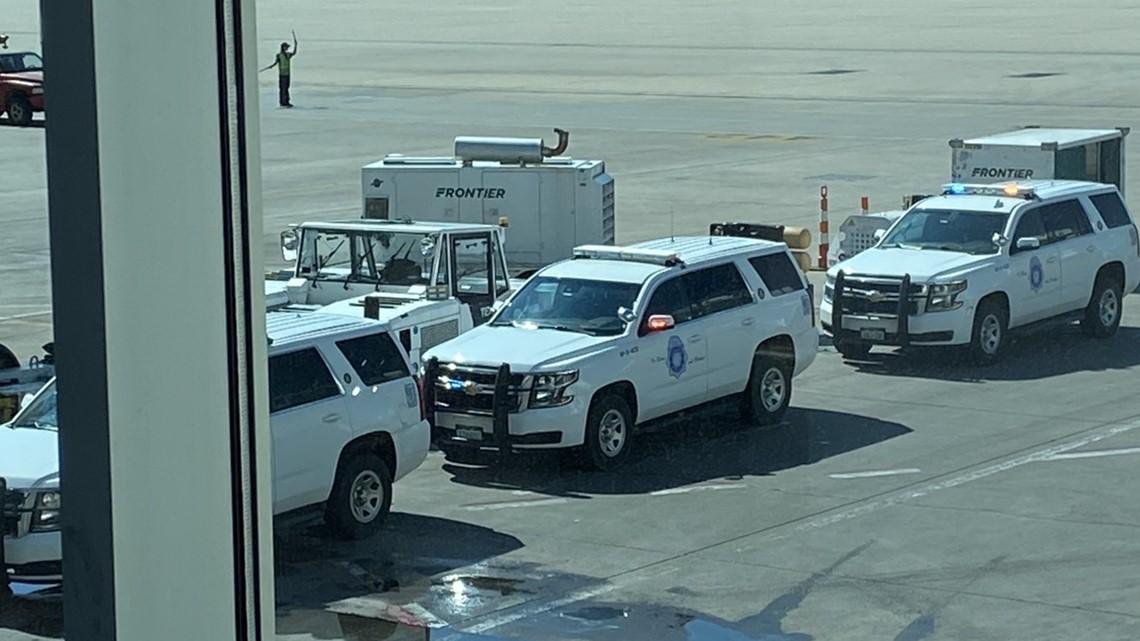
Witnesses near the airport described seeing emergency vehicles surrounding the aircraft as smoke remained visible around part of the engine area.
Airport authorities temporarily adjusted portions of runway activity while crews secured the aircraft and assisted passengers during the emergency.
Medical personnel also responded to evaluate individuals connected to the situation, although officials initially released limited information regarding injuries or medical conditions.
Federal Investigators Focus on Engine Failure
Transportation safety officials are now working to determine what caused the mechanical emergency involving the Frontier Airlines aircraft.
The latest aviation safety concerns involve questions surrounding engine reliability, maintenance records, and airport operational procedures tied to commercial aircraft safety systems.
Federal investigators are expected to examine aircraft inspection records, pilot communications, runway surveillance footage, and emergency response timelines.
Aviation experts say commercial aircraft engines are built with multiple backup safety systems designed to prevent catastrophic failures during flight or ground operations.
Still, even isolated incidents can quickly attract national attention due to the importance of airline safety and passenger confidence.
“Every commercial aviation emergency receives immediate scrutiny because public safety standards are extremely high,”
an airline operations consultant explained.
Passenger Evacuation Procedures Under Review
Several passengers onboard the aircraft later described hearing unusual noises before smoke reportedly became visible outside the plane.
The incident further increased aviation safety concerns involving how airlines communicate with passengers during emergency situations and how evacuation procedures are managed under stressful conditions.
Cabin crews reportedly followed emergency protocols while coordinating with airport response teams to move passengers safely away from the aircraft.
Industry experts noted that airline personnel undergo extensive emergency response training involving fires, evacuations, and coordination with emergency agencies.
Officials praised the rapid response by firefighters and airline crews for helping stabilize the incident quickly.
Reports of Pedestrian Strike Intensify Investigation
One of the most serious aspects of the incident involved reports that a pedestrian may have been struck during emergency ground operations near the airport.
Authorities stated that investigators are reviewing surveillance footage and witness statements to determine exactly how the reported incident occurred.
The growing aviation safety concerns now extend beyond aircraft systems and include broader airport operational safety procedures involving restricted runway access and emergency coordination.
Airport security procedures, emergency vehicle routing, and communication systems may all become part of the broader investigation.
The incident has also renewed discussion surrounding how major airports manage high-pressure emergency situations involving multiple agencies and crowded operational environments.
History of Aviation Emergencies and Industry Improvements
The current aviation safety concerns follow several years of increased attention surrounding airline operations, aircraft maintenance, and airport infrastructure modernization efforts.
Commercial aviation remains statistically one of the safest forms of transportation globally despite occasional high-profile emergencies involving engine failures, emergency landings, or runway incidents.
Over the past two decades, airlines and aviation manufacturers have invested heavily in safety technologies, pilot training systems, maintenance procedures, and emergency response coordination.
Modern aircraft contain advanced fire suppression systems, redundant operational controls, and strict inspection requirements aimed at reducing accident risks.
Analysts say the airline industry continues evolving rapidly as passenger volumes and global air traffic increase.
Denver Airport Operations Face Additional Scrutiny
Denver International Airport, one of America’s busiest transportation hubs, is expected to conduct internal operational reviews following the incident.
The ongoing aviation safety concerns may lead airport officials to reevaluate emergency coordination systems, runway access protocols, and communication procedures tied to aircraft emergencies.
Travel disruptions affected portions of airport operations while emergency crews secured the aircraft and investigators gathered evidence connected to the situation.
Industry observers noted that large airports frequently review operational procedures after major emergencies regardless of whether official violations are identified.
The investigation’s conclusions could eventually influence future airport safety recommendations nationwide.
“Major transportation hubs constantly review emergency preparedness because even isolated incidents can expose procedural weaknesses,”
an airport logistics specialist said.
Aviation Industry Continues Prioritizing Safety Standards
The broader airline industry is expected to monitor the investigation closely as federal authorities continue gathering information.
The growing aviation safety concerns arrive during a period when airlines worldwide are increasing investment in maintenance technology, pilot recruitment, and operational oversight systems.
Commercial aviation regulators continue enforcing some of the strictest transportation safety standards in the world, requiring airlines to follow detailed inspection schedules and maintenance procedures.
Despite these efforts, mechanical emergencies and operational incidents still generate public concern due to the visibility and seriousness of airline safety issues.
Analysts believe the final findings could contribute to updated operational recommendations involving aircraft inspections or emergency coordination procedures.
Quick Takeaway
The Frontier Airlines engine fire incident near Denver International Airport has intensified national aviation safety concerns as federal investigators examine aircraft systems, emergency response procedures, and airport operations. While emergency crews responded quickly and passengers were evacuated safely, the situation has renewed broader discussions about airline maintenance standards, runway safety, and aviation preparedness throughout 2026.