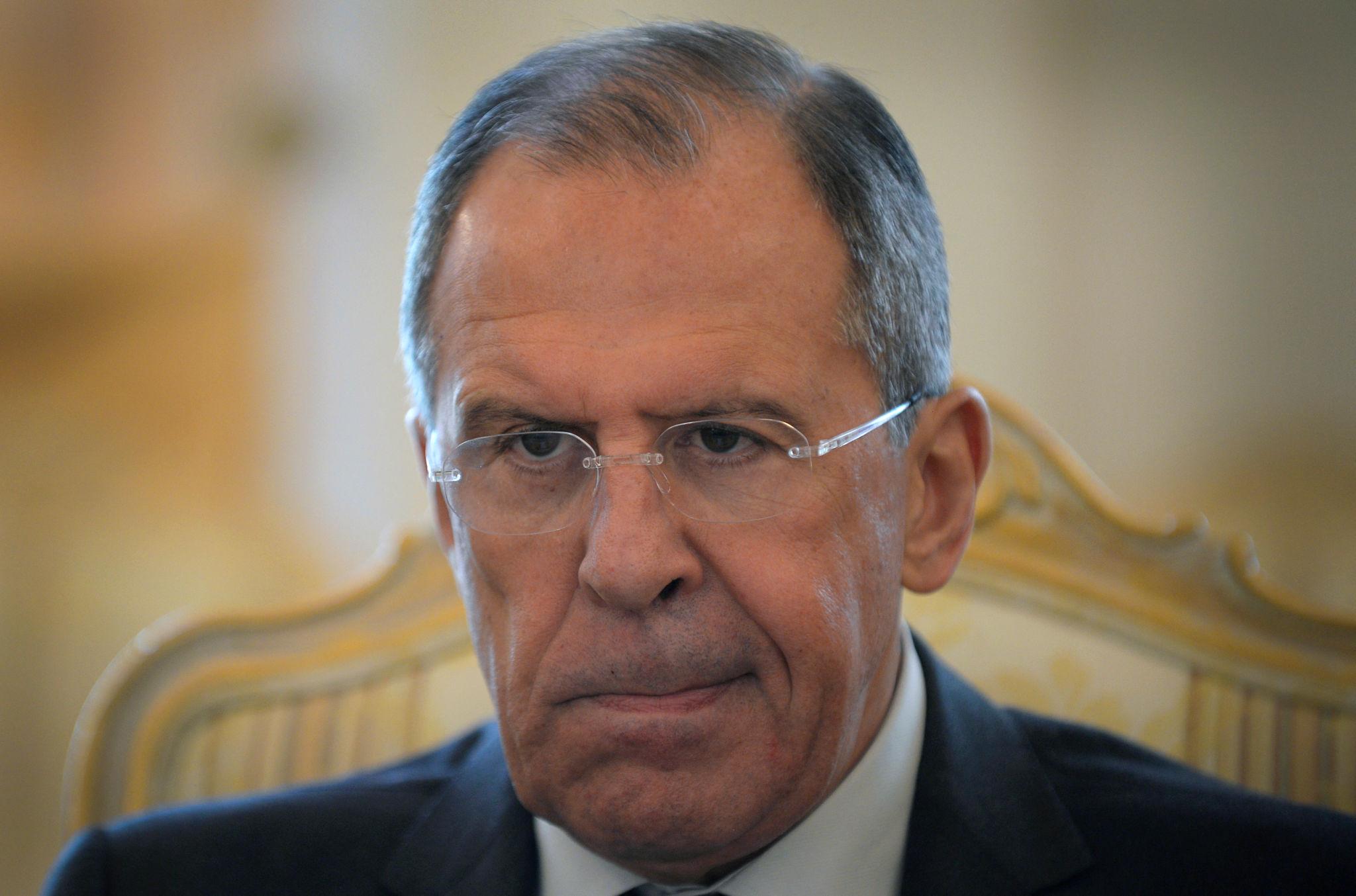
MOSCOW, Russia (Parliament Politics Magazine)confirms the Russia diplomatic warning issued by Kremlin officials has intensified after accusations that Armenia provided Ukrainian President Volodymyr Zelenskiy with a political platform during an increasingly fragile geopolitical period.
The controversy has quickly evolved into a broader diplomatic issue involving regional alliances, Eastern European security concerns, and Russia’s growing sensitivity toward neighboring states engaging with Ukrainian leadership during the ongoing conflict.
Russian state-linked agencies circulated statements criticizing Armenia’s political positioning, signaling frustration within Moscow over what officials view as symbolic support for Kyiv’s international outreach efforts.
One regional political analyst stated,
“The Kremlin now views nearly every diplomatic interaction involving Ukraine through a strategic security lens.”
The latest Russia diplomatic warning reflects growing uncertainty surrounding Russia-Armenia relations and the future balance of influence across the South Caucasus.
Kremlin Officials Criticize Armenia’s Position
Russian officials reportedly viewed Armenia’s engagement connected to Zelenskiy as politically provocative amid the continuing Russia-Ukraine conflict.
The Kremlin has repeatedly warned neighboring countries against actions perceived as indirectly supporting Ukrainian diplomatic campaigns. Analysts say symbolic political gestures now carry heightened geopolitical importance because of the broader international divisions surrounding the conflict.
The latest Russia diplomatic warning also suggests Moscow is increasingly concerned about Armenia’s evolving foreign policy priorities and expanding engagement with Western governments.
Political observers noted that Armenia has recently strengthened diplomatic communication with European institutions while attempting to preserve historical ties with Russia.
One European security expert explained,
“Regional governments are under enormous pressure to carefully balance strategic relationships in a rapidly changing geopolitical environment.”
Armenia Faces Delicate Diplomatic Balancing Act
Armenia’s leadership continues navigating an increasingly difficult diplomatic landscape as tensions rise between Russia and Western allies.
The country maintains long-standing economic and security ties with Moscow but has simultaneously pursued broader international partnerships in recent years.
The current Russia diplomatic warning has intensified speculation regarding whether Armenia could gradually distance itself from traditional regional alliances in the future.
Experts believe Armenia’s geographic position and regional security concerns make its diplomatic decisions particularly sensitive.
Officials in Yerevan have not publicly escalated rhetoric against Moscow, but analysts expect continued international scrutiny surrounding Armenia’s geopolitical positioning throughout 2026.
Zelenskiy’s International Engagement Draws Attention
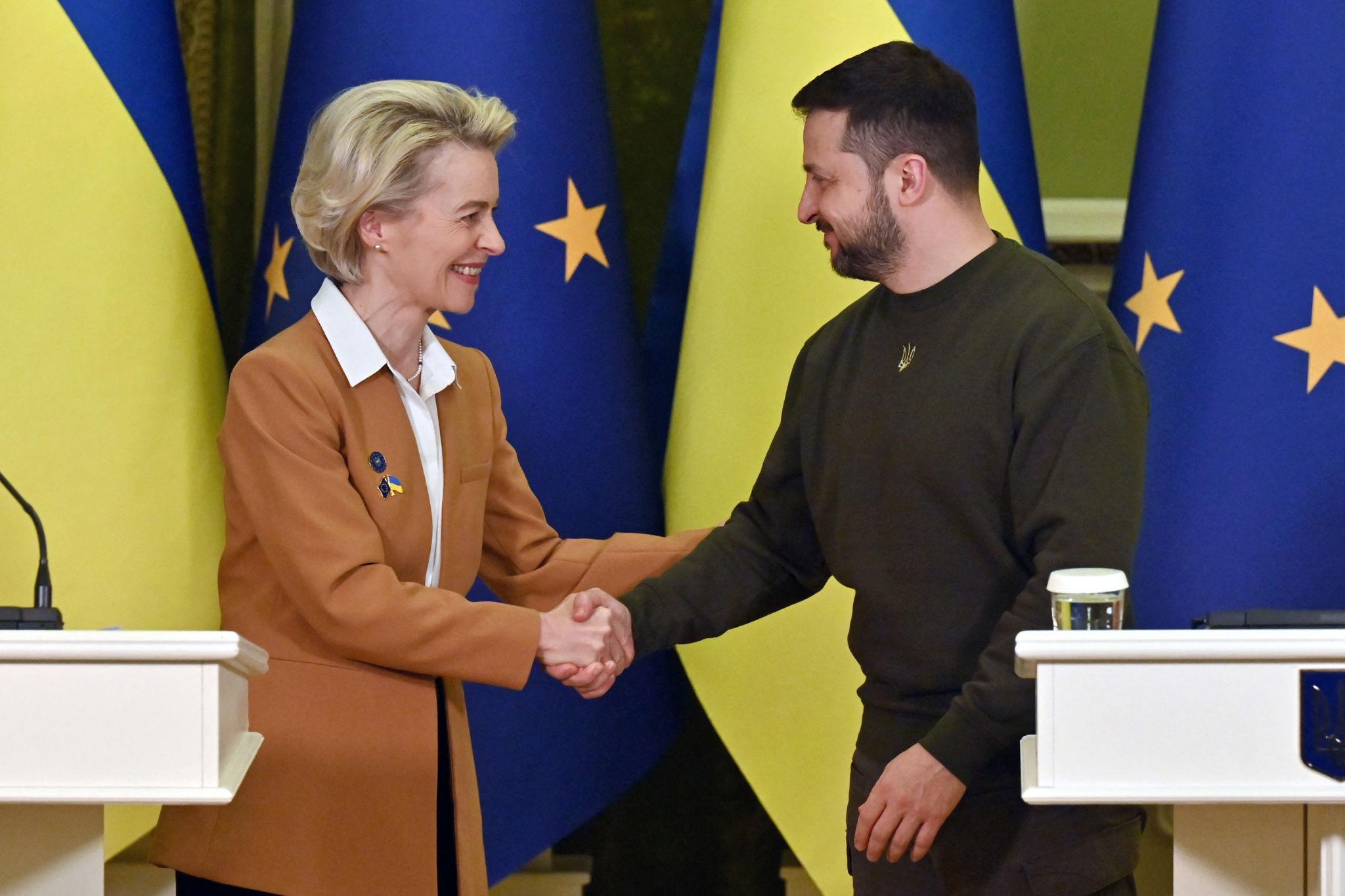
Ukrainian President Volodymyr Zelenskiy has remained highly active internationally as Ukraine continues seeking diplomatic support from governments worldwide.
Russian officials frequently criticize nations that provide public platforms connected to Ukrainian political messaging or international appearances.
The latest Russia diplomatic warning demonstrates how regional diplomatic events can rapidly become larger geopolitical disputes during periods of ongoing conflict.
Several analysts noted that Armenia’s historical ties to Russia make the controversy more symbolically significant compared to similar diplomatic interactions elsewhere.
One geopolitical commentator stated,
“Symbolism matters enormously in modern geopolitical conflicts because every public appearance sends strategic signals.”
History of Russia-Armenia Relations Influences Crisis
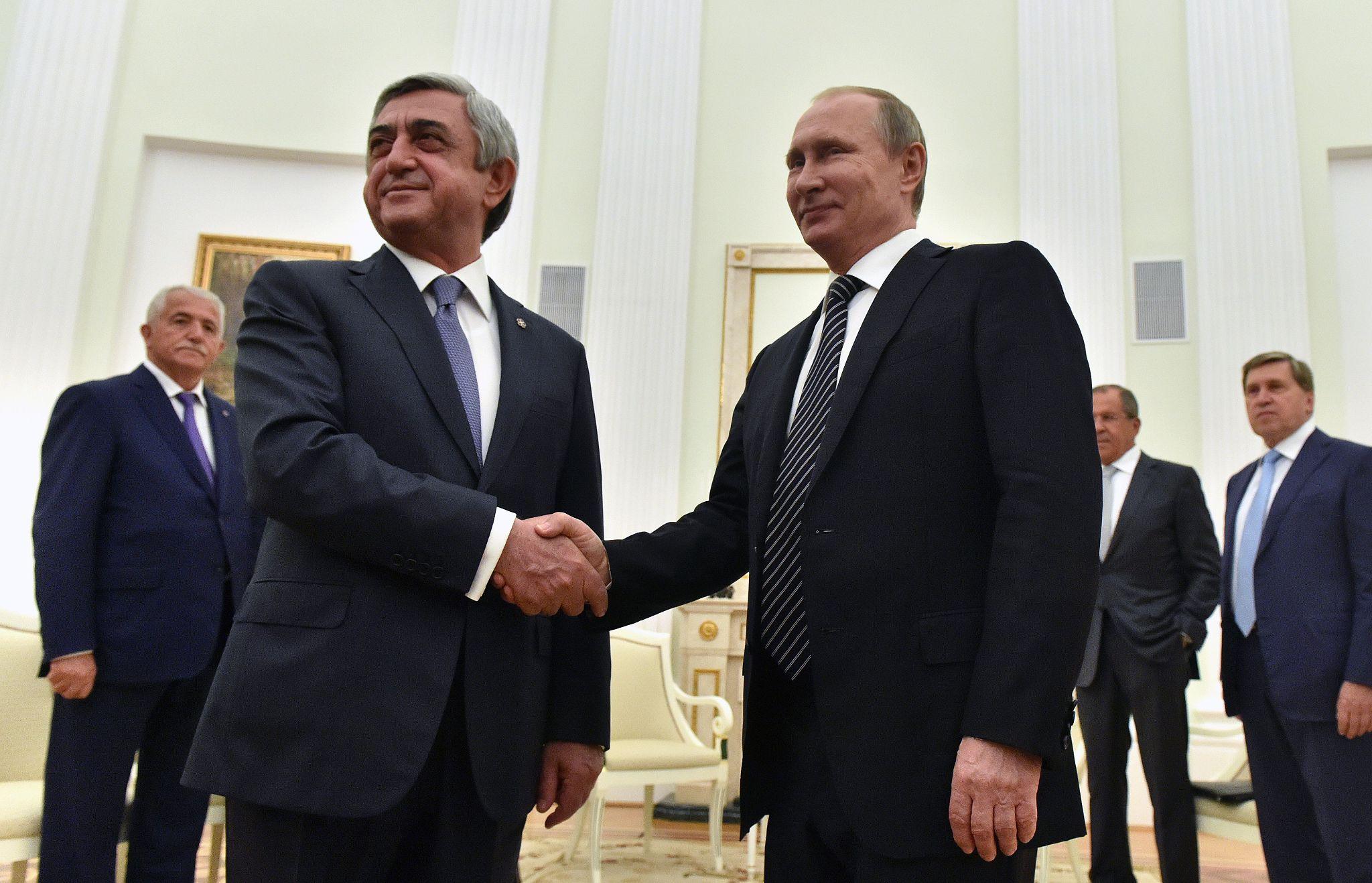
Russia and Armenia have maintained close relations for decades following the collapse of the Soviet Union. Moscow historically served as one of Armenia’s primary security and economic partners in the South Caucasus region.
However, relations have faced increasing strain in recent years due to disagreements surrounding regional conflicts, military support expectations, and shifting diplomatic priorities.
The current Russia diplomatic warning reflects broader strategic tensions that have gradually emerged between both governments.
Despite political disagreements, Armenia and Russia remain economically connected through trade, infrastructure partnerships, and regional security arrangements.
The latest dispute nevertheless highlights growing uncertainty regarding future regional alignments.
Regional Stability Concerns Continue Growing
Security analysts warned that worsening diplomatic friction between Moscow and Yerevan could contribute to broader instability across the South Caucasus.
The region already faces complex challenges involving territorial disputes, energy transportation routes, and geopolitical competition between major international powers.
Experts say the Russia diplomatic warning may affect future negotiations involving military cooperation, economic coordination, and regional diplomatic strategy.
International observers continue monitoring whether the Kremlin introduces additional political or economic pressure measures against Armenia following the controversy.
The evolving dispute has also renewed discussions surrounding the long-term future of Russian influence across neighboring regions.
International Community Watches Kremlin Response
Governments and analysts worldwide are closely observing how Moscow responds to the growing diplomatic tensions.
Western observers believe Armenia may continue strengthening relationships with European institutions while attempting to avoid direct confrontation with Russia.
At the same time, Russian political commentators argue the Kremlin remains deeply concerned about maintaining strategic influence within historically aligned regions.
The broader implications of the Russia diplomatic warning could shape diplomatic relationships across Eastern Europe and the Caucasus throughout the remainder of 2026.
One international affairs specialist noted,
“Smaller regional nations are increasingly navigating pressure from multiple global power centers simultaneously.”
Kremlin Dispute Raises New Geopolitical Questions
The latest Kremlin accusations involving Armenia and Zelenskiy have added another layer of uncertainty to an already fragile geopolitical environment. The expanding Russia diplomatic warning underscores how sensitive regional diplomacy has become during ongoing international conflict.
While Armenia continues attempting to balance relationships with both Russia and Western governments, Moscow’s criticism suggests deeper strategic tensions may continue developing in the months ahead.
As global attention remains focused on Eastern Europe and the South Caucasus, analysts believe the diplomatic dispute could influence future regional alliances, political cooperation, and broader international security discussions throughout 2026.
Russia-Armenia Crisis 2026
Location: Moscow, Russia
Year: 2026
Main Issue: Kremlin criticism involving Zelenskiy and Armenia
Focus Keyword: Russia diplomatic warning
Primary Concern: Regional geopolitical tensions
Countries Involved: Russia, Armenia, Ukraine
Strategic Region: South Caucasus
International Impact: Increased diplomatic uncertainty
Global Attention Level: High
Current Status: Diplomatic tensions ongoing