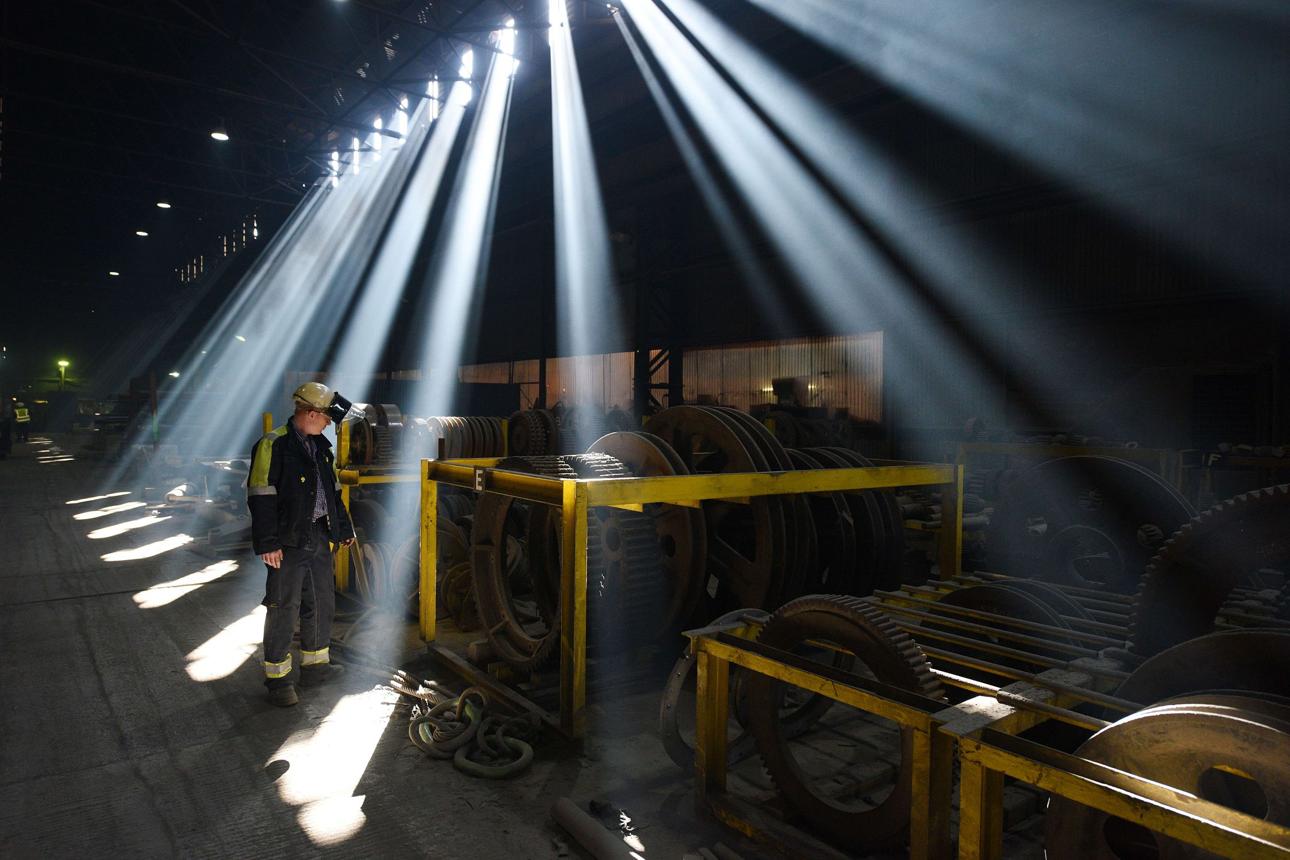
The British government unveiled a major industrial growth framework focused on manufacturing, clean energy, and economic resilience in 2026.
Officials say the plan aims to strengthen domestic production, protect strategic industries, and create long-term employment opportunities across the UK.
The announcement has sparked debate over government spending, economic competitiveness, and the future of British industry.
LONDON, United Kingdom (Parliament Politics Magazine) UK industrial strategy 2026 has officially become one of the British government’s largest economic policy initiatives this year as officials attempt to strengthen manufacturing, secure supply chains, and restore confidence in domestic industry. The announcement arrives during a period of rising economic pressure, global competition, and growing concerns about long-term industrial decline throughout the United Kingdom.
Government leaders stated that the new strategy is designed to protect strategic sectors while encouraging investment in advanced manufacturing, clean energy production, infrastructure development, and technology innovation. Officials argue that rebuilding domestic production capacity is essential for long-term economic security and national resilience.
The initiative is expected to impact multiple sectors, including steel, automotive manufacturing, transportation infrastructure, defense production, construction materials, and renewable energy supply chains.
“Britain cannot build a stronger future without rebuilding industrial confidence,”
Prime Minister Keir Starmer said during the national announcement in London.
The policy announcement immediately triggered reactions from investors, labor unions, economists, and business organizations across the country.
| Category | Details |
|---|---|
| Announcement Date | May 11, 2026 |
| Location | London, United Kingdom |
| Main Focus | Manufacturing and industrial growth |
| Key Industries | Steel, energy, defense, infrastructure |
| Economic Goal | Domestic production expansion |
| Strategic Priorities | Jobs, supply chains, energy security |
| Government Position | Long-term industrial investment |
| Public Debate | Taxpayer costs and competitiveness |
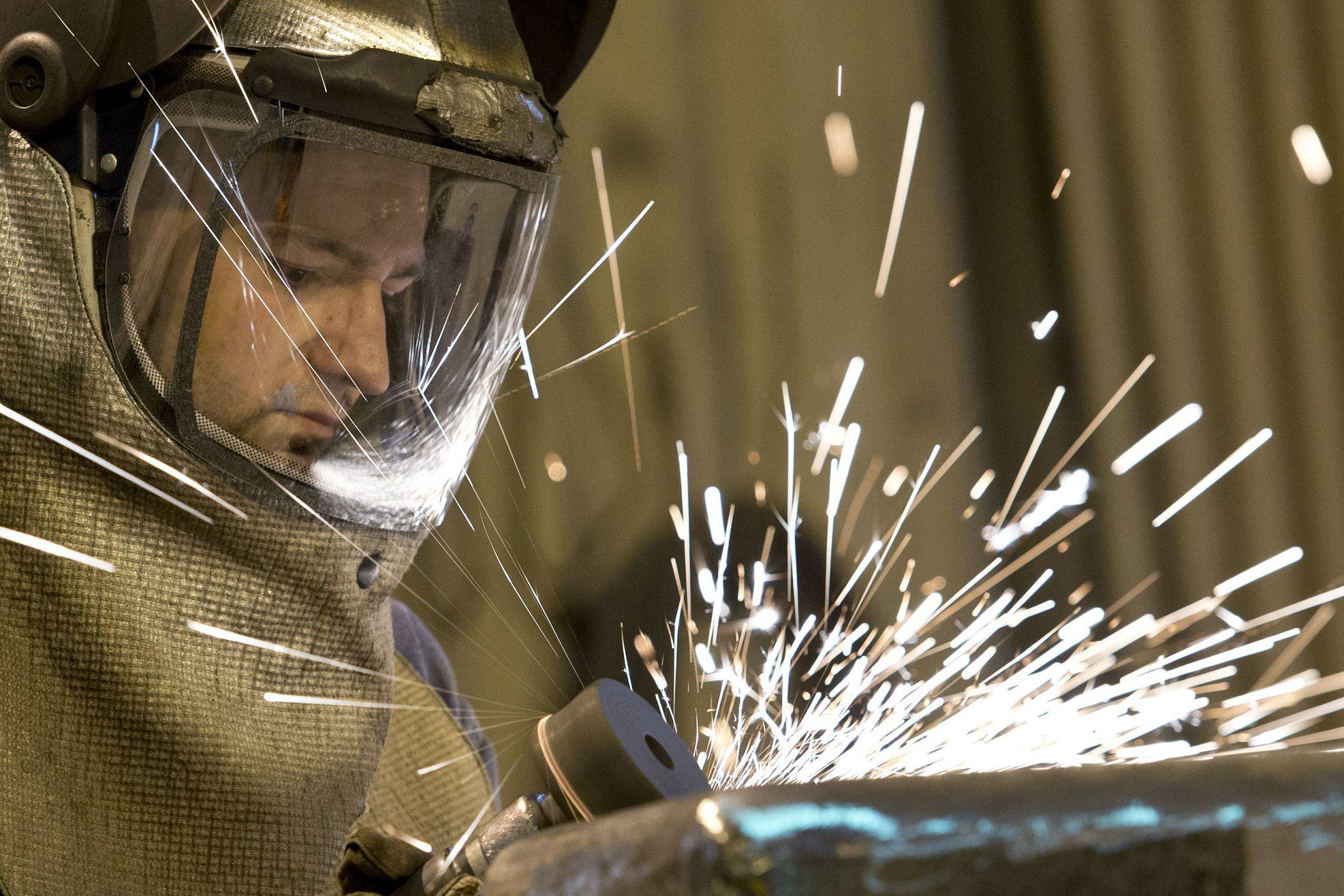
Manufacturing Investment Becomes Central Economic Priority
The government’s latest economic direction places industrial expansion at the center of national policy discussions. Officials believe Britain must reduce dependence on foreign manufacturing while encouraging long-term investment in domestic production.
UK industrial strategy 2026 focuses heavily on strengthening key sectors that support national infrastructure and economic resilience. Policymakers argue recent global supply chain disruptions exposed vulnerabilities that cannot be ignored moving forward.
Several government agencies are expected to coordinate funding programs aimed at improving industrial modernization, workforce development, and production efficiency.
Business leaders welcomed portions of the proposal but also warned that high energy costs and global competition remain major obstacles for British manufacturers.
Industry experts believe the success of the initiative may ultimately depend on whether long-term policy stability can be maintained.
Domestic Steel and Energy Security Drive National Debate
Steel production has become a major component of the government’s industrial framework. Officials say maintaining domestic steel manufacturing is critical for transportation systems, defense production, housing development, and infrastructure projects.
UK industrial strategy 2026 also emphasizes energy security as Britain continues navigating global market instability and rising energy demands.
The government has indicated that energy independence and industrial competitiveness are increasingly connected. Officials believe stable energy pricing will be necessary to help British factories remain globally competitive.
Critics argue that major industrial support programs could place financial pressure on taxpayers, while supporters claim failing to act would create even greater economic risks over time.
“Industrial independence is becoming a national security issue for modern economies,”
one manufacturing analyst said following the announcement.
The debate surrounding industrial policy has rapidly become one of Britain’s most closely watched political and economic issues of 2026.
Regional Job Growth Remains Key Political Goal
Employment growth remains one of the strongest selling points behind the government’s industrial expansion strategy. Thousands of manufacturing jobs across Britain continue facing uncertainty tied to automation, foreign competition, and restructuring efforts.
Officials say UK industrial strategy 2026 aims to support communities heavily dependent on industrial employment while encouraging new investment opportunities outside London.
Regional economies connected to manufacturing have experienced years of economic pressure tied to plant closures and reduced industrial output.
Labor organizations praised the government for prioritizing industrial employment and domestic production capacity. Union leaders argued that rebuilding manufacturing is necessary for long-term economic stability.
Business groups, however, continue requesting additional details regarding tax policies, funding mechanisms, and implementation timelines.
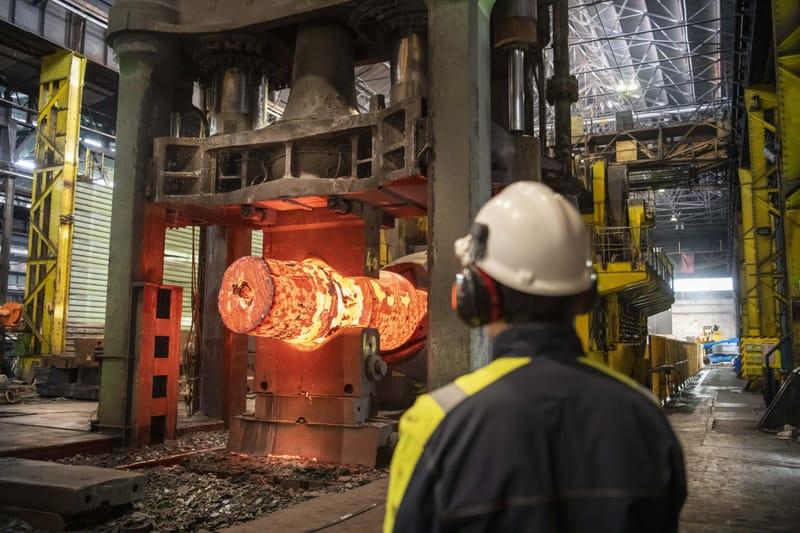
Infrastructure Expansion Expected to Support Economic Recovery
Large-scale infrastructure development is expected to play a major role in the broader industrial strategy. Government officials indicated that transportation upgrades, energy projects, and housing development initiatives will require expanded domestic production capabilities.
UK industrial strategy 2026 includes discussions surrounding rail modernization, clean energy infrastructure, and construction material supply chains.
Analysts say infrastructure investment could create substantial demand for steel, engineering services, machinery production, and logistics operations throughout Britain.
Some economists believe the strategy represents a significant shift toward economic nationalism and stronger state involvement in industrial planning.
Others remain skeptical about whether government intervention can overcome long-standing competitiveness challenges facing British industry.
“Economic growth requires industrial capacity, not just financial markets,”
a senior economic adviser stated during discussions about the policy framework.
The government appears determined to position industrial recovery as central to Britain’s future economic direction.
History of British Industrial Power Returns to Political Discussion
Britain’s industrial legacy has once again become part of national political debate as leaders discuss the future of manufacturing and economic independence.
The United Kingdom once stood among the world’s dominant industrial powers during the Industrial Revolution, leading global production in steel, shipbuilding, textiles, and heavy manufacturing.
Over recent decades, however, many traditional industries experienced decline due to globalization, outsourcing, and changing economic priorities.
UK industrial strategy 2026 reflects growing concerns that excessive dependence on foreign manufacturing could weaken long-term economic security.
Historians note that industrial production played a major role in Britain’s historical economic influence and geopolitical strength.
Today’s political discussions increasingly focus on whether the country can successfully modernize industrial production while adapting to environmental and technological changes.
Global Competition Intensifies Pressure on British Industry
International competition remains one of the biggest challenges facing manufacturers across Europe and the United Kingdom.
Lower-cost imports, energy pricing differences, and environmental compliance costs continue creating pressure for domestic producers attempting to remain competitive globally.
UK industrial strategy 2026 attempts to address those concerns by encouraging investment in modernization, automation, and clean energy technologies.
Government officials argue that strategic industries require stronger domestic support to survive increasingly aggressive international competition.
Financial markets continue closely monitoring how aggressively Britain intends to expand state involvement in industrial policy.
Some investors believe industrial investment could strengthen long-term economic growth, while others worry about government spending levels and market intervention risks.

Clean Energy Manufacturing Added to Industrial Framework
Renewable energy production and green manufacturing have also become major priorities within the industrial strategy.
Officials say Britain must compete aggressively in emerging industries tied to clean energy infrastructure, battery production, electric transportation, and low-emission technologies.
UK industrial strategy 2026 highlights the importance of balancing industrial growth with environmental transition goals.
Government leaders believe future economic competitiveness will depend heavily on technological innovation and sustainable production systems.
Environmental organizations remain divided on portions of the proposal. Some support industrial modernization efforts, while others question continued investment in heavy manufacturing sectors.
The environmental component is expected to remain central to future policy debates.
Investors and Businesses Seek Long-Term Policy Stability
Business leaders continue requesting clearer details regarding regulatory policies, taxation, energy pricing, and investment incentives connected to the industrial plan.
UK industrial strategy 2026 has generated significant attention among investors attempting to evaluate Britain’s future economic direction.
Manufacturing companies are particularly focused on whether the government can maintain consistent industrial policies long enough to encourage large-scale capital investment.
Some business organizations argue that industrial recovery will require stronger collaboration between government agencies and private sector leadership.
Economic analysts believe policy consistency could ultimately determine whether Britain successfully rebuilds manufacturing competitiveness over the next decade.
Public Reaction Reflects Wider Economic Concerns
Public response to the industrial strategy reflects broader anxieties surrounding inflation, job security, living costs, and economic uncertainty.
Many voters appear increasingly supportive of policies designed to strengthen domestic production and reduce dependence on foreign supply chains.
UK industrial strategy 2026 has quickly become symbolic of larger national debates regarding globalization, economic independence, and long-term growth.
Political analysts believe industrial policy discussions may significantly influence future elections and economic priorities across Britain.
The government appears committed to presenting industrial investment as a pathway toward economic stability and long-term resilience.

The launch of UK industrial strategy 2026 represents a major shift in Britain’s economic policy discussions as leaders attempt to strengthen domestic manufacturing, energy security, and infrastructure development.
Supporters argue the strategy could help rebuild industrial confidence, protect jobs, and improve economic resilience. Critics remain concerned about taxpayer exposure, competitiveness, and implementation challenges.
Regardless of political differences, the announcement signals that industrial policy is once again becoming central to Britain’s economic future in 2026.