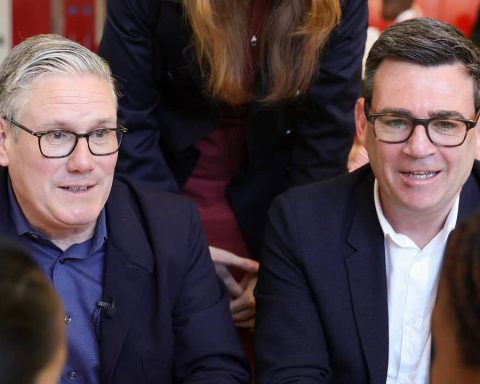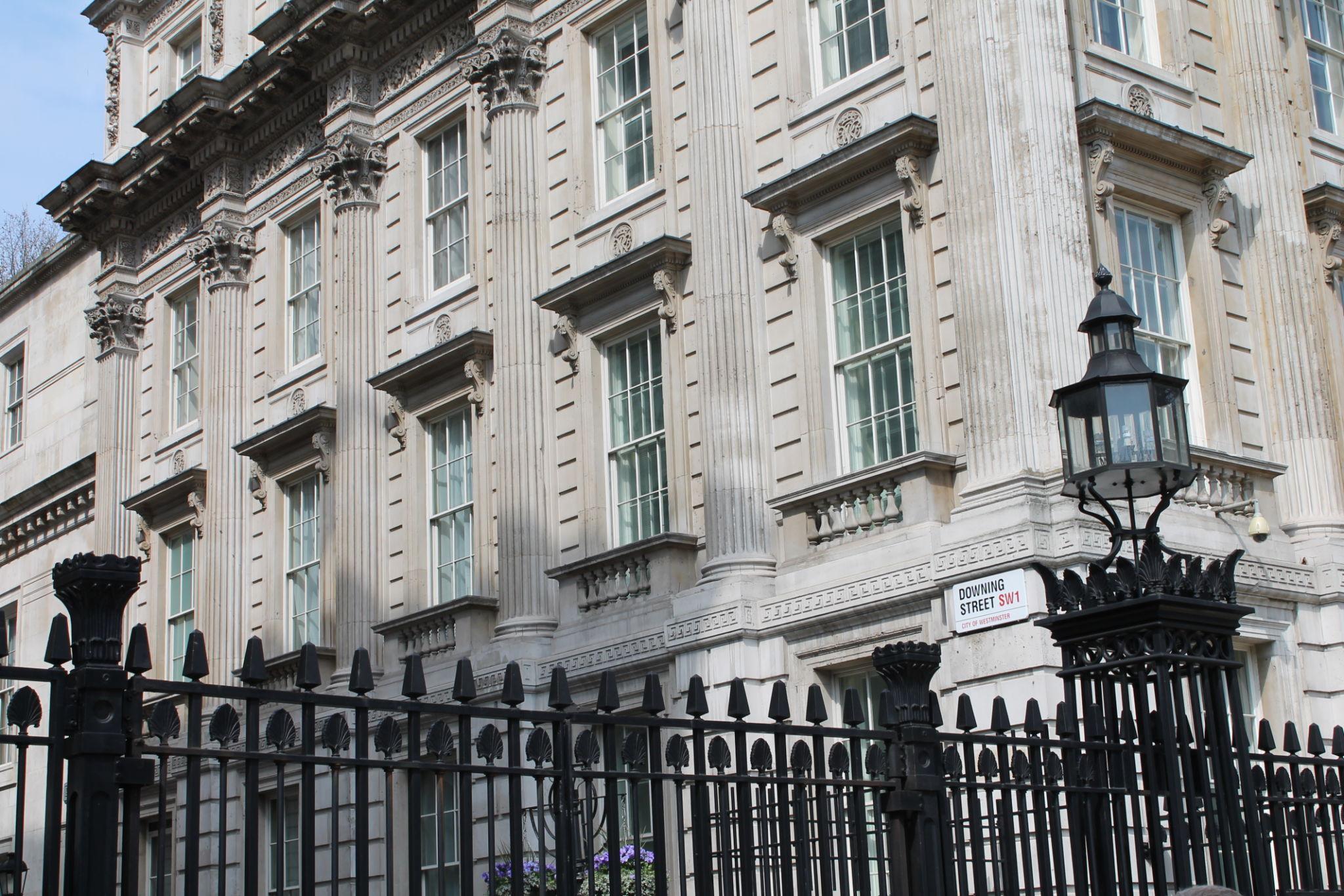
Britain is facing growing political uncertainty after multiple UK cabinet resignation developments intensified pressure on government leadership.
The latest political turmoil has raised fresh concerns about stability inside Westminster during a difficult economic period.
Analysts warn continued resignations could weaken public confidence and increase scrutiny of future policy decisions.
LONDON, United Kingdom (Politics Parliament Magazine) UK cabinet resignation concerns are intensifying across Britain as growing political pressure inside Westminster raises new questions about government stability and leadership control under Prime Minister Keir Starmer.
The latest resignation controversy has become a major political issue after several ministerial departures increased scrutiny surrounding internal disagreements and government strategy. Political observers say repeated resignations are creating fresh uncertainty during a period already marked by economic concerns and public frustration.
Analysts believe the ongoing UK cabinet resignation situation could shape political debate throughout the remainder of 2026 as opposition parties continue criticizing the government’s handling of internal tensions.
One Westminster political strategist stated,
“Cabinet resignations often become symbolic moments that influence how voters view leadership strength and government stability.”
Britain Government Stability Outlook
Topic: UK Cabinet Resignation Crisis
Location: London, United Kingdom
Year: 2026
Main Concern: Government instability and leadership pressure
Political Impact: Rising scrutiny on cabinet unity and policy direction
Economic Concern: Investor confidence and market uncertainty
Public Reaction: Increased debate over government stability
Parliament Focus: Internal tensions and future leadership strategy
Political Pressure Builds Inside Westminster
The latest UK cabinet resignation developments have intensified debate across Britain’s political landscape. Opposition lawmakers argue repeated ministerial exits suggest growing divisions inside the government at a sensitive time for the British economy.
Government officials attempted to minimize speculation surrounding the departures, insisting the administration remains focused on delivering policy priorities. However, political commentators say repeated resignations naturally increase media attention and public scrutiny.
Several analysts believe leadership stability has become a major issue inside Westminster as lawmakers face pressure regarding inflation, public services, and economic management.
The growing UK cabinet resignation narrative is now dominating political discussion across British media platforms.
Starmer Faces Questions About Leadership Stability
Prime Minister Keir Starmer is facing increasing pressure following the latest resignation developments. Critics claim the repeated departures may indicate deeper concerns regarding internal government cohesion.
The ongoing UK cabinet resignation controversy has also triggered debate regarding communication between senior ministers and broader policy coordination inside the administration.
Political strategists note that governments frequently experience reshuffles and ministerial changes, but repeated resignations during periods of economic uncertainty can create stronger public reactions.
One senior analyst explained,
“Leadership challenges become much more difficult when economic concerns and political controversy happen at the same time.”
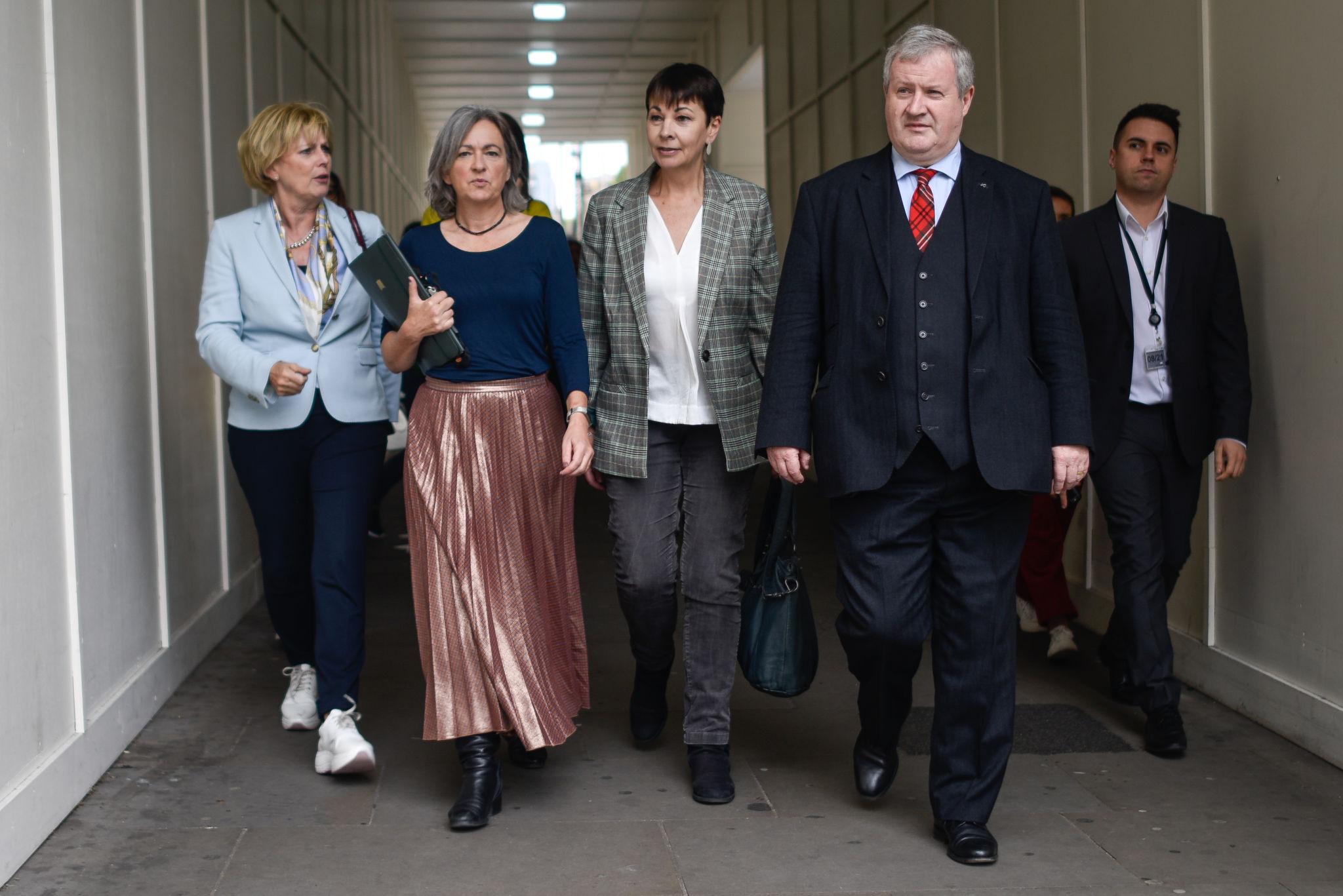
Financial Markets Monitor Political Uncertainty
Financial markets are also closely watching the latest UK cabinet resignation developments because political instability can affect investor confidence and economic sentiment.
Several economists warn that uncertainty surrounding government leadership may influence market perceptions regarding future fiscal policy and economic planning.
Britain continues facing elevated borrowing costs and inflation concerns, making political stability especially important for investor confidence.
The latest political tensions have therefore added another layer of uncertainty to Britain’s broader economic outlook during 2026.
Opposition Parties Increase Criticism of Government
Opposition parties quickly intensified criticism following the latest UK cabinet resignation announcements. Several lawmakers accused the government of becoming distracted by internal disputes while households continue dealing with economic pressure.
Parliamentary debates became increasingly confrontational after opposition leaders demanded greater transparency regarding the reasons behind the resignations.
Some critics argue repeated departures may weaken public trust in the administration’s ability to manage major policy challenges.
Others believe the government can still recover politically if future policy decisions restore confidence among voters and investors.
Historical Perspective on Cabinet Resignations in Britain
Britain has experienced several major political periods where ministerial resignations significantly shaped public debate and political momentum.
Political historians note that cabinet resignations have often reflected broader tensions involving leadership disputes, economic conditions, or controversial policy decisions.
The current UK cabinet resignation situation is already drawing comparisons to previous periods of instability inside Westminster where leadership pressure intensified following multiple ministerial exits.
Experts say public perception often determines whether resignations become temporary controversies or evolve into larger political crises.
Public Confidence Remains Under Pressure
The latest UK cabinet resignation controversy has generated strong discussion among voters as concerns about political stability continue growing.
Many households across Britain remain focused on inflation, living costs, and economic uncertainty. Analysts warn that repeated political disputes may increase frustration among voters already dealing with financial pressure.
Some observers believe restoring confidence will require stronger communication from government leaders regarding long-term policy goals and cabinet unity.
Another political commentator stated,
“Public confidence becomes extremely important during periods of political and economic uncertainty.”
Media Attention Intensifies Across Britain
British media coverage surrounding the UK cabinet resignation controversy has expanded significantly over recent days. News outlets continue analyzing whether the departures reflect isolated disagreements or broader instability inside government leadership.
Political commentators say cabinet controversies often dominate national headlines because they directly affect public perceptions of government effectiveness.
The repeated focus on UK cabinet resignation developments has also increased pressure on senior ministers to demonstrate unity moving forward.
Several analysts believe future policy announcements will now face heightened public and media scrutiny.
Analysts Debate Long-Term Political Impact
Political experts remain divided regarding how damaging the UK cabinet resignation controversy may become for the government in the long term.
Some believe the administration can stabilize the situation through stronger internal coordination and clearer policy messaging. Others warn additional resignations or political disputes could deepen leadership concerns.
One Westminster observer stated,
“Governments often survive periods of turbulence, but public trust becomes harder to rebuild if controversies continue.”
The broader political environment in Britain remains highly sensitive as economic uncertainty and leadership scrutiny continue shaping public debate.
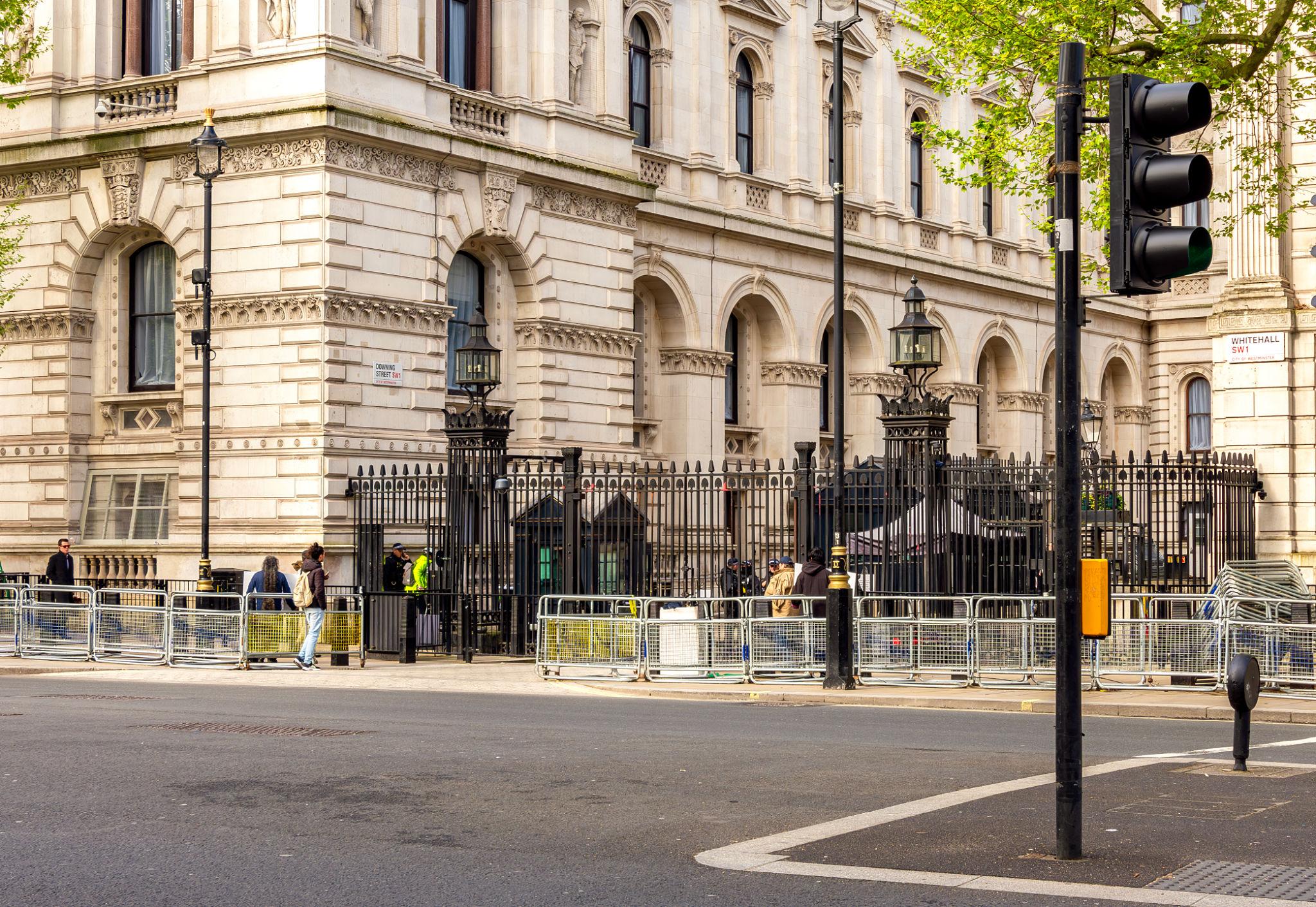
Government Stability Faces Growing Scrutiny
Britain’s political environment remains under intense scrutiny as the latest UK cabinet resignation developments increase pressure on Prime Minister Keir Starmer and his administration.
The combination of political instability, economic uncertainty, and rising public frustration is creating a difficult environment for government leaders during 2026. Analysts believe maintaining cabinet unity and restoring public confidence will remain essential priorities moving forward.
As political debate intensifies across Westminster, the long-term impact of the resignations may depend largely on whether the government can stabilize internal tensions and refocus public attention on economic management and national policy goals.