


SAN FRANCISCO, California (Politics Parliament Magazine) wearable AI technology is rapidly becoming one of the fastest-growing sectors in the global consumer electronics market as technology companies race to develop smarter wearable devices capable of reshaping communication, entertainment, navigation, and digital interaction. Major corporations including Meta, Apple, Google, Samsung, and several Chinese manufacturers are investing billions into wearable ecosystems powered by artificial intelligence.
The growing demand for AI-powered smart glasses, voice assistants, and augmented reality systems is intensifying speculation that wearable devices may eventually reduce consumer dependence on smartphones.
Technology analysts say the rapid expansion of wearable AI technology represents the next major evolution in personal computing.
“Wearable AI could become as transformative as smartphones were during the mobile technology revolution,”
one technology strategist recently stated.
Global Technology Firms Accelerate Wearable Expansion
The rapid growth of wearable AI technology has triggered aggressive competition among major global technology companies seeking leadership in next-generation consumer electronics.
Meta continues expanding AI-enabled smart glasses through its Ray-Ban partnership, while Apple reportedly increases investment into augmented reality and wearable AI ecosystems. Google and Samsung are also developing advanced AI-powered wearable products designed to integrate directly into daily life.
Technology firms are focusing heavily on:
- Voice-controlled AI assistants
- Smart eyewear
- Real-time translation
- AI-powered navigation
- Augmented reality displays
- Personalized digital experiences
Industry experts believe wearable devices could eventually become central to future internet access and communication systems.
Wearable AI Market Growth
| Sector | Estimated 2026 Value |
|---|---|
| Smart Glasses Industry | $48 Billion |
| Wearable AI Devices | $92 Billion |
| Augmented Reality Systems | $67 Billion |
| Consumer Wearables | $145 Billion |
Key Industry Trends
- Smart glasses adoption continues increasing
- AI-powered devices gain consumer attention
- Technology companies raise wearable spending
- Augmented reality markets expand globally
- Semiconductor demand remains strong
Artificial Intelligence Drives Smart Wearable Devices
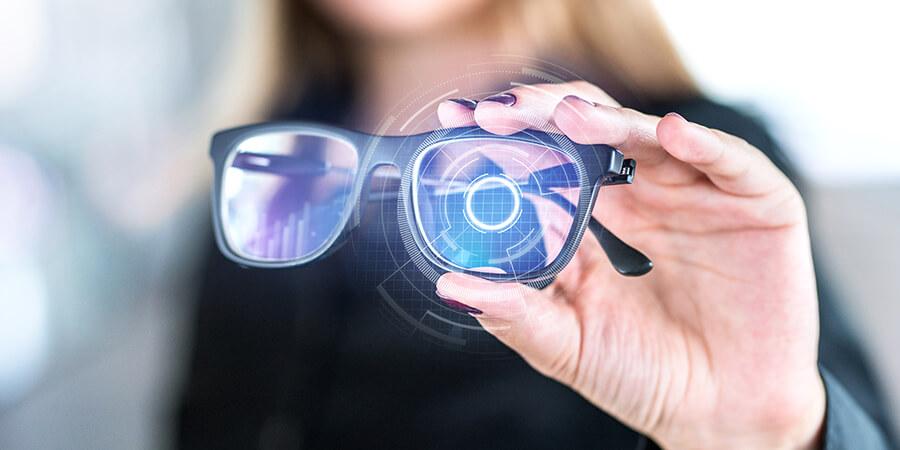
Artificial intelligence remains the foundation behind the growing wearable AI technology sector. AI systems allow wearable devices to understand voice commands, recognize environments, process visual information, and provide personalized digital assistance in real time.
Modern wearable AI systems can now:
- Translate conversations instantly
- Deliver navigation guidance
- Provide search results through voice interaction
- Record and organize media
- Monitor health and activity data
The integration of AI into wearable devices is also improving accessibility for disabled users and expanding hands-free digital communication.
Technology companies believe AI-powered wearable products may eventually create more seamless digital experiences compared to traditional smartphones.
“Artificial intelligence is making wearable devices smarter and more useful for everyday consumers,”
one consumer electronics executive recently explained.
History of Wearable Technology Evolution
The rapid expansion of wearable AI technology follows decades of technological innovation within consumer electronics and mobile computing.
Major Consumer Technology Eras
| Era | Technology |
|---|---|
| 1980s | Personal Computers |
| 1990s | Internet Expansion |
| 2000s | Smartphones |
| 2010s | Smart Devices |
| 2020s | Wearable AI |
Technology historians say each major technology transition reshaped communication and consumer behavior. Many analysts believe wearable AI could become the next major shift in personal computing.
Privacy and Security Concerns Continue Rising
Despite growing excitement surrounding wearable AI technology, privacy advocates and cybersecurity experts continue raising concerns about data collection and surveillance risks.
Critics warn wearable AI devices equipped with cameras, microphones, and facial recognition systems may create new privacy challenges involving:
- Consumer surveillance
- Unauthorized recordings
- Personal data collection
- Facial recognition tracking
Governments worldwide are increasingly discussing regulations involving artificial intelligence, wearable devices, and consumer privacy protections.
At the same time, technology companies insist privacy safeguards remain a central focus of product development strategies.
“Balancing innovation and privacy will remain one of the biggest challenges facing wearable technology companies,”
one cybersecurity analyst recently warned.
Could Wearable Devices Replace Smartphones?
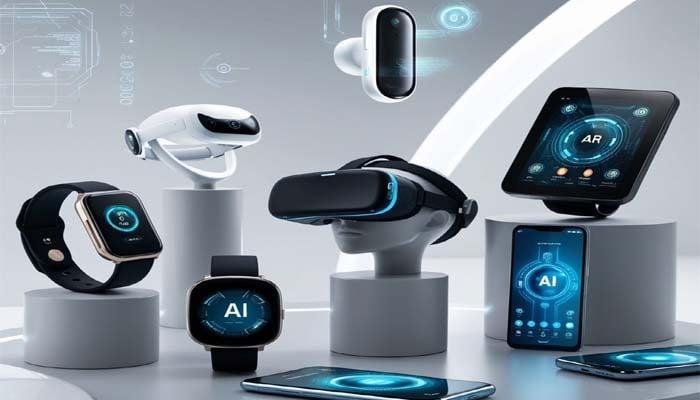
The growing wearable AI technology market has intensified debate over whether smart glasses and AI-powered wearables could eventually replace smartphones entirely.
Many analysts believe smartphones will remain dominant for years, but wearable devices may increasingly reduce the need for constant phone interaction.
Potential advantages of wearable AI include:
- Hands-free communication
- Faster information access
- AI-powered assistance
- Real-time digital overlays
- Improved mobility
Technology companies are increasingly building interconnected ecosystems where wearable devices operate alongside smartphones rather than completely replacing them.
