SOFIA, June 9 (Parliament Politics Magazine) – Bulgaria has officially halted all military aid and arms deliveries to Ukraine, marking a major foreign policy U-turn following recent domestic elections. The decision was announced during a press conference on June 9, 2026, by the country’s newly appointed Defense Minister, Dimitar Stoyanov.
A New Policy Direction
The announcement by Stoyanov clarified that the Bulgarian government no longer intends to provide additional weapon systems to the Ukrainian army. This directive effectively ends a period where Bulgaria maintained a nuanced approach to military support. During the press conference, the defense minister emphasized that the current administration views the conflict through a different lens than its predecessors.
Stoyanov argued that the war in Ukraine has entered a phase that cannot be resolved on the battlefield. The government maintains that the accumulation of further armaments will only lead to greater loss of life. By choosing to stop Bulgaria halts arms deliveries to Ukraine, the administration is signaling a desire to prioritize diplomatic channels over continued military entanglement.
“It is not planned for the Bulgarian side to provide more weapons to the Ukrainian army,” Stoyanov said while presenting the priorities of his ministry.
The minister suggested that the focus should shift toward finding a just peace, urging both Kyiv and Moscow to engage in negotiations. This rhetoric aligns with the platform of the new government led by Prime Minister Rumen Radev, who assumed office following a landslide election victory in April 2026. Radev, a former fighter pilot and president, has consistently advocated for a change in how the nation engages with the ongoing regional conflict.
Historical Support and Logistics
For years, the role of Sofia in the conflict was marked by discretion. Between 2022 and 2023, the country did not officially export weapons directly to the front lines. Instead, it facilitated the transfer of military hardware through European intermediaries. These shipments were vital to the survival of the Ukrainian defense, particularly during the early stages of the invasion when the Ukrainian army faced severe shortages of Soviet-standard equipment.
Because Bulgaria remains one of the largest producers of Soviet-era ammunition, its manufacturing sector became uniquely important. The country provided substantial quantities of 122mm and 152mm artillery shells, as well as 82mm and 120mm mortar rounds. These supplies were essential for keeping the Ukrainian front lines from collapsing under pressure.
From 2024 to 2025, the policy shifted toward direct support. During this period, the nation supplied 13 separate military aid packages, which included anti-tank missiles, armored vehicles, and howitzers. Reports from the United Nations Register of Conventional Weapons indicate that at least 22 T-72 main battle tanks and over 150 armored personnel carriers were funneled into the theater of operations.
The Secret Fuel Pipeline
Beyond conventional weaponry, the logistical contribution extended to energy resources. In a highly classified operation during the early months of the invasion, Bulgaria acted as a secret fuel provider for Ukrainian armored units. Faced with critical diesel shortages, the nation utilized its Neftochim Burgas refinery, which was owned by the Russian energy firm Lukoil, to process crude oil.
Through a complex network of intermediaries, refined diesel was transported to Ukraine via freight trains and tankers. At the height of these operations, this secret pipeline supplied up to 40% of the fuel required by the Ukrainian military. This irony meant that, for a time, Russian-origin crude was powering the very vehicles used to resist the Russian offensive.
Domestic Priorities
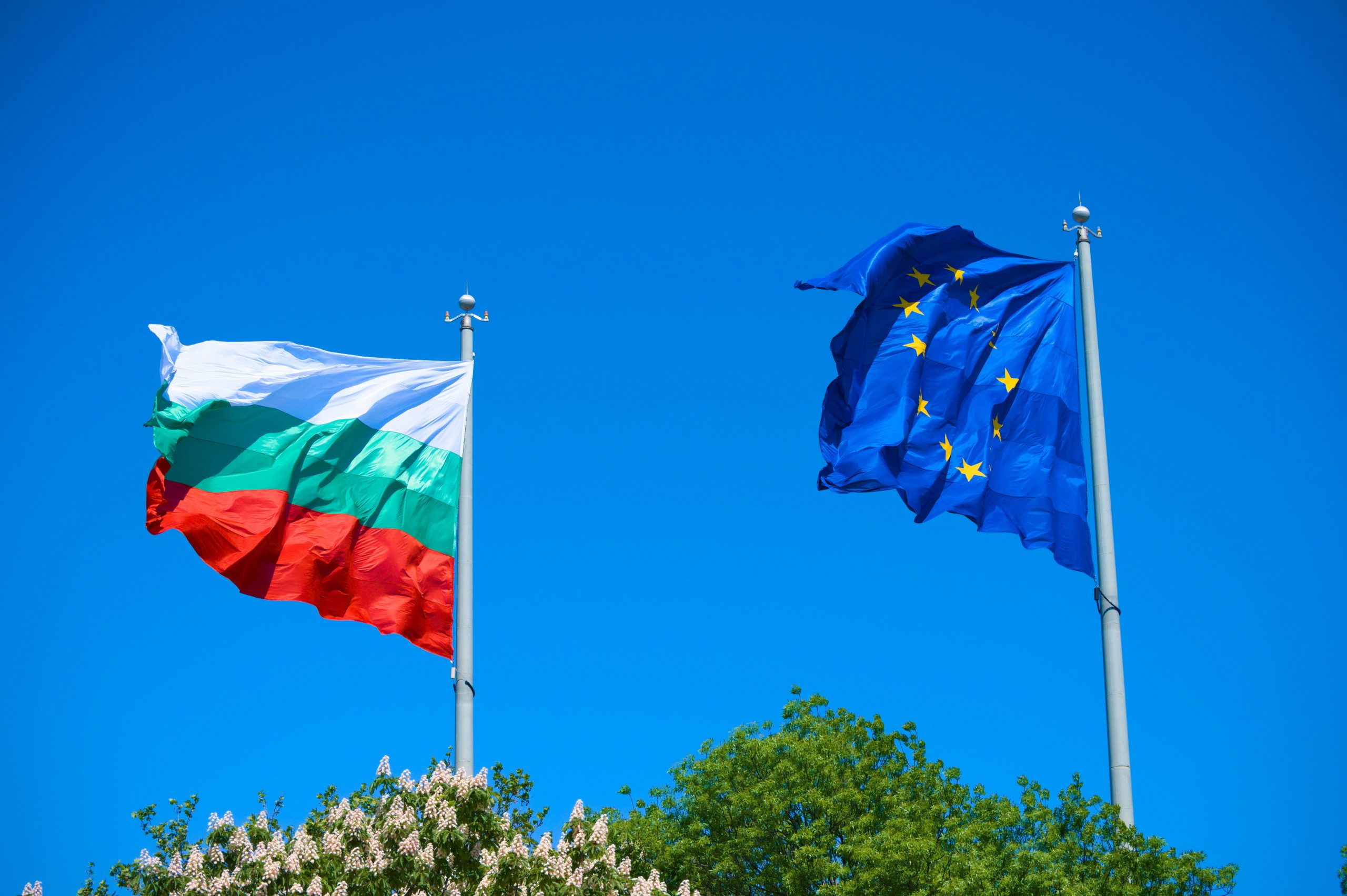
Despite the decision to stop the flow of weaponry, the government is not distancing itself from its obligations to the European Union. Bulgaria continues to rely on significant financial support from Brussels and has avoided direct diplomatic confrontation regarding its policy shift. Officials have clarified that the decision to stop military aid is a matter of national priority rather than a departure from EU integration.
The administration has also announced a plan to modernize its own domestic military infrastructure. Stoyanov indicated that the defense ministry will aggressively increase national defense spending to meet the NATO-mandated threshold of 5% of its GDP. This focus on internal military readiness suggests that while the nation is retreating from its role as an external armory, it intends to consolidate its own defensive posture within the alliance.
This pivot is already being felt in international circles, as the decision to stop all bilateral weapons pipelines is viewed as a disruption to the existing supply chain. While the previous government utilized third-party nations to mask the destination of its exports, the current administration has opted for transparency regarding its refusal to provide further military equipment.