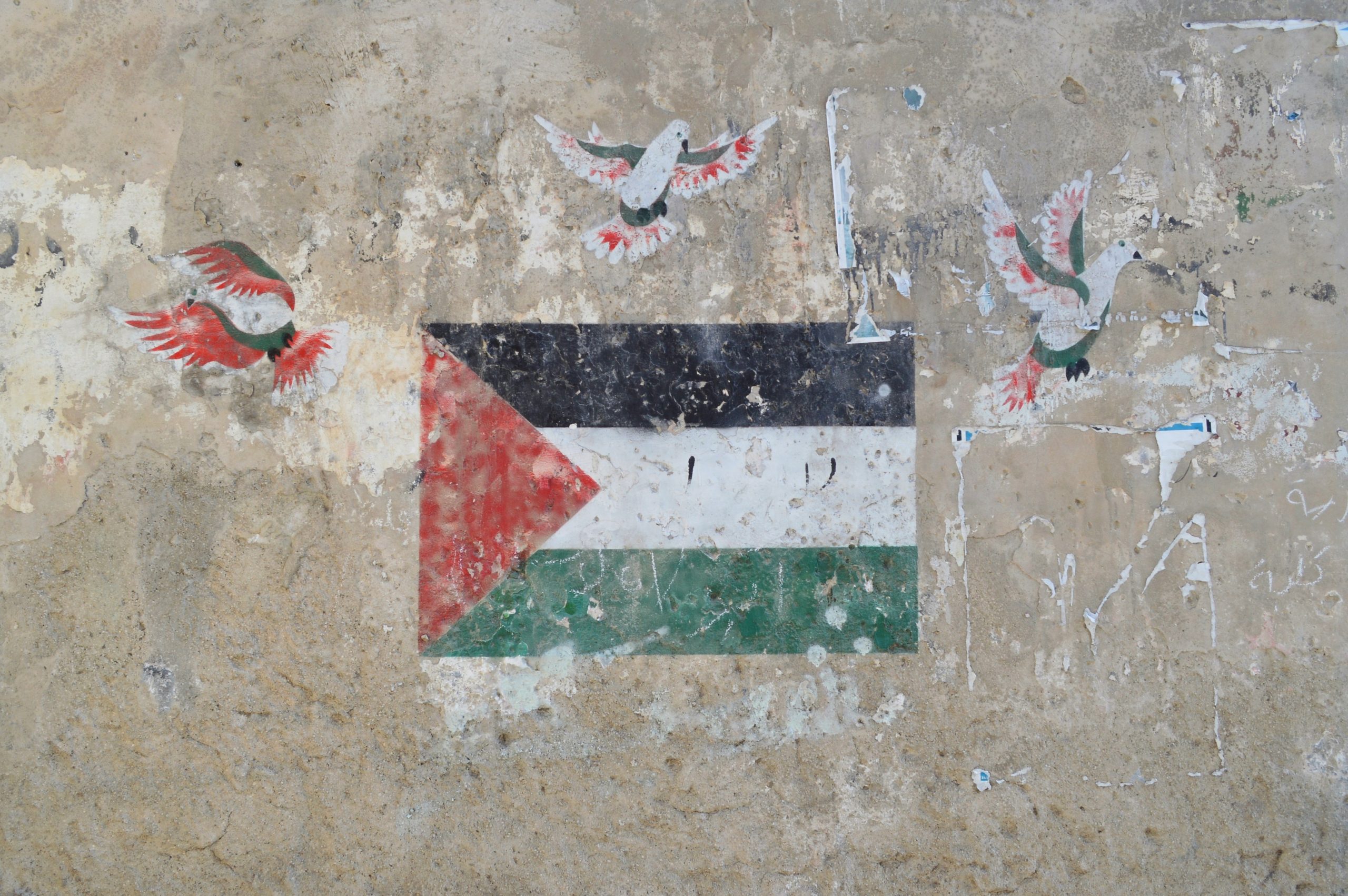
PARIS, June 12 (Parliament Politics Magazine) – Israeli and Palestinian civil society representatives convened in PARIS on Friday to pressure the international community against abandoning the two-state solution. The meeting arrives as France attempts to maintain diplomatic engagement during the ongoing Middle East war. The gathering serves as a one-year follow-up to the United Nations-backed New York Declaration.
That roadmap prompted several nations, including France, Britain, and Canada, to recognize a Palestinian state. Attendees included foreign ministers and senior officials from various countries. The conference focused on the challenges currently facing a two-state solution in a region defined by instability. Organizers emphasized that the diplomatic effort remains a critical priority for regional security and long-term peace.
A Call for International Action
The meeting concluded with the creation of an eight-point document titled Call for Action. This plan demands a permanent ceasefire, a total halt to settlement expansion, reconstruction efforts for Gaza, and governance reforms. It also urges stronger international backing for civil society organizations working on the ground.
The document will be presented to G7 leaders who are scheduled to meet in the French Alps beginning Monday. The proposal highlights that the region is currently fracturing, with Gaza facing devastation while Israel remains under threat.
According to the action plan reviewed by Reuters, the survival of a two-state solution is being undermined by specific policies. These include settler terrorism, the expansion of settlements, and de facto annexation, all of which continue to erode the viability of a future Palestinian state.
The organizers expressed urgency regarding the remaining opportunities for diplomacy. They noted that while the window for a two-state solution remains open, it is rapidly narrowing.
Escalating Violence in the West Bank
The conference was framed by growing concerns over violence in the occupied West Bank. Many Western nations have expressed increasing frustration toward Prime Minister Benjamin Netanyahu’s government regarding the acceleration of settlement expansion.
Diplomatic sources suggest that these expansions are designed to dismantle the prospects of a two-state solution. A central point of contention is the E1 project, an Israeli plan to build a settlement east of Jerusalem.
The construction of the E1 project would bisect the West Bank. This separation would effectively cut off the area from East Jerusalem and fragment the land that Palestinians intend to use for an independent state.
In response to the deteriorating situation, Britain, Canada, France, and Norway recently coordinated new sanctions. These measures target Israeli networks suspected of financing, enabling, or carrying out violence in the occupied West Bank.
Official Response and Boycotts
The conference took place despite the absence of participation from Israel and the United States. Neither government sent representatives to the event.
The Israeli embassy stated that its ambassador was invited but chose not to attend. The embassy explained that the conference had no role in promoting genuine peace.
“France cannot act as a mediator between Israel and the Palestinians. Regarding the two-state solution, the ambassador recalls that the Palestinians have rejected proposals to establish a Palestinian state on five occasions,” the Israeli embassy stated.
Despite the boycott, participants highlighted the role of grassroots efforts. The Parents Circle-Children’s Forum, a group representing over 600 families who have lost loved ones to the conflict, participated in the event.
These bereaved Israeli and Palestinian parents argued that their shared experiences grant them the moral authority to demand peace. They suggested that reconciliation remains possible at the community level even when formal diplomatic channels are blocked.
As the G7 summit approaches, the participants hope their message reaches world leaders. The success of the two-state solution remains a central theme for these groups, who believe that international pressure is the only path to halt the ongoing cycle of violence.