
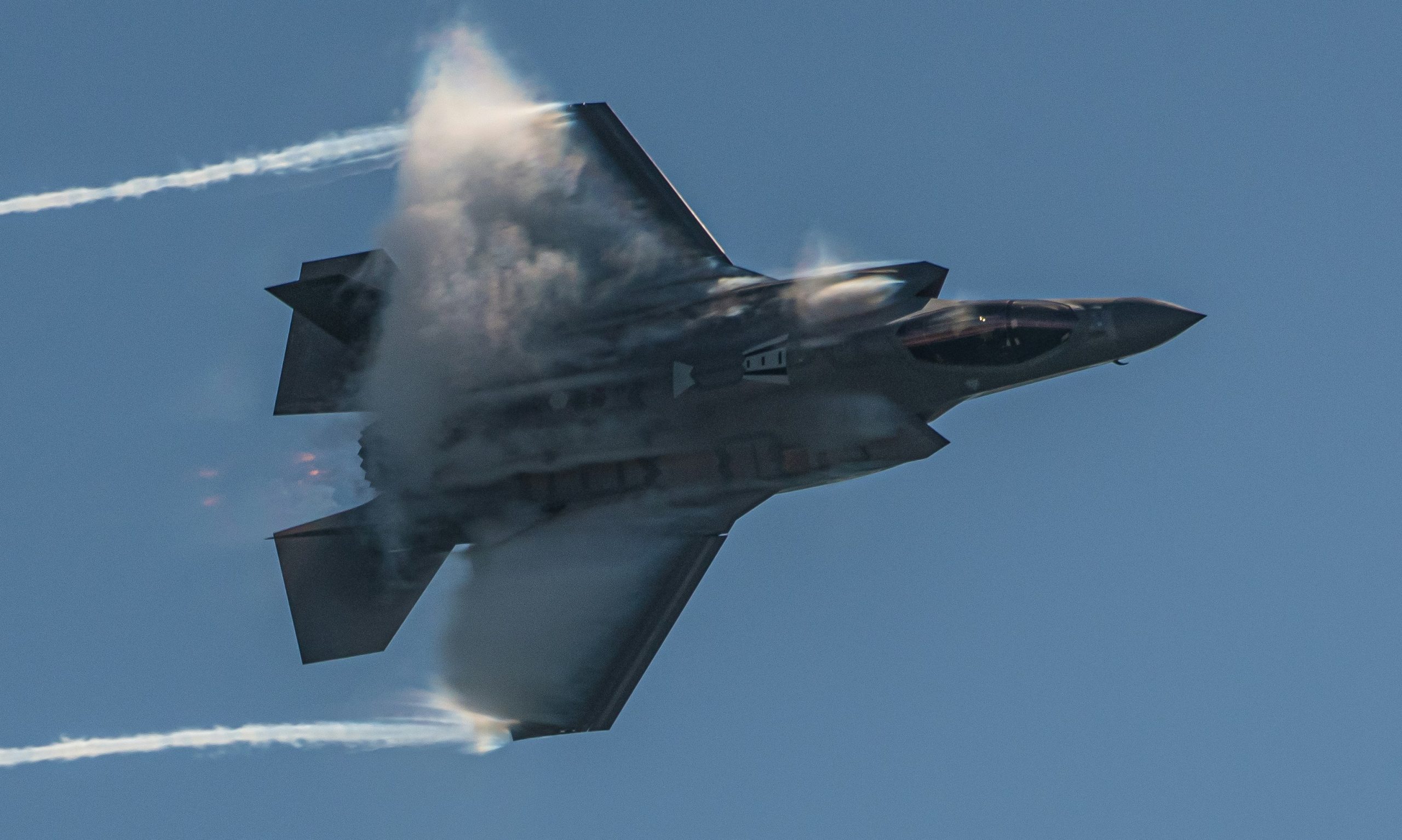
WASHINGTON, June 12 (Parliament Politics Magazine) – The United States plans a significant reduction in the aircraft and warships it allocates for NATO operations in Europe. According to an exclusive report by the New York Times on Friday, citing two senior European officials, the decision directly limits the alliance’s ability to conduct surveillance and launch long-range strikes.
The plan involves cutting the number of F-16 and F-15E fighter jets available from approximately 150 to 100. Furthermore, the U.S. intends to reduce maritime reconnaissance aircraft from 26 to 15 while removing all eight aerial refueling tanker jets previously assigned to the region. The drawdown also includes reallocating one of two bomber groups previously dedicated to European defense.
Naval Forces Redeployed
The shift extends to maritime assets, with the U.S. aiming to redeploy an aircraft carrier, its accompanying strike group, and a missile-launching submarine. These changes follow earlier indications of a shifting military posture. The U.S. Eastern Command stated last week that it would rightsize its contributions to the NATO Force Model, though it did not provide specific details on the scope of the reductions.
The administration of President Donald Trump has consistently criticized European governments for what it describes as an over-reliance on American military protection. Officials have repeatedly urged allies in both Europe and Asia to increase their defense spending to 3.5% of GDP.
Britain Faces Defense Gaps
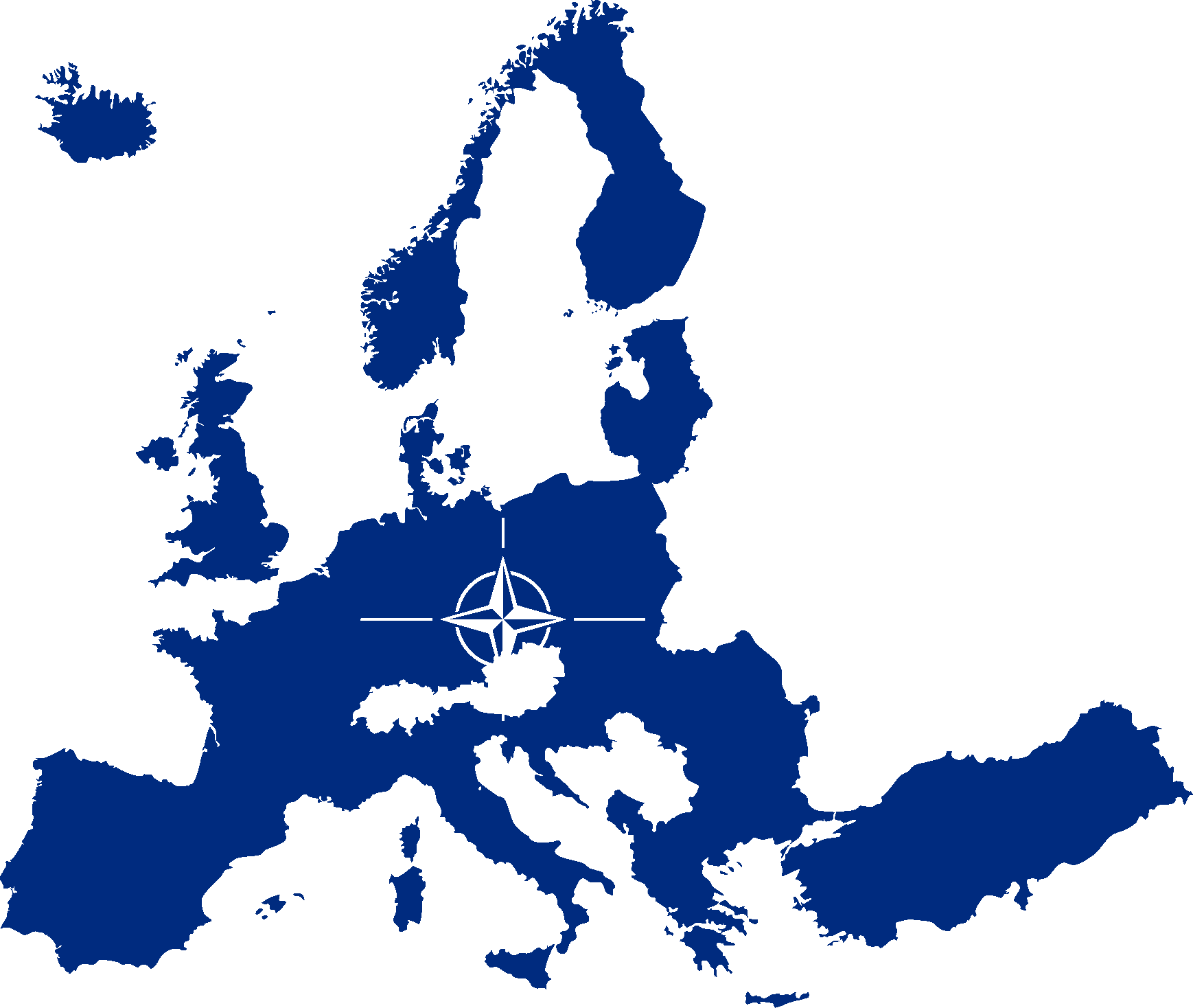
The planned reduction in American aerial refueling and maritime surveillance assets creates a substantial capability gap that leaves the United Kingdom more vulnerable to increased Russian activity. The UK relies heavily on U.S. refueling tankers to maintain the long-range endurance of its own Typhoon and F-35 fighter jets for North Sea patrols and airspace defense.
The removal of these assets, alongside a significant cut in American maritime reconnaissance planes, introduces blind spots in the waters surrounding the UK. This creates challenges for tracking foreign submarines moving through the Greenland-Iceland-UK gap. Additionally, the departure of the U.S. carrier strike group forces the Royal Navy to overstretch its limited fleet to cover areas previously protected by American forces.
Financial Strain on Allies
The sudden shift has triggered significant domestic political tension in the United Kingdom. Observers report that the reallocation of U.S. strategic assets complicates logistical support for the UK’s nuclear deterrent, which relies on American-leased Trident missiles. The situation places extreme pressure on the UK government, which has been aiming for a 2.5% GDP defense spending target, to suddenly bridge the gap left by the departing U.S. capabilities.
“The U.S. military drawdown in Europe significantly reduces NATO’s regional defense capabilities, forcing a financially constrained United Kingdom to address critical gaps in sub-hunting and aerial refueling,” according to the report.
While the U.S. military has signaled an intent to reallocate resources toward the Indo-Pacific region, neither the Pentagon nor NATO have issued a formal response to the specific figures reported. The adjustments arrive as European allies grapple with the immediate requirement to invest more in domestic hardware or risk a diminished regional security umbrella.