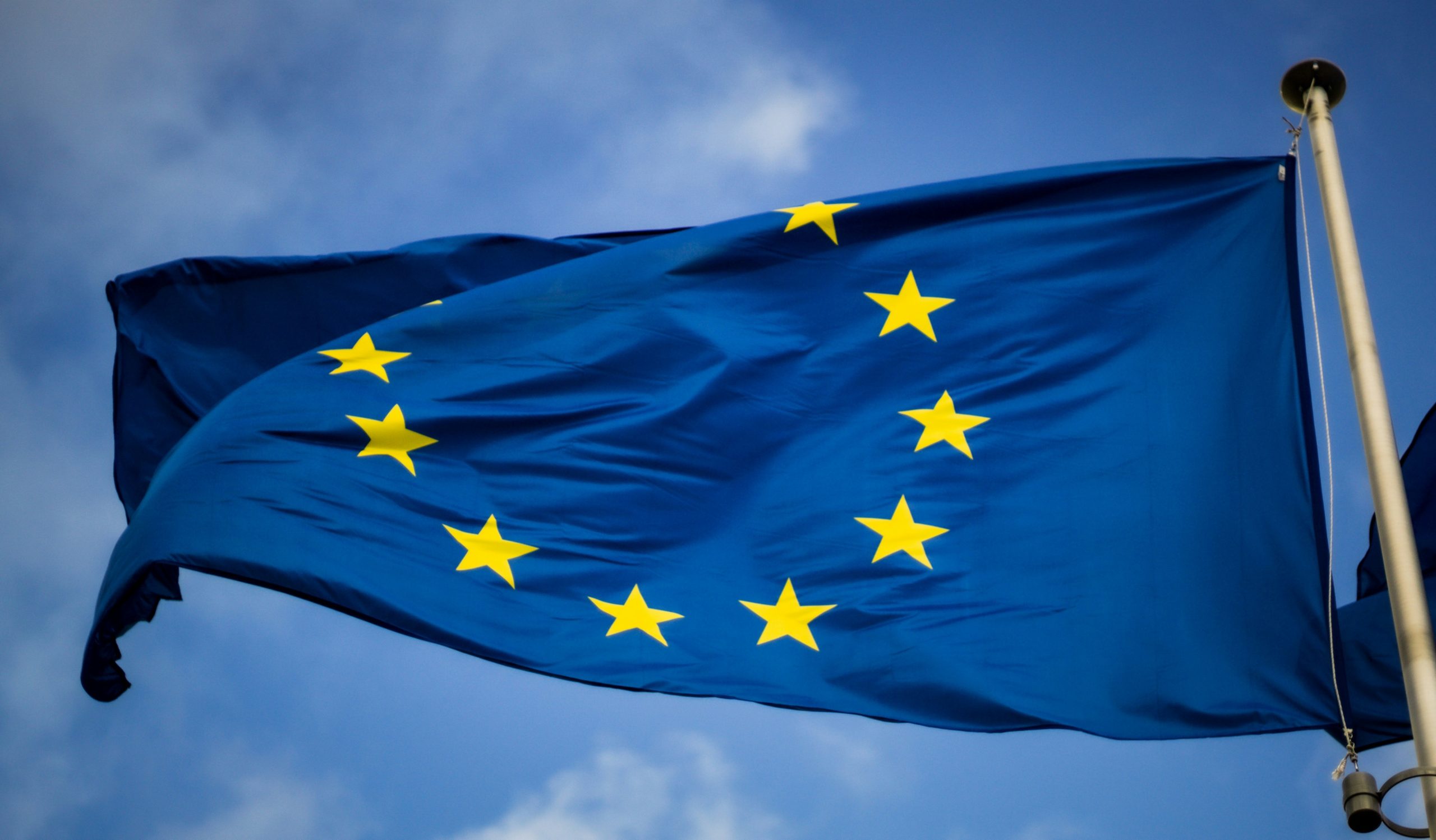
ZURICH, June 14 (Parliament Politics Magazine) – Swiss voters rejected a proposal to cap the nation’s population at 10 million in a Sunday referendum. The initiative, which sparked fears of a diplomatic clash with the European Union, failed as 55% of voters prioritized economic stability and ongoing freedom of movement over stricter immigration controls.
The Rejected Sustainability Initiative
Spearheaded by the right-wing Swiss People’s Party, the “Sustainability Initiative” aimed to mandate strict population limits. The proposal included a critical trigger: if the population surpassed 9.5 million, the government would have been legally obligated to tighten asylum laws and restrict family reunifications. Most controversially, if the 10-million threshold were breached for two consecutive years, Switzerland would have been forced to terminate its free movement of persons agreement with the European Union.
Business leaders, the Federal Council, and the parliamentary majority strongly campaigned against the initiative. They argued that such a move would undermine the nation’s economic health by severing ties with its largest trading partner. Switzerland currently maintains a complex web of bilateral agreements that grant it access to the single market, and the prospect of tearing up these accords was widely viewed as a threat to national prosperity.
Economic Concerns Drive Voting Outcome
The debate centered heavily on the necessity of foreign labor. With the current population standing at 9.1 million, Switzerland has experienced rapid demographic growth since the bilateral accords were introduced in 2002. Proponents of the cap, particularly in rural, conservative cantons, highlighted significant infrastructure strains, including rising rents, overcrowded public transport, and pressure on social services.
However, the opposition successfully convinced a majority of voters that the potential economic fallout outweighed these concerns. Monika Ruhl, director of the employers’ organization economiesuisse, expressed relief following the results, stating: “We are very relieved and happy. This is an important result for our country and for our relations with the EU.”
Economists warned that sectors such as healthcare, hospitality, technology, and pharmaceuticals would face severe labor shortages if the free movement of workers ended. By rejecting the initiative, voters prioritized the stability of the Swiss economy and the integrity of existing international arrangements.
Parallel Vote on Military Service
In a separate ballot held on the same day, Swiss voters approved an amendment to the Civilian Service Act. This measure, which passed with 53% of the vote, aims to make opting out of mandatory military service less attractive. Parliament proposed the reform to ensure the Swiss Armed Forces maintain adequate personnel levels amid shifting geopolitical security threats.
The new regulations introduce a mandatory 150-day service floor for those transferring to civilian roles, regardless of prior military training. While the population referendum dominated headlines, this military-linked change received significant attention from political parties concerned with social and healthcare staffing. Opponents of the reform, including left-leaning groups, argued that it would create critical gaps in sectors that rely on civilian service workers.
Future Challenges for Switzerland
While the rejection of the population cap provides immediate stability, the vote highlighted deep divisions within the electorate. The strong 45% support for the initiative demonstrates that a substantial portion of the population remains concerned about the impact of ongoing demographic growth. As the nation approaches the projected population milestones for the 2040s, policymakers will likely face continued pressure to address infrastructure and housing challenges through domestic policy rather than immigration restrictions.
The outcome reaffirms Switzerland’s commitment to its current path of integration, preserving the essential framework that links its prosperity to the broader European Union.