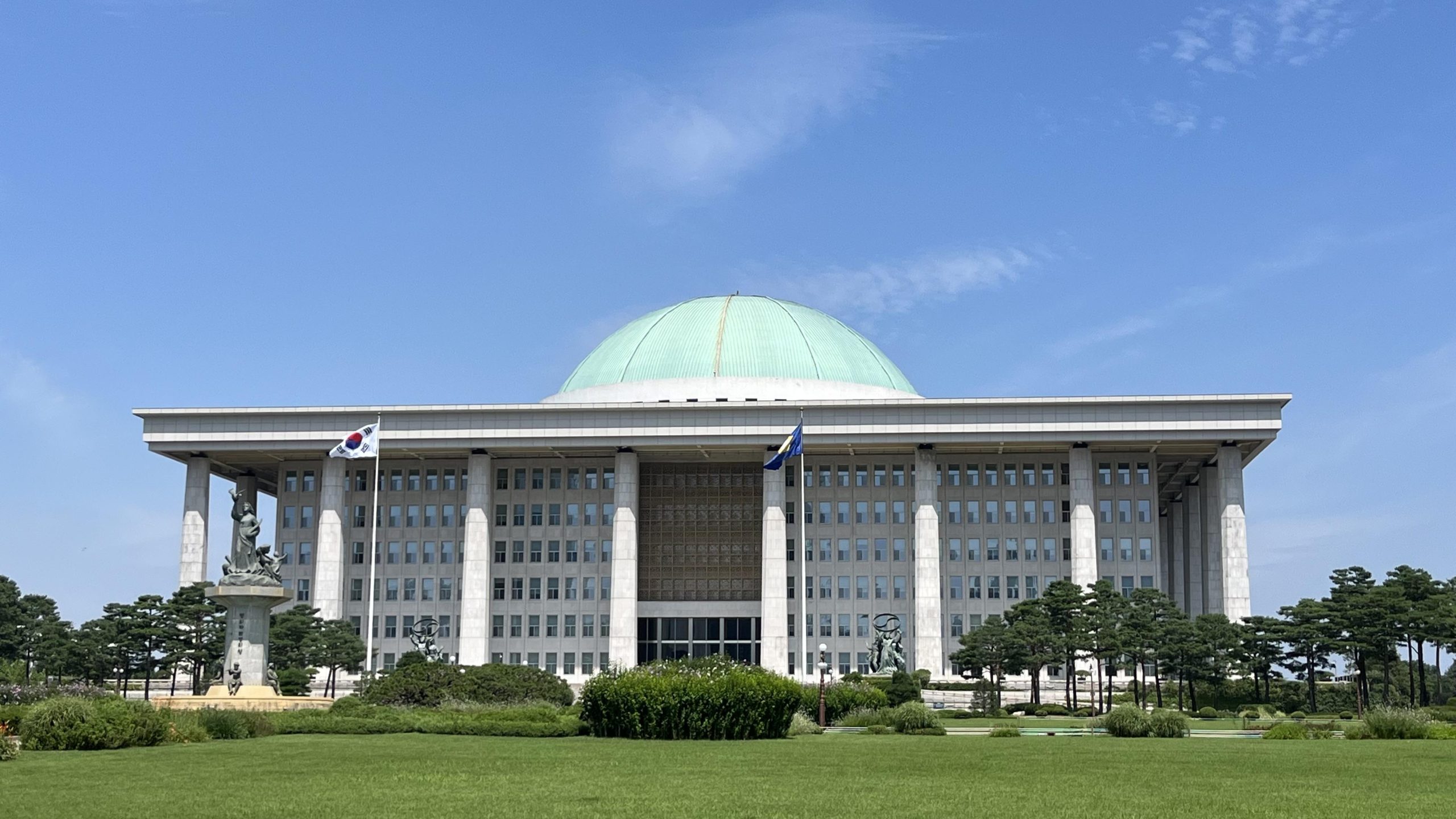
Seoul, South Korea, June 19 (Parliament Politics Magazine) – South Korea democracy is once again at the center of national attention after President Lee called for a comprehensive overhaul of election management following operational shortcomings during the country’s latest vote. The president said strengthening public confidence requires transparent reviews and practical reforms, emphasizing that South Korea democracy grows stronger when institutions respond openly to challenges rather than ignore them.
“Democracy becomes stronger when institutions continue to improve,” President Lee said.
Lee Says Election Management Must Earn Public Confidence
President Lee stated that the recent election highlighted areas where administrative procedures can be improved without questioning the legitimacy of the overall result. According to the president, South Korea democracy depends not only on free elections but also on efficient election administration that gives every voter confidence in the process.
Government officials are expected to review polling operations, voter services, ballot management, and administrative systems before future elections. The review is intended to improve transparency while preserving the independence of election authorities. Observers say South Korea democracy has historically benefited from institutional reviews following major elections.
“Public trust is built through accountability and transparency,” Lee added during his remarks.
Why the Latest Vote Sparked Calls for Reform
The latest election proceeded peacefully, but reports of administrative errors and logistical challenges prompted fresh debate over election management. Political analysts noted that even limited operational problems can affect public perception. Supporters of reform argue that South Korea democracy should continue evolving to meet higher public expectations and maintain confidence in electoral institutions.
Election specialists believe that updated technology, improved staff training, and clearer communication with voters could reduce future administrative issues while strengthening South Korea democracy for years to come.
A Look Back at the History of South Korea Democracy
The history of South Korea democracy has been shaped by decades of political reform and public participation. Since the democratic transition in the late 1980s, the country has held competitive national elections while continually improving electoral laws and oversight. These reforms have helped establish South Korea democracy as one of Asia’s strongest democratic systems, supported by active civic engagement and independent institutions.
“Every election offers an opportunity to strengthen democratic institutions,” a constitutional expert said.
What Comes Next After Lee’s Reform Proposal
Officials are expected to begin consultations with election administrators, legal experts, and civic organizations before recommending any policy changes. While the scope of reform remains under discussion, President Lee has emphasized that the objective is to reinforce South Korea democracy through greater efficiency, accountability, and transparency. Political observers say the coming months will determine how South Korea democracy adapts to new administrative challenges while maintaining public trust.
What Happens Next?
South Korea democracy remains one of Asia’s most established democratic systems, but President Lee’s latest call for election management reforms signals that further institutional improvements are under consideration. As authorities review the recent vote, policymakers aim to strengthen election administration and ensure South Korea democracy continues to maintain public confidence through transparent and accountable governance.