SEOUL, South Korea (Parliament Politics Magazine) Japan military logistics has emerged as a key topic in regional defense discussions as South Korea and Japan continue exploring a potential logistics-support framework designed to strengthen operational readiness and improve coordination. The talks come amid evolving security conditions across Northeast Asia and growing interest in practical defense cooperation among regional partners.
The discussions reflect a broader trend toward increased military preparedness and strategic coordination throughout the Indo-Pacific. Officials from both countries have emphasized that the focus remains on logistics support and operational efficiency rather than broader military integration.
The latest Japan military logistics discussions have attracted attention from defense experts, policymakers, and international observers monitoring regional security developments.
“Logistics capabilities often determine how effectively military forces can respond during emergencies and crises.”
Defense Cooperation Expands Beyond Traditional Planning
The current focus on Japan military logistics demonstrates how defense cooperation is evolving in response to modern security challenges.
Military planners increasingly recognize that readiness depends not only on personnel and equipment but also on efficient transportation, supply management, maintenance support, and operational coordination.
As security environments become more complex, governments are seeking practical ways to improve preparedness without significantly altering existing defense structures.
The discussions represent one example of how countries are adapting to changing strategic conditions through enhanced cooperation.
Logistics Support Becomes a Strategic Priority
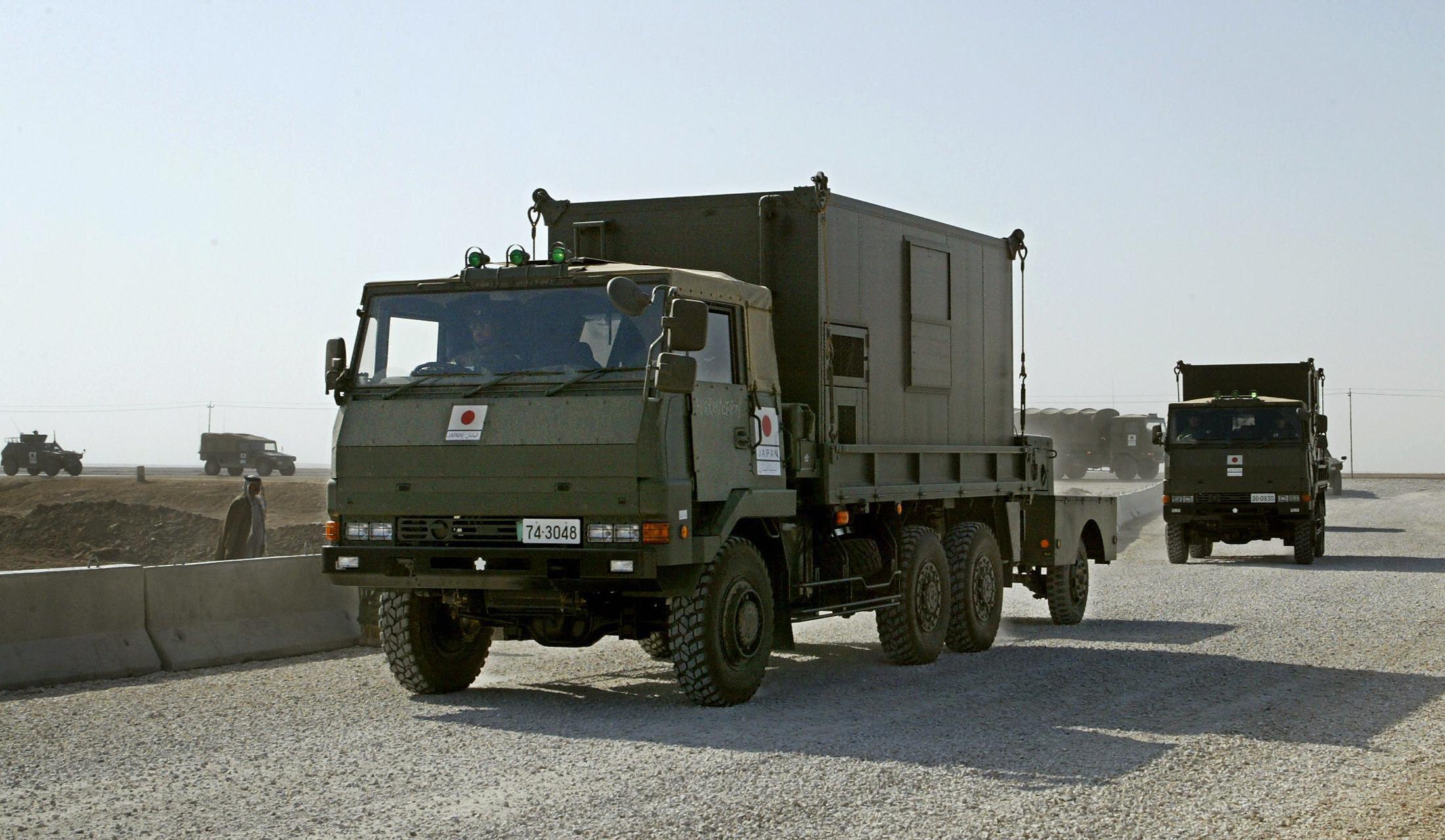
The proposed framework involving Japan military logistics centers on practical support functions that can improve operational effectiveness.
Defense specialists note that logistics agreements can facilitate the movement of equipment, fuel, supplies, and personnel during emergencies, training exercises, and humanitarian missions.
Such arrangements often serve as important building blocks for broader defense cooperation because they focus on operational efficiency rather than combat activities.
The growing importance of logistics planning reflects changing priorities within modern defense strategies.
Regional Security Conditions Influence Policy Decisions
The latest Japan military logistics discussions are taking place amid heightened attention to regional security concerns.
Governments throughout Northeast Asia continue evaluating challenges related to maritime security, missile defense, and emergency preparedness. These factors have encouraged policymakers to strengthen communication and coordination mechanisms.
Security analysts believe practical cooperation initiatives may help improve resilience while supporting broader stability objectives.
The discussions also reflect efforts to ensure military forces can respond effectively to a wide range of scenarios.
“Preparedness often depends on cooperation long before a crisis occurs.”
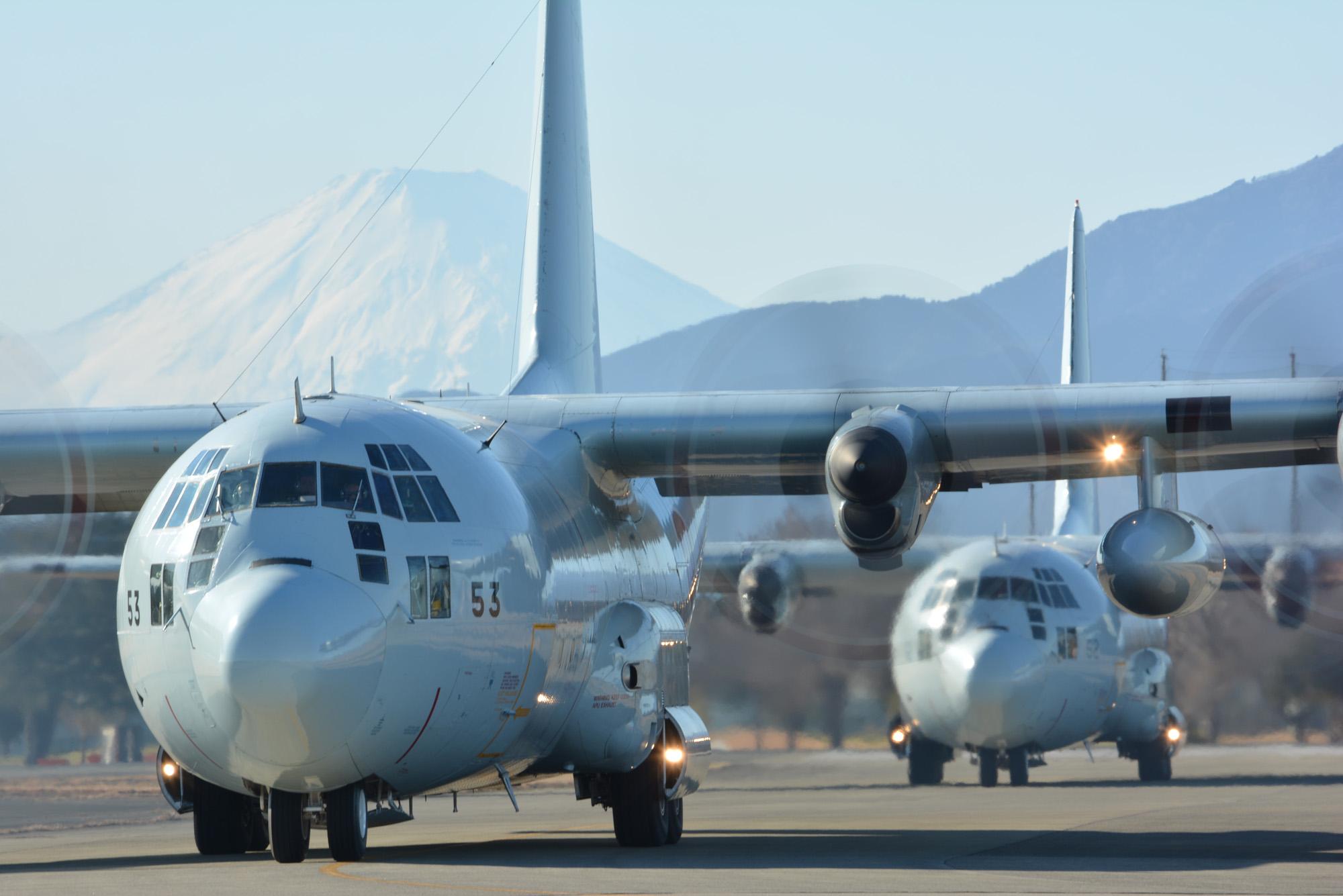
South Korea and Japan Continue Building Communication
The focus on Japan military logistics also highlights the importance of maintaining open communication between neighboring countries.
Although historical issues have occasionally complicated relations, both governments have pursued efforts to strengthen dialogue in areas where interests align.
Officials have emphasized that practical cooperation can help build confidence while addressing shared challenges.
Observers note that defense-related discussions often benefit from transparency and regular engagement among stakeholders.
Operational Readiness Remains a Key Objective
Improving readiness remains one of the primary motivations behind the current Japan military logistics discussions.
Military organizations depend on reliable supply chains, transportation networks, maintenance capabilities, and communication systems to support operations.
By enhancing logistical coordination, defense planners hope to improve responsiveness and reduce operational challenges during emergencies.
The emphasis on readiness reflects broader trends shaping military planning throughout the Indo-Pacific region.
Northeast Asia Continues Adapting to Security Challenges
The evolving security environment has encouraged governments throughout Northeast Asia to review defense strategies and cooperation frameworks.
The latest Japan military logistics negotiations form part of a broader effort to strengthen preparedness while adapting to changing conditions.
Many regional governments are investing in capabilities designed to improve resilience and operational flexibility.
Analysts believe cooperation in logistics and support functions will likely remain an important area of focus in future defense planning.
“Modern defense planning increasingly emphasizes flexibility, coordination, and operational resilience.”
Economic Stability and Security Cooperation Intersect
Economic stability and defense preparedness are often closely connected.
The current Japan military logistics discussions highlight how governments view security cooperation as an important element of maintaining stable economic conditions.
Secure transportation networks, reliable supply chains, and predictable regional environments all contribute to economic growth and investment confidence.
As a result, policymakers frequently consider both economic and security factors when evaluating defense initiatives.
Historical Perspective on Logistics Cooperation
The development of Japan military logistics cooperation reflects broader historical trends in regional defense planning.
Over time, governments have increasingly recognized the value of logistics support agreements as tools for improving preparedness and operational effectiveness.
Advances in technology, transportation, and communications have further increased the importance of efficient logistics systems.
Historical experience has demonstrated that successful operations often depend as much on logistical readiness as on military capabilities themselves.
International Observers Watch Regional Developments
International observers continue monitoring developments involving Japan military logistics because of their potential implications for broader regional security dynamics.
Many governments view practical cooperation agreements as indicators of how regional partnerships may evolve in the future.
The discussions are also being examined within the context of broader Indo-Pacific security initiatives aimed at improving coordination among partners.
Analysts suggest that logistics cooperation can strengthen preparedness while supporting stability and transparency.
What Japan Military Logistics Means for Future Defense Cooperation
The current negotiations provide insight into how regional governments are approaching security challenges through practical cooperation.
The focus on Japan military logistics demonstrates that readiness and operational efficiency remain central priorities for defense planners.
Future cooperation initiatives may continue emphasizing logistics, communications, and support functions capable of enhancing resilience without fundamentally changing existing defense policies.
Many experts believe such arrangements can contribute positively to long-term stability.
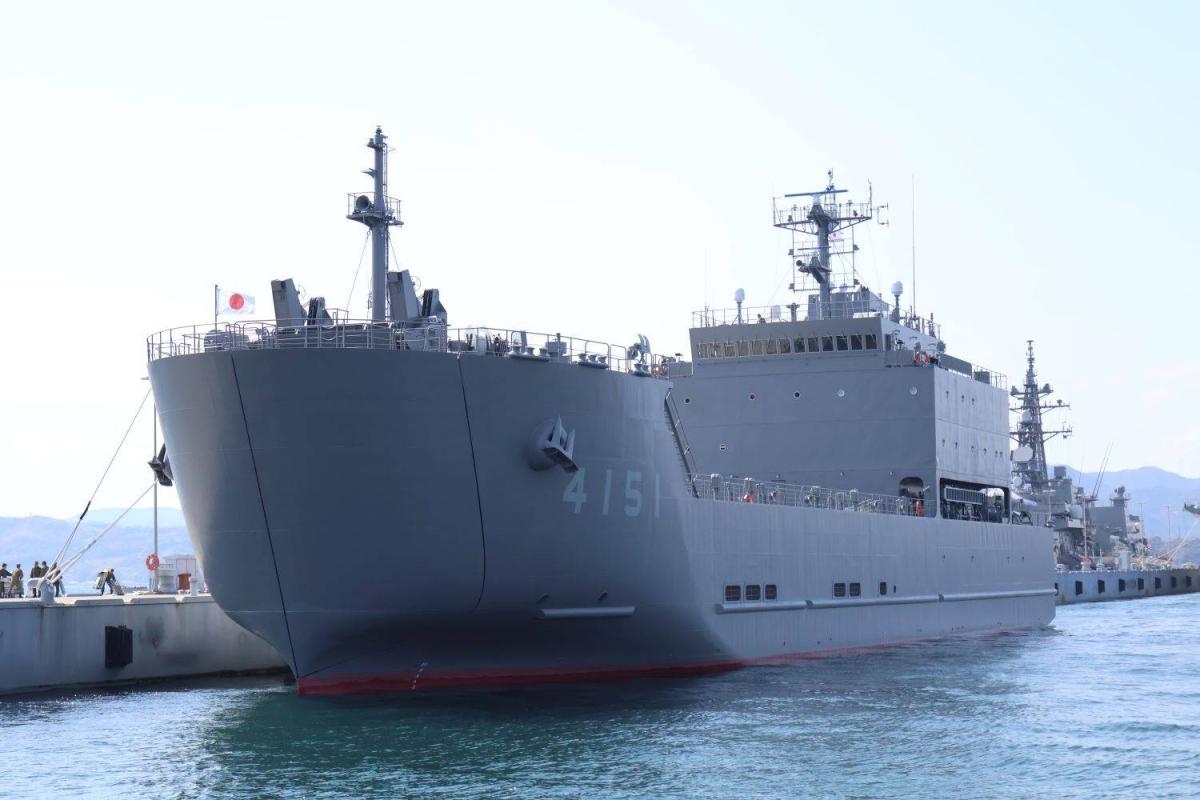
What Japan Military Logistics Means for Regional Stability
The discussions between South Korea and Japan underscore the growing importance of practical defense cooperation in an increasingly complex security environment. While the focus remains on logistics support, the broader significance lies in the willingness of regional partners to strengthen coordination and preparedness.
As security challenges continue evolving throughout Northeast Asia, cooperation initiatives centered on logistics and readiness are likely to play an increasingly important role in supporting stability, resilience, and effective communication among key regional actors.